Why Companion Planting Matters for Zucchini
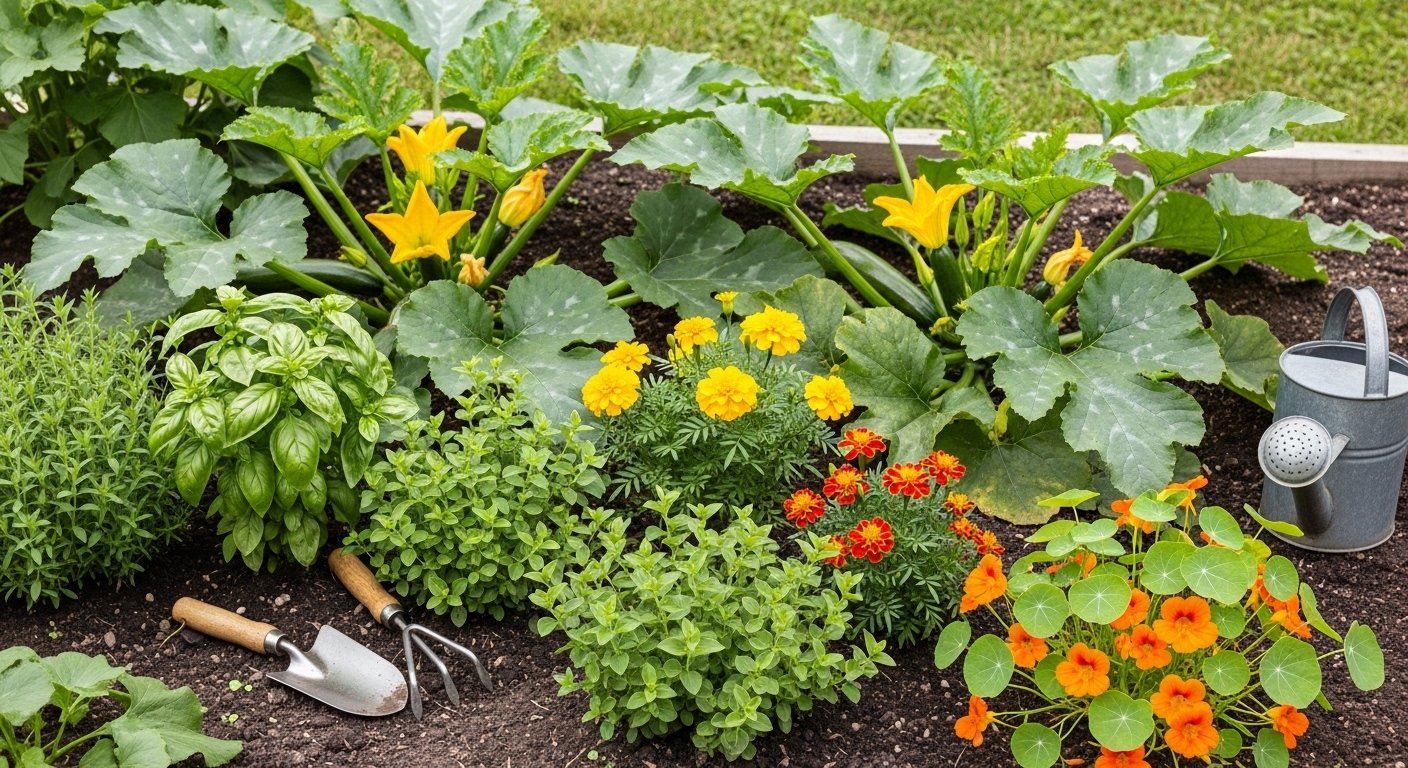
When planning your summer garden, understanding zucchini companion plants can make all the difference between a thriving patch and one that’s struggling. Companion planting—the practice of grouping specific plants together for mutual benefit—is more than just a space-saving trick; it can actively boost your zucchini’s health, yield, and resilience.
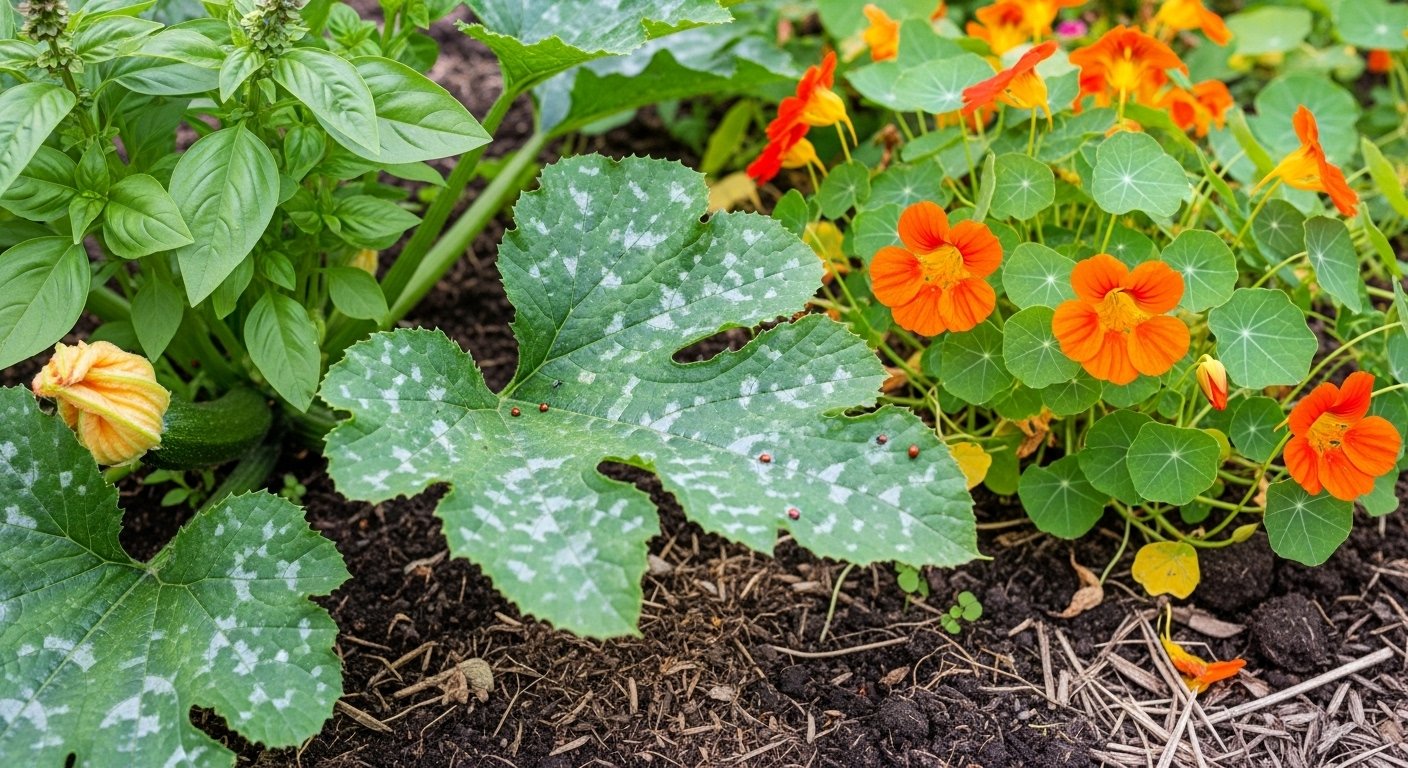
Zucchini, a prolific producer, needs ample nutrients, plenty of water, and room for its sprawling vines. Yet it’s also quite vulnerable: powdery mildew, squash bugs, and vine borers can quickly turn your lush plants into wilted disappointments. Certain companions, like fragrant herbs or pest-deterring flowers, help reduce those threats naturally, minimizing your need for harsh sprays.
For example, planting nasturtiums nearby can attract aphids away, while basil improves pollination and flavor. But it’s not just about pest control—pairing zucchini with compatible vegetables like beans can improve soil nitrogen while keeping the garden ecosystem balanced. On the flip side, poor choices (such as potatoes, which compete heavily for nutrients) might stunt your zucchini’s growth.
Choosing the right zucchini companion plants is about more than gardening tradition; it’s a smart, science-backed way to harness nature’s own checks and balances. By selecting suitable neighbors, you create a healthier, more abundant harvest—all with fewer headaches and less work in the long run.
Best Flower Companions for Zucchini
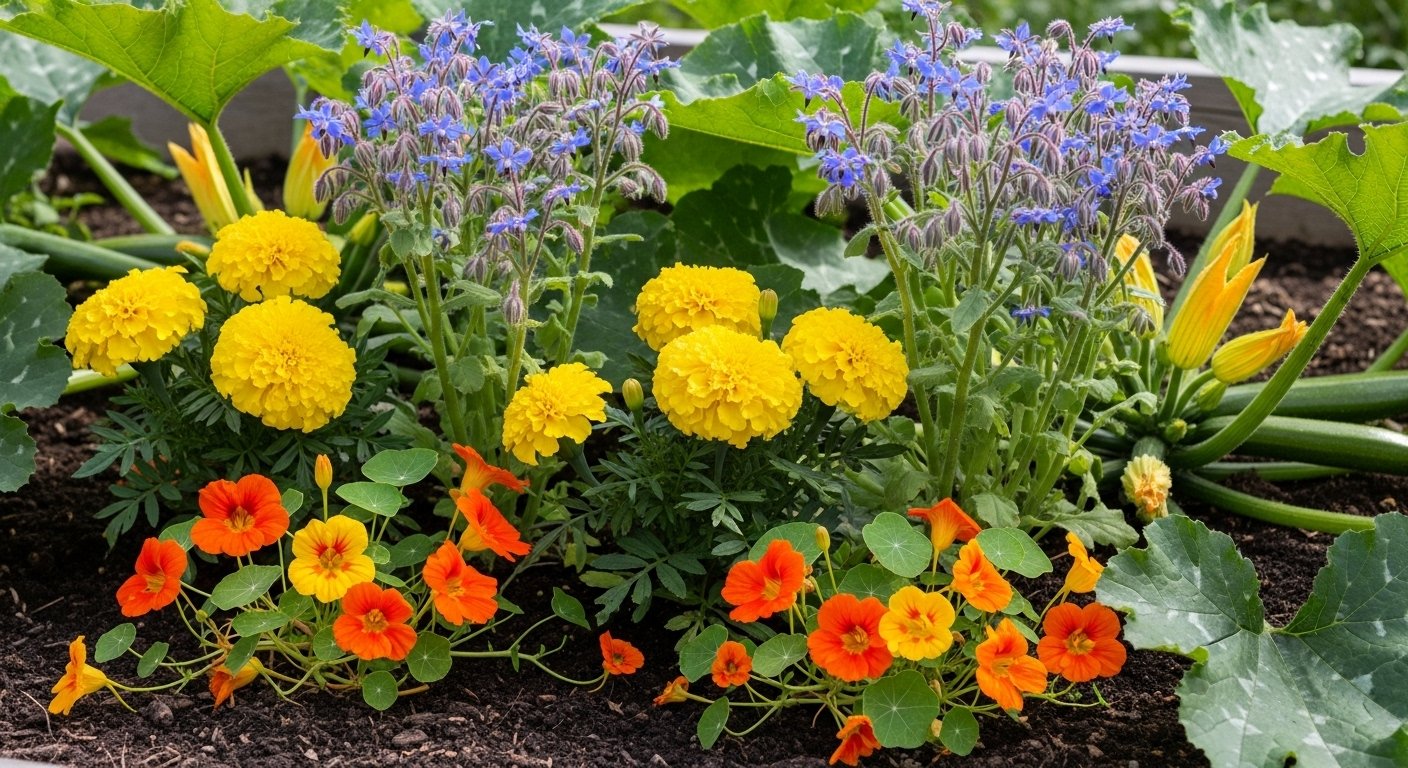
Planting flowers alongside your zucchini can transform your garden into a thriving, productive ecosystem. Some of the best companions are nasturtium, marigold, and borage.
Nasturtium acts as a magnet for pollinators like bees and butterflies, boosting zucchini fruit set, and it deters problematic insects such as aphids and squash bugs with its peppery scent. Marigolds are well-known for repelling nematodes and beetles while simultaneously attracting beneficial insects like ladybugs and lacewings that feast on pests. Borage not only draws bees for better pollination—leading to larger and more abundant zucchini—but also improves soil health by accumulating trace minerals in its leaves, which decompose and enrich the soil.
For optimal benefits, interplant these flowers in clusters rather than isolated spots. Nestle nasturtiums and marigolds around the borders or between zucchini hills, allowing about 10–12 inches of space so neither plant gets overcrowded. Borage, with its taller growth, works well at the garden’s edges or behind zucchini plants where it won’t compete for sunlight.
Direct-sow flower seeds at the same time you plant your zucchini, or transplant seedlings one to two weeks later to give your squashes a head start. By mixing these flower companions with your zucchini, you’ll naturally boost pollination, reduce pest pressure, and create a resilient garden—all without harsh chemicals.
Herbal Allies for Zucchini
If you want to help your zucchini plants thrive this growing season, consider bringing in some herbal allies like dill, oregano, basil, and mint. These herbs aren’t just culinary favorites—they’re also excellent companions in the garden.
Oregano and basil, for instance, naturally repel pesky insects such as aphids and squash bugs, keeping your zucchini healthier with less need for chemical sprays. Dill attracts beneficial insects such as ladybugs and lacewings, which feed on common zucchini pests, while mint’s strong scent helps deter ants and flea beetles.
Planting these herbs around your zucchini not only reduces pest damage, but their aromatic foliage can subtly enhance the flavor of your harvest. For the best results, try interspersing basil and oregano between zucchini plants, using mint in containers nearby—since mint can be invasive—and planting dill along the border of your bed where it can grow tall without shading out other crops.
Not only does this create a garden that’s productive and low-maintenance, but it also looks and smells fantastic. Remember to keep herbs trimmed to promote healthy growth and avoid overcrowding, making sure everyone gets enough sun. These simple strategies will help you get the most out of your zucchini patch, naturally.
Top Vegetable Companion Plants for Zucchini
Pairing zucchini with the right vegetable companions can lead to a healthier, more productive garden. Beans and peas are top choices, as they naturally enrich the soil with nitrogen—a nutrient zucchini loves—by fixing it from the air into the ground. Planting bush beans in rows about 18-24 inches from your zucchini lets both thrive without crowding.
Corn is another great partner: its tall stalks provide partial shade on hot days, protecting zucchini’s broad leaves from sun scorch. In turn, the zucchinis help suppress weeds around corn roots. Try planting corn in blocks with zucchini nestled at the base, spacing the corn about 12 inches apart and zucchini at least 24-36 inches away from each other to ensure proper airflow and avoid powdery mildew.
Radishes are also a smart addition; they grow quickly and can be sown in the spaces between zucchini seedlings. Not only do they maximize bed usage, but their sharp scent can deter cucumber beetles that might otherwise target your zucchini.
For best results, avoid overcrowding: stick to one or two zucchini plants per 4×4 foot bed, tucking in beans or peas along the edges and planting radishes in any remaining pockets. This thoughtful combination not only optimizes every inch of your garden bed but also encourages mutual protection, enhanced growth, and bigger harvests throughout the season.
Plants to Avoid Near Zucchini
When planning your zucchini patch, it’s important to keep certain plants at a distance—namely potatoes, pumpkins, and cucumbers. These crops tend to be poor companions for zucchini because they attract similar pests and can transmit diseases like powdery mildew or bacterial wilt, putting your entire harvest at risk.
For example, cucumbers and pumpkins belong to the same plant family (Cucurbitaceae) as zucchini, so they often attract cucumber beetles and squash bugs, which can quickly spread from one crop to another. Potatoes aren’t related, but they compete aggressively for soil nutrients and water, which might stunt zucchini growth and lead to smaller yields for both crops.
To minimize these conflicts, consider grouping zucchini with plants that have different pest profiles and resource needs—like beans, peas, or herbs such as basil and oregano.
If your space is limited, try using raised beds or containers to create physical barriers, and practice crop rotation every year to further reduce disease risk.
By carefully planning your garden layout and keeping incompatible crops apart, you’ll foster a healthier environment for your zucchini and boost your chances of a plentiful, trouble-free harvest.
Pest Control and Other Benefits of Companion Planting
Zucchini plants are notorious magnets for pests like squash bugs, which destroy leaves and stems, and aphids, which cluster on new growth and suck the sap out of plants, stunting their development. One of the simplest and most natural ways to keep these pests at bay is through companion planting.
For example, planting marigolds around your zucchini not only adds a pop of color but also helps deter destructive nematodes in the soil thanks to a substance they release through their roots. Nasturtiums, another favorite companion, act as a living trap for aphids by luring them away from your zucchini and containing infestations on themselves, making them easy to spot and remove.
Beyond just pest control, companion planting enhances your garden’s soil health by promoting biodiversity. Certain plants help fix nitrogen or break up compacted soil, which improves overall plant growth. This increased variety above and below the ground also attracts more beneficial insects—like ladybugs and lacewings, which feed on aphids—while reducing the likelihood of any single pest outbreak devastating your harvest.
By strategically pairing zucchini with thoughtful companions, you’re building a more resilient mini-ecosystem that supports your plants naturally, with less reliance on chemical interventions.
Pro Tips for Companion Planting with Zucchini
When it comes to companion planting with zucchini, a bit of planning goes a long way. First, practice succession planting by staggering your zucchini and companion crops—like beans, nasturtiums, or radishes—so you have a steady harvest and don’t overwhelm your garden all at once.
Rotate where you plant zucchini each year to prevent soil-borne diseases and pests from building up. Avoid planting zucchini where other cucurbits (like cucumbers or pumpkins) grew last season.
Spacing is critical: zucchini needs room to sprawl, so leave at least two feet between plants. Keep fast-growing companions like bush beans at the borders to avoid crowding.
In dense mixed beds, monitor soil moisture closely. Zucchini loves consistent watering—aim for deep, weekly soakings at the base and avoid getting leaves wet to reduce the risk of powdery mildew. Mulching with straw or leaf litter helps retain moisture and suppress weeds without heating the soil too much.
Healthy companion beds thrive with regular check-ins. Watch for signs of nutrient competition, such as yellowing leaves or stunted growth, and feed plants with a side-dressing of compost if needed. Avoid crowding zucchini with heavy feeders like tomatoes or corn; those companions will sap the energy zucchini needs.
If you notice stunted growth or pest issues, try adjusting your pairings—sometimes a bed gets too busy for everyone to thrive. Pull overcrowded or underperforming companions quickly to give your zucchini more breathing room.
Finally, remember that companion planting isn’t one-size-fits-all; it may take a little trial and error in your unique space. Observe what works best over a couple of seasons, keep notes, and tweak your combinations to create a healthy, productive zucchini patch.
Conclusion: Planning Your Zucchini Companion Garden
Choosing the right companion plants for your zucchini can make a big difference in your garden’s health and harvest. Good companions—like beans, nasturtiums, and marigolds—help repel pests, improve pollination, and maximize soil nutrients, giving your zucchini plants the best chance to thrive.
While these classic combinations have proven effective in many gardens, remember that every space is unique. Don’t hesitate to experiment with new pairings based on what grows well in your local climate and soil. Keep a simple garden journal to note what’s working and what isn’t—over time, you’ll develop a custom blend of companion plants tailored to your own backyard.
Consistent care is just as important as planning: watch for changes in leaf color, bug activity, and overall plant health. Regularly weeding, watering, and checking on your garden allows you to catch problems early and make small tweaks before they grow into bigger issues.
By combining smart planning with hands-on attention, you’ll enjoy a bountiful zucchini harvest and a healthier, more resilient garden year after year.