Getting Started with Spinach

Watering spinach is one of the most important steps if you want thriving, tasty leaves from your garden. Spinach stands out as an easy and rewarding leafy green for both new and seasoned home gardeners. It’s no surprise this plant is a staple for so many: spinach is packed with vitamins and minerals, grows quickly (sometimes yielding its first harvest within a month), and actually prefers cooler weather, making it perfect for spring and fall planting.
Whether you’re aiming to add nutrition to your salads, smoothies, or sautés, spinach delivers. But before you dive in, it’s helpful to know there are several types of spinach to choose from.
Types of Spinach
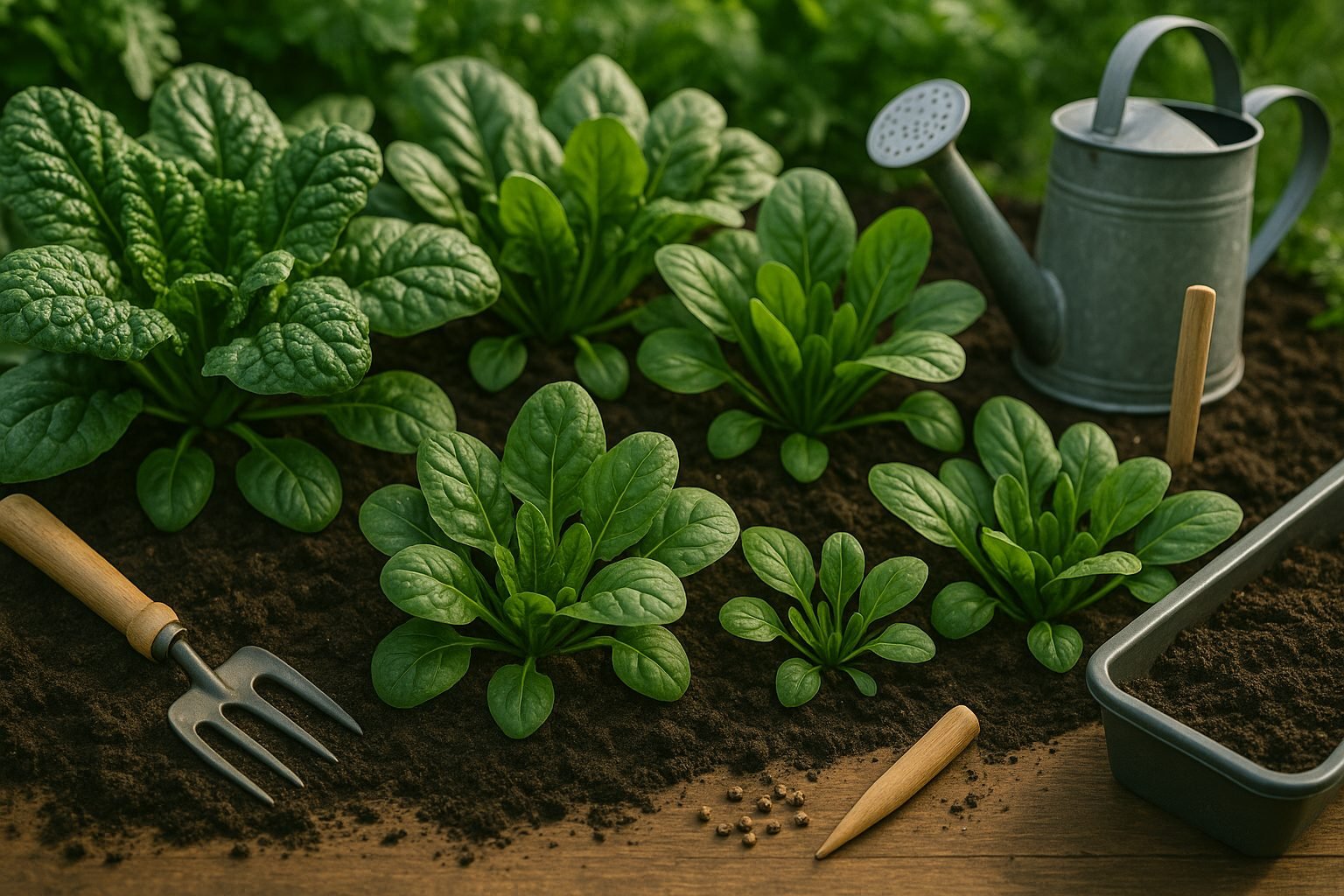
Savoy spinach is known for its dark green, crinkly leaves and impressive cold tolerance—a great option if you want to extend your harvest into chilly weather.
Flat-leaf spinach boasts smooth, tender leaves that are easier to wash and excellent for fresh eating or juicing.
Semi-savoy is a hybrid that blends easy cleaning with ruggedness, making it versatile for most gardens.
Selecting a variety depends on your climate, culinary plans, and how much time you want to spend rinsing dirt from leaves. No matter which type you pick, mastering the right watering routine is the first step in setting your plants up for success—ensuring sweet, crisp greens right from your backyard.
Preparing the Soil & Planting Spinach
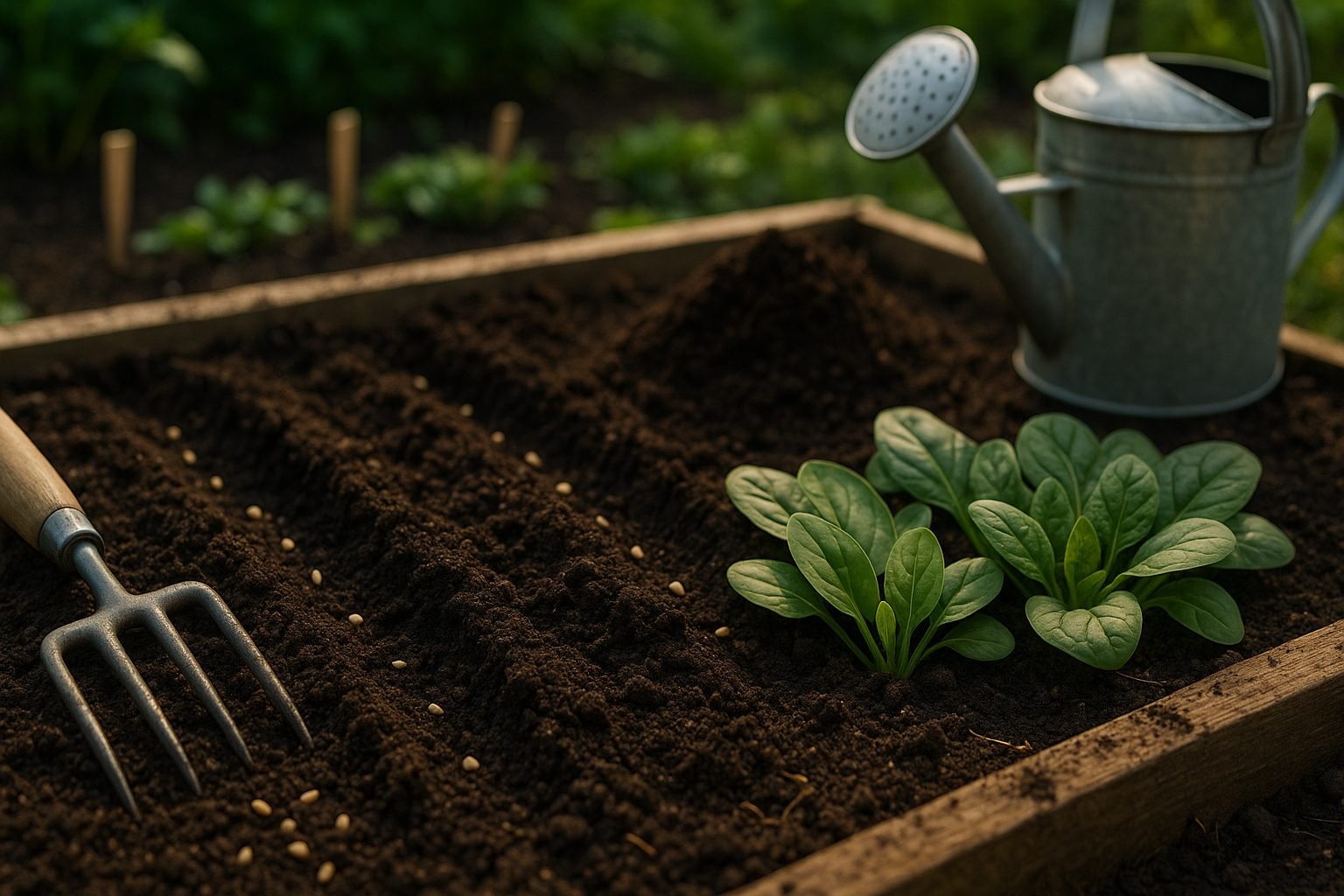
Spinach thrives in soil that is loose, well-draining, and rich in organic matter, with an ideal pH between 6.0 and 7.5. It prefers full sun but can tolerate partial shade, especially in warmer climates where afternoon shade helps prevent bolting.
Before planting, take time to prep your garden bed:
- Clear out rocks, weeds, and other debris.
- Loosen the soil to a depth of about 10-12 inches with a garden fork or tiller—this encourages strong root growth.
- Mix in a generous layer of compost or well-rotted manure to boost moisture retention and provide the rich nutrients spinach loves.
When it comes to planting, you can sow seeds directly into the ground or transplant young seedlings.
- For seeds, make shallow furrows about ½ inch deep and space seeds 2 inches apart, covering lightly with soil. Rows should be spaced about 12 inches apart to allow for airflow and easy maintenance.
- If transplanting seedlings, plant them 4-6 inches apart, being careful not to disturb the roots.
The best time to plant spinach depends on your climate: sow in early spring as soon as the soil is workable, or in late summer for a fall crop. In warmer regions, fall and even winter plantings are possible since spinach tolerates light frost.
For continuous harvests, try succession planting—sow new seeds every couple of weeks to keep your salad bowl full.
Remember to water gently after planting to settle the soil, and keep the bed consistently moist as seeds germinate and young plants establish.
With a bit of careful preparation, you’ll have a healthy, productive spinach patch in no time.
Watering and Care Essentials
Caring for spinach starts with nailing your watering technique—aim for soil that’s consistently moist but never waterlogged. Spinach roots are sensitive: too much water causes rot, while dry spells stress the plants and stunt growth.
Keep moisture levels even by watering whenever the top inch of soil feels dry; in spring and fall, this might be every two to three days, or daily in hot, dry climates. For seeds and young seedlings, use a gentle spray or watering can to avoid washing them away or compacting the soil.
Early morning is the best time to water, reducing evaporation and giving leaves time to dry, which helps prevent fungal issues. Consistent moisture is key to quick germination and lush, leafy harvests—especially since spinach grows fast in cool, damp conditions.
Mulch with straw or shredded leaves to lock in moisture and reduce how often you need to water. While you’re at it, keep the area weed-free; weeds steal water and nutrients, shading out tender spinach sprouts.
Thin seedlings when they have two true leaves, spacing them about three to four inches apart for enough airflow and room to grow.
Don’t overlook water quality, either—chlorinated tap water is usually fine in moderation, but soft or saline water can build up salts in the soil and harm your spinach. If you suspect water quality is an issue, switch to rainwater or let tap water sit overnight to let chlorine dissipate.
With these simple routines, you’ll set your spinach up for vigorous growth, fewer pests, and tastier leaves.
Nutrient Needs & Plant Health
Spinach thrives when its basic nutrient needs—nitrogen, phosphorus, and potassium—are met. Nitrogen is key for lush, leafy growth; phosphorus supports root development; and potassium boosts plant health and stress resistance.
For home gardeners, it’s helpful to feed spinach with fertilizers high in these nutrients, particularly during the early stages. Organic options like composted manure or fish emulsion gently release nutrients and improve soil structure over time, making them ideal for ongoing nourishment. Synthetic fertilizers, such as balanced NPK blends, provide a rapid nutrient boost and are useful if plants show clear deficiencies, but should be applied with caution to avoid overfeeding.
Whichever method you choose, timing is crucial: add compost or slow-release organics a couple of weeks before planting, and supplement with diluted feeds every 2-3 weeks while the spinach grows.
Always watch for deficiency signs:
- Pale yellow leaves suggest low nitrogen,
- Purplish leaf edges might point to phosphorus shortfalls,
- Scorched leaf tips can indicate potassium issues.
Address deficits by applying the lacking nutrient, but avoid over-correcting, which can stress plants further.
Regularly inspect spinach for pests like aphids or leaf miners, as these can amplify nutrient stress and should be managed with gentle interventions such as hand-picking or insecticidal soap.
By combining attentive feeding with routine pest checks, you’ll keep spinach healthy and productive with minimal fuss.
Preventing and Solving Common Problems
Dealing with pests and diseases early can save your spinach crop and reduce frustration. Common attackers include aphids, leaf miners, and slugs.
Aphids cluster on the undersides of leaves and can be sprayed off with a strong stream of water or managed with insecticidal soap. Leaf miners burrow inside leaves, creating squiggly trails—pluck and dispose of affected leaves quickly to stop their spread, and use row covers to keep adult flies away. Slugs, easily spotted by shiny slime trails, are best caught by hand-picking at dusk or by placing shallow dishes of beer as traps.
Diseases like downy mildew, which shows as yellow patches or fuzzy growth underneath leaves, thrive in damp, crowded beds. Prevent this by spacing plants to allow good airflow and rotating crops each year to avoid buildup of pathogens in the soil.
If plants seem droopy or wilted, check the soil moisture—overwatering can rot roots, while underwatering stresses the plants. Yellow or discolored leaves often signal nutrient deficiencies or poor drainage.
Bolting, or premature flowering, happens in warm weather or from inconsistent watering—harvest leaves promptly and provide shade during hot spells to reduce this risk.
If you spot sagging or sick leaves, act fast: remove and discard affected parts to prevent further spread, inspect for pests, and check root health. Sometimes, problems stem from simple issues like compacted soil that benefits from gentle aeration.
Paying close attention to your spinach’s daily appearance helps catch problems early, making it easier to keep your greens healthy and thriving, even if you’re new to gardening.
Harvesting and Storing Spinach
Knowing when to harvest spinach is key to enjoying the freshest, tastiest leaves from your garden. Spinach is ready to pick when its leaves are large enough to eat—usually 4-6 inches long—and have a deep, healthy green color. Don’t wait too long; mature spinach can quickly bolt and turn bitter in warm weather.
For a continual supply, use the “cut-and-come-again” method: snip the outer leaves an inch above the base with clean scissors, leaving the young inner leaves to grow. This gentle approach encourages new growth and extends your harvest season. Handle plants carefully to avoid damaging the crown, as this is where new leaves sprout.
After harvesting, rinse the spinach in cool water to remove dirt and debris—swishing the leaves in a large bowl does the trick. Dry them thoroughly with a salad spinner or a clean kitchen towel, since moisture can cause spoilage.
Store clean, dry leaves loosely in a plastic bag lined with paper towels in your fridge’s crisper drawer; this helps keep them crisp for up to a week. If you have a surplus, blanch and freeze the leaves for later use.
Fresh spinach adds a burst of nutrition and flavor to salads, green smoothies, sautéed dishes, omelets, and even pastas. Keeping a steady flow from garden to kitchen is all about smart picking, gentle handling, and prompt, proper storage.
Spinach Plant Care FAQs
If your spinach isn’t growing as quickly as you’d hoped, don’t worry—slow growth is often caused by planting during the wrong season or not providing enough water and nutrients. Spinach thrives in cool weather, so try planting early in spring or late summer. Make sure to keep the soil consistently moist without letting it get waterlogged. A balanced, organic fertilizer can also give your plants a healthy boost.
Bolting, when spinach suddenly sends up flower stalks and the leaves turn bitter, is another common issue, especially when temperatures rise. To prevent this, use shade cloth to shield your beds from intense afternoon sun, and try succession planting every two weeks. This way, you’ll always have fresh, tender leaves even if some plants bolt.
Beginners often wonder which spinach varieties are easiest to start with. Look for types like Bloomsdale Long Standing or Space, which are both popular, bolt-resistant, and have reliable germination rates.
For extra support, check out local extension services, garden forums, or reputable gardening websites for more specific troubleshooting and region-specific tips. If you stay attentive to watering needs and temperature, and don’t hesitate to replant as needed, you’ll soon be harvesting delicious spinach in no time.