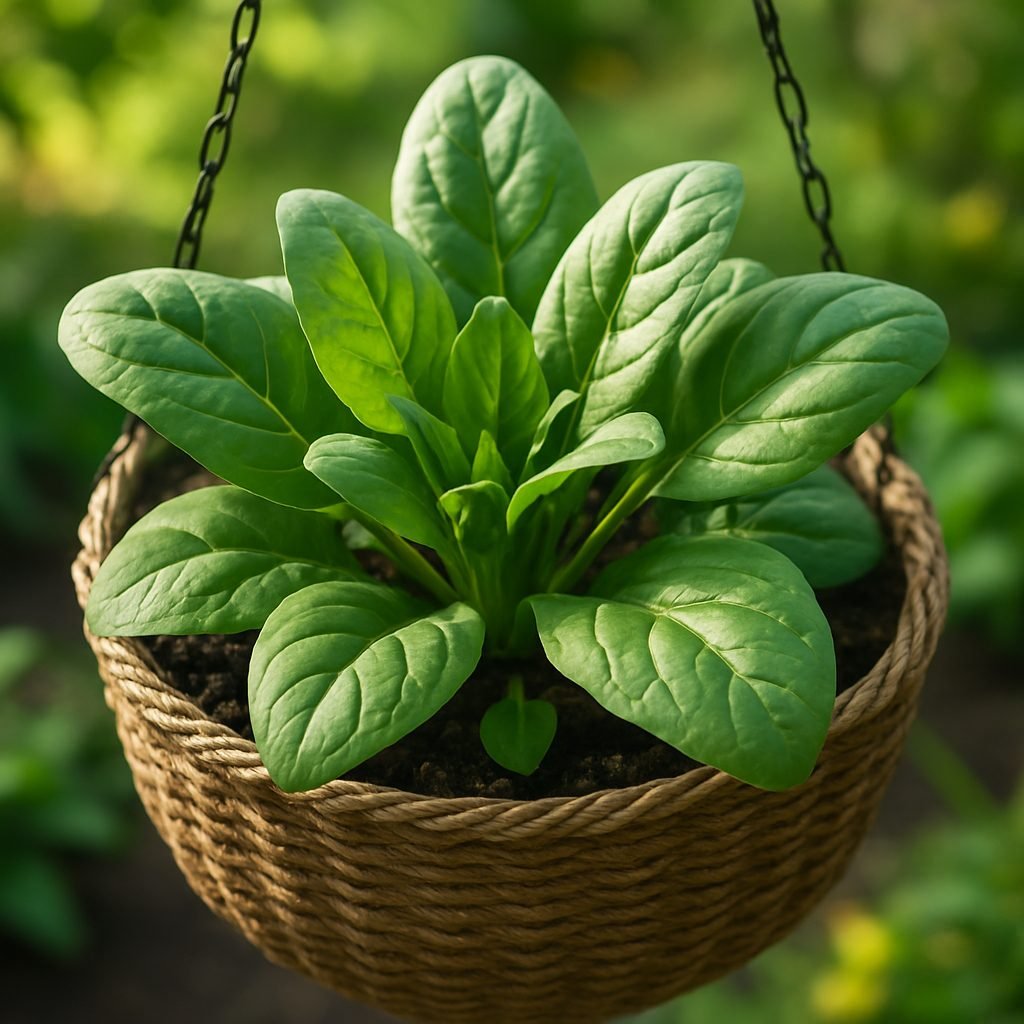
Introduction
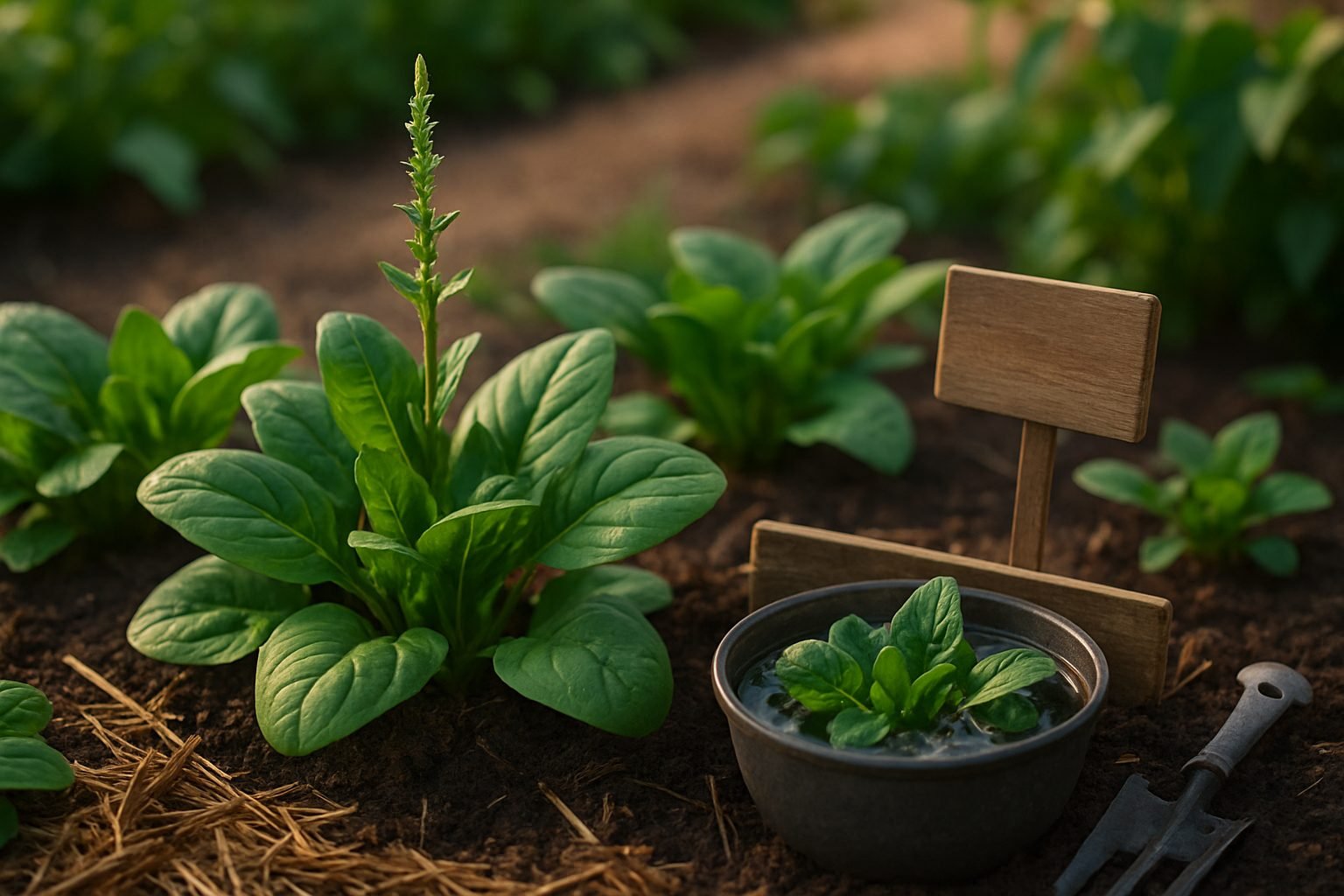
Hanging spinach might sound unusual, but for urban gardeners and anyone short on outdoor space, growing veggies vertically is more practical than ever. If you don’t have a backyard or want to add a splash of green to a patio or balcony, hanging baskets are a clever solution. Gardeners love them not just for their space-saving benefits but also for the fresh, decorative look they bring to any setting. With tomatoes and strawberries already thriving above ground, many wonder if leafy greens like spinach can do well in these airborne containers. Is spinach really suitable for growing in hanging baskets, or should you stick to more traditional ground-level beds? In this post, we’ll explore the real advantages, potential challenges, and simple tips for giving hanging spinach a fair shot—so you can enjoy harvests even in the smallest of spaces.
Benefits of Growing Spinach in Hanging Baskets
Growing hanging spinach in baskets offers several advantages, especially if you’re limited on space. Whether you have a small balcony, a narrow patio, or just a sunny porch, hanging baskets help you maximize vertical space instead of relying solely on crowded ground beds. By suspending spinach in baskets, you can transform railings, overhangs, or walls into productive garden spots—ideal for apartments or city homes where every inch counts.
This method not only saves space but also promotes healthier plants. Hanging baskets provide excellent air circulation around the spinach leaves, which helps prevent fungal diseases and keeps foliage drier after watering or rain. This open setup also makes it harder for common ground pests like slugs and snails to reach your greens, reducing the need for harsh pesticides.
Apartment gardeners especially appreciate the convenience—a hanging spinach basket puts your crop at eye level, making it easy to snip leaves for a salad without bending or stooping. Tasks like watering, checking for pests, and trimming dead leaves become simpler and more enjoyable since the plants are right within reach.
Additionally, hanging baskets can be moved to follow the best sun throughout the growing season or brought under cover during storms. For anyone juggling a busy schedule or facing mobility challenges, the accessibility and efficiency of hanging spinach baskets are truly a game-changer, letting you enjoy fresh, homegrown greens right outside your door.
Choosing the Right Spinach Variety for Hanging Baskets
When it comes to growing hanging spinach, selecting the right variety is key to achieving a lush, productive basket. Smaller-leafed types, like baby spinach, are ideal because they have a compact growth habit and require minimal root space. Varieties that are slow to bolt (go to seed) help extend your harvest—especially important since hanging baskets can warm up quickly in the sun.
Look for seeds or seedlings labeled as “container” or “baby leaf” spinach, bred specifically for tight spaces and rapid leaf production. ‘Bloomsdale Long Standing’ is a popular heirloom known for its crinkled, tender leaves and strong bolt resistance, making it a great choice for the unpredictable weather often found on balconies or patios. Another favorite among container gardeners is ‘Space’ spinach, praised for its upright growth and excellent disease resistance.
If you prefer harvesting baby spinach, consider ‘Tyee’—a hybrid celebrated for its compact size and tolerance to warmer conditions, which helps extend your growing season. When selecting seeds, always check the packet for details on maturity time, growth habit, and bolt resistance to ensure the variety suits hanging baskets.
If you’re buying seedlings, pick healthy, compact plants with no yellowing leaves or leggy stems, as these can indicate stress. With the right variety and a bit of careful selection, you’ll be well on your way to a thriving, space-saving crop of hanging spinach right outside your door.
Setting Up Your Hanging Basket for Spinach
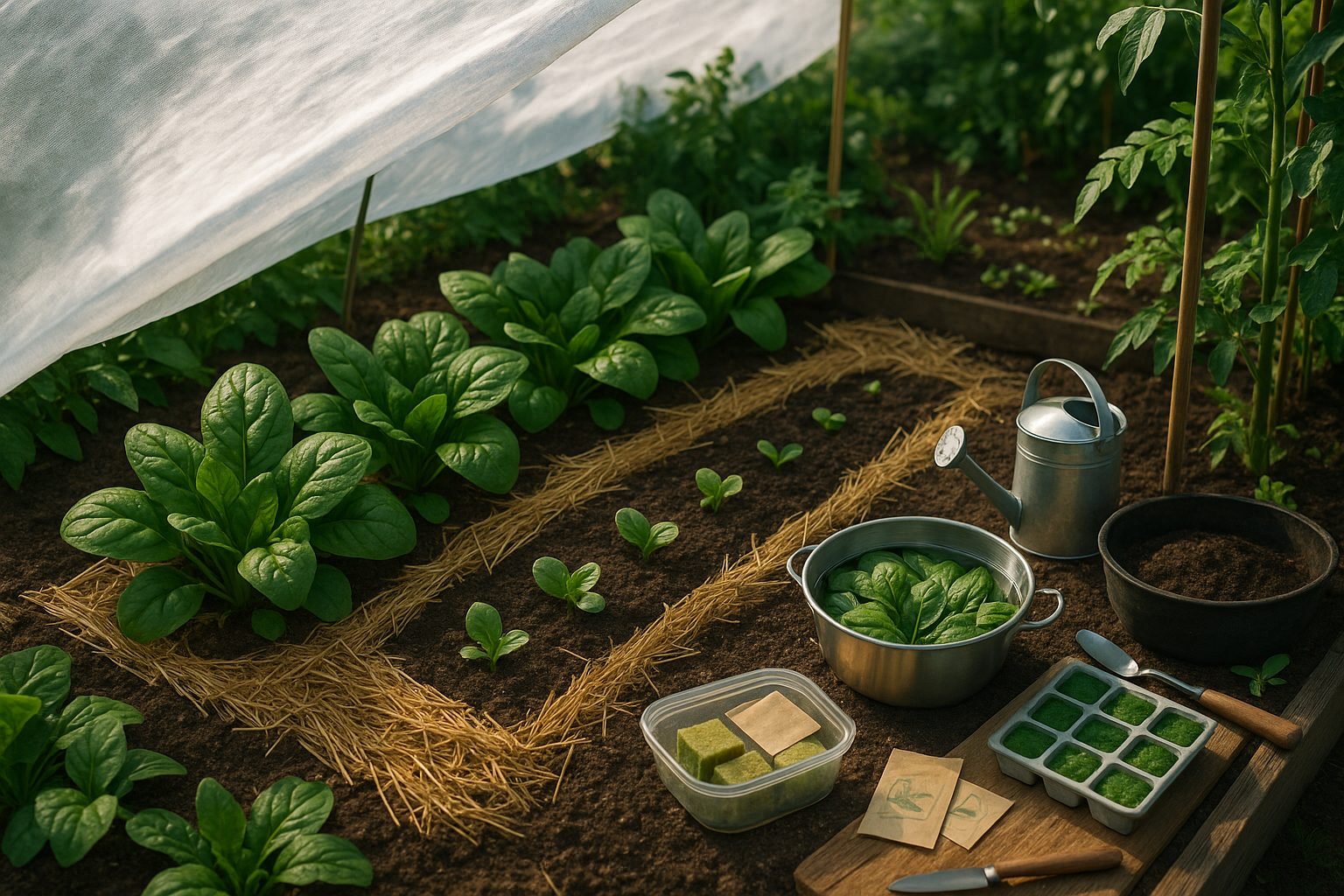
When growing hanging spinach, the first step is choosing the right basket. Look for one with a diameter of at least 12 inches and good depth to give spinach roots enough room to spread. Wire baskets lined with coco coir or moss work best—they hold soil well while allowing water to drain, preventing root rot. Alternatively, plastic hanging baskets with built-in drainage holes are easy to handle and retain moisture well, which is vital since spinach prefers consistently moist soil.
Start by layering the bottom of your basket with the liner, making sure it overlaps generously up the sides to keep soil from washing out. Next, fill the basket with a high-quality potting mix enriched with organic compost; spinach thrives in nutrient-rich, loose soil. Avoid using garden earth, which can be too heavy and restrict drainage. Mix in some slow-release fertilizer suitable for leafy greens to help your spinach plants get off to a strong start.
Spinach doesn’t like soggy feet, so ensure your basket allows excess water to escape. For extra drainage, place a thin layer of gravel or broken pottery pieces at the bottom before adding soil. When hanging your basket, choose a spot that gets at least 4–6 hours of morning sunlight but is sheltered from harsh afternoon rays—spinach prefers cooler growing conditions. South-facing balconies are ideal in spring and fall, while during peak summer, move your baskets to a spot with dappled shade, such as under an awning or pergola.
Hanging spinach baskets also do well near kitchen doors, patios, or on sturdy balcony railings for both easy access and visual appeal. Regularly check soil moisture, especially on warm, windy days, since hanging baskets dry out faster than garden beds. With the right setup, you’ll enjoy lush, healthy spinach thriving overhead in your hanging baskets.
Planting and Caring for Spinach in Hanging Baskets
Starting your hanging spinach garden begins with choosing a basket at least 8–10 inches deep and wide, equipped with ample drainage holes. Fill the basket with high-quality, moisture-retentive potting mix rather than garden soil, which can become compacted and reduce drainage. For sowing, sprinkle spinach seeds evenly across the surface, about 2 inches apart, then cover lightly with a quarter inch of soil. Alternatively, if using seedlings, gently transplant them into the basket, spacing each plant about 4–6 inches apart to give roots room to grow. Water immediately after sowing or transplanting to help settle the seeds or roots.
Hanging baskets dry out faster than ground gardens, so consistent watering is crucial—check soil moisture daily, especially in warm or windy weather, and aim to keep the soil evenly moist but not soggy. Water early in the morning to reduce evaporation, and consider using a drip irrigation spike or a self-watering hanging basket for added convenience. Spinach grows quickly and needs a steady supply of nutrients; mix a slow-release granular fertilizer into the potting soil when filling the basket, then supplement every two weeks with a diluted liquid fertilizer high in nitrogen to encourage leafy growth.
To keep your hanging spinach thriving, thin seedlings after they develop their first true leaves, leaving the strongest plants spaced 3–4 inches apart—this reduces competition and improves airflow, helping prevent disease. Regularly pinch off damaged or yellowing leaves, and harvest outer leaves often to encourage new growth and keep the plant compact. Watch for pests like aphids, which can be easily removed with a gentle spray of water. Rotate baskets if possible to ensure each side gets adequate sunlight. With a bit of care, your hanging spinach will produce crisp, tender leaves right outside your window, perfect for snipping into salads whenever you like.
Common Challenges and How to Overcome Them
Growing hanging spinach can be a rewarding way to harvest fresh greens even when space is tight, but like any gardening method, it comes with a few common challenges. One of the biggest issues is bolting—when spinach plants grow tall and go to seed prematurely—often triggered by warm temperatures or inconsistent watering. To reduce this risk, choose bolt-resistant spinach varieties and hang your basket in a spot that gets morning sun and afternoon shade to keep plants cooler.
Quick-drying soil is another common problem because baskets expose roots to more air, causing faster evaporation. To combat this, use high-quality potting mix rich in organic matter, add a layer of mulch on top to help retain moisture, and check your baskets daily, watering whenever the top inch of soil feels dry. Self-watering hanging baskets or drip irrigation systems can also help maintain steady moisture levels.
Pest pressure, such as aphids or leaf miners, can be more noticeable in hanging spinach baskets. Regularly inspect leaves for small holes, sticky residue, or curling—early intervention is essential. Wash off pests with a gentle spray of water or use organic remedies like neem oil or insecticidal soap, both safe for edibles when used as directed. Encourage natural predators like ladybugs if your baskets are outdoors, and keep the area underneath tidy to deter insect hideouts.
By staying attentive and responding quickly, you can overcome most challenges and enjoy a plentiful harvest of healthy hanging spinach.
Harvesting and Enjoying Your Hanging Basket Spinach
Harvesting hanging spinach at the right time ensures you get the freshest, most tender leaves. Start picking leaves once they reach about 3-4 inches long—usually four to six weeks after planting—when the foliage is deep green and smooth. Younger leaves offer the best flavor and tenderness, so avoid letting the plants mature too long, as this can lead to tougher texture and bitterness.
To harvest, use clean scissors or gently pinch leaves near the base, snipping only the outer, older leaves and allowing the inner, new growth to keep developing. This “cut and come again” method promotes continuous regrowth, letting you enjoy multiple harvests from a single planting. Always avoid stripping more than a third of the plant at once to keep your spinach healthy and productive. Make it a habit to check your hanging baskets regularly—especially during peak growing season—since spinach grows quickly in ideal conditions. After harvesting, rinse the leaves in cool water and dry them well before use.
Fresh from your hanging baskets, spinach is versatile and easy to add to meals. Toss just-picked leaves into salads for a vibrant crunch, or layer them on sandwiches and wraps. You can also wilt spinach in a hot pan for a simple side dish, blend it into smoothies for extra nutrition, or stir it into omelets and pasta dishes. Because hanging spinach is harvested young and fresh, its sweet, mild flavor shines in both raw and lightly cooked recipes, making it a convenient and delicious addition to your kitchen.
Conclusion
Growing spinach in hanging baskets is not only possible but also offers several benefits, making it a great option for anyone with limited space or those wanting fresh greens right in their kitchen. Hanging spinach lets you make the most of small balconies, patios, or even sunny windows, while helping to reduce common pests and soil diseases often found in traditional ground-level gardens. With just a few supplies and some care—including regular watering and partial shade—you can enjoy crisp, homegrown spinach at your fingertips. Give it a try and see how easy and rewarding it can be! If you’ve tried this method, feel free to share your tips or results in the comments below.