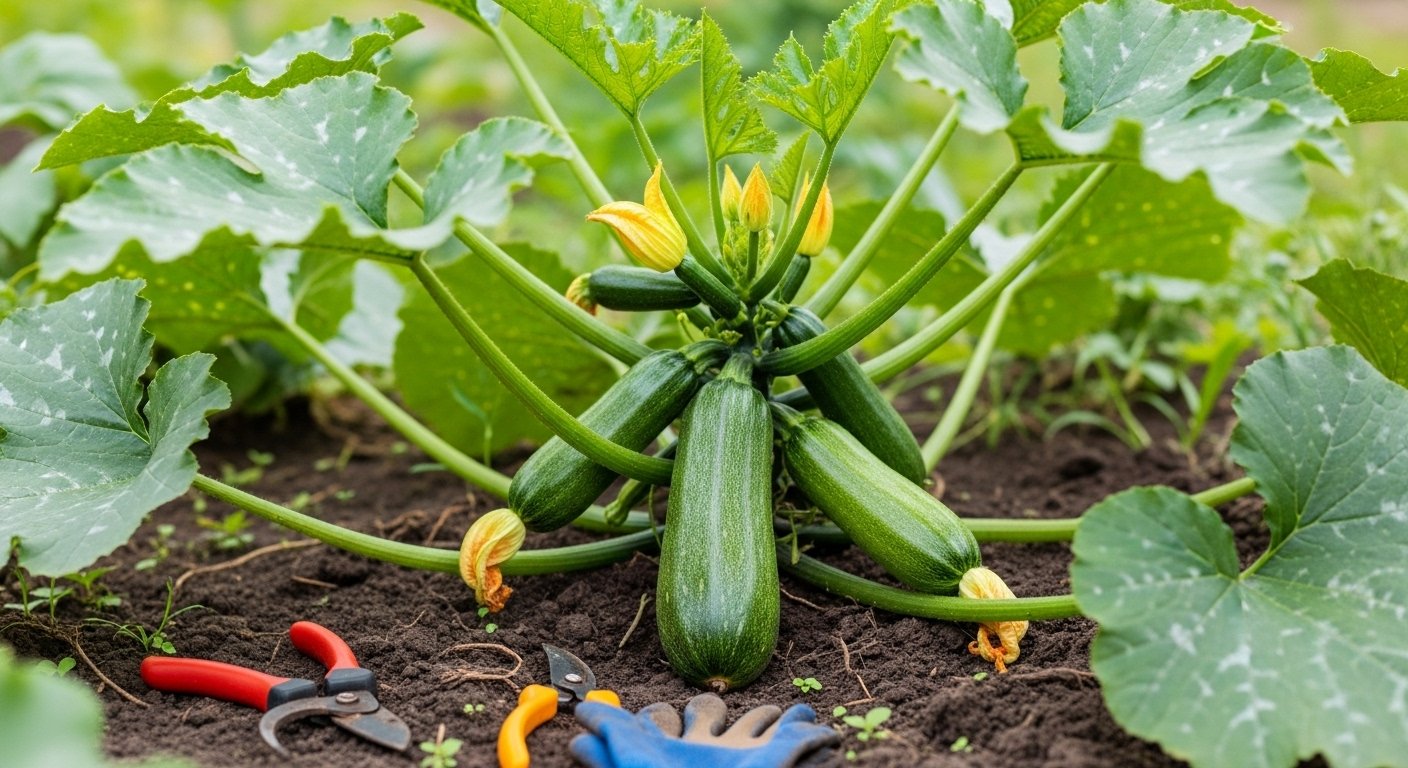
Why Prune Zucchini Plants?
Pruning zucchini isn’t just for expert gardeners—it’s a simple, practical step that can transform how your zucchini plants grow and produce. Many home gardeners find that without regular pruning, zucchini plants quickly turn into dense, tangled jungles of leaves. This excessive foliage can block airflow, trap humidity, and create the perfect environment for fungal diseases like powdery mildew. By snipping away some of that growth, you give your plants room to breathe, help moisture on the leaves dry faster, and lower the risk of these common problems.
Improved airflow does more than keep disease at bay; it also allows sunlight to reach more of the plant, encouraging more flowers and, ultimately, more zucchinis for your kitchen. Overcrowded plants often produce smaller, less flavorful fruits because energy is wasted on unnecessary leaf growth. Plus, a tidy, well-pruned zucchini patch is easier to tend and harvest, saving you time and frustration when searching for those sneaky zucchinis hiding under the leaves.
It’s also important to consider the type of zucchini you’re growing. Bush varieties usually stay compact and need just a little trimming to remove damaged or overlapping leaves. Vining varieties, on the other hand, can sprawl aggressively and often require more frequent, strategic pruning to control their shape and encourage fruit production. No matter which kind you plant, thoughtful pruning promotes healthier growth and a more bountiful harvest—meaning more delicious zucchini on your table all summer long.
Preparing to Prune: Tools & Timing
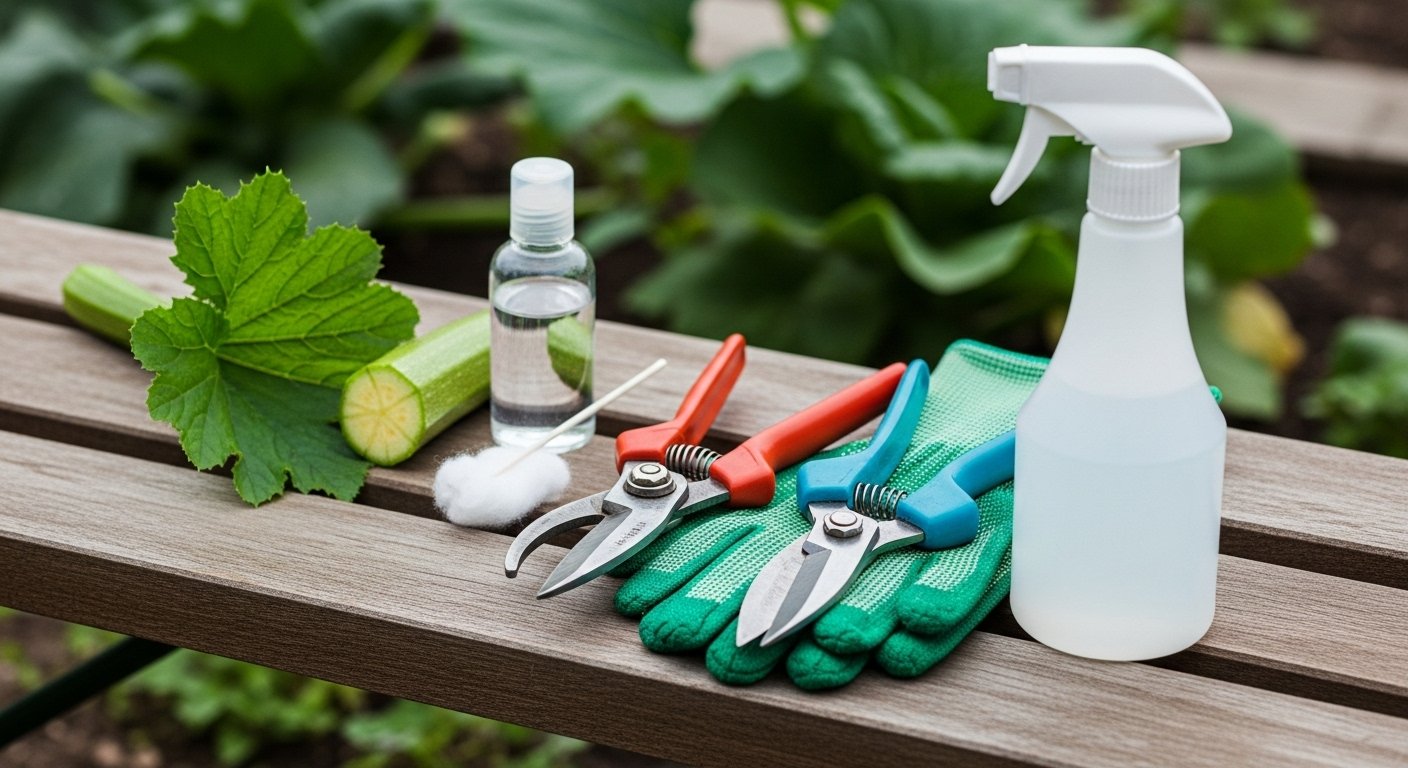
Before you start pruning, gather the essential tools: sharp pruning shears for precise cuts, sturdy gardening gloves to protect your hands from thorns and splinters, and sanitizing materials like rubbing alcohol or a diluted bleach solution. Clean, well-maintained tools make your job easier and help keep your plants healthy.
Pruning at the right time maximizes growth and minimizes stress. For most plants, the ideal pruning period is late winter or early spring, just before new growth starts. Flowering shrubs that bloom on old wood, such as lilacs or hydrangeas, should be pruned immediately after flowering to avoid cutting off next season’s buds.
Early morning is the best time for pruning—plants are well-hydrated, and cooler temperatures reduce stress on both you and your plants. Avoid pruning on rainy days since wet conditions increase the risk of spreading disease.
Always disinfect your tools between plants, especially if you notice any signs of disease; dip your shears in rubbing alcohol or a 10% bleach solution and wipe them dry to prevent cross-contamination.
Check that your gloves fit snugly, giving you control and protection, and keep tools sharp—dull blades crush stems, creating wounds that invite pests and infections. Taking the time to prepare properly sets you up for a successful, safe, and healthy pruning session.
Step-by-Step Guide to Pruning Zucchini
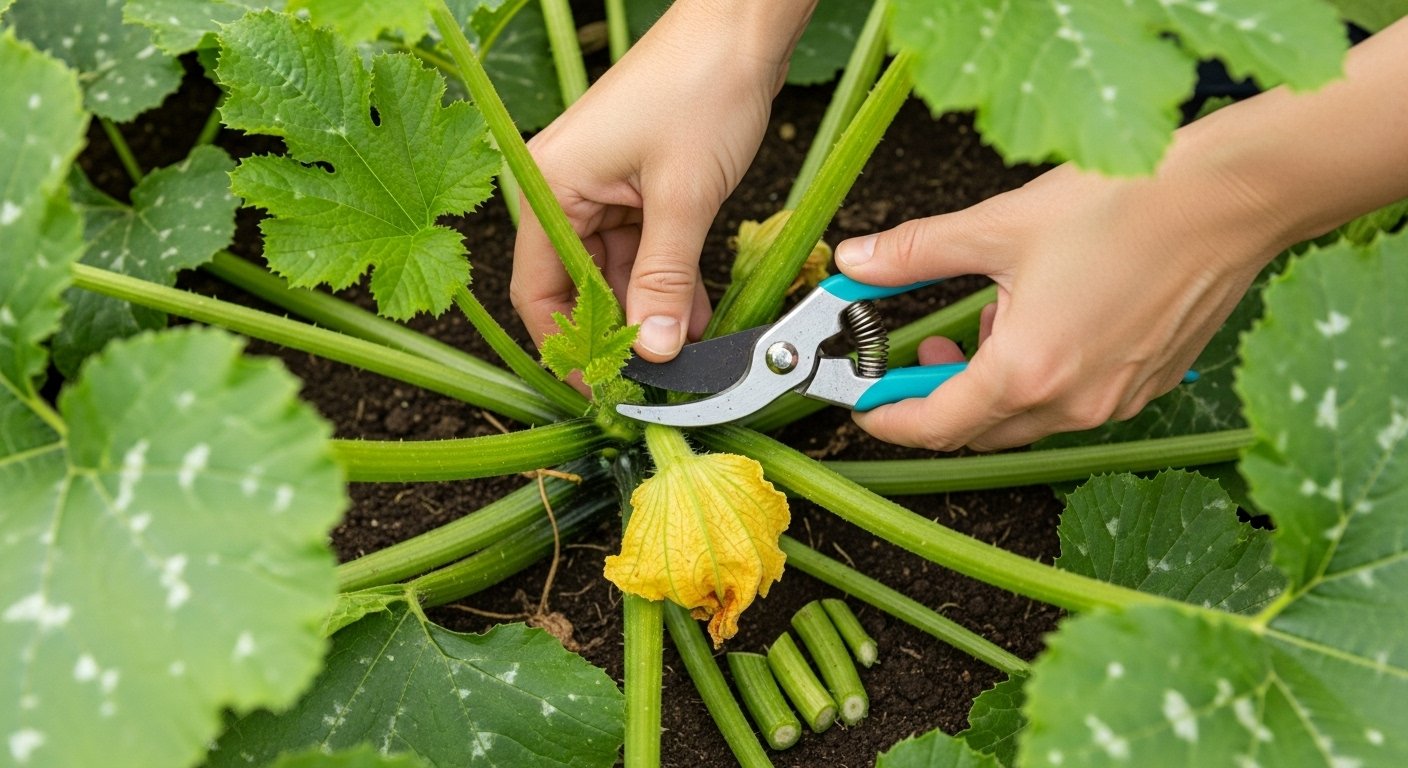
Pruning zucchini is a straightforward process, but knowing where to start can make all the difference for healthy, productive plants.
For bush zucchini, focus on removing yellowing, damaged, or diseased leaves first—these not only sap energy from the plant but can also harbor pests or disease. Use clean, sharp garden shears and cut leaves at the base, close to the main stem, taking care not to nick the stem itself.
For both bush and vining types, also thin out lower leaves that rest on the soil; these can promote rot or invite unwanted bugs.
With vining zucchini, gently guide sprawling vines and selectively trim some of the oldest, outer leaves to open up airflow and sunlight for developing fruits and younger foliage.
If your plant is overgrown or overcrowded, remove a few of the densest inner stems and leaves, but never take off more than a third of the plant at one time—this minimizes shock and keeps the zucchini thriving.
Avoid cutting any healthy blossoms, especially the female flowers (identified by the tiny baby zucchini at their base), as these develop into fruit.
For accidental snips on healthy stems or main runners, promptly cover wounds with a little garden sulfur or cinnamon to prevent infection, and avoid watering directly onto the cut area for a few days.
Always handle zucchini gently during pruning, supporting leaves and stems with your free hand while you snip—rough handling can split stems or cause unnecessary stress, hampering growth.
Regular, mindful pruning not only tames unruly plants but also boosts airflow, cuts down on diseases, and helps your zucchini put energy into producing delicious fruits.
Common Pruning Mistakes to Avoid
Pruning is essential for healthy, attractive plants, but it’s easy to make mistakes that can set your garden back. One common error is over-pruning, where enthusiastic gardeners remove too much foliage at once. This weakens plants, stunts growth, and can leave them vulnerable to pests or disease.
Another frequent mistake is cutting off all the flower buds, especially during the wrong season—as a result, you may miss out on blooms for months. Timing matters: pruning spring-flowering shrubs or fruit trees in late fall or early winter can prevent next season’s growth or fruit set.
Additionally, using dirty or dull tools can spread disease from one plant to another, causing unexpected wilting or dieback.
If you accidentally prune too much, don’t panic—healthy plants often recover if you provide extra water, mulch, and avoid additional stress. If you’ve cut off all the flower buds, fertilize lightly and be patient; new buds will often form next season.
Always clean your tools before and after use with a solution of one part bleach to nine parts water, and take time to research the best season and techniques for the specific plants in your garden.
By staying mindful of these common pitfalls, you’ll help your plants thrive year after year.
Supporting Healthy Growth After Pruning
Right after you finish pruning, your plant could use a little extra care to help it bounce back strong. Start by giving it a deep watering to replenish moisture lost from any exposed cuts—this is especially important if the weather’s hot or dry.
Mulching around the base with a two- to three-inch layer of compost or shredded bark can help retain soil moisture, regulate temperature, and suppress weeds competing for nutrients.
Watch closely over the next week for any signs of trouble; wilting leaves, yellowing, blackened stems, or oozing cuts may signal stress, disease, or infections that need attention. If you spot these, remove affected areas and use a gentle, organic fungicide if necessary.
About two weeks after pruning, when you see new shoots starting to appear, apply a balanced, slow-release fertilizer—this gives your plant a nutrition boost right when it’s ready for fresh growth.
Keep the area tidy by immediately removing fallen leaves or trimmings, which can harbor disease. By staying attentive and proactive, you’ll set your plant up for a healthy recovery and abundant new growth in the weeks ahead.
Dealing with Pests and Diseases
After pruning your zucchini plants, it’s important to watch out for common pests like squash bugs, cucumber beetles, and aphids. These insects can quickly target exposed or vulnerable stems. Diseases such as powdery mildew and bacterial wilt are also more likely to strike if plants have damaged or crowded foliage.
The good news is that proper pruning actually helps reduce these risks by improving air circulation and letting in more sunlight, which keeps leaves drier and less inviting for mold and pests. To keep problems at bay, always use clean, sharp tools when pruning and avoid cutting during wet conditions to prevent spreading disease.
Make it a habit to check your zucchini plants every few days for signs of insects or discoloration, especially on newly pruned areas. If you spot pests, try organic methods like:
- Spraying with a mixture of water and mild soap
- Releasing beneficial insects like ladybugs
- Dusting with diatomaceous earth
For fungal issues, remove affected leaves promptly and consider using a baking soda spray as a gentle preventative. By being proactive and observant, you’ll create a healthier growing environment and enjoy more abundant, pest-free zucchini throughout the season.
When and How to Harvest Pruned Zucchini Plants
Knowing exactly when to harvest your pruned zucchini is key to getting the best flavor and texture from your crop. Look for zucchinis that are about 6 to 8 inches long, with glossy, firm skin—usually ready about three to five days after the flowers drop.
If you wait too long, the fruits can become oversized, tough, and seedy, making them less enjoyable to eat. Frequent checking is a must, as zucchini can grow rapidly, especially after strategic pruning, which channels the plant’s energy into producing larger, healthier fruits faster.
Use a sharp knife or garden shears to cut zucchinis off the vine, leaving about an inch of stem attached. Grasp the fruit gently to avoid snapping branches or bruising the plant. Avoid twisting or pulling, as this can damage the stem or the main vine—potentially affecting further fruit production.
Benefits of Regular Pruning
Regular pruning helps by removing overcrowded or damaged leaves, increasing airflow and sunlight around the fruits. This not only promotes earlier flowering and fruit set but can also stimulate the plant to produce more zucchini throughout the season.
For a Continuous Harvest
- Check your plants every two days.
- Remove mature fruits promptly.
- Continue light pruning as needed to keep the plant healthy and productive.
By combining careful pruning with attentive harvesting, you can enjoy a longer, more bountiful zucchini season.