Quick Overview of Growing Radishes
Watering radishes properly is one of the secrets to growing these crisp, peppery roots at home—no wonder they appeal to everyone from first-time gardeners to seasoned pros. Radishes are famously fast growers; some garden varieties are ready for harvest in just three to four weeks, giving practically instant gratification to anyone eager to see results.
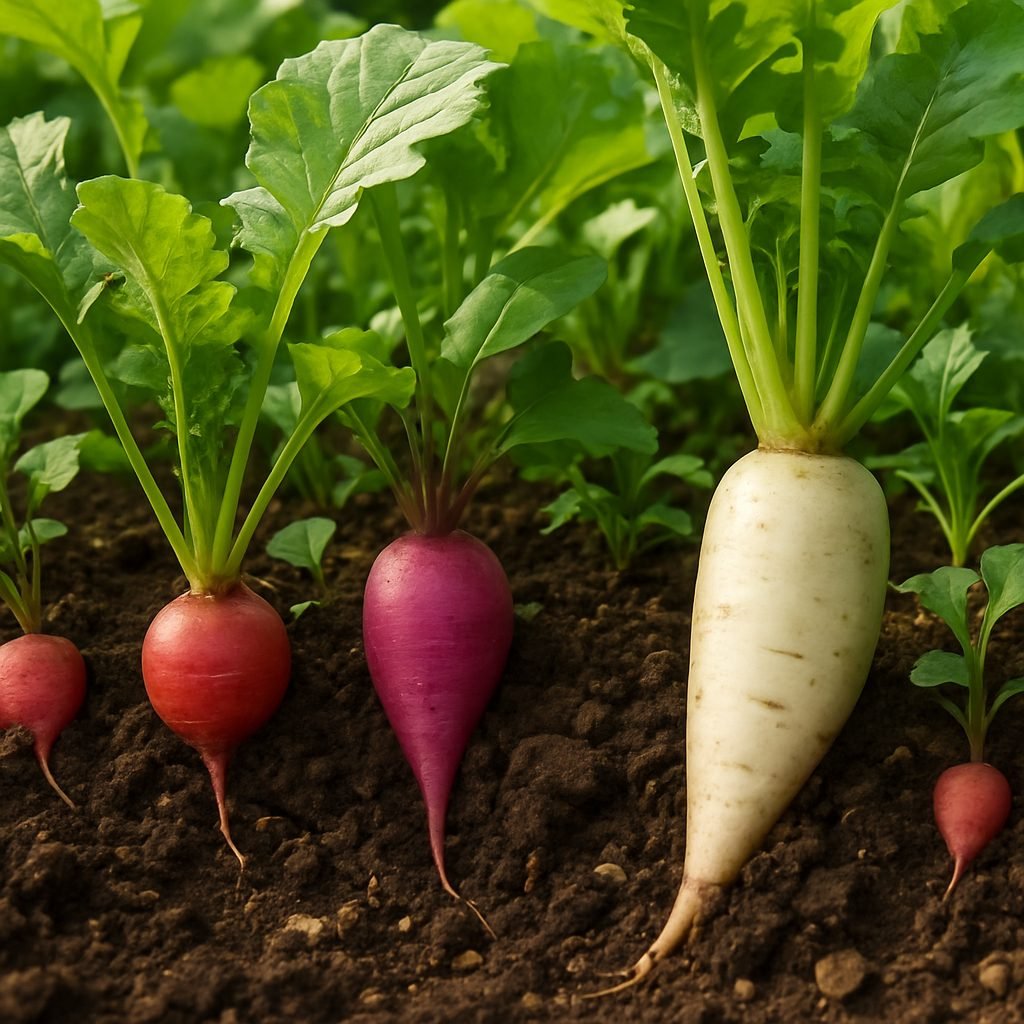
This speedy growth, paired with their ability to thrive in cool or mild weather, makes radishes a go-to crop from spring through fall, suitable for all sorts of climates and garden setups. There are two main types you’ll encounter:
- Classic garden radishes: small, round or oval, perfect sliced into salads.
- Larger daikon or winter radishes: such as the long, white Asian daikon, which require more time in the soil and offer a milder flavor.
The compact size and adaptability of common radish varieties mean you can tuck them into raised beds, containers, or even among other vegetables, while daikons need more space to reach their full potential. Whichever type you choose, radishes reward steady care—particularly with a regular watering routine that keeps the roots crunchy and sweet. Their reliability and bold flavors make radishes a staple for gardens big and small.
Choosing the Right Radish and Location
Selecting the right radish variety and planting spot can make all the difference in your harvest. Garden radishes, also called spring or summer radishes, like the classic ‘Cherry Belle’ or ‘French Breakfast,’ grow quickly—maturing in just three to four weeks—and have a crisp, mildly spicy flavor. These are best for cooler spring and fall plantings since they bolt (go to seed) and turn woody in hot weather.
In contrast, winter radishes such as daikon—or varieties like ‘Watermelon’ and ‘Black Spanish’—take longer to mature, sometimes up to two months. Winter types grow larger and offer a milder, juicier taste, making them great for soups or pickling.
If you want a quick, snappy addition to salads in early spring or late summer, stick with garden radishes. For a bigger, bulkier root to store or use in hearty winter dishes, pick a winter radish and sow in late summer for a fall harvest.
Radishes thrive in full sun but can tolerate light shade, especially as temperatures rise. Choose a spot with loose, well-drained soil rich in organic matter; raised beds or well-prepared rows make it easier for roots to expand and prevent misshapen bulbs. Avoid heavy clay or compacted ground, which can stunt the roots.
As a real-world tip, rotate your radish patch each year to prevent soil-borne diseases and keep the flavors fresh. With the right variety, timing, and location, you’ll harvest crisp, delicious radishes from your own garden with ease.
Planting Radishes from Seed
Getting your radish crop off to a strong start begins with proper soil preparation. Radishes do best in loose, well-draining soil, so break up the earth to at least 6 inches deep, removing any rocks or compacted clumps that might stunt those round roots. Enriching the bed with a little compost helps too, but avoid high-nitrogen fertilizers, which can spur leafy tops at the expense of crisp bulbs.
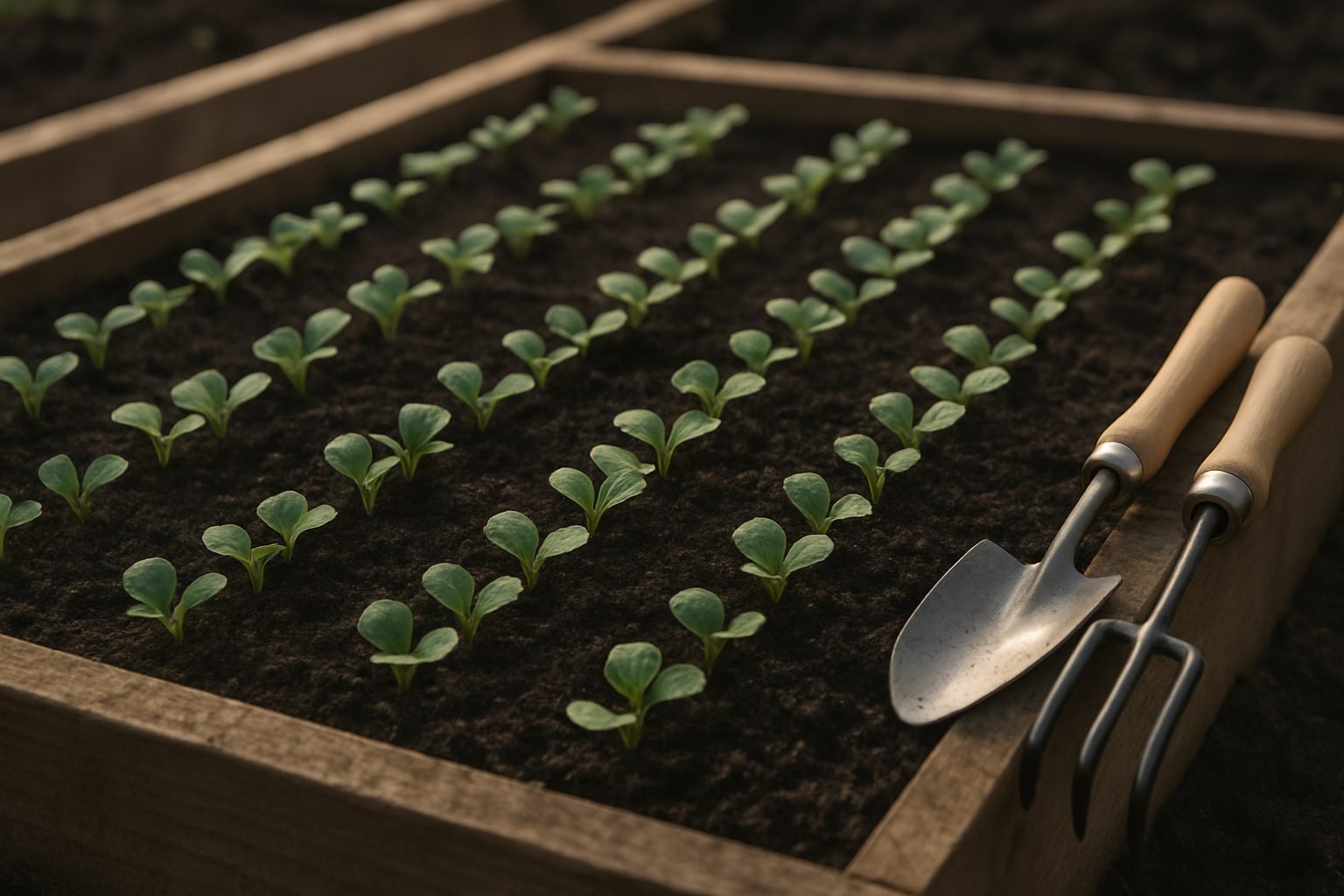
Clear out weeds before sowing, as radishes grow quickly and don’t compete well. When it comes to planting, sow seeds about half an inch deep and one inch apart, ideally in rows spaced a foot apart. This tight spacing helps maximize your harvest, but it’s important to thin the seedlings once they sprout—leave about two inches between each plant, so roots form well and don’t tangle.
For timing, direct sowing is best once the soil warms to about 50°F, often in early spring or fall, as radishes thrive in cooler weather. If you want an even earlier start, plant seeds in plug trays indoors two to three weeks before your last expected frost date, then transplant the seedlings outside when temperatures are mild.
Whether sowing directly or using trays, keep seeds and young plants lightly moist for steady germination and uniform growth—a little care in the beginning makes all the difference for fast, crunchy radishes.
Caring for Your Radishes
To keep your radishes growing strong and flavorful, consistent watering is key—aim for soil that stays evenly moist but never soggy. If the soil dries out too much, radish roots can become tough, woody, or even split, while sudden heavy watering can cause them to crack or rot. A good rule of thumb is to water lightly every couple of days, especially during dry spells, and always water at the soil level to avoid wetting the leaves, which could encourage disease.
When it comes to fertilizing, radishes are light feeders. Use a balanced fertilizer or compost early in the growth cycle, but go easy on nitrogen. Too much nitrogen results in lush leaves at the expense of the actual radish bulbs.
After seedlings emerge, thin them out to about two inches apart—crowded radishes won’t have room to form proper roots. Thinning also improves air circulation, which helps prevent fungal problems. Keeping your garden bed weed-free is equally important, as weeds compete for moisture and nutrients. Gently hand-pull weeds to avoid disturbing the shallow radish roots.
Pay attention to radish foliage: yellow or wilted leaves could signal problems with watering or pests, so inspect regularly and remove any damaged greenery. Lastly, environmental conditions matter—a cool, sunny spot with six hours of daily light helps radishes mature quickly and evenly. Avoid growing them in high temperatures or planting too late in the season, as heat and long days can cause your radishes to bolt, sending up flower stalks instead of forming tasty roots.
By giving your radishes consistent care and monitoring their needs closely, you’ll enjoy crisp, healthy harvests every time.
Preventing Pests, Diseases, and Common Problems
Keeping your garden healthy starts with a proactive approach to pests and diseases. Flea beetles and cabbage root maggots are two of the most common pests, often causing tiny holes in leaves or tunneling into roots.
Combat flea beetles by covering young plants with row covers and mulching to block their access. Introducing beneficial nematodes or sprinkling diatomaceous earth around plants can deter root maggots.
Diseases like downy mildew and clubroot strike when conditions are damp or soil is infested. To prevent downy mildew, water early in the day so foliage dries quickly, and ensure ample airflow between plants. Rotating crops each season helps avoid clubroot buildup. Also, test and lime your soil if needed to keep the pH above 7, as clubroot thrives in acidic soil.
When troubleshooting other garden woes, remember that bolting (premature flowering) is usually triggered by sudden temperature swings or stress. Opt for bolt-resistant varieties and maintain even moisture. Stunted roots may signal crowded planting or rocky soil — thin seedlings and loosen the earth before sowing.
If your veggies taste bitter or bland, it could be due to drought or harvesting at the wrong stage. Keep plants well-watered and pick crops when they’re young and tender for the best flavor.
With a handful of mindful steps, you can sidestep most common problems and enjoy a thriving, productive garden.
Harvesting and Storing Radishes
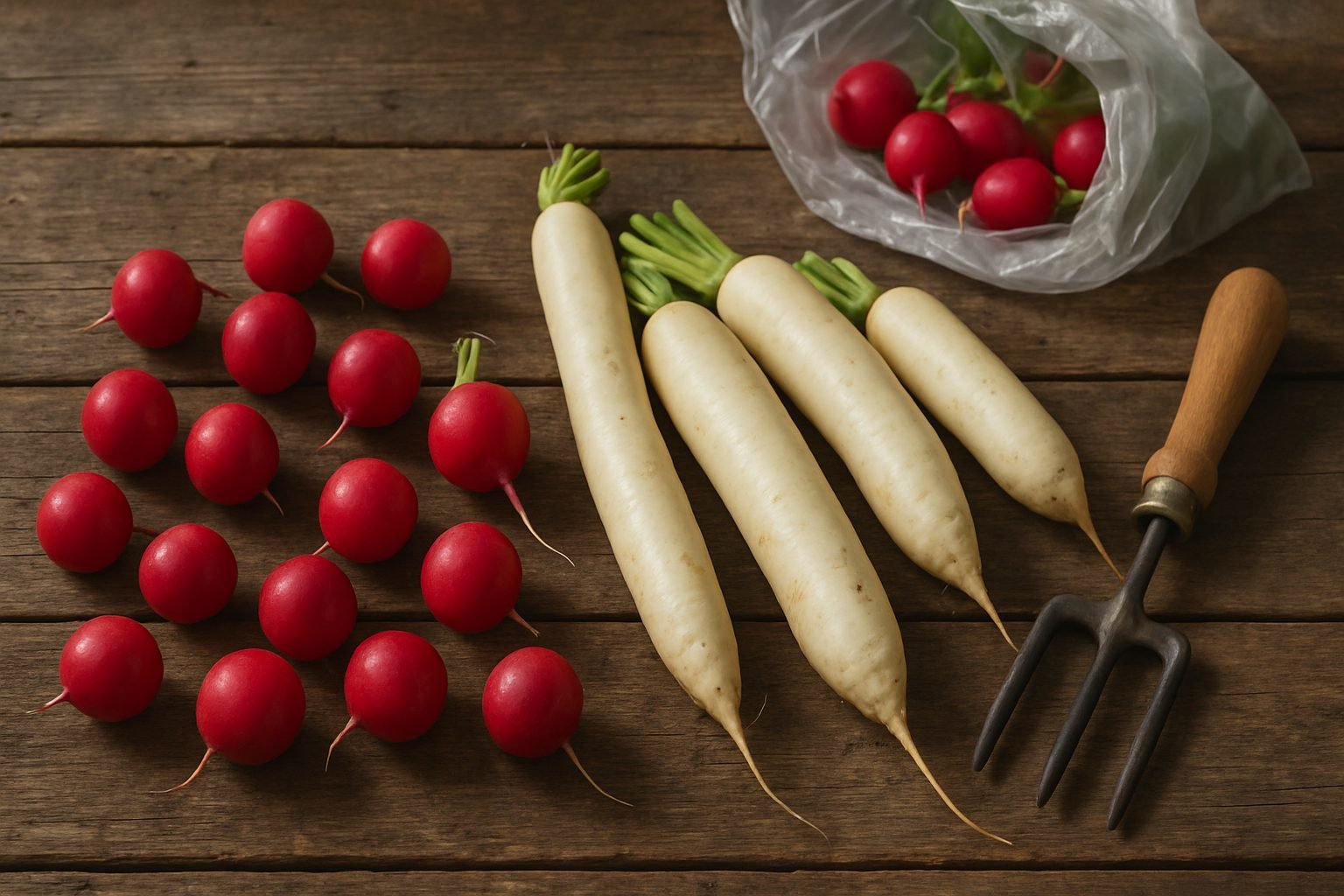
Knowing when to harvest radishes is crucial for getting that satisfying crunch and flavor. Radishes are ready when the “shoulders”—the tops of their roots—poke just above the soil and reach about one inch in diameter for most varieties, usually 3–4 weeks after planting. If left too long, radishes become woody and overly spicy, so check your crop often and pick promptly for the best quality.
When harvesting, loosen the soil gently with your hands or a small fork before pulling each radish straight up to avoid snapping the root. Tugging too hard can bruise or break them.
For short-term storage, trim off the leafy tops (they draw moisture away) and rinse the roots, then pat dry and place them in a loosely closed plastic bag in your refrigerator’s crisper drawer. This way, they’ll stay crisp for up to a week.
If you’re growing winter varieties like daikon or black radishes, store them unwashed in a cool, damp area—such as a root cellar or a perforated plastic bag in the fridge—for several weeks or even months. Always check for firmness and toss any soft or spotted roots to keep your stash fresh.
Radish Growing Tips for Year-Round Success
To enjoy a steady supply of crisp radishes, try succession sowing: plant a small batch of seeds every 7–10 days instead of planting them all at once. This simple strategy ensures you’re harvesting tender new roots throughout the season, avoiding both gluts and shortages.
Radishes also thrive in containers or small garden beds. Use a pot at least 6 inches deep filled with loose, well-draining soil, and make sure it gets full sun. When space is tight, tuck radishes in between slower-growing veggies or along the edges of raised beds. They mature in as little as 25 days, freeing up space quickly for other crops.
If your radishes grow lots of leaves but no roots, it might be too warm or the soil too rich in nitrogen—try moving them to a cooler spot or adjusting your fertilizer.
Pests like flea beetles can be deterred with row covers or by regularly watering your plants to wash bugs away.
For tailored advice, check in with your local cooperative extension office, gardening clubs, or community gardens. They often offer region-specific tips, soil testing, and plant clinics that can save you time and frustration, helping you grow the healthiest radishes possible year-round.