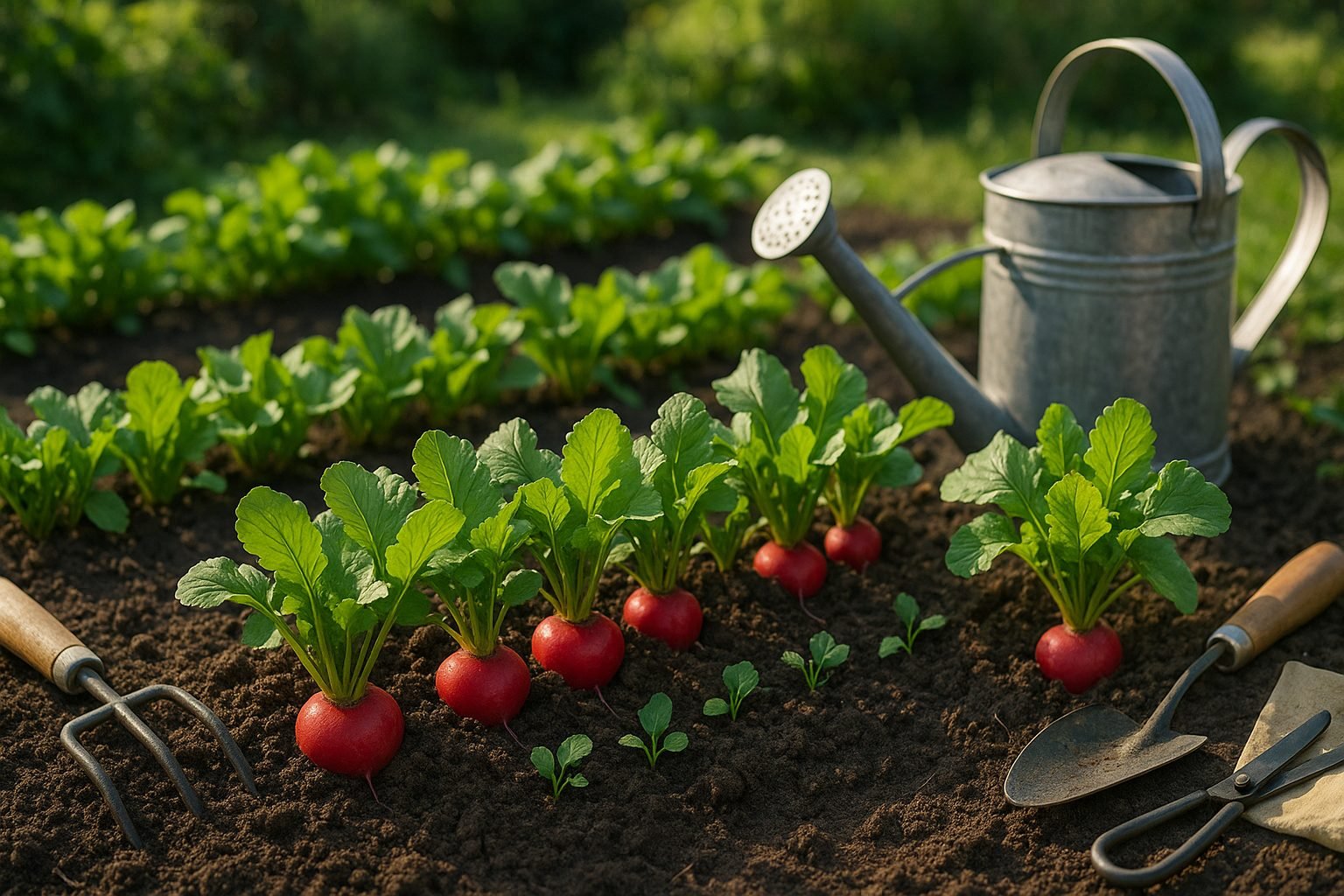
Common Reasons Radishes Don’t Grow
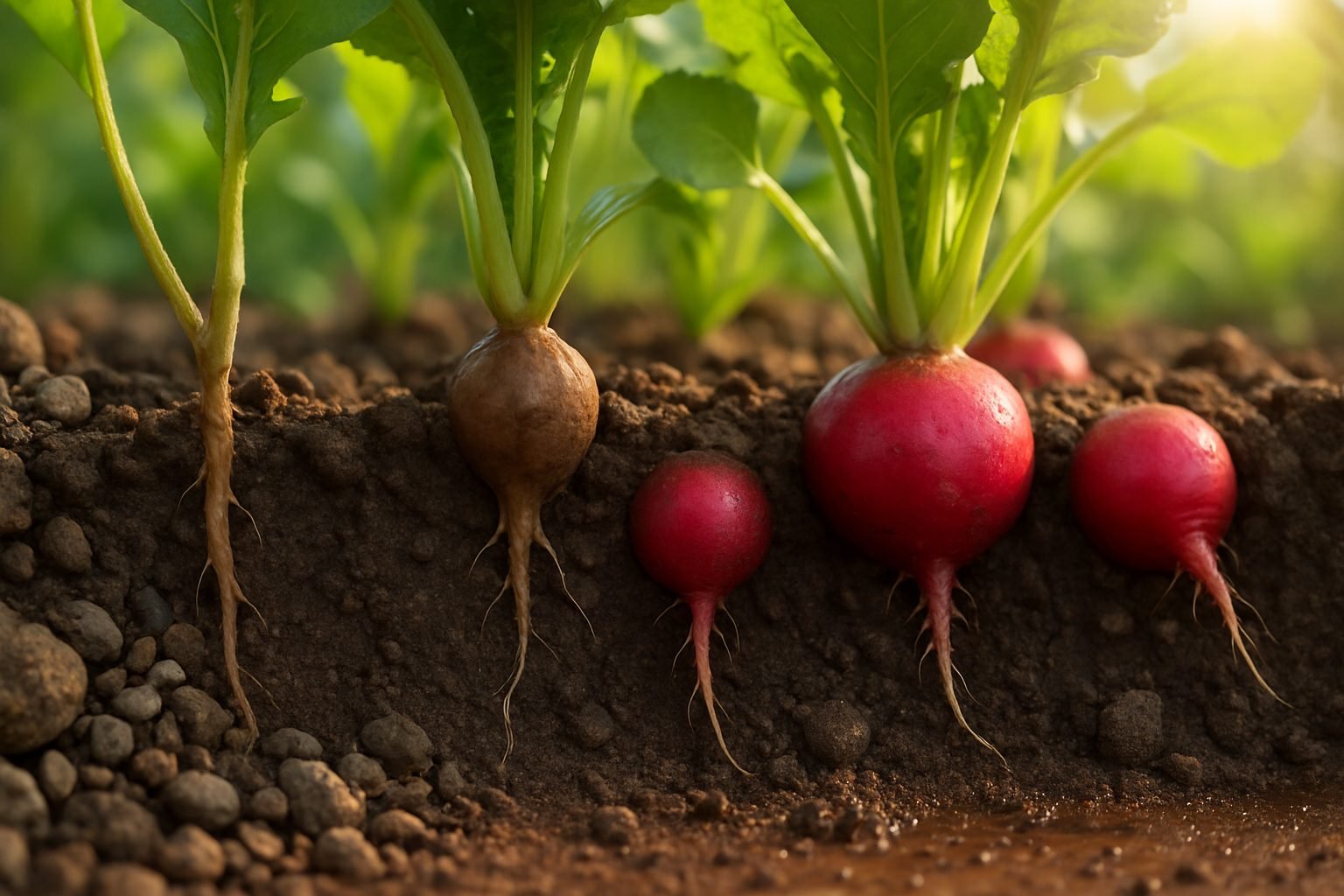
If you’ve ever faced disappointment in your vegetable patch, you might be making some of the most common radish-growing mistakes without realizing it. Radishes are famous for their speedy growth—sometimes ready to harvest in just three weeks—but that quick turnaround means any misstep can quickly derail your harvest. The usual suspects are unsuitable temperatures, poor soil quality, insufficient sunlight, and incorrect watering. These issues can leave you with tiny, woody, or even non-existent radishes.
Temperature
Let’s start with temperature: radishes prefer cool weather, ideally between 50°F and 70°F. Plant them during a heatwave, and you’ll likely get lots of leaves but no bulbs.
Soil Quality
Soil quality is key, too—radishes need loose, fertile ground to develop those crisp roots. Heavy or rocky soil can stunt their growth or cause misshapen crops.
Sunlight
Sunlight is another factor: at least six hours of direct sun is critical. Without it, your radishes will stretch, become spindly, and fail to form edible roots.
Watering
Finally, inconsistent or excessive watering spells trouble. Too little water makes the roots tough or prone to splitting; too much encourages rot or fungal diseases.
Radishes’ reputation for being “easy” can sometimes lure gardeners into overlooking their needs. But by understanding and avoiding these common mistakes, you can enjoy a reliably crisp, flavorful harvest every time. In the next sections, we’ll dig into each of these challenges—plus simple, practical fixes to keep your radishes thriving.
Soil, Spacing, and Sowing Mistakes
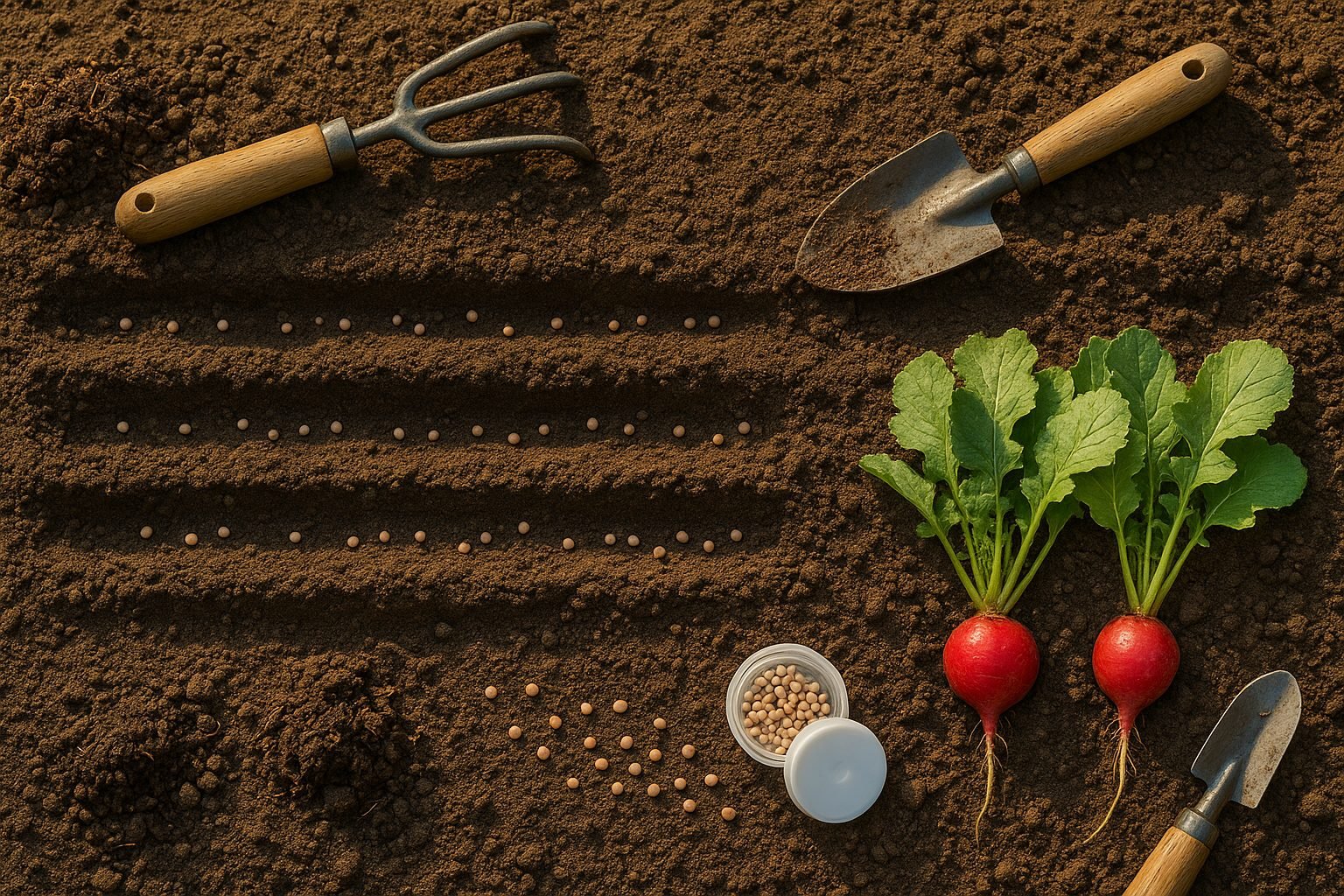
Getting soil, spacing, and sowing right is crucial for healthy radishes. Radishes need loose, well-draining soil because compacted or heavy soils make it hard for roots to expand, often leading to stunted or misshapen crops.
Before planting, break up your garden bed with a fork or tiller to about 8 inches deep and remove rocks or debris. Mix in some compost to improve texture and drainage.
When sowing, aim for a depth of about ¼ to ½ inch—planting too deeply slows germination, while sowing too shallowly can cause seeds to dry out. Space seeds about one inch apart, with rows 6 to 12 inches apart, to give each plant room to grow plump roots; overcrowding leads to tiny, bitter radishes fighting for nutrients and space.
A common mistake is uneven seed placement, which causes some radishes to crowd others, so try using a seed dispenser or pre-marked rows as a guide. After sowing, gently firm the soil and water evenly—don’t flood seeds, but keep the bed moist.
If you end up with clusters of seedlings, thin them after sprouting to the desired spacing. Avoid walking on your bed, as foot traffic compacts soil; use stepping stones if needed.
Spending a bit more effort on soil prep and careful sowing saves frustration and gives you crisp, round radishes every time.
Water and Sunlight Requirements
Getting your watering routine and sunlight exposure right is key to growing healthy, tasty radishes. Overwatering can cause soggy soil, leading to root splitting, rot, or mushy radishes—signs that roots are suffocating without enough oxygen. On the other hand, underwatering results in patchy, poor root formation and tiny, woody radishes that lack flavor.
To avoid both extremes, aim to keep soil consistently moist but never waterlogged. Check soil moisture by pressing your finger an inch into the dirt; it should feel damp but not sticky. Water early in the day so leaves dry out and roots get what they need before the sun peaks.
Radishes also crave sunlight—at least six hours of direct sun daily. Too much shade leaves you with leggy plants and underdeveloped roots, as most energy gets diverted into leaves instead of the edible bulbs. If your garden is shady, consider planting radishes in containers you can move or use reflective mulch to direct more light onto the bed. For balcony growers, position pots on the sunniest ledge and rotate them daily.
In summary, keeping a regular watering schedule—about once every three days, adjusted for rain or heatwaves—and maximizing sunlight exposure will reward you with crisp, well-formed radishes every time.
Pest and Disease Problems
Radishes are quick and easy to grow, but certain pests and diseases can hamper healthy harvests if you’re not vigilant. One of the most common radish pests is the root maggot, a small white larva that tunnels into the roots, leaving brown, mushy tracks and making the crop inedible. Flea beetles are another nuisance; these tiny black insects chew small, round holes in the leaves and can weaken young plants, stunting their growth.
Among diseases, downy mildew appears as yellow patches on the tops of leaves with fuzzy gray mold underneath, while root rot usually shows up as wilting, yellowing foliage and mushy, discolored roots—often caused by overly wet soil.
To spot problems early, look for signs like holes in leaves, stunted growth, unexpected yellowing, or rot on roots when thinning seedlings.
Preventative Practices
Preventative measures are your first defense against pests and diseases:
- Rotate crops every year
- Keep garden beds free of debris
- Ensure good air circulation by spacing radish rows properly
Organic Pest Management
To manage pests organically:
- Cover seedlings with lightweight row covers
- Sprinkle diatomaceous earth around plants to deter root maggots
- Attract beneficial insects like ladybugs, which eat flea beetles
Water the soil at the base rather than overhead to prevent fungal diseases and avoid excess moisture that can foster root rot.
By keeping your garden tidy, watching for early warning signs, and using these natural approaches, you can minimize pest and disease issues and enjoy crisp, healthy radishes all season long.
Timing, Harvest, and Radish Varieties
Planting radishes at the right time is crucial for a crisp and flavorful harvest. Radishes thrive in cool weather; if you plant them during the heat of summer, they tend to bolt—sending up flower stalks early—which makes the roots pithy and bitter instead of juicy and mild. Always check your local last frost date and aim for early spring or fall sowing, when temperatures are milder.
Don’t forget about timely harvesting, either; most radish varieties mature quickly, often in just 3 to 4 weeks. If you leave them in the ground too long, they get woody and lose their fresh, peppery taste.
Match your radish choice to the season— for example, classic ‘Cherry Belle’ and ‘French Breakfast’ are perfect for spring and fall, while larger Asian varieties like ‘Daikon’ are more tolerant of late summer planting and can be harvested into winter.
Picking the right variety and timing your planting and harvest will help you avoid common pitfalls and get the best crunch from your crop every time.
Quick Success Tips for Healthy Radishes
- Choose a sunny spot and plant radishes in loose, well-draining soil to promote healthy root growth.
- Maintain even soil moisture—water regularly but avoid overwatering, as soggy soil can cause roots to split or rot.
- Prevent pests like flea beetles by using row covers and rotating crops each season.
- Remove weeds promptly to reduce competition, and check for yellowing leaves, which may indicate nutrient deficiencies or soil problems.
- Test your soil every season to ensure it’s not too compacted and contains enough organic matter.
- Harvest radishes promptly (usually 3-5 weeks after sowing) to prevent them from becoming woody or spicy.
- Monitor your crop every few days, especially after rain or temperature changes, looking for signs of pests or disease.
- Use a garden notebook or an app to track plantings, conditions, and any issues you notice.
- Don’t worry if your first batch isn’t perfect—gardening is a learning process over time.
- Find reliable gardening resources, like your local extension office, gardening blogs, or apps like Gardenate, for tailored advice and troubleshooting support.