Introduction
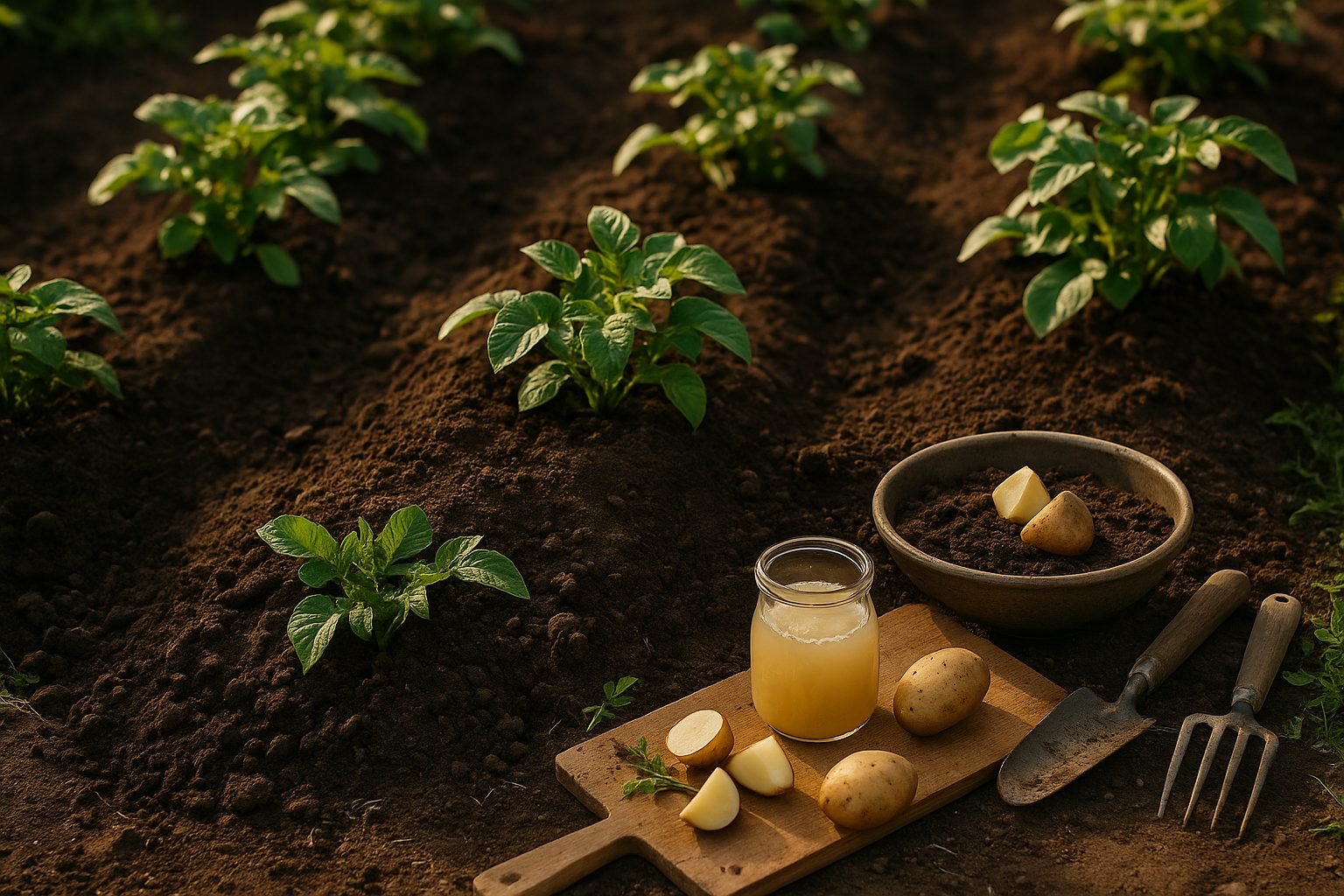
Getting potato spacing right is a game-changer if you want a robust harvest and healthy plants. It may seem like a small detail, but the distance between your potato seed pieces affects not only how many potatoes you’ll harvest but also their size and quality. When potatoes are crowded, they compete for water, nutrients, and space—resulting in smaller, sometimes misshapen tubers and a higher risk of diseases like blight.
Proper spacing improves air circulation around the plants, helping to prevent fungal issues and keeping leaves drier after rain or watering. On the other hand, spreading your potatoes too far apart can waste valuable garden space. Finding the right balance ensures healthier plants and larger potatoes at harvest time.
In this article, we’ll dive into exactly how far apart to plant potato seed pieces to maximize both yield and quality. Plus, we’ll share practical tips for applying these guidelines whether you’re growing in a backyard bed or trying containers for the first time.
Understanding Potato Seed Pieces
Potato seed pieces are sections of a potato tuber that contain at least one or two “eyes”—small, dimple-like buds from which the plant sprouts. Gardeners and farmers prefer using seed pieces instead of whole potatoes because it’s a more economical way to use certified disease-free seed potatoes, encourages strong sprouting, and generally results in a higher yield per pound of seed purchased.
To prepare potato seed pieces, start by choosing healthy, certified seed potatoes—avoid grocery store potatoes as they are often treated to prevent sprouting and may not be disease-free. Use a clean knife to cut the potato into chunks roughly 1.5 to 2 inches across, making sure each piece contains at least one well-developed eye; two or three eyes are even better.
After cutting, let the seed pieces sit in a cool, dark, well-ventilated area for about two to three days. This waiting period allows the cut edges to callous, forming a protective barrier that helps prevent rot when planted in the soil.
Common potato varieties like ‘Yukon Gold,’ ‘Red Pontiac,’ and ‘Russet’ benefit from this process. However, the size and type of potato—whether early-maturing, mid-season, or late-maturing—can affect not only preparation but also recommended potato spacing. For example, compact early varieties can be planted closer together than large, sprawling late types. Always check with your seed supplier for variety-specific advice, but following these steps will set a solid foundation for healthy potato plants.
Ideal Spacing for Planting Potato Seed Pieces
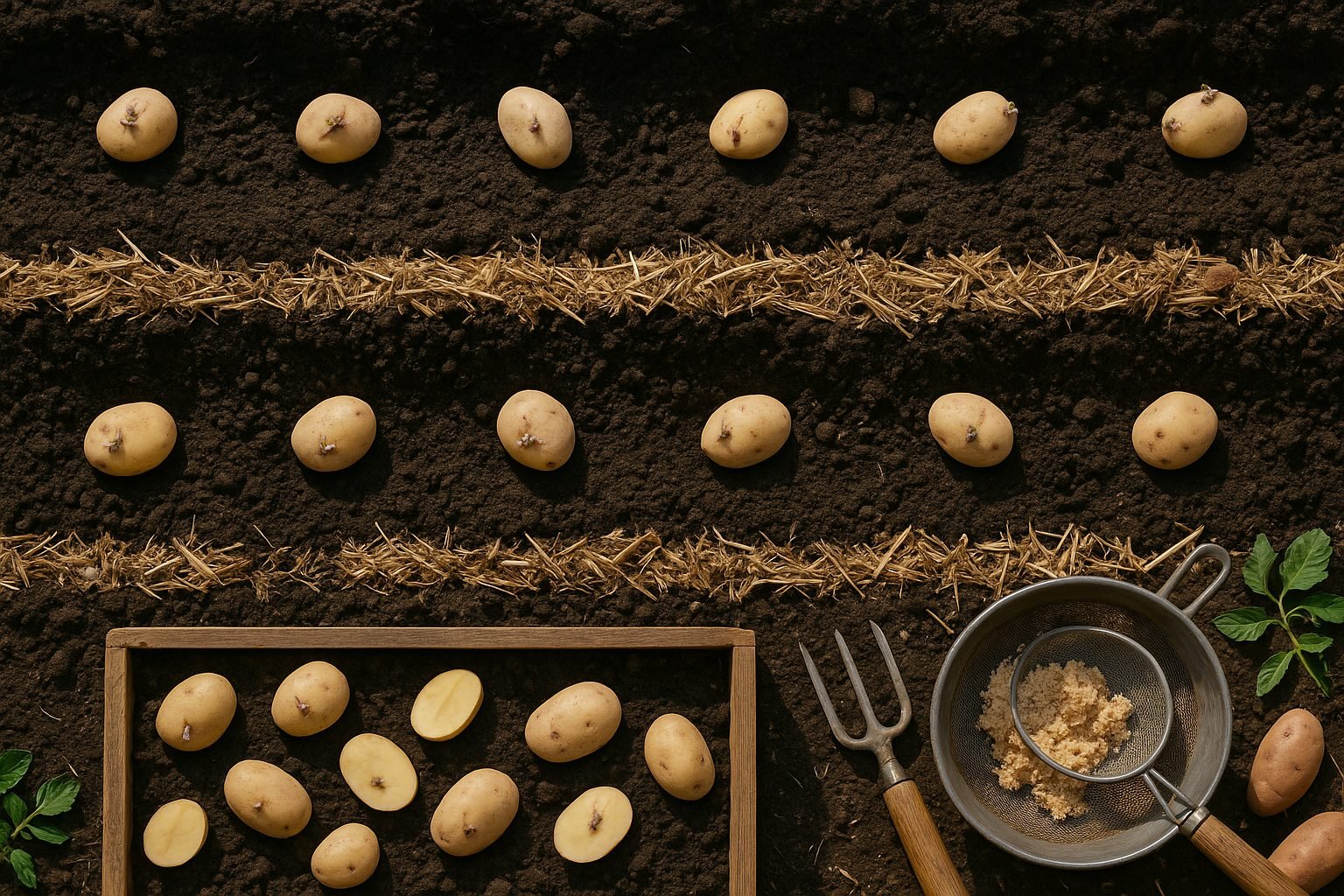
When it comes to ideal potato spacing, giving your seed pieces enough room is crucial for healthy growth and a bountiful harvest. For traditional in-ground planting or hilled rows, space each seed piece about 12 inches (30 cm) apart within the row. This distance allows each plant to develop a strong root system and produce numerous tubers, preventing overcrowding and competition for nutrients. Rows should be spaced 30 to 36 inches (75 to 90 cm) apart. This wider gap makes it easier to walk between rows for hilling soil around the stems as the potato plants grow—a technique that encourages more tuber formation—and also simplifies weeding and harvesting without damaging your potatoes.
If you’re using raised beds, you can space seed pieces slightly closer thanks to better soil drainage and fertility. In this setup, place seed pieces 10 to 12 inches (25 to 30 cm) apart in all directions, arranging them in a grid rather than straight lines. This layout maximizes the use of the bed while ensuring each plant gets enough light and airflow. For container gardening, where root spread is naturally limited, plant only two to three seed pieces in a 15- to 20-gallon (60- to 80-liter) container, keeping them at least 8 inches (20 cm) apart. Crowding too many potatoes in one pot results in smaller, stressed tubers.
Choosing the right potato spacing isn’t just about growing bigger potatoes—it also helps prevent disease by improving air circulation and makes routine tasks like watering, fertilizing, and hilling much easier. When in doubt, give your potatoes a little extra space; they’ll appreciate the room to breathe, and your harvest will benefit.
Why Proper Spacing Matters
Proper potato spacing is more than just a guideline—it’s essential for healthy, productive plants. When seed pieces are planted too close together, air circulation is limited, creating damp, humid conditions that encourage diseases like blight and rot. Fungal spores thrive in crowded patches, spreading quickly from plant to plant. Pests also find it easier to move through a dense potato bed, multiplying problems and potentially devastating your crop.
Overcrowded potatoes compete for light, water, and nutrients, resulting in smaller, misshapen tubers and weaker plants overall. Roots don’t have enough room to expand, which can stunt growth and even lead to knobbly or forked potatoes. The right spacing—usually about 12 to 15 inches between seed pieces in rows set 30 to 36 inches apart—gives each plant enough room to develop a strong root system and healthy foliage.
Well-spaced potatoes also make it easier to water deeply at the roots, lay mulch evenly, and spot early signs of disease. When it’s time to harvest, you’ll appreciate the extra space, as you can dig up your potatoes without damaging plants or missing hidden tubers. Ultimately, following proper potato spacing guidelines supports both a bountiful yield and a stress-free growing season.
Tips for Maximizing Yield in Small Spaces
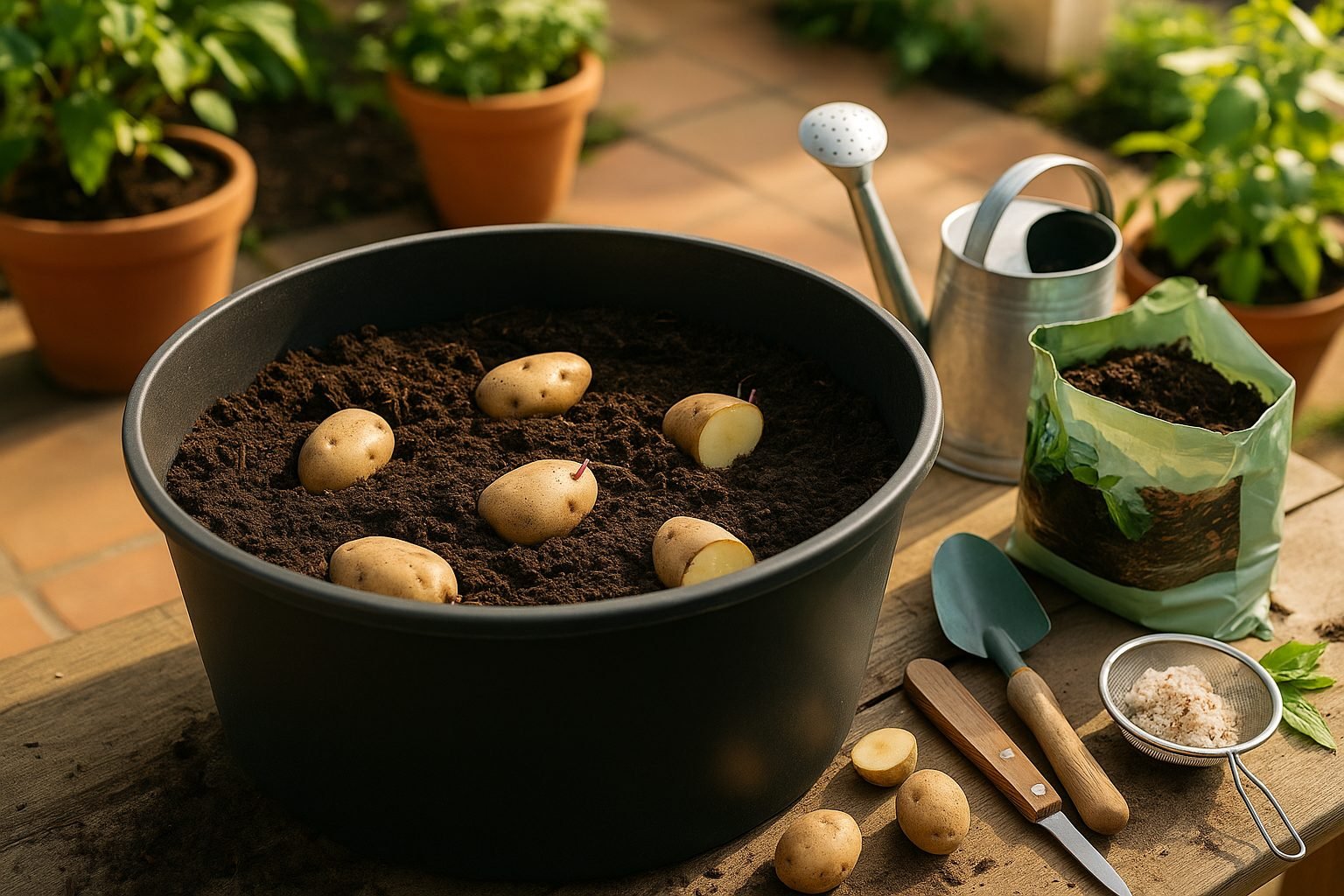
When space is limited, making the most of every square foot is crucial, and potato spacing can be adjusted to fit these conditions without sacrificing yield or plant health. In containers or grow bags, planting seed potatoes about 8-10 inches apart instead of the traditional 12-15 inches encourages robust tuber development while saving space.
For vertical towers, stacking layers of soil and seed pieces vertically allows you to use height effectively—plant pieces 6-8 inches apart per layer, ensuring enough foliage remains on the outside for sunlight.
With intensive techniques like square-foot gardening, you can grow one potato plant per square foot. Using compact or early varieties tends to produce better results in these tighter quarters.
No matter the method, use high-quality, loose soil to promote root expansion and feed plants with balanced fertilizer to offset reduced soil volume. Maximize sunlight exposure by rotating containers or towers if your area is partially shaded, and avoid overcrowding, as cramped conditions can increase the risk of blight and reduce airflow.
Harvest early potatoes or “new” potatoes as soon as they reach egg size—this frees up space for the remaining tubers to continue growing. Finally, mulch the surface with straw or shredded leaves to control moisture and weeds, supporting healthy development in confined spaces.
By creatively managing potato spacing and providing your plants with the essentials, even the smallest space can yield a surprisingly generous harvest.
Common Mistakes and How to Avoid Them
A frequent mistake new gardeners make with potato spacing is planting seed pieces too close together. This results in cramped plants and smaller tubers competing for nutrients. Similarly, planting too deeply or too shallowly can cause poor stem growth or expose potatoes to sunlight, which increases the risk of green, inedible skins.
To avoid these issues, always aim for at least 12 inches between each seed piece in the row and space rows 30–36 inches apart. This provides ample room for growth and hilling. Using a measuring tape or a stick marked at intervals can serve as a quick visual guide while planting.
When placing seed pieces in the ground, keep their eyes facing up and plant them about 3–4 inches deep—deep enough to protect them but not so deep that they struggle to break the surface. Be sure to double-check your spacing before covering with soil, especially if others are helping you plant.
As a simple pre-planting reminder, create a checklist:
- Set seed pieces at 12-inch intervals
- Confirm a 3–4 inch planting depth
- Check all rows for straightness and equal gaps
- Review spacing before backfilling
Taking these few extra minutes will set you up for healthier plants and a better harvest.
Quick Reference Guide: Potato Planting Spacing Chart
- In-Ground Planting: Space potato seed pieces 12 inches apart within rows, with rows 30–36 inches apart. This spacing allows the plants to grow large tubers and makes hilling and harvesting easier.
- Raised Bed Planting: Plant seed pieces 10–12 inches apart in all directions following a grid pattern. Leave at least 12 inches of space from the edge of the bed to support healthy root development.
- Container Planting: Use containers that are at least 16 inches wide and 16 inches deep. Plant 2–3 seed pieces evenly spaced per container, allowing about 6–8 inches between each piece.
Following these simple potato spacing guidelines helps maximize your harvest and reduces disease risk by promoting strong, well-ventilated growth. Whether you have a backyard plot, a raised bed, or just a few pots, keeping these spacing tips in mind will set you up for a bumper crop.
Conclusion & Next Steps
Proper potato spacing is key to a healthy, productive garden, ensuring each plant has enough room to develop strong tubers, access nutrients, and resist diseases caused by overcrowding. Giving your potato seed pieces the space they need sets the stage for a fruitful harvest and fewer headaches down the road.
Before you start digging, take some time to plan your garden layout and prepare the soil with compost or organic matter—these steps can make all the difference. As you finalize your planting plans, consider exploring topics like potato fertilization techniques, crop rotation, and ongoing care throughout the growing season. These tips will help you maximize your efforts and enjoy bountiful, delicious crops year after year.