Introduction
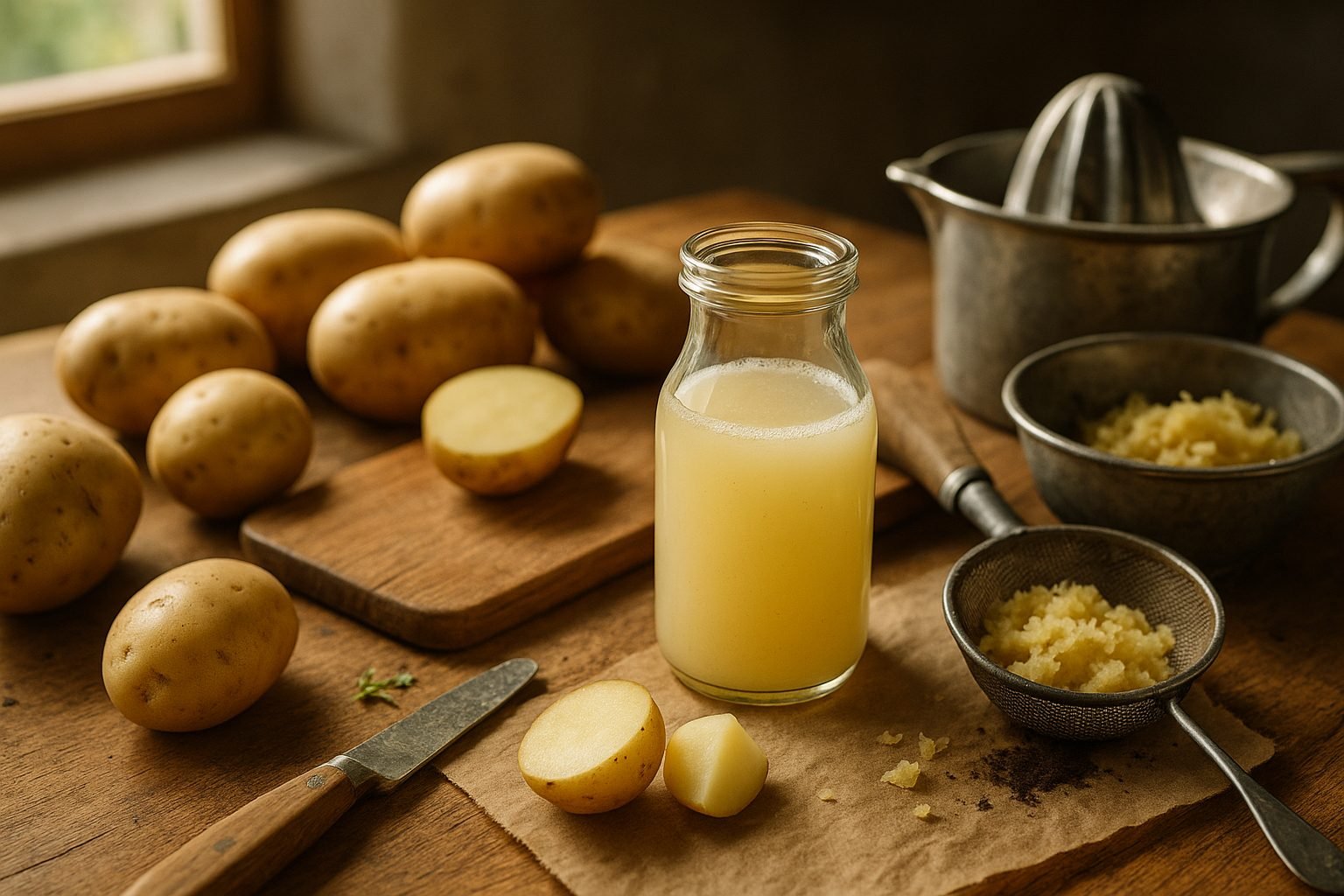
potato juice benefits have been gaining plenty of attention lately, with raw potato juice emerging as a surprising wellness trend among health enthusiasts. It might sound unconventional, but this humble tuber—when pressed into juice—offers some interesting advantages that have caught the interest of people looking for natural remedies to support digestion, soothe inflammation, or even brighten their skin.
But what exactly does potato juice do for your body, and is it really safe to add it to your daily juicing or smoothie routine? In this article, we’ll explore what makes potatoes such a nutrient powerhouse—packed with vitamin C, potassium, and important antioxidants—and highlight the potential benefits of including potato juice in your diet.
We’ll also cover the best ways to prepare raw potato juice safely, since raw potatoes can carry certain risks if not handled properly. Plus, we’ll share practical tips and recipe ideas for getting the most out of potatoes in both juices and smoothies.
While potatoes can offer real nutritional perks, it’s important to remember that moderation and a balanced approach work best when trying new wellness trends. Let’s dig into the true benefits of potato juice and how you can enjoy them safely at home.
Nutritional Value & Health Benefits of Potato Juice
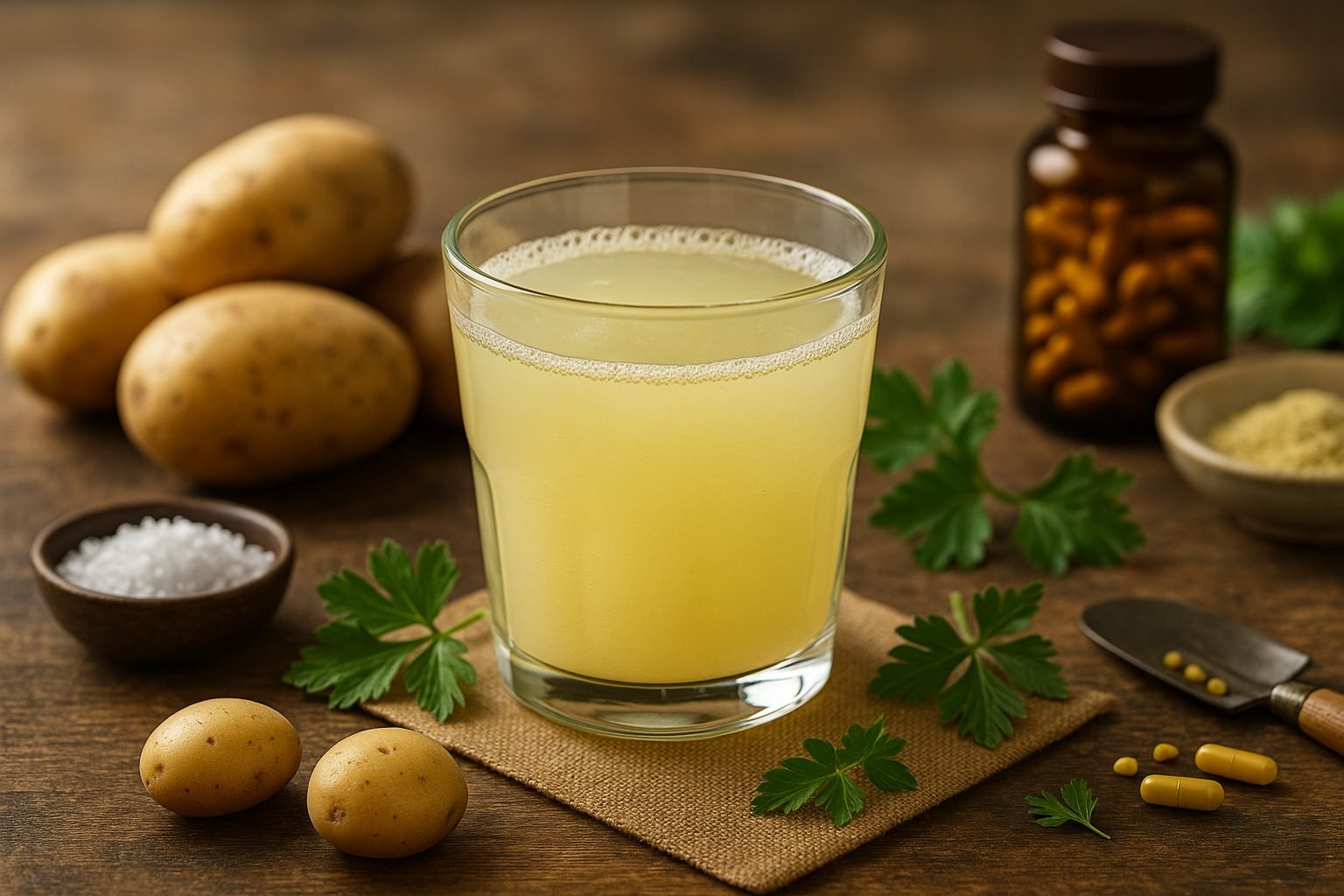
Potato juice might not be a staple in everyone’s kitchen, but it’s packed with nutrients that offer surprising health benefits. Fresh potato juice is an excellent source of vitamin C, an antioxidant vital for immune system support and skin health, as well as potassium, which helps maintain healthy blood pressure and supports proper muscle and nerve function.
It also contains iron, important for blood health and preventing fatigue, plus phytonutrients and antioxidants that help combat oxidative stress in the body. Many natural health advocates praise potato juice for its potential to soothe digestive discomfort—its alkaline nature may help neutralize stomach acid, making it a gentle remedy for heartburn and gastritis.
Some people even use it to support regularity and gut health, since raw potato juice contains resistant starch, which can act as prebiotic fiber for good bacteria. Thanks to its naturally occurring antioxidants, such as flavonoids and carotenoids, potato juice has shown mild anti-inflammatory effects that could be helpful for joint health.
People with circulatory concerns may benefit from the juice’s potassium and iron content, which work together to support healthy blood flow and oxygen transport. Additionally, there’s some evidence that compounds in potato juice may help with blood sugar regulation by decreasing insulin resistance—though it’s important not to overdo it, since too much starch may spike blood sugar in susceptible individuals.
Potatoes are naturally alkaline, so drinking their juice can also help balance the body’s pH if your diet is high in acid-forming foods. When trying potato juice, always use fresh, raw potatoes, and be sure to avoid any green or sprouted tubers to reduce the risk of toxins.
While potato juice is no magic cure, incorporating it thoughtfully into your diet can give you a concentrated dose of nutrients with a range of health perks.
Potato Juice for Skin and Hair Health
Potato juice might seem like an unlikely beauty elixir, but it’s packed with vitamins, minerals, and antioxidants that can benefit your skin and hair in surprising ways.
When applied to the skin, potato juice’s natural bleaching agents and high vitamin C content may help lighten dark spots, reduce pigmentation, and gently fade stubborn under-eye circles. Many people dab a cotton pad in fresh potato juice and apply it to target areas for 10–15 minutes before rinsing, making it an easy addition to your nightly routine.
For those struggling with eczema or irritated skin, the anti-inflammatory and calming properties of potato juice can bring welcome relief. Simply apply the juice to affected areas to reduce redness and itching without harsh chemicals.
Potato juice also deserves a place in your hair care toolkit. Its starchy nutrients can help strengthen hair follicles, making hair less prone to breakage. Massaging potato juice into your scalp and rinsing after 20 minutes is said to give hair a healthy shine while tackling dandruff thanks to its soothing and antimicrobial qualities.
Some even use it regularly to slow the appearance of premature greying, as the antioxidants in potatoes may help protect natural hair pigment. For an easy hair mask, mix potato juice with aloe vera or honey and apply from roots to tips—you’ll notice a softer texture and renewed luster without resorting to expensive salon treatments.
While results may vary, adding potato juice to your beauty regimen is a budget-friendly and natural way to address common skin and hair concerns at home.
Digestive & Internal Health Benefits
Potato juice has been gaining attention as a gentle remedy for various digestive and internal health concerns, especially for people struggling with gastritis and acid reflux. Thanks to its natural alkalinity, drinking fresh potato juice can help neutralize excess stomach acid, providing notable relief from the burning and discomfort of acid reflux.
Many people with gastritis, a condition marked by inflammation of the stomach lining, have found that sipping diluted potato juice before meals helps calm irritation. This effect likely comes from its ability to coat and soothe the stomach lining while regulating acidity.
Aside from its digestive benefits, potato juice is also thought to act as a mild, natural cleanser for the liver and the entire digestive tract. Its blend of antioxidants, vitamin C, and enzymes supports the body’s detox processes, promoting smoother digestion and helping to flush out toxins.
Beyond digestive health, potato juice may provide relief for those battling arthritic pain or gout—two common conditions linked to inflammation and high uric acid levels. Potato juice contains anti-inflammatory properties and is believed to help reduce uric acid build-up, which can, in turn, alleviate swelling and joint pain.
For best results, use organic potatoes, wash them thoroughly, and consume the juice fresh (and in moderation) to minimize the risk of any adverse effects. Remember that while many find it beneficial, potato juice should complement—not replace—medical treatment for chronic digestive or inflammatory conditions. It’s always wise to consult your healthcare provider before trying a new remedy.
Safety Considerations & Possible Side Effects
Potato juice can offer unique health benefits, but safety is key—especially since raw potatoes naturally contain solanine, a toxin that can cause nausea, vomiting, headaches, or even more serious symptoms if consumed in large amounts. Green potatoes have the highest levels of solanine and should never be juiced or eaten raw. Always choose fresh, firm potatoes without green spots or sprouts; Yukon Gold and Russet varieties are among the safest choices for juicing.
People with certain health conditions, such as diabetes, kidney problems, or gastrointestinal disorders, should avoid potato juice due to its glycemic impact and the potential to worsen symptoms. Pregnant or breastfeeding women, young children, and anyone with known allergies to potatoes should also skip juicing to be on the safe side.
If you’re taking medications like beta-blockers or blood pressure drugs, consult your doctor first, as the potassium content in potato juice could interact with these medications.
To prepare potato juice safely, peel the potatoes, remove any sprouts or green areas, and juice only a moderate amount—about half a cup per day for adults is typically considered safe. Drink it immediately to preserve nutrients and reduce the risk of bacterial growth.
As with any new addition to your diet, start slowly, monitor your body’s response, and discontinue use if you notice any adverse reactions. This careful approach helps you enjoy potato juice’s potential benefits while minimizing risks.
How to Make and Use Raw Potato Juice
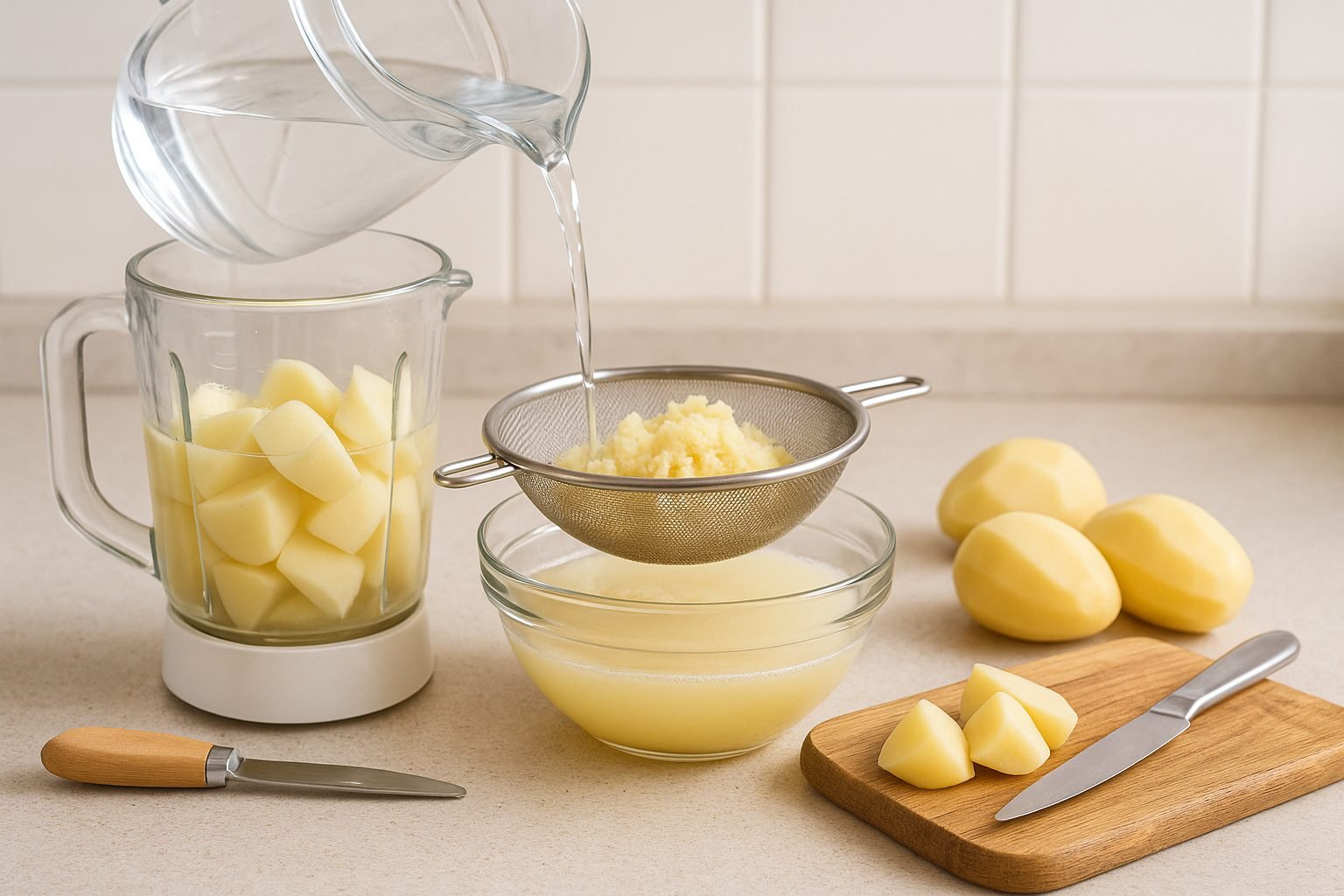
To make raw potato juice, start by selecting firm, blemish-free potatoes—Yukon Gold or Russet varieties work well. Rinse them thoroughly under running water to remove dirt and pesticides, then peel the skin to reduce exposure to any residual chemicals. Chop the potatoes into chunks and place them in a juicer or blender; if using a blender, add a little water to help liquify. Strain the mixture through a fine mesh sieve or cheesecloth to extract pure juice, discarding the remaining pulp.
For drinking, consume potato juice in small quantities—about two tablespoons at a time—since too much can upset your stomach. You can mellow the taste and boost health benefits by mixing it with carrot, apple, or celery juice.
Potato Juice for Skincare
Potato juice is a natural toner; dab it on your face with a cotton pad to brighten dark spots and soothe inflammation. For a DIY brightening face pack, mix it with a tablespoon of honey and a dash of lemon juice. Apply the mixture for 15 minutes, then rinse off.
Potato Juice for Haircare
Massage fresh potato juice into your scalp to help with dandruff and promote hair growth. Let it sit for 30 minutes before washing with a mild shampoo.
Whether using potato juice for health drinks or beauty remedies, always use freshly squeezed juice and patch-test it on your skin to check for sensitivity.
Conclusion
In summary, raw potato juice can offer potential benefits like improved digestion, reduced inflammation, and a helpful boost of nutrients. However, it’s crucial to take safety measures, such as thoroughly washing and peeling potatoes to avoid toxins like solanine, and consuming only small, recommended amounts.
Drinking raw potato juice isn’t suitable for everyone, so before adding it to your routine, talk to your healthcare provider—especially if you have any health conditions or take medications. Your doctor can help you decide if it’s a safe and effective choice for your needs.
Have you tried raw potato juice or are you considering it? Share your experiences or questions in the comments below—your story might help others who are curious about this natural remedy.