Introduction to Growing Purple Potatoes
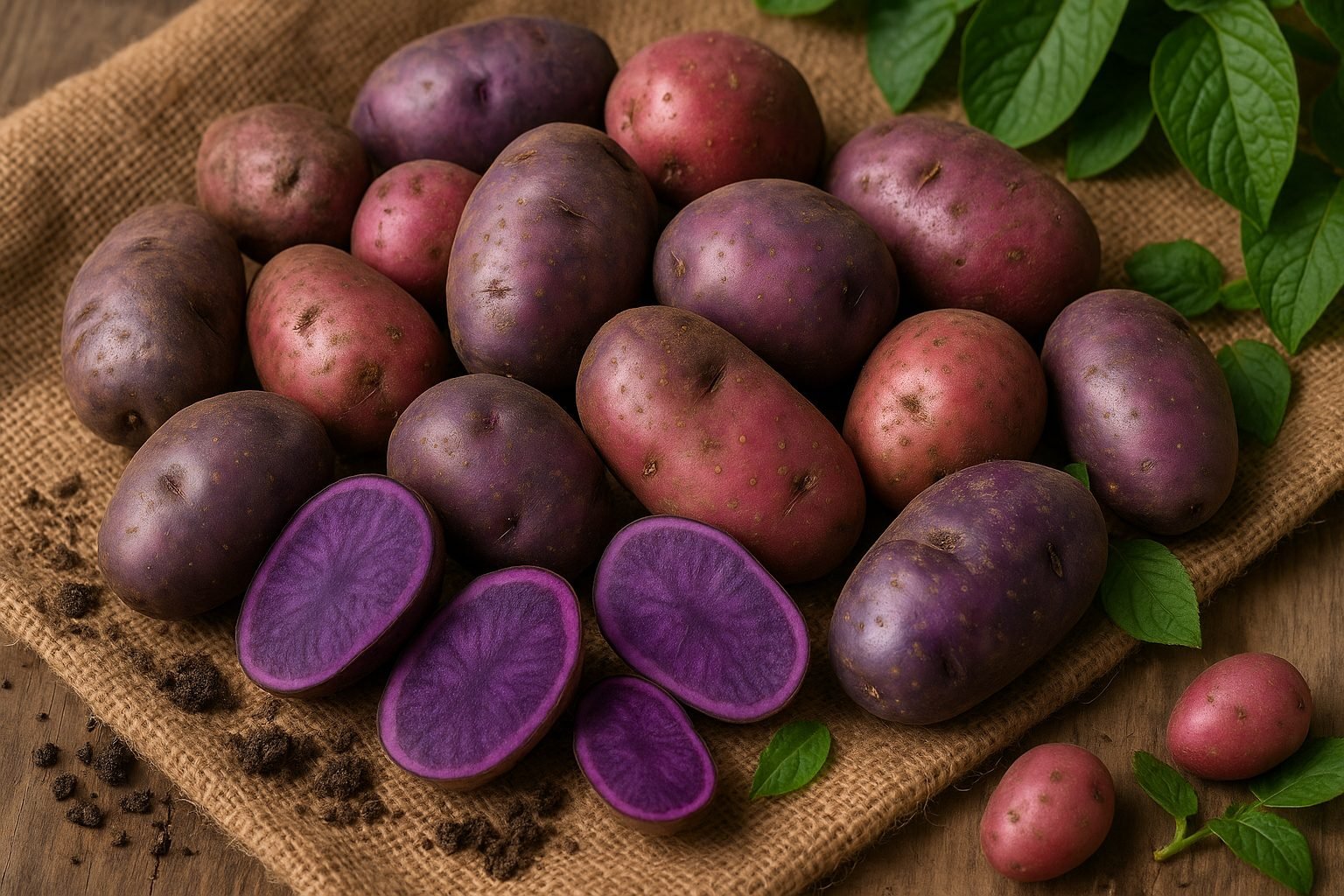
If you’ve ever wanted to add a splash of vibrant color and powerful nutrition to your plate, you’re not alone—many home gardeners are eager to learn how to grow purple potatoes. These striking tubers are more than just a feast for the eyes; their deep, jewel-like hues signal a high level of antioxidants, especially anthocyanins, which offer impressive health benefits. Beyond their looks, purple potatoes deliver a subtly nutty, earthy flavor that sets them apart from their conventional white and yellow cousins. Chefs have taken notice, often showcasing them for dramatic effect in gourmet dishes—from rustic roasted mixes to elegant purees.
Growing purple potatoes at home is becoming increasingly popular—and for good reason. Not only do they thrive in a variety of climates, but they’re also a fun and rewarding addition to any vegetable patch. Whether you have a spacious backyard garden or are working with a few containers on a sunny balcony, cultivating your own crop opens the door to fresh, unique produce that grocery stores may not always stock. Homegrown purple potatoes often surpass store-bought ones in flavor and texture, and it’s extremely satisfying to harvest your own colorful bounty.
Ready to dig in? In this guide, we’ll walk you through everything you need to know to successfully grow purple potatoes at home. You’ll discover how to choose the best seed potatoes, prepare your planting area, and provide the right care as your spuds develop. We’ll also unpack tips for disease prevention, maintenance, and harvesting, so you can maximize your yield and enjoy the full spectrum of flavors and nutrition these beauties offer. Whether you’re new to gardening or a seasoned grower looking to try something different, purple potatoes are worth the effort—and the harvest is sure to impress both your taste buds and your dinner guests.
Purple Potato Varieties and Their Characteristics
Purple potatoes are a vibrant and nutritious addition to any meal, offering a unique twist beyond the classic white or yellow varieties. Among the most popular are Okinawan Sweet Potatoes, Purple Majesty, and Blue Congo, each bringing its own appeal to the table.
Okinawan Sweet Potatoes
Despite its name, the Okinawan Sweet potato hails from the Americas but is commonly grown in Hawaii. It features creamy, off-white skin and strikingly purple flesh. Its subtly sweet, nutty flavor makes it a favorite for desserts and mash. This variety thrives in warm, well-drained soil and requires a relatively long growing season.
Purple Majesty
Purple Majesty potatoes have deep purple skin and flesh that retains its bold color even after cooking. Their earthy, slightly nutty taste works well in roasted dishes, salads, or simply as colorful fries. These potatoes mature fairly quickly and are suitable for cooler climates, making them a practical choice for many home gardeners.
Blue Congo
Blue Congo potatoes, sometimes called Congo or Purple Peruvian, display dark, almost blue-purple skin and rich purple flesh. Their texture is waxy and firm, ideal for boiling or making vibrant potato salads where the color remains intense. Unlike the more widely adaptable Purple Majesty, Blue Congo prefers cooler temperatures and grows best in temperate regions.
Growing Tips for Purple Potatoes
If you’re thinking about growing purple potatoes at home, remember that most varieties benefit from loose, well-aerated soil to allow for proper tuber development and richer color.
Flavor and Nutritional Benefits
Visually, their deep purple hues can turn any ordinary dish into a showpiece, while their naturally occurring antioxidants give them a nutritional edge. Whether you’re roasting, baking, or boiling, experimenting with these purple varieties brings striking color to the plate along with new flavors and textures that are sure to impress both family and guests.
Preparing to Grow—Soil, Location & Planting Times
Purple potatoes thrive best in loose, well-draining soils rich in organic matter, such as sandy loam or loamy soils. Heavy clay or waterlogged ground can stunt growth and increase the risk of disease, so be sure to mix in compost, peat moss, or well-rotted manure to improve fertility and drainage.
Aim for a slightly acidic to neutral soil pH between 5.0 and 6.5, as this encourages healthy tuber development and reduces the chance of common scab. You can use inexpensive soil testing kits from garden centers to check your soil’s pH and adjust it as needed using amendments like elemental sulfur to lower pH or agricultural lime to raise it.
Choosing the Right Location
Select a spot that receives full sun for at least 6 to 8 hours a day—purple potatoes need plenty of light to develop their vivid color and robust flavor. Avoid low-lying areas where water may pool after heavy rains. If perfect drainage isn’t possible, consider growing potatoes in raised beds or large containers with ample drainage holes to prevent soggy roots.
Planting Times
Planting time depends on your climate:
- In temperate zones (USDA zones 4–7), plant slips or seed potatoes 2 to 4 weeks before your last expected frost, once soil temperatures consistently stay above 50°F (10°C).
- In warmer climates (zones 8–10), late winter or early spring planting is ideal, though some gardeners plant a fall crop by midsummer.
Selecting Seed Potatoes
Always use certified disease-free seed potatoes or slips instead of grocery store tubers, which can carry pathogens or may not sprout well. Look for quality purple varieties like ‘Purple Majesty’ or ‘All Blue’ from trusted suppliers such as Seed Savers Exchange, Johnny’s Selected Seeds, or your local cooperative extension.
Ordering early in the year helps ensure the best selection and healthiest starts for a bountiful, colorful harvest.
How to Plant Purple Potatoes
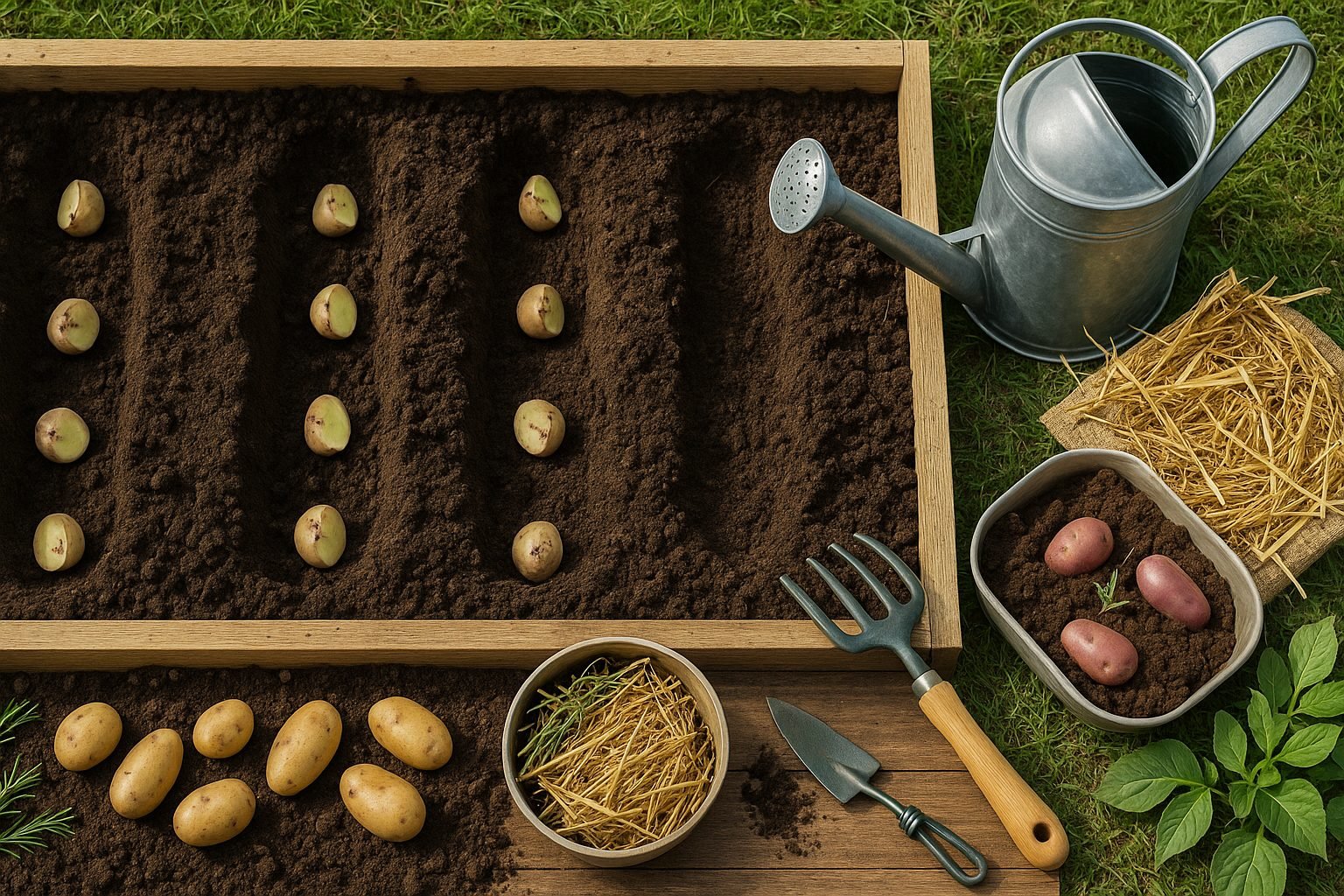
To start planting purple potatoes, first select healthy seed potatoes—small, certified disease-free tubers specifically meant for planting. Cut larger potatoes into chunks, making sure each piece has at least two eyes (the small dimpled sprouts). Let these cut pieces sit out for two to three days in a cool, well-ventilated area. This curing process helps the cut sides form a protective skin, reducing the risk of rot once planted.
When you’re ready to plant, dig trenches about 3-4 inches deep. Space your seed pieces 12 inches apart within the row, and leave 24-36 inches between rows to allow room for growth and easy access. For raised beds or containers, use a similar depth and spacing—ensure your container is at least 12-15 inches deep and has drainage holes.
Place the cut side down with the eyes facing up, then cover them with soil. As the shoots grow, regularly mound additional soil or straw around the stems to encourage more tuber development and prevent green, sun-exposed potatoes.
Remember, purple potatoes thrive in well-draining, loose soil. Whether you’re using a container, raised bed, or garden soil, ensure the soil is rich in organic matter and not overly compacted. A mix of compost and garden soil works well for containers and raised beds. Water consistently so the soil stays moist but not soggy.
If you have limited space, try growing just a few seed potatoes in a deep pot and gradually add soil as the plants grow taller. This not only saves space but can make for a fun harvesting experience—especially for kids!
Care and Maintenance Throughout the Growing Season
Caring for potato plants throughout the growing season is straightforward if you stick to a few key routines. Water your potatoes deeply once or twice a week, aiming for about 1-2 inches of water. Try to keep the soil consistently moist but not soggy—using a soaker hose or drip irrigation helps prevent leaf diseases caused by wet foliage.
Early in the season, apply a thick layer of straw, shredded leaves, or grass clippings as mulch. This helps retain soil moisture, keeps weeds at bay, and protects young tubers from sunlight, which can turn them green and toxic.
Fertilize with a balanced, low-nitrogen fertilizer after planting and again at tuber formation. Avoid over-fertilizing with nitrogen, as this leads to leafy plants but fewer potatoes.
For weeding, hand-pull unwanted growth weekly, especially before mulching. Check after heavy rain, when weeds tend to sprout more quickly.
Common pests like Colorado potato beetles and aphids can be picked off by hand or controlled with insecticidal soap. Check leaves weekly, especially their undersides where pests like to hide.
Blight and scab are the most common diseases. Reduce future problems by rotating crops yearly and removing any infected plants promptly. To minimize work, select disease-resistant potato varieties and plant in well-drained soil with plenty of sunlight.
If you notice yellowing leaves or stunted growth, check for poor drainage, compacted soil, or overwatering, and adjust care accordingly.
Healthy, productive potatoes need attention but not constant supervision—spend just 10 minutes twice a week to check for problems, and you’ll keep your harvest on track with minimal fuss.
Harvesting and Storing Your Purple Potatoes
Knowing when to harvest your purple potatoes is key to getting the best texture and flavor. Look for signs like yellowing and dying back of the foliage—usually a couple of weeks after flowering—as your cue that tubers have matured.
To avoid damaging your crop, use a garden fork or shovel to gently loosen the soil around the plant, then lift the potatoes carefully by hand instead of digging blindly, which can nick their skins. Once harvested, brush off excess dirt, but don’t wash the potatoes yet, as moisture can invite rot.
For best shelf life, cure your purple potatoes in a single layer in a cool, dark, and well-ventilated space (like a garage) for about 10 days; this toughens their skins and helps heal minor scrapes. After curing, only store dry, undamaged potatoes—avoid any with green spots or cuts.
Keep them in breathable containers like paper bags, baskets, or cardboard boxes rather than plastic, and stash them somewhere dark, cool (ideally 45-55°F or 7-13°C), and humid. Avoid storing potatoes in the fridge, as the cold turns their starches to sugar, affecting flavor and texture.
Check your stash every few weeks, removing any soft or sprouting spuds to prevent spoilage from spreading. Following these steps helps your vibrant purple potatoes stay fresh for months, letting you enjoy their nutty flavor and lovely color long after harvest.
Cooking and Enjoying Purple Potatoes
Purple potatoes are not only striking on the plate but also rich in antioxidants and essential nutrients, making them a smart and colorful choice for your meals. To showcase both their vibrant hue and health benefits, try roasting purple potatoes with a drizzle of olive oil, garlic, and rosemary. Roasting helps preserve their color and creates a crispy texture that’s irresistibly delicious.
Another easy option is to make a purple potato salad—boil the potatoes just until tender, then toss with a light vinaigrette, fresh herbs, and a sprinkle of crumbled feta for a dish that’s as beautiful as it is tasty. For a lunchtime twist, slice them thin and bake as chips, seasoning with sea salt and smoked paprika for a satisfying, crunchy snack.
To retain the vivid purple color, cook the potatoes with their skins on and avoid overcooking, as too much heat and water can cause the color to fade. Adding a splash of vinegar or lemon juice to boiling water can also help enhance and lock in their natural pigmentation.
No matter which recipe you choose, purple potatoes are an easy way to make everyday dishes more exciting and nutritious—just remember to use gentle cooking methods that highlight their unique qualities.