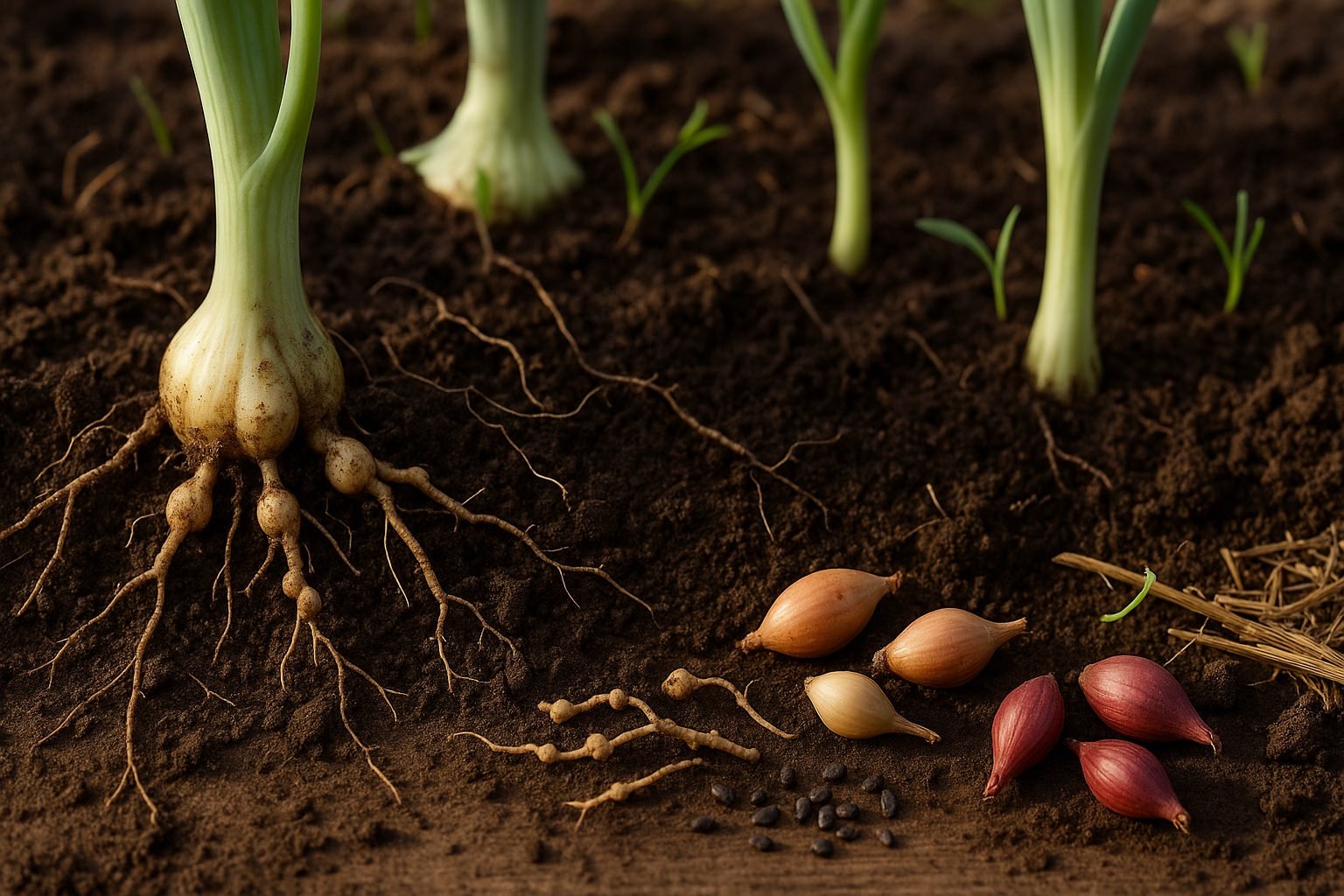
Introduction to Onion Root Knot Nematode
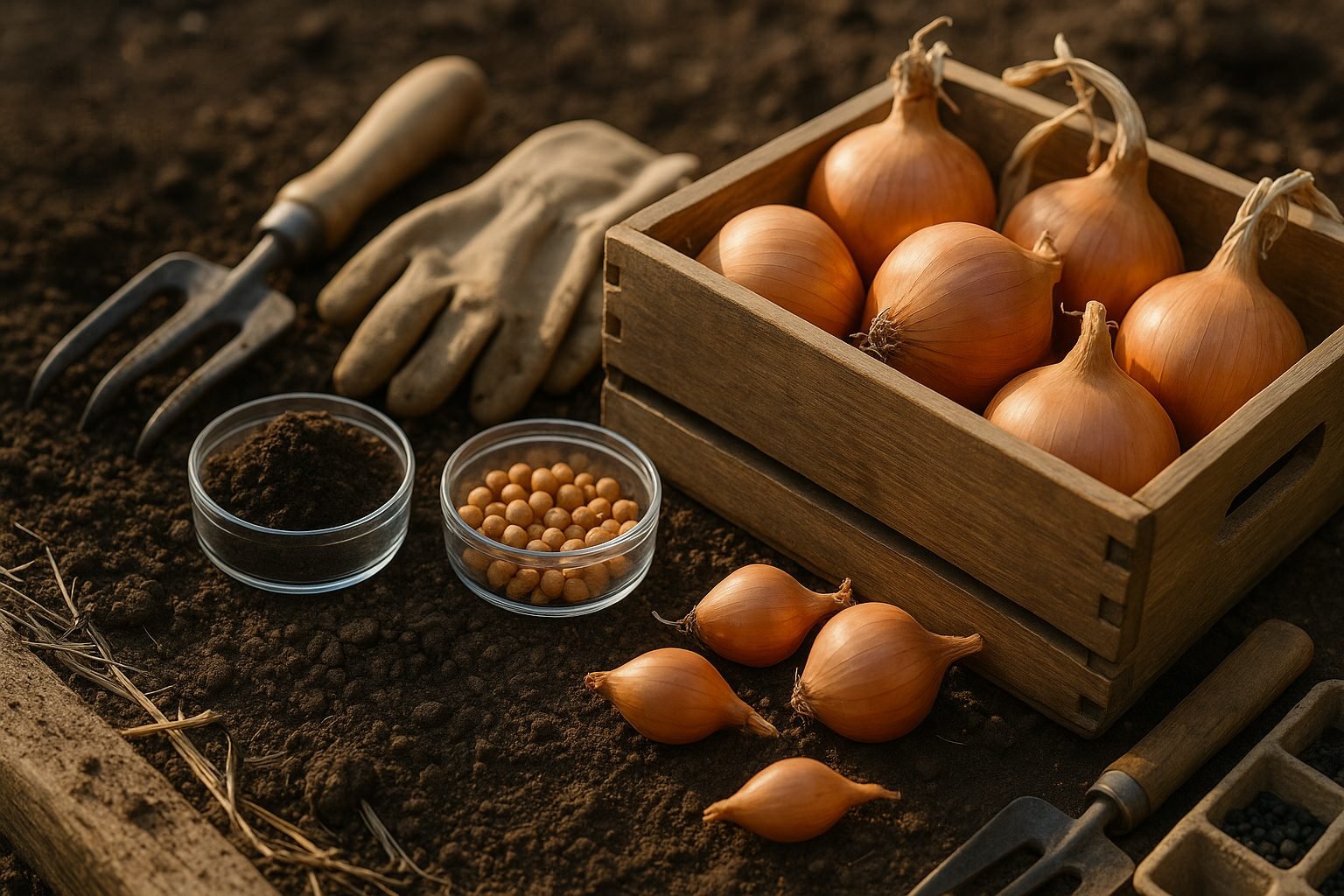
Onions and nematodes are two words no grower wants to hear together, yet the relationship between them is an important topic every onion producer should understand. Among these pests, onion root knot nematodes are especially troublesome, causing significant damage to onion crops worldwide.
These microscopic worms invade the roots, creating galls that interfere with the plant’s ability to absorb water and nutrients. The result? Stunted growth, yellowing foliage, and disappointing yields at harvest. In severe infestations, entire fields may suffer, leading to considerable financial losses.
Early identification of nematode presence is crucial—catching symptoms before the damage becomes widespread can mean the difference between a salvageable crop and a total loss. Recognizing distinctive signs, such as knotted roots and reduced plant vigor, can help you take timely action.
In this article, we’ll break down what onion root knot nematodes are, why they’re so harmful, how to spot them early, and practical, proven steps you can take to protect your onions. Whether you’re an experienced grower or new to gardening, staying informed is your best defense.
Symptoms and Signs in Onion Plants
When root knot nematodes invade onion plants, they trigger several distinctive visual symptoms that are key for early identification. You’ll often notice stunted plant growth and yellowing leaves that look wilted or pale, especially compared to healthy onions in the same patch.
Unlike some fungal diseases that cause leaf spots or patches of mold, nematode damage is mostly below the surface—roots become swollen or knotted with small, round galls that are easy to see when you gently lift a struggling plant. These galls are a hallmark sign that sets root knot nematodes apart from other problems like downy mildew, which usually presents as fuzzy blotches on leaves, or bacterial soft rot, which causes a mushy bulb.
Other clues include uneven or patchy growth in the garden bed and plants that are unusually slow to develop even with proper watering and fertilization. If you suspect root knot nematodes, try this quick test: dig up a few affected plants and rinse the soil off the roots—look closely for the characteristic swellings.
For added confirmation, send a root sample to your local extension office or agricultural lab. Catching the signs early can help you take timely action to manage the infestation before it spreads.
Biology and Life Cycle of Root Knot Nematodes
Root knot nematodes are tiny, soil-dwelling roundworms that thrive in warm, sandy soils, making them a common problem for onion growers. These pests enter plant roots as microscopic juveniles, usually through natural openings or wounds. Once inside, they cause the characteristic root galls or “knots,” which disrupt the plant’s water and nutrient uptake.
The most damaging stage in the nematode’s life cycle is the second-stage juvenile, as this is when they actively invade and establish feeding sites within onion roots. After feeding, these nematodes mature, lay eggs, and the cycle continues, allowing populations to build quickly in favorable conditions.
Outbreaks are particularly severe in fields with loose, sandy soil and high moisture, which make it easier for nematodes to move and infect new roots. Warm temperatures (optimally between 25–30°C) further accelerate their life cycle, often leading to multiple generations in a single growing season.
Onion growers can limit root knot nematode problems by:
- Rotating crops
- Improving soil drainage
- Avoiding planting onions in known infested areas, especially under conditions that favor nematode activity
Regular soil testing can also help detect early infestations before they cause major damage.
Practical Recommendations for Control and Management
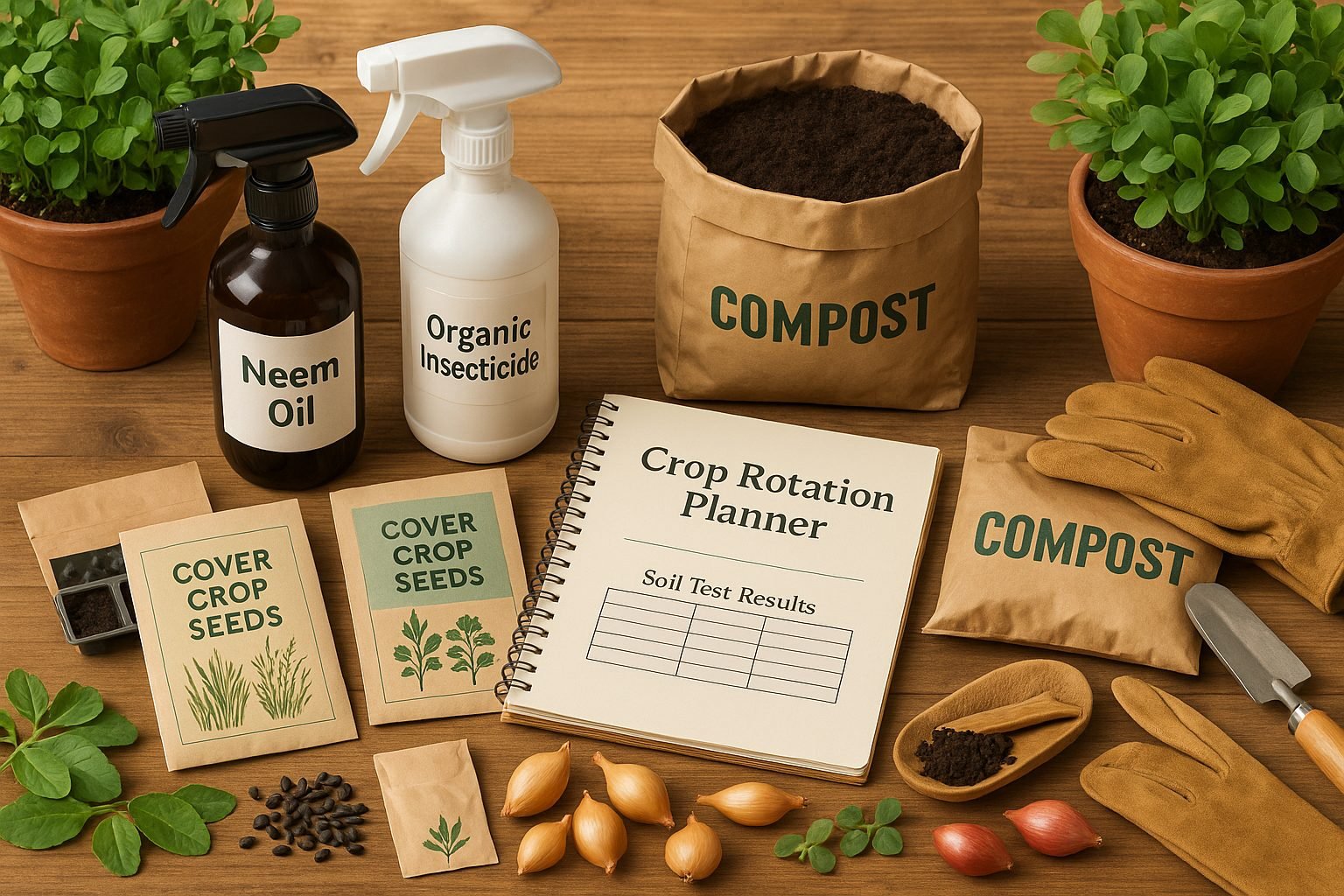
Adopting cultural control methods is a smart first step in pest and disease management—think crop rotation, where you grow different crops in succession to break pest cycles, or improving soil health with compost and cover crops to boost natural resilience. Choosing disease-resistant or pest-tolerant plant varieties can prevent outbreaks before they start.
For those seeking sustainable solutions, biological and organic controls offer powerful options: introducing beneficial insects like ladybugs to tackle aphids, or applying neem oil and BT (Bacillus thuringiensis) to manage common pests without harsh chemicals.
While chemical controls such as synthetic pesticides can sometimes be necessary, they should be used selectively and sparingly, always following label instructions and rotating modes of action to minimize resistance. Keep in mind that overusing chemicals can harm pollinators, soil microorganisms, and even your crop’s long-term productivity.
The most effective approach is integrated pest management (IPM), which combines these diverse tactics—monitoring your fields regularly, setting pest thresholds, and choosing the least disruptive control measures first. For example, spot-treating infested plants by hand before scaling up to organic sprays helps keep problems in check while protecting beneficial organisms.
By layering these strategies, you create a resilient farming system that reduces reliance on any one control method, supports long-term crop health, and preserves the surrounding ecosystem.
Prevention and Long-Term Strategies
Routine soil testing and monitoring are your best first lines of defense against nematode problems. By checking your soil annually, especially before planting susceptible crops, you can catch nematode activity early and make informed decisions about crop rotation or treatment.
Spring or late summer are ideal times to collect samples for testing, which you can submit to a local extension office or agricultural lab. As a preventative measure, always sanitize tools and equipment after working in affected areas to avoid spreading nematodes to new plots. Choose only certified nematode-free seeds or transplants from reputable suppliers for your garden.
Building up your soil’s health is another key strategy—rotate crops, incorporate organic matter like compost or cover crops, and diversify plantings to encourage beneficial microbes and natural predators that keep nematode populations in check. Practices like mulching and reduced tillage also help create a robust ecosystem that suppresses pests.
For ongoing support and the latest guidance, connect with local extension services, join gardening groups, or use trusted websites such as the USDA’s Plant Health portal or university resources. Education and consistent effort go a long way in keeping nematodes out of your garden for good.
When to Seek Professional Help
If you notice unusual symptoms in your crops—such as persistent wilting, sudden leaf discoloration, stunted growth, or unexpected pest infestations—it’s time to contact a crop specialist or extension agent. Also, seek professional help if you’ve tried standard remedies without improvement or if diseases are spreading rapidly across your fields.
Experts can accurately diagnose complex problems that might be difficult to identify on your own, using lab testing or advanced analysis. They’ll recommend targeted solutions, including specific fungicides, pest management practices, or adjustments to irrigation and fertilization programs tailored to your farm’s needs.
Acting quickly is crucial: early intervention often means less crop damage, lower costs, and fewer long-term issues. Delaying can allow problems to escalate, leading to major yield losses and even threatening your next planting season. By reaching out to professionals at the first sign of trouble, you give your crops the best chance to recover and thrive.