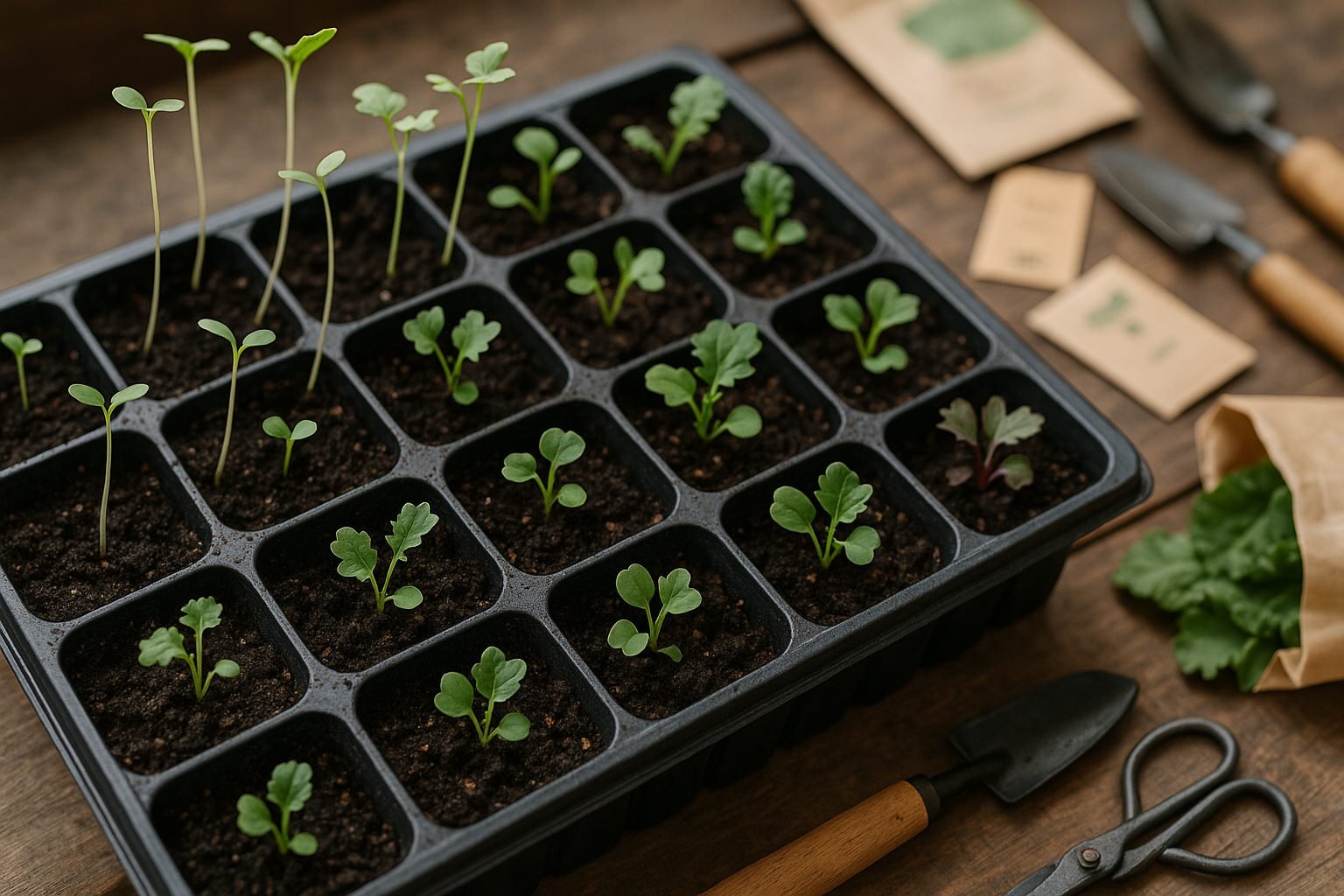
What Are Leggy Seedlings and Why Does It Happen?
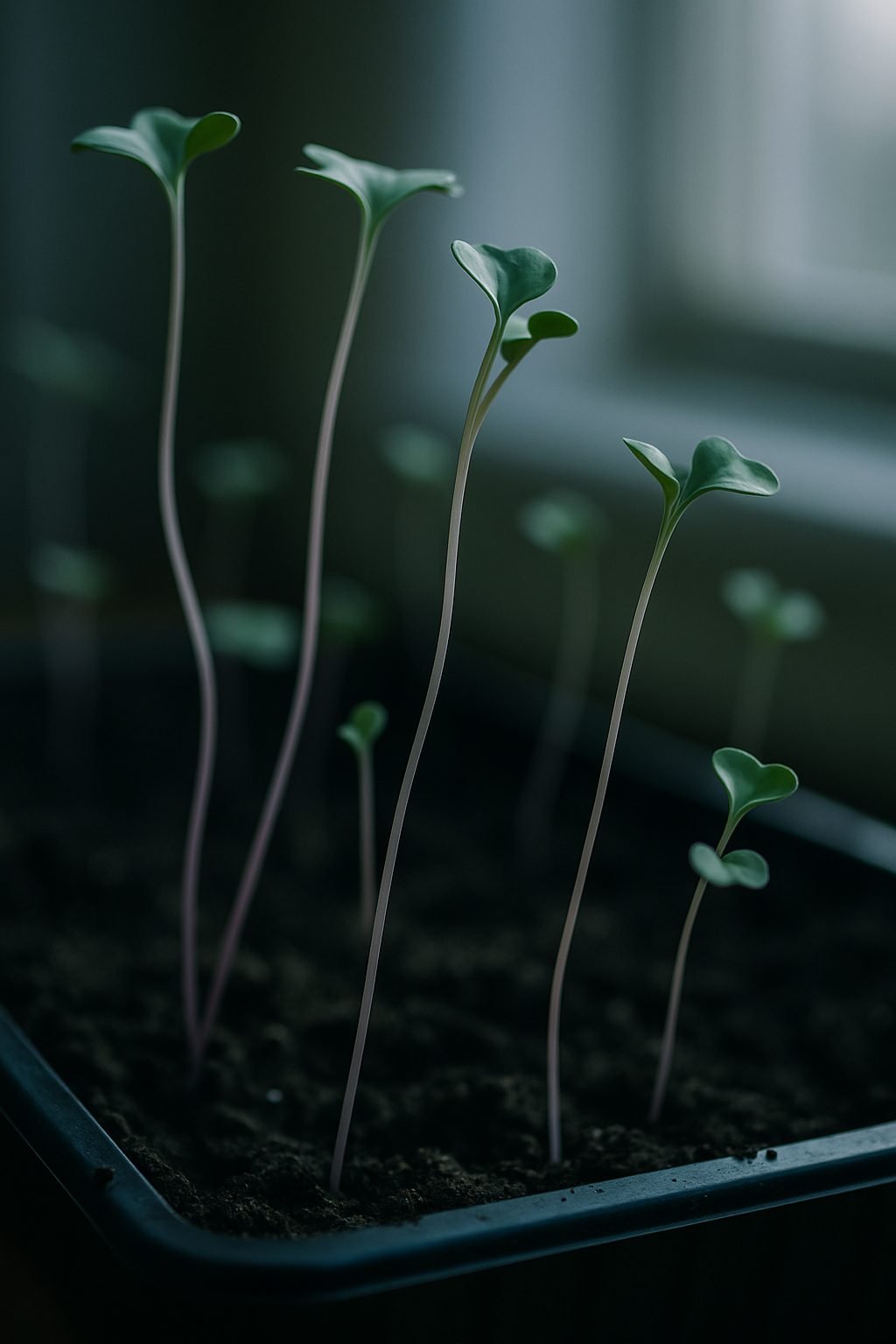
If you’ve ever glanced at your starter tray only to spot tall, thin kale with tiny leaves, you’re looking at leggy kale seedlings. Leggy seedlings have elongated, pale stems and sparse foliage—a sign they’re struggling to grow properly. This spindly appearance is a red flag for gardeners aiming for healthy, productive plants.
So, what exactly turns sturdy young kale into leggy sprouts? The most common culprit is insufficient light. When seedlings don’t get enough direct sunlight or strong artificial light, they stretch upward in search of it, resulting in those wobbly stems and undersized leaves. This is especially true for windowsill-grown seedlings, where light intensity is often too weak or indirect.
High temperatures can speed up this problem. In warm conditions, seedlings grow faster but not sturdier, stretching before they can form thick stems. Overcrowding is another factor—when seedlings are sown too close together, they compete for light, pushing each other upward and making the issue worse. Improper watering, whether too little or too much, can also stress seedlings, compounding legginess.
Interestingly, some plants are naturally more inclined to get leggy. Tomatoes, for example, are notorious for stretching when they sense they need more light. Kale is less naturally prone to this, but poor growing conditions make even these robust greens vulnerable. The good news: catching legginess early means you can usually correct it with better light, thoughtful spacing, and consistent care. By addressing these issues, you’ll help your kale grow strong, healthy, and ready for transplant—not weak and floppy.
Problems Associated with Leggy Seedlings
Leggy seedlings can pose more challenges than just looking a bit spindly; they indicate underlying problems that can threaten both your plants’ immediate and long-term success. One of the most noticeable issues is the development of weak, fragile stems that can barely support the plant’s own weight, making them prone to bending or snapping—especially during watering or when exposed to breezes.
These elongated, pale seedlings often compete poorly for light and nutrients and are less resilient to environmental stresses. Weakness at this early stage also creates easy entry points for diseases, such as damping-off fungus, which thrives in the moist, crowded conditions favored by leggy seedlings.
When transplanting outdoors, these compromised stems often don’t survive the shock, leading to stunted growth or even plant death—meaning all your early efforts could go to waste. Even if the chilly spring winds don’t topple your seedlings, their poor beginnings can have ripple effects: plants may stay smaller, produce fewer flowers or fruits, and remain generally less healthy throughout the season.
Over time, they’re more vulnerable to pests and weather extremes, leading to diminished yields harvest after harvest. The good news is, if you catch legginess early, simple interventions—like adjusting the light source, increasing airflow, or gently replanting deeper—can help seedlings recover and resume strong, hearty growth.
Taking action right away is crucial, as the longer you wait, the harder it becomes for the plants to build sturdy, healthy structures. Paying close attention in the first few weeks gives your seedlings the best possible foundation for a productive and resilient life both now and in the seasons to come.
Identifying and Assessing Leggy Seedlings
Spotting leggy seedlings early is crucial. A good first step is to compare the stem length to leaf size—healthy seedlings have short, sturdy stems with leaves that are proportionately sized and spaced close together.
If you notice your seedlings sporting unusually long, thin stems and leaves that are far apart, that’s a classic sign of legginess, caused by the plant stretching for more light. Pay special attention to the internode length (the space between sets of leaves); ideally, these should be compact, with new leaves appearing close to previous sets.
A slightly leggy seedling may have just a bit more space between leaves but still generally stands upright with some leaf mass. In contrast, severely leggy seedlings have spindly, weak stems that flop over and struggle to support themselves. If the stem looks pale, excessively thin, or bends under its own weight, the problem is more advanced and needs quick action to prevent loss.
The sooner you spot these signs, the easier it is to fix—don’t wait until the stems are tangled or seedlings start falling over. Catching minor stretching early lets you improve lighting or adjust growing conditions right away, giving your seedlings the best chance to recover and thrive.
How to Fix Legginess in Seedlings
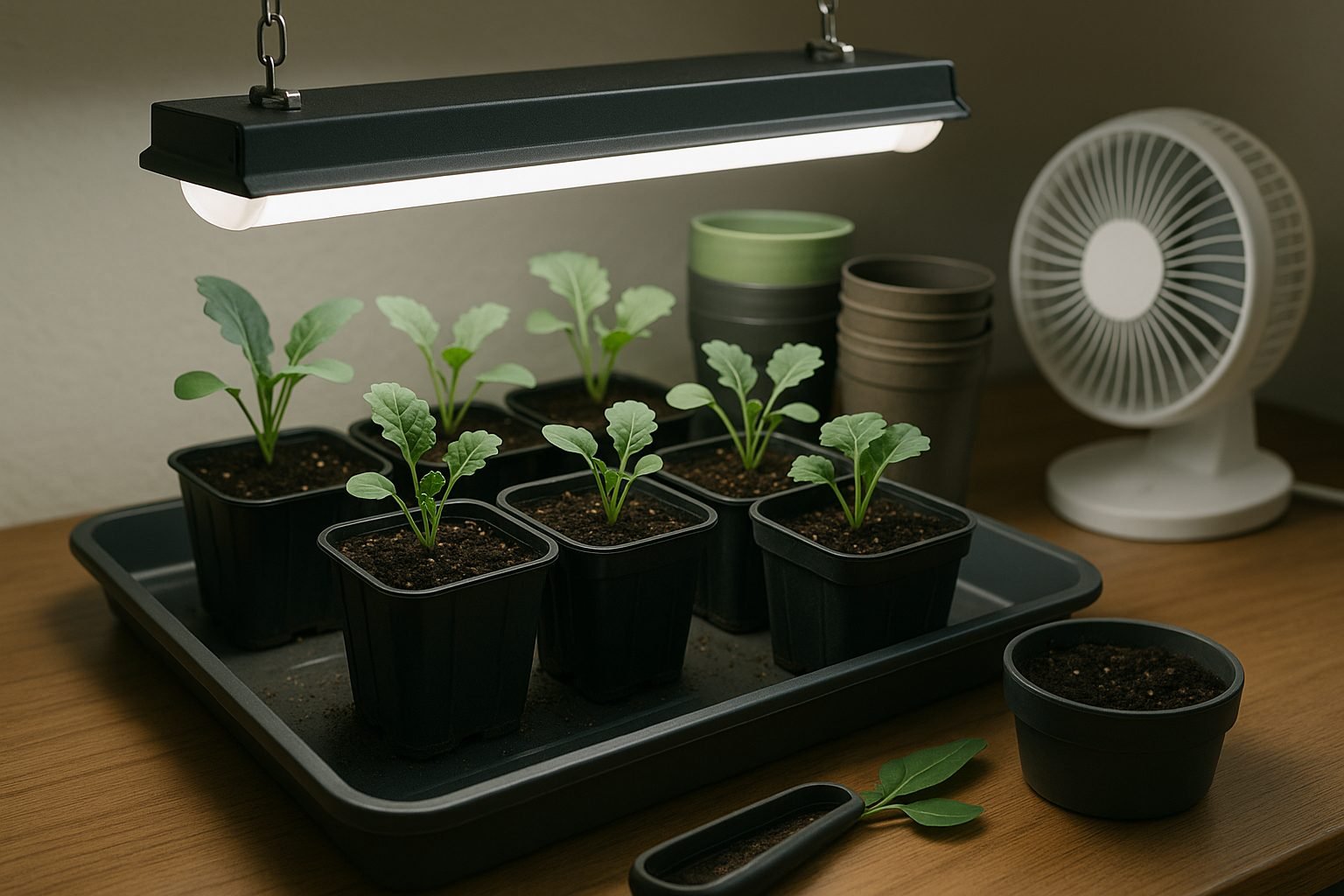
Leggy seedlings—those spindly, stretched plants—are usually a sign they need better conditions. The good news is you can save them with quick action.
Start by improving lighting: seedlings need bright light directly above them for at least 12–16 hours a day. Try lowering grow lights to within 2–3 inches of the plants or move them to the sunniest window available.
Next, check the temperature—warmth encourages growth, but too much heat combined with poor light causes stretching. Aim for 65–70°F during the day and a few degrees cooler at night.
Space your seedlings so their leaves don’t touch; crowded plants compete for light and tend to grow tall and weak.
Humidity plays a role, too: excessive moisture can encourage disease and weak stems. Use a humidity dome only for the first few days after sprouting, then remove it or crack it open to improve airflow.
If your seedlings are already too tall, “potting up” can help. Gently transplant them into deeper containers, burying the stem up to the lowest set of leaves. Tomato and pepper seedlings especially benefit from this technique, as roots will grow from the buried stem, making the plant sturdier. Do this as soon as you notice legginess but before roots crowd the starter cell, so seedlings can recover well in their new environment.
Encourage stockier stems with subtle daily movement; gently brush your hand over the seedlings or set up a small fan to mimic natural breezes. A gentle fan also helps prevent damping-off disease and strengthens stems—just be sure it’s not blowing too hard.
Water your plants from the bottom by placing pots in a tray with water and allowing them to soak up moisture. This encourages deep root growth and keeps stems drier, reducing disease risk.
Remember, leggy seedlings can quickly topple and weaken beyond repair, so act at the first sign of trouble. Give them the light, space, and support they need right away to turn things around and set your garden up for a healthy growing season.
Preventing Leggy Seedlings in the Future
Preventing leggy seedlings starts with creating the right environment from the moment you sow your seeds. Begin by setting up strong, consistent lighting—using grow lights kept just a few inches above your plants boosts healthy growth and keeps them from stretching toward dim light. Make sure to mimic natural daylight by keeping the lights on for 14–16 hours per day.
Keep the room temperature around 65–70°F during the day and slightly cooler at night; too much warmth encourages thin, weak stems. Water seedlings just enough to keep the soil damp, but not soggy, as overwatering can weaken young roots and make the problem worse. Don’t forget to give seeds enough space to grow—crowded seedlings compete for light and often grow tall and spindly.
As a quick daily care checklist:
- Check light distance
- Monitor soil moisture
- Watch the thermostat
- Inspect for crowding
Be ready to move lights closer or further away and rotate trays so all plants get equal light exposure. For fast-growing plants like tomatoes and peppers, vigilance is especially important—these are notorious for getting leggy quickly if conditions slip. Adjust grow lights or temperatures as seedlings develop, and thin out extras to ensure each plant has room. Regular, gentle air movement from a fan can also strengthen stems.
By monitoring all these factors and acting quickly when you see signs of legginess, you’ll raise robust seedlings ready for transplanting.
Supporting Strong Seedlings for a Successful Garden
Raising strong seedlings starts with choosing the right containers and a quality seed-starting mix, which ensures good drainage and a healthy environment for tiny roots. Sow seeds at the recommended depth, keep the soil consistently moist but not soaked, and provide plenty of indirect light—natural sunlight or a grow light positioned just above the seedlings works best.
It’s completely normal to see some legginess, especially during cloudy stretches or if lights were set too high. Don’t worry—simply lower the lights, gently brush your hands over the tops of seedlings daily to simulate wind, or use a small fan to encourage stronger stems.
Once seedlings have a set of true leaves, thin them so each has plenty of space, and start a gentle feeding schedule using diluted liquid fertilizer every couple of weeks. As outdoor planting time approaches, harden your seedlings off by gradually introducing them to the outdoors: start with an hour of sheltered morning sun, then add an hour each day for about a week.
Take comfort knowing that most leggy or slightly stressed seedlings bounce back well after transplanting, especially if you bury their stems a bit deeper. With patience and attentive care, even less-than-perfect seedlings can grow into productive, beautiful garden plants.