Introduction
Hanging kale is quickly becoming a favorite among gardeners who want the benefits of fresh, homegrown greens without sacrificing space or style. Kale itself is a nutrient-rich leafy green, packed with vitamins A, C, and K, that has earned its spot in everything from salads to smoothies. If you’re tight on garden space or looking to add a fresh twist to your patio or balcony, you might be wondering—can you grow kale in hanging baskets?
The good news is that not only is it possible, but growing kale this way can actually make gardening more accessible and convenient, allowing you to enjoy crispy, pest-free leaves right outside your door. In this article, you’ll find simple, step-by-step tips for setting up a thriving hanging kale planter, covering everything from the right soil and container choice to watering routines and sun requirements.
Plus, we’ll explore the unique benefits of this method, such as improved air circulation and easy harvesting. Whether you’re a seasoned gardener or just getting started, you’ll discover how to make growing kale in hanging baskets both practical and rewarding.
Why Grow Kale in Hanging Baskets?
Growing kale in hanging baskets is a smart solution for anyone with limited garden space, whether you’re managing a small urban balcony, a tiny backyard, or even a sunny windowsill. Instead of letting valuable floor space go unused, suspending your greens overhead frees up room for other plants or activities at ground level.
For city dwellers or renters, this means you can create a mini edible garden without sacrificing space for seating or storage. Beyond practicality, hanging kale adds a vibrant, lush touch to otherwise plain walls or railings. The cascading greens look both ornamental and appetizing, instantly brightening patios and balconies.
Mobility is another huge advantage—baskets can be easily moved to catch better sunlight, shield them from harsh weather, or bring them indoors if frost threatens. This flexibility extends your growing season and improves overall plant health.
Hanging baskets also reduce common kale gardening headaches, such as pests and soil-borne diseases. Elevating your crops makes them less accessible to ground-dwelling bugs like slugs and snails, and using sterile or fresh potting mix limits the risk of diseases that linger in regular garden soil.
Ultimately, hanging kale baskets offer urban gardeners an attractive, practical way to enjoy fresh greens with fewer pest problems, more control over growing conditions, and a burst of color wherever space allows.
Choosing the Right Kale Variety
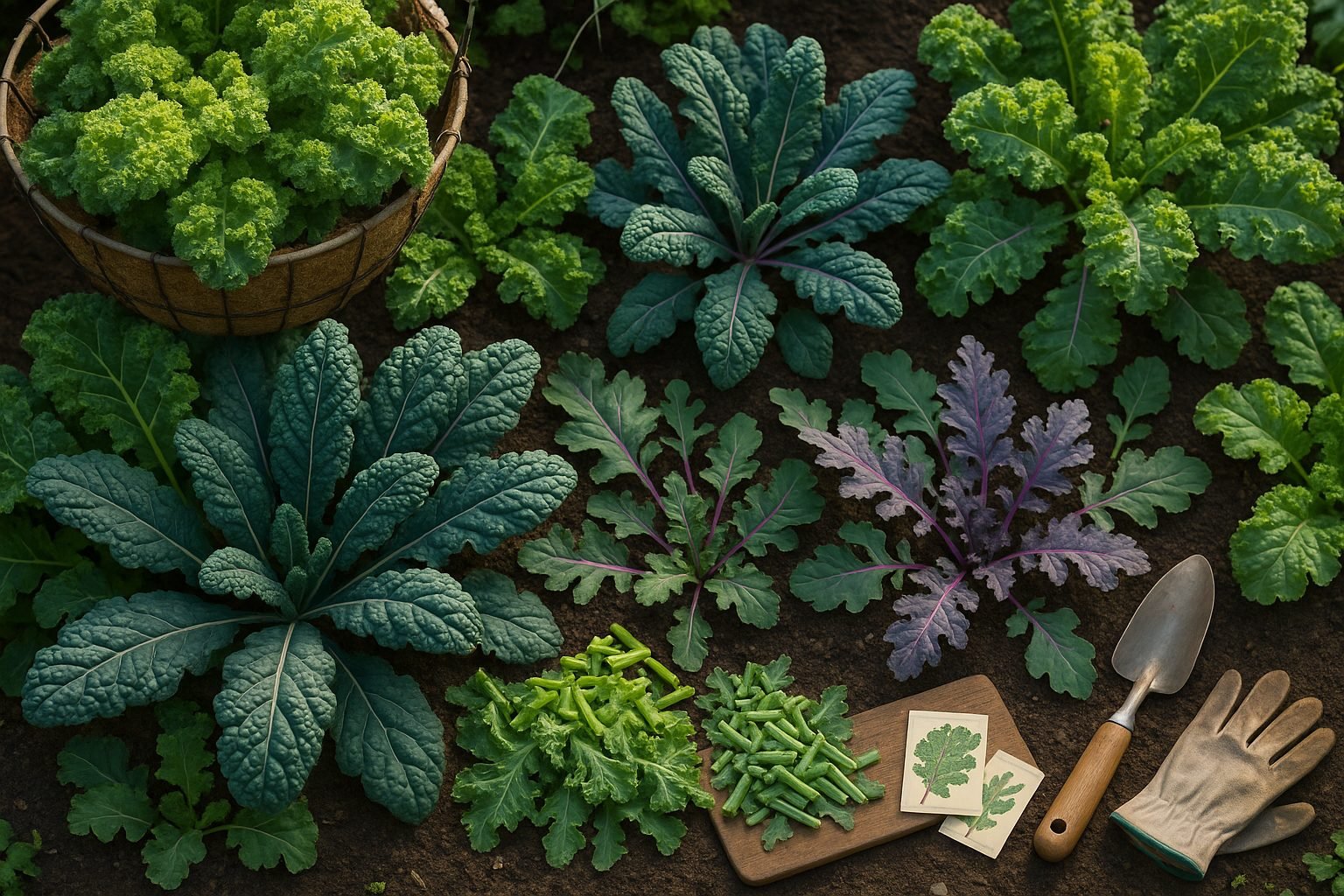
When it comes to growing hanging kale, selecting the right variety is key to success. Not all kale types thrive in the limited space of hanging baskets, so dwarf and compact varieties are usually your best bet. Dwarf Blue Curled Scotch is a popular choice due to its small size, attractive curly leaves, and ability to flourish in tight spaces. Similarly, Red Russian kale is another container-friendly option, offering tender, frilly leaves that don’t sprawl or overcrowd the basket.
Baby kale mixes, often sold as seeds for quick harvests, grow rapidly and stay naturally small—perfect for continuous snipping in a limited vertical garden. When choosing varieties, look for those with compact, upright growth habits and smaller leaves. These traits improve airflow and help reduce the risk of overcrowding or disease in your hanging setup.
To get off to a healthy start, buy high-quality seeds from reputable suppliers or nurseries. Look for seed packets labeled “container-friendly” or “compact.” If you’re starting with seedlings, pick young plants that are short and sturdy with vibrant, blemish-free leaves. Avoid leggy or overgrown starts, as they may struggle in smaller baskets.
Spending a little time choosing the right hanging kale variety will set you up for a productive, attractive, and low-maintenance harvest.
Selecting the Best Basket and Setup for Hanging Kale
When growing hanging kale, choosing the right basket and setup is key to healthy, productive plants. Start with a basket that’s at least 12 to 14 inches in diameter, since kale develops a fairly deep root system and needs enough space to absorb nutrients.
Look for baskets made from sturdy wire, thick plastic, or coir fiber—these materials hold moisture without causing waterlogging and can support the weight of mature plants. Good drainage is essential, so make sure the basket has plenty of drainage holes at the bottom. If you plan to hang it where water can’t drip freely, place a saucer underneath, but be careful to avoid standing water to prevent root rot.
Strong support is crucial because soil and maturing kale can get surprisingly heavy. Use wall-mounted brackets or robust overhead hooks for the best stability. Position your hanging kale where it gets at least 6 hours of direct sunlight daily, such as a south- or west-facing balcony, deck, or porch.
To keep soil from spilling and help retain moisture, line the basket with natural coconut coir, sphagnum moss, or burlap before adding a high-quality potting mix rich in organic matter. Avoid regular garden soil—it compacts and drains poorly in containers. For extra stability, gently firm the soil after planting, leaving about an inch of space below the rim to hold water during watering.
Water thoroughly after planting, and check moisture levels daily, as baskets dry out faster than garden beds, especially in warm weather. Following these setup tips will give your hanging kale the best chance to thrive and grow lush.
Planting and Care Tips for Hanging Basket Kale
When growing hanging kale, start by choosing a lightweight, well-draining potting mix to keep your baskets easy to move and prevent waterlogging the roots. Look for soil blends designed for containers, as they often include materials like perlite or coconut coir, which improve drainage—an essential factor for hanging baskets. Mix in a slow-release organic fertilizer or supplement with a liquid feed every few weeks to encourage leafy growth, but avoid high-nitrogen formulas that can make kale leggy.
For planting, you can either sow kale seeds directly into the basket, spacing them about an inch apart and covering them lightly with soil, or transplant healthy seedlings spaced roughly 6 inches apart to ensure good airflow—this spacing works well in most standard hanging baskets.
Watering is especially important because hanging baskets dry out faster than ground beds. Check the soil moisture daily and water thoroughly when the top inch feels dry. Be careful not to overwater; excess moisture that can’t drain away can lead to root rot, a common problem with hanging planters. Always use baskets with unrestricted drainage holes and empty saucers regularly.
Kale thrives in cooler weather, so plant in early spring or late summer, depending on your climate. One advantage of hanging baskets is mobility: if frost threatens or temperatures rise above 75°F (24°C), simply move your kale to a sheltered or shadier spot to reduce stress and extend the harvest.
With a bit of care tailored to hanging baskets, your hanging kale can stay healthy, productive, and visually appealing throughout the growing season.
Common Challenges and How to Overcome Them
Growing hanging kale offers great flexibility and space-saving benefits, but it also comes with its own set of challenges. One of the most common issues is that soil in hanging baskets tends to dry out quickly, especially during warm weather or in windy spots. To combat this, add a layer of organic mulch—such as straw or chopped leaves—on top of the soil to help retain moisture, and check your plants daily for their water needs. Choose baskets with built-in reservoirs or line them with coco coir to help keep the soil evenly moist.
Wind exposure is another challenge, as it can easily stress or even damage kale. If your balcony or patio is particularly breezy, move your basket to a more sheltered spot, like near a wall or railing, or hang it lower to the ground to protect the delicate leaves. Overcrowding is also a concern since kale can grow surprisingly large. Limit each basket to one or two plants and thin out seedlings as needed to ensure enough airflow and light, which helps prevent mold and mildew.
Nutrient depletion happens faster in hanging baskets because there’s less soil available. Feed your hanging kale every few weeks with a diluted liquid fertilizer or compost tea to keep it healthy. Keep an eye out for common garden pests like aphids, especially on the undersides of leaves—a quick blast of water or applying insecticidal soap usually keeps them under control. Wilting leaves, yellowing, or stunted growth can signal root stress or nutrient shortages, both of which are more common in hanging containers.
Stay attentive and adjust your care routine as needed, and your hanging kale should thrive above ground.
Harvesting and Keeping Your Kale Thriving
Harvesting your hanging kale is both rewarding and straightforward, and a little know-how can keep those leaves coming for months. When the outer leaves reach the size of your hand—or about six to eight inches long—it’s time to harvest. Simply snip the largest outer leaves near the base with clean scissors, taking care to leave the young center leaves intact, as these will keep the plant growing strong.
For constant regrowth, never remove more than a third of the plant at a time; this allows the kale to recover and continue producing new foliage. Prune away any yellowing or damaged leaves weekly to prevent disease and encourage healthier, more robust growth.
Regularly inspect your hanging kale for pests like aphids or cabbage worms, removing them by hand or using a gentle spray of water if needed. To keep productivity high throughout the season, water consistently—hanging baskets dry out faster than garden beds—and feed your kale with a diluted, balanced liquid fertilizer every few weeks.
Rotating your basket’s position occasionally also ensures all sides get even sunlight, preventing legginess and promoting a bushier, lusher plant. With these simple habits, your hanging kale will remain vibrant and prolific well into the cooler months.
Conclusion
Growing hanging kale is not only possible but also a smart solution for gardeners with limited space or those wanting to add some greenery to patios and balconies. With the right basket size, quality soil, and regular care, kale thrives just as well suspended in the air as it does in a garden bed. The benefits are clear: hanging baskets keep leaves cleaner, protect against many ground pests, and make harvesting as easy as reaching out your hand.
Whether you’re tight on room or simply want a touch of fresh produce close by, trying kale in hanging baskets can provide a satisfying supply of nutrient-packed greens. If you’ve experimented with hanging kale or have questions about getting started, share your thoughts in the comments below—we’d love to hear about your experiences or help troubleshoot your setup!