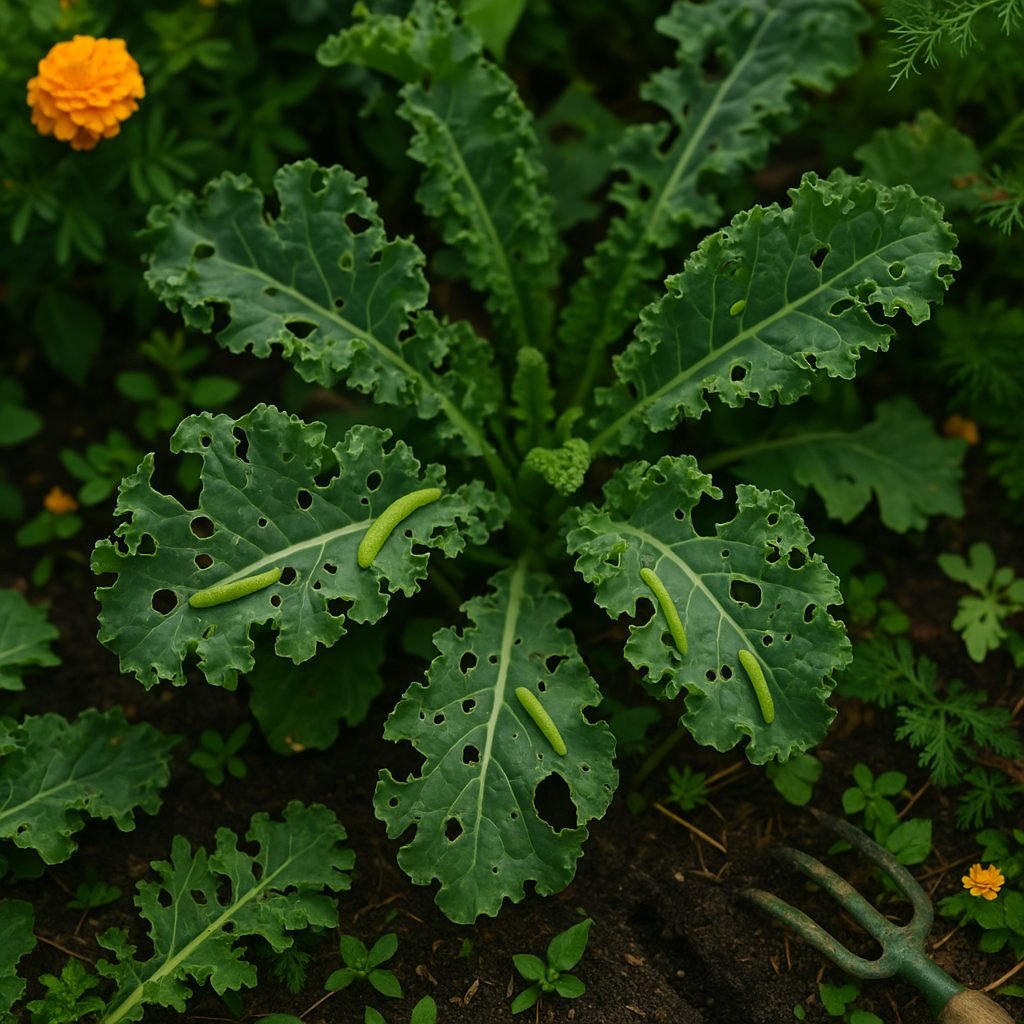
What Are Cabbage Worms and Why Are They a Problem?
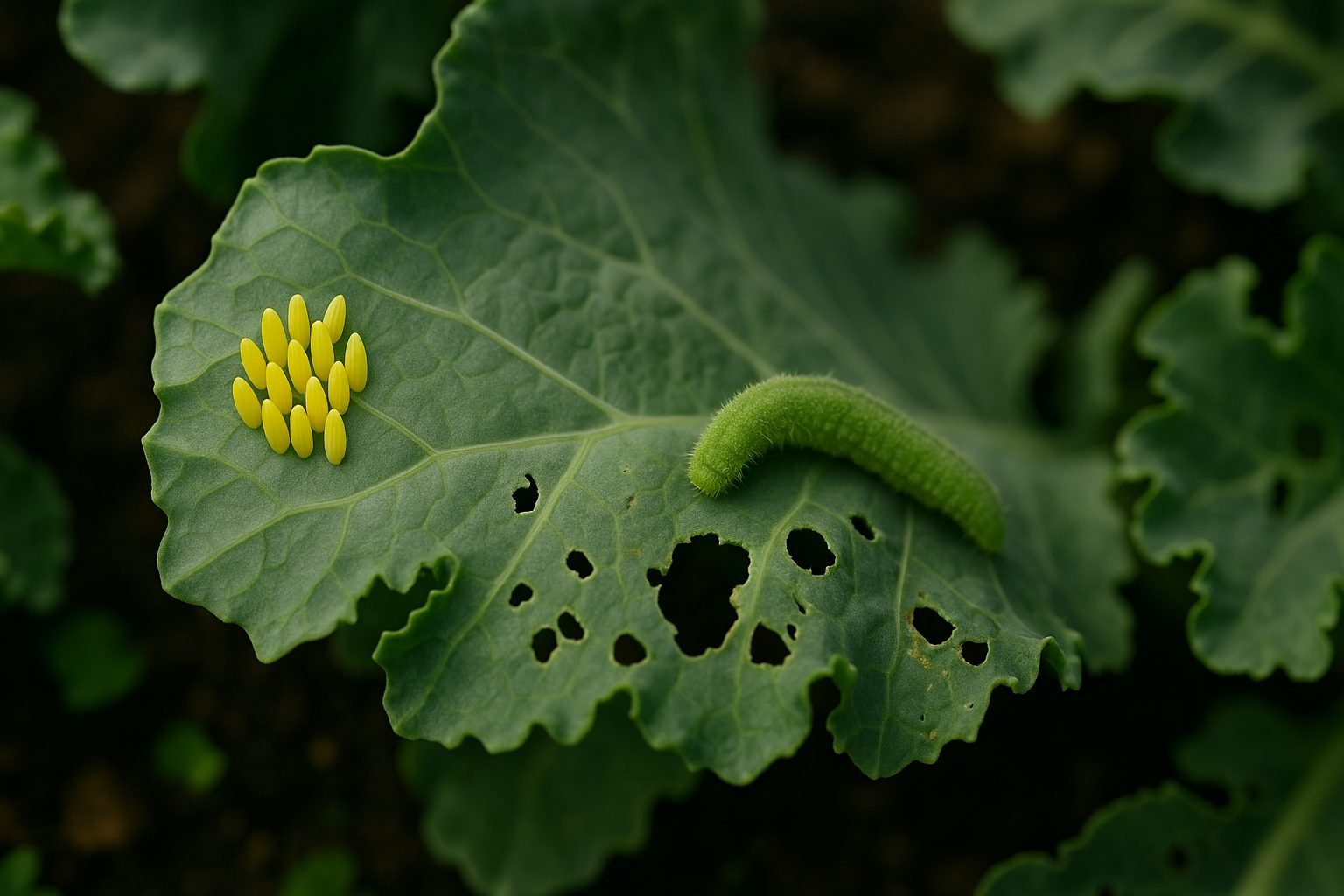
If you’ve ever spotted tiny green caterpillars munching away at your homegrown greens, you’ve likely encountered cabbage worms on kale. These pests, commonly seen as velvety green larvae, are actually the larvae of several butterfly and moth species, such as the cabbage white butterfly. Their lifecycle begins when adult butterflies lay clusters of yellow or white eggs on the undersides of kale and other brassica leaves. In just a week, these eggs hatch into hungry larvae ready to feed. Cabbage worms aren’t picky—they attack a range of cruciferous vegetables, including broccoli, cabbage, collards, and, of course, kale.
The damage caused by cabbage worms on kale can be surprisingly severe for such small creatures. As they feed, they chew irregular holes in leaves, leaving behind ragged edges and even skeletonizing the foliage if infestations are high. It’s not just the unsightly appearance that’s a problem; their feeding reduces the plant’s ability to photosynthesize, slowing growth and stunting development. In heavy infestations, cabbage worms can decimate entire crops, leaving just stems and frayed leaf veins behind.
Beyond just cosmetic issues, cabbage worms impact plant health by introducing bacteria and fungal diseases through their feeding wounds. This can further reduce yields, make plants susceptible to rot, and even cause early plant death. For gardeners and small-scale farmers, the presence of cabbage worms on kale isn’t just a nuisance—it can mean the difference between a bountiful harvest and a disappointing loss. Early identification and prevention are crucial to keep your kale patch healthy and thriving.
Spotting the Signs: How to Detect a Cabbage Worm Infestation
Spotting cabbage worm infestations early can save your plants from serious damage. Watch for chewed leaves or ragged holes, especially on the outer leaves of cabbages, broccoli, and other brassicas—these are classic signs that cabbage worms have moved in. Another giveaway? Small, dark pellet-like droppings called frass on leaf surfaces or in leaf folds.
To catch worms before they cause too much harm, get in the habit of checking your plants closely every few days. Look on the undersides of leaves for yellowish or white eggs, which are usually laid singly. You might also spot green, velvety larvae that blend in surprisingly well with the foliage or small white or yellowish moths fluttering around the garden in the late afternoon, which are the adult stage of cabbage worms.
Early detection is essential for effective control—removing eggs and larvae by hand or applying targeted organic treatments is much easier when infestations are small. Regular inspections, especially during warm weather, can keep your crops healthy and limit the damage before it gets out of hand.
Natural and Organic Prevention Methods
Protecting your garden from cabbage worms can be effective without chemicals by using natural and organic prevention methods that fit seamlessly into your regular gardening routine. Cultural practices like crop rotation are simple yet powerful—by changing where you plant your cabbage and other brassicas each year, you disrupt the cabbage worm’s life cycle and reduce pest buildup in the soil.
Another hands-on approach is using row covers, which are lightweight fabric sheets placed over crops to act as a physical shield against adult moths seeking to lay eggs. Be sure to secure the covers tightly at the edges and only remove them when it’s time for pollination or harvesting.
Companion planting also offers a clever solution: mixing cabbage with aromatic herbs and flowers such as dill, sage, rosemary, or marigold can naturally repel cabbage worms and other pests. Nasturtiums are especially good companions, as they attract cabbage pests away from your main crops, acting as a sacrificial plant.
If you want an extra layer of security, try installing fine mesh netting directly over your cabbage beds, securing all edges to keep moths and caterpillars out. These physical barriers are reusable, making them a sustainable and cost-effective choice.
By combining these cultural, companion planting, and barrier methods, you create a multi-layered defense system that minimizes pest damage while keeping your garden ecosystem healthy. Not only do these methods reduce your reliance on pesticides, but they also promote biodiversity and soil health, giving your vegetables the strongest start possible.
Safe Removal: Getting Rid of Cabbage Worms by Hand and With Organic Methods
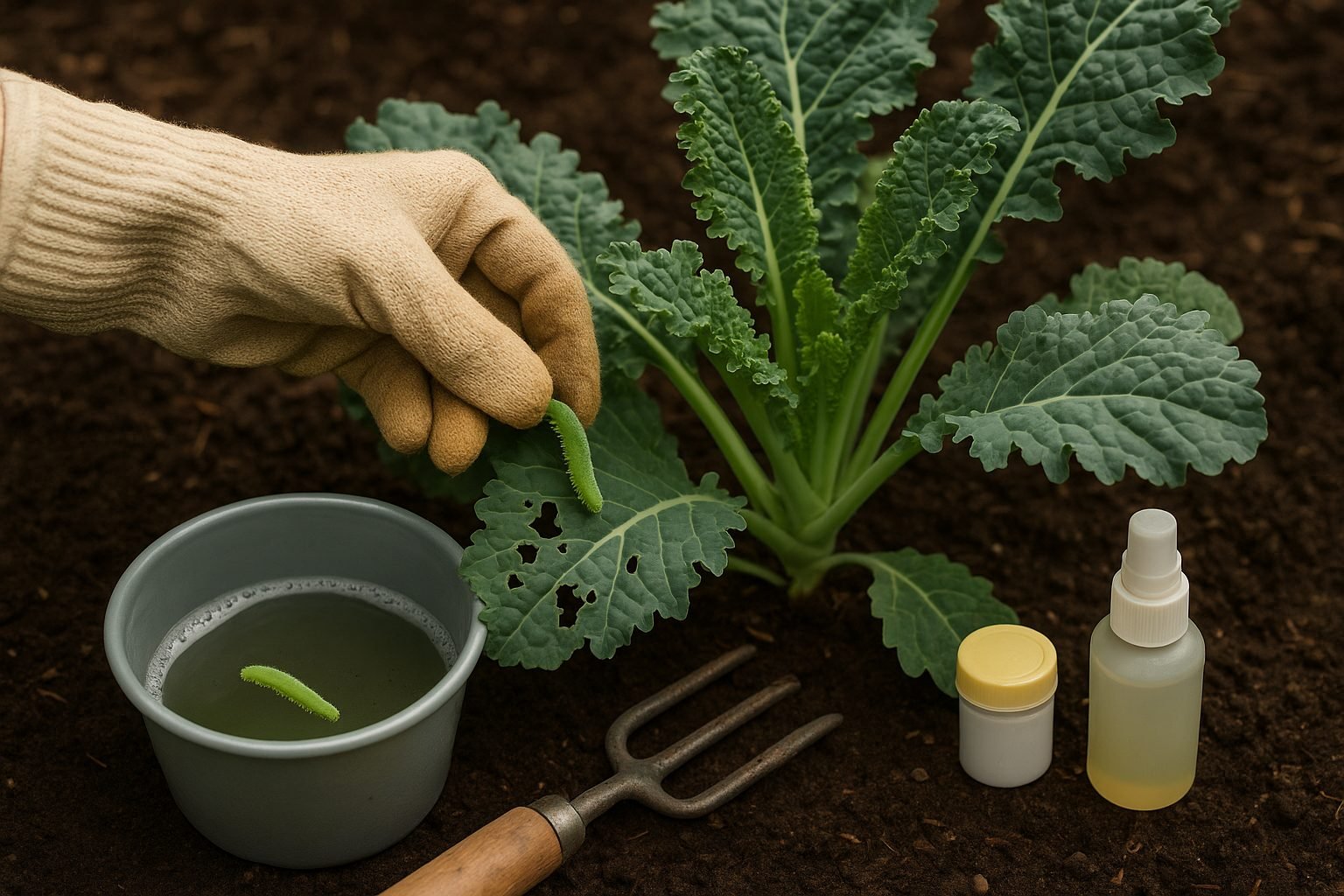
Hand-picking cabbage worms is one of the simplest and most effective ways to control them, especially if your garden isn’t too large. Early morning or late evening, when worms are sluggish, is the best time to check your cabbage plants. Simply inspect both sides of the leaves, look for the small green worms, and remove them by hand—wearing gloves if you prefer. Drop the worms into a bucket of soapy water to dispose of them safely.
For a more hands-off yet organic approach, you can use a natural bacteria called Bacillus thuringiensis (Bt), available at garden centers. Bt targets caterpillars like cabbage worms without affecting humans or most other insects, but it’s important to carefully follow label instructions and apply it when bees aren’t active, like early morning or at dusk.
Neem oil is another organic option: mix as directed and spray only on the affected parts. Again, take care to avoid flowering areas where pollinators visit, and apply during cooler, non-peak hours for bees. Both Bt and neem oil break down quickly in sunlight and rain, so several applications may be necessary.
By combining these methods and being mindful of when and where you spray, you can effectively keep cabbage worms in check while protecting the helpful insects your garden relies on.
Encourage Natural Predators in Your Garden
Welcoming natural predators into your garden is a smart, organic way to control cabbage worms without using harsh chemicals. Birds like wrens and chickadees love to snack on caterpillars—try hanging bird feeders and providing a shallow water source to invite them in.
Parasitic wasps may sound intimidating, but these tiny insects lay their eggs inside cabbage worm larvae, naturally reducing their numbers. Planting nectar-rich flowers such as dill, fennel, and alyssum can help attract both wasps and other beneficial insects like ladybugs, lacewings, and ground beetles, which also feast on cabbage worms and their eggs.
Create a diverse, layered garden with hiding spots like piles of leaves or stones to encourage these helpful predatory insects to stick around. Remember, some pest presence is necessary to sustain natural predator populations—resist the urge to intervene with pesticides at the first sign of damage.
By fostering a healthy ecosystem, you let nature work for you, keeping pests in check while supporting thriving plant and insect life in your garden.
Ongoing Care: Preventing Cabbage Worms in Future Seasons
To keep cabbage worms from becoming a recurring headache in your garden, adopt proactive care strategies like crop rotation and regular plant inspections. Rotating your crops each season makes it harder for cabbage worms and other pests to settle in and multiply year after year. For example, try planting non-brassica vegetables in beds where you grew cabbage or broccoli last season.
During the growing months, make it a habit to check your plants’ leaves at least once a week for telltale signs of worms or their tiny yellow eggs, so you can act before a small problem becomes an infestation.
Keeping your garden tidy is just as crucial—remove plant debris, fallen leaves, and leftover plant parts after harvest to eliminate hiding spots where cabbage worms can overwinter. Compost old plant material away from your main garden area, and regularly weed the beds to further limit pest habitat.
Stick with consistent monitoring and general garden upkeep throughout the year. These small actions, done regularly, go a long way toward breaking the pest lifecycle and keeping future seasons cabbage-worm free.