How to Know When to Pick Peppers
Spotting ripe hot peppers can be tricky, especially with so many different shapes, sizes, and colors on the vine. If you’ve ever wondered when to pick peppers for the perfect flavor and heat, you’re not alone! Knowing the signs of ripeness—like vibrant color, slight firmness, and aromatic skin—can make all the difference in your cooking.
In this practical guide, you’ll learn easy, real-world tips to tell when your favorite peppers are ready, so you can pick them at their peak for maximum taste.
Signs Your Peppers Are Ready to Harvest
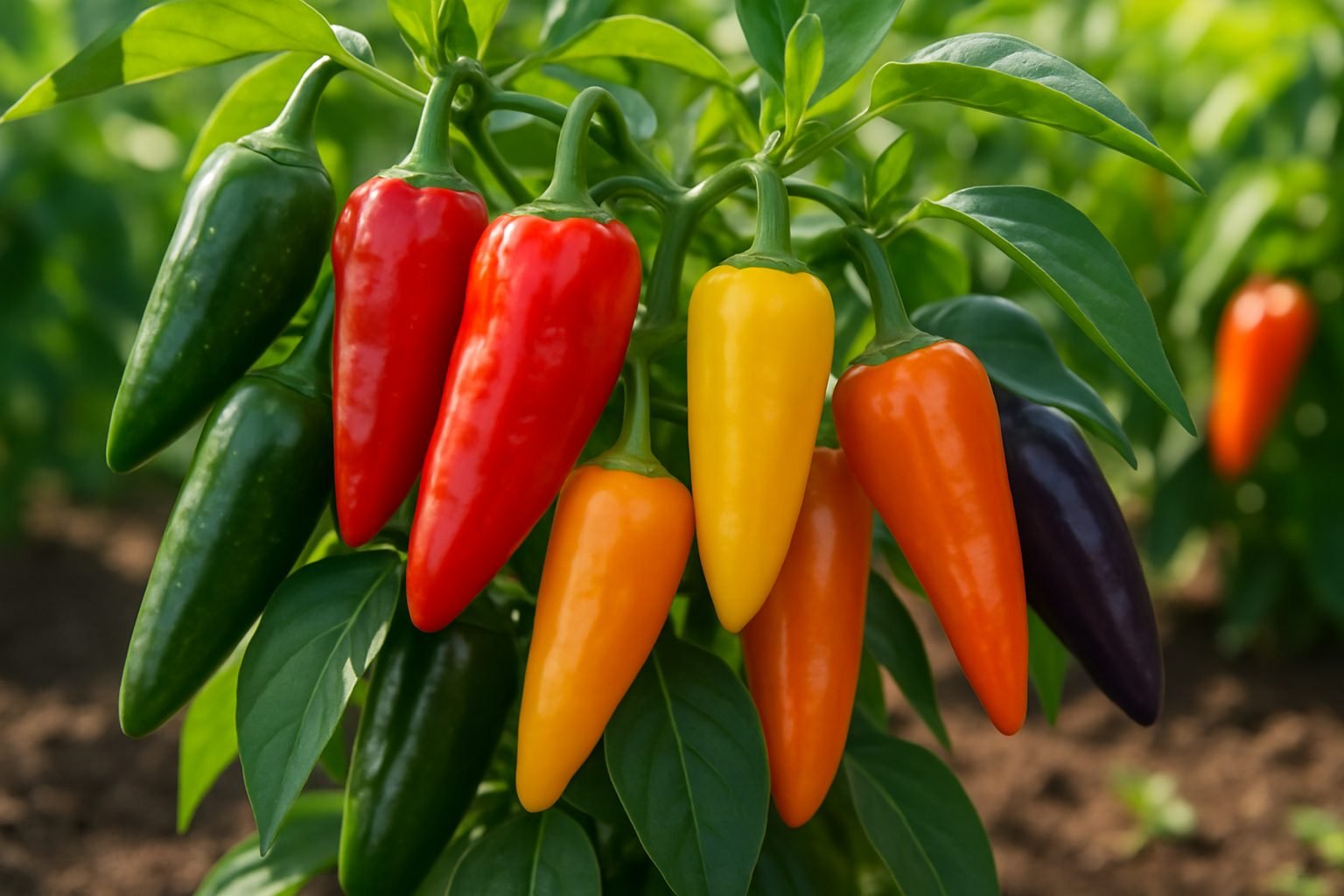
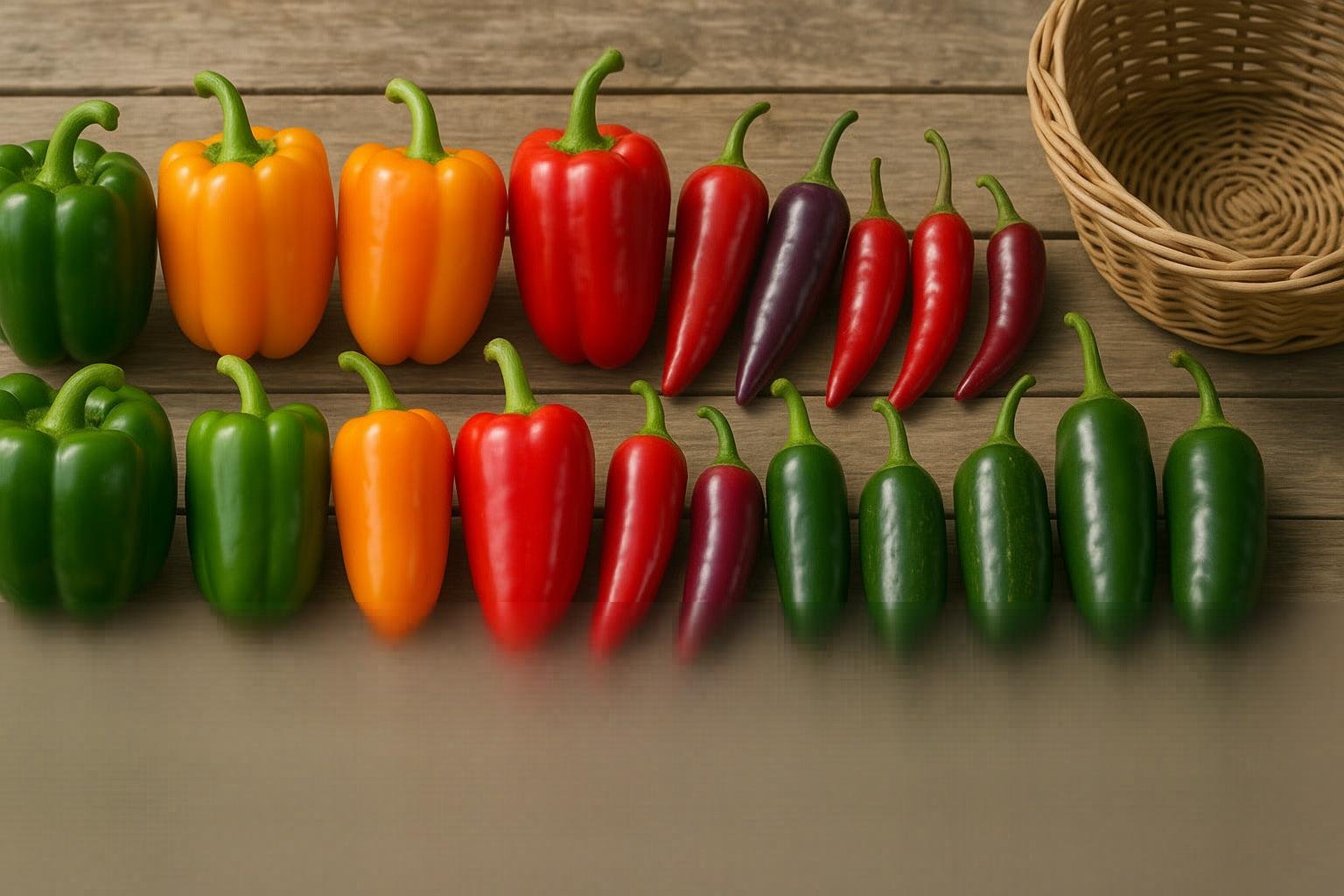
Knowing when your peppers are ready to harvest can make all the difference between lackluster flavor and peak deliciousness. For bell peppers, look for a change from green to their mature color—red, yellow, or orange, depending on the variety. They should also reach about the size of your palm, feel firm, and have smooth, glossy skin.
Chili peppers offer more flexibility: you can pick them when they are fully green for a fresh, mildly spicy taste, or wait until they turn red, yellow, or purple for a hotter, sweeter flavor and enhanced nutrient content. Look for a slight waxy sheen and a firm, plump texture—wrinkling is a sign they’ve passed their prime.
Specialty peppers, like jalapeños, often have unique cues. Ripe jalapeños sometimes develop small brown lines or streaks, called corking, which indicates extra flavor and a bit more heat without sacrificing quality.
Regardless of type, avoid peppers with shriveled skin or soft spots, as this means they’re overripe or starting to go bad. Gently squeeze each fruit—if it feels heavy for its size and gives slight resistance, it’s ready to pick. Remember, peppers won’t ripen much once picked, so waiting for these visual and tactile signs pays off with the best flavor and crunch.
Consider picking a sample pepper, slicing it open, and tasting it to confirm readiness before harvesting the whole batch. This hands-on approach helps you learn your plant’s perfectly ripe moment over time.
Understanding Pepper Ripening Stages
Peppers go through a fascinating transformation as they ripen, and understanding these stages can help you harvest at just the right moment. Most common peppers—like bell peppers, jalapeños, and banana peppers—start out green and firm. At this stage, they offer a crisp texture and a more vegetal, sometimes slightly bitter flavor.
If you prefer a crunchy salad addition or want to pickle peppers, green is the way to go.
As peppers mature, their color shifts—bell peppers can turn yellow, orange, or red, while jalapeños deepen to red, and some hot peppers may shift to chocolate or purple hues. This change isn’t just cosmetic; the flavor becomes sweeter, the pepper often softens, and in hot varieties, the heat can intensify.
For example, red bell peppers taste significantly sweeter than their green counterparts, and a red jalapeño packs more punch.
Gardeners and cooks choose when to harvest based on their recipe needs:
- For salsas with a bright, sharp flavor, green jalapeños might be best.
- For a milder, sweeter stew or to enjoy raw, let your bell peppers turn fully red.
Keep in mind, not all peppers turn every color—some varieties skip straight from green to red. The best advice is to check your seed packet or plant tag for specific ripening info and taste as you go.
By experimenting and tasting at each stage, you’ll find the perfect harvest point for your personal palate and kitchen use.
Timing and Growth Tips for Pepper Harvest
Peppers are generally ready to harvest anywhere from 60 to 90 days after transplanting, though this window can vary by variety—sweet bell peppers often take a bit longer than smaller hot peppers, for instance. Most pepper plants start out with green fruit, which may eventually turn red, orange, yellow, or even purple as they fully ripen.
If you prefer a sweeter, more developed flavor, it’s best to leave the fruit on the plant until it reaches your desired color. However, picking some peppers when they’re still green can help stimulate the plant to produce more fruit, since it redirects energy into new growth rather than maturing existing pods.
As the end of your growing season approaches—especially in regions with cooler climates—keep a close eye on weather forecasts and be prepared to harvest all mature peppers before the first frost, as even a light freeze can damage both fruit and plant. If frosty nights threaten, you can try covering your plants with row covers or old sheets overnight to extend the season by a few extra days.
For maximum yields, make frequent, gentle harvests rather than waiting to pick all peppers at once; using sharp garden scissors or pruners prevents damage and helps the plant stay healthy. With some planning and regular picking, you can stretch your pepper harvest well into the cooler months and enjoy a bigger, tastier crop.
How to Harvest Peppers Properly
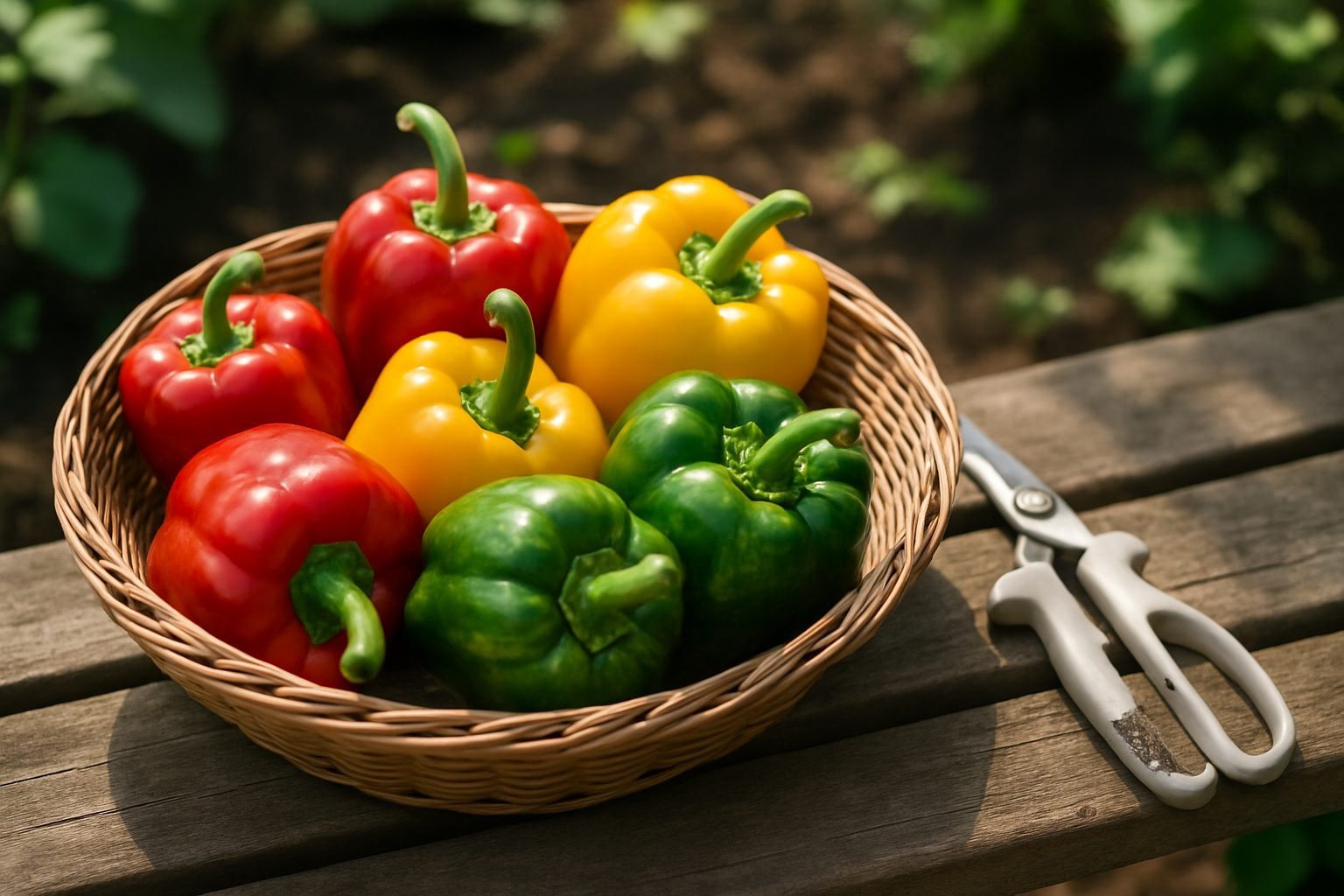
Harvesting peppers at the right time and with care helps you get the freshest, tastiest crop while keeping your plants healthy for future harvests. To start, check your peppers for maturity—the skin should be glossy and firm, and the color should match the mature shade for the variety you’re growing (for example, red, yellow, or green).
When picking by hand, gently grasp the pepper and support the stem with your other hand. Twist the fruit until it snaps off cleanly without yanking, which can damage the plant. For thicker stems or stubborn peppers, use a sharp, clean pair of garden pruners or scissors to snip just above the pepper’s cap, being careful not to crush the fruit. Always sanitize your tools before and after use to prevent the spread of plant diseases.
After harvesting, place peppers in a basket or box—not a deep bag—to avoid bruising. Keep them in a cool, shaded spot as you work, since sunlight and heat can quickly wilt freshly picked peppers.
A common mistake is pulling too hard on the peppers, which can leave rips or damage nearby branches and buds. Patience and the right tools go a long way. Also, avoid harvesting when plants are wet to minimize the risk of spreading fungal diseases.
With these tips, you’ll enjoy a bountiful, fresh harvest and extend the productivity of your pepper plants throughout the season.
Can You Pick Peppers Early? Pros and Cons
Harvesting peppers early, before they reach full ripeness, has both benefits and drawbacks that every gardener should consider. One major advantage is the ability to stay ahead of threats like frost, pests, or diseases—if a cold snap is coming or you spot critters nibbling on your plants, picking peppers early can save your yield.
Early harvesting can also encourage the plant to produce more fruit, as it shifts energy from maturing current peppers to setting new ones, potentially maximizing your overall harvest.
However, there’s a trade-off: peppers picked before peak ripeness usually have a firmer texture and less developed, sometimes even bitter, flavors compared to those left to fully mature on the plant. For example, green bell peppers are simply unripened versions of red or yellow ones, and their taste is noticeably more vegetal and less sweet.
That said, many recipes specifically call for these less ripe, crisp peppers—think salsas or stir-fries where crunch is key.
Ultimately, picking early can be a smart move in unpredictable weather or when you want to encourage further fruiting. But for the richest flavors and softest textures, letting peppers fully ripen is your best bet.
Storing and Using Your Pepper Harvest
After picking your peppers, keeping them fresh is key to enjoying their flavor year-round.
For short-term storage, simply place whole peppers in a paper bag or a perforated plastic bag in the fridge’s vegetable drawer—most varieties will stay crisp for about one to two weeks.
For longer-term solutions, try freezing: wash, slice, and spread pepper pieces on a baking sheet to freeze individually before transferring them to airtight containers.
Drying is another easy option—use a dehydrator or bake peppers at the lowest oven setting, then store dried peppers in glass jars for up to a year.
To maximize your harvest, consider pickling: slice peppers and pack them into jars with a simple vinegar brine for a tangy snack that stores for months in the fridge or pantry.
Canning is perfect for making jars of roasted peppers, hot sauces, or salsas that keep for even longer.
With so many peppers on hand, use them generously:
- toss fresh slices into salads and stir-fries,
- stuff large ones with grains or cheese,
- blend roasted peppers into sauces and soups for rich flavor.
These tips mean less waste and lots of delicious ways to enjoy your homegrown pepper bounty.
Frequently Asked Questions About Harvesting Peppers
Many gardeners wonder how many peppers to expect per plant. While the answer varies, most healthy pepper plants produce anywhere from 5 to 20 peppers each season, depending on the variety and growing conditions.
If you’re dealing with underripe fruits, don’t worry—peppers can be picked as soon as they reach a usable size. Their color will continue to develop off the plant if left at room temperature.
Tips for Growing Hot Peppers
For hot pepper varieties like jalapeños or habaneros, consistent watering and feeding are key. Avoid letting the soil dry out completely, but don’t overwater either. Mulching can help retain soil moisture and stabilize temperatures.
Pruning crowded branches and providing plenty of sunlight will encourage bigger, healthier yields. If some of your peppers ripen unevenly or seem slow to grow, that’s normal—harvest times can vary from plant to plant.
Encouraging Consistent Growth and Harvest
To boost consistency, refer back to earlier tips on balanced fertilizing and pest management. Remember, regular harvesting actually encourages more blooms and fruit, so keep picking mature peppers for a prolonged supply all season long.