Introduction
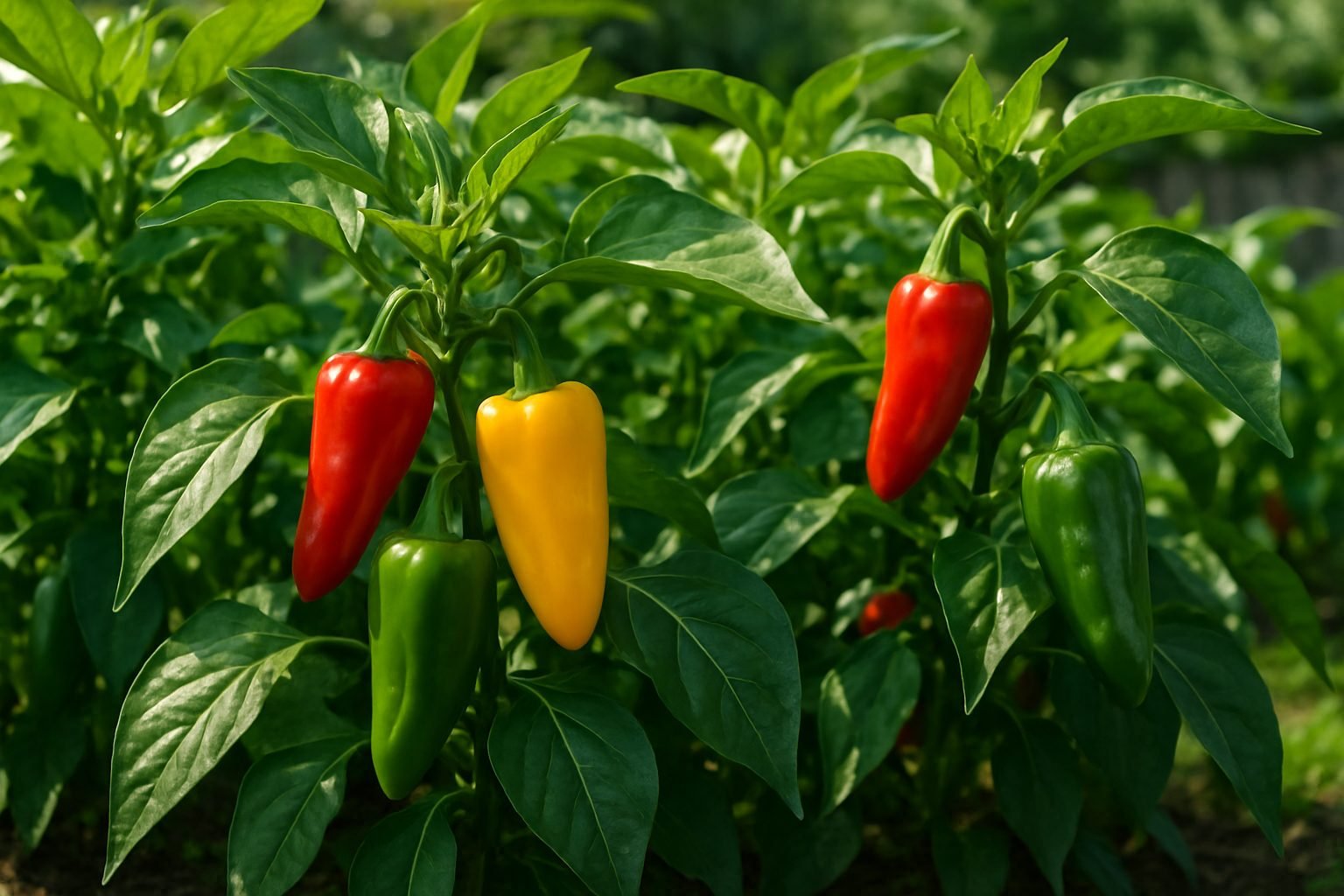
hot pepper leaf safety is a common question for adventurous cooks and gardeners alike: are these lush green leaves as fiery as the peppers themselves—or are they even safe to eat? Whether you’ve accidentally harvested a few leaves with your chilies, stumbled upon an intriguing recipe using pepper foliage, or simply want to make better use of your backyard garden, you’re not alone in being curious. There are plenty of conflicting opinions online about whether hot pepper leaves are edible or toxic, and myths about their safety abound.
In this article, we’ll cut through the confusion by focusing on hot pepper leaf safety, exploring which varieties are safe to eat and which should be avoided. We’ll also look at how people from different parts of the world use these leaves in their cooking. You’ll learn practical guidelines for harvesting and preparing pepper leaves, discover simple ways to incorporate them into meals, and get tips for identifying risks to avoid any unpleasant surprises.
If you’re a gardener with a surplus of pepper plants or a home chef eager to try something new, this guide will provide clear, trustworthy information to use pepper leaves with confidence—and flavor!
Understanding Pepper Plants and Their Components
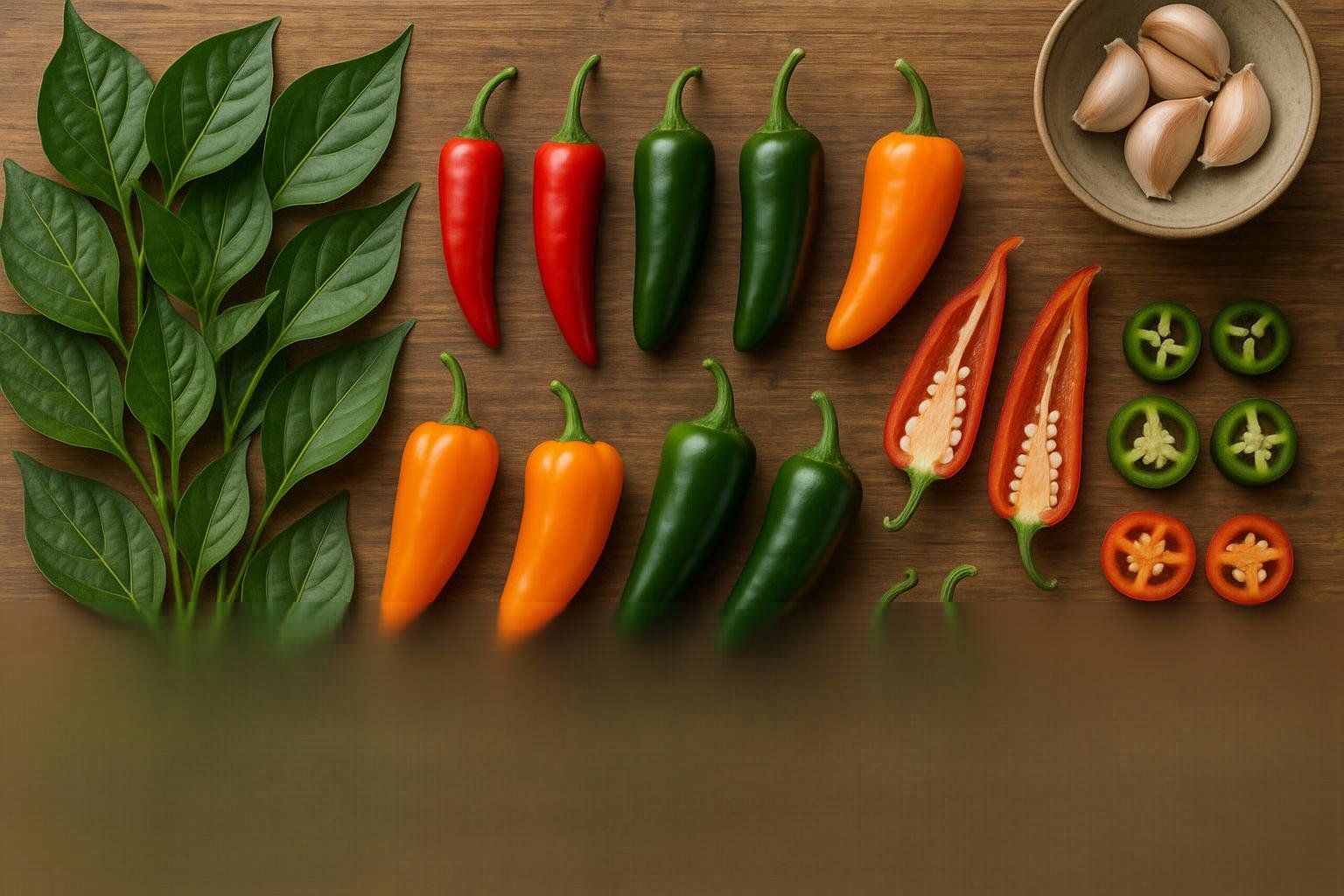
Pepper plants come in a wide range of varieties, each with unique characteristics you’ll notice both in the supermarket and your home garden. Edible types like bell peppers and hot chili peppers belong to the same Capsicum family, but they differ in flavor, appearance, and heat level.
Bell peppers are sweet, crunchy, and completely mild because they contain almost no capsaicin—the natural compound responsible for a pepper’s spiciness. In contrast, hot chili peppers like jalapeños, habaneros, and Thai chilis are loaded with capsaicin, especially in the white membranes inside the fruit and, to a lesser extent, in the seeds. This is why handling or cooking chili peppers often causes a burning sensation—capsaicin activates heat receptors in your skin.
Interestingly, it’s not just the fruit that offers value. The leaves of pepper plants, often used in Asian or Filipino cuisine, are tender, flavorful, and safe to eat once cooked. Pepper leaves deliver a mild, slightly earthy taste and are packed with vitamins A and C, as well as antioxidants that may boost immunity and support eye health.
Try adding a handful of washed, cooked pepper leaves to soups or stews for a nutritional boost—they’re especially delicious in tinola, a Filipino chicken soup. Remember, never eat pepper leaves raw, as they may be tough and difficult to digest, but when properly prepared, they can be a tasty and healthy addition to your meals.
Are Pepper Leaves Edible? Myths and Facts
Many people assume that all parts of the pepper plant are toxic because peppers belong to the nightshade family, which includes some poisonous relatives like deadly nightshade and tobacco. However, the leaves of most commonly grown edible peppers (Capsicum annuum and Capsicum frutescens) are actually safe and enjoyed in many cuisines, especially in Southeast Asia and the Philippines, where they’re stir-fried or simmered in soups.
It’s important to distinguish these from other members of the Solanaceae family—like potatoes and tomatoes—whose leaves should never be consumed due to higher concentrations of toxic alkaloids like solanine. Even within pepper plants, you should only eat the leaves and fruits; avoid stems and roots, as these parts can carry more potentially harmful compounds.
When harvesting pepper leaves, pick tender, young leaves rather than old, tough ones, as they have lower levels of bitter-tasting alkaloids and a better texture for cooking. Always cook pepper leaves before eating to reduce any remaining trace alkaloids and to enhance their flavor, similar to how spinach is prepared.
If you’re growing ornamental or wild varieties of peppers, double-check the species before consumption, since not all are cultivated with edibility in mind. By sticking to commonly cultivated edible pepper species and properly preparing the leaves, you can safely enjoy this underappreciated part of the plant without worry.
Safety Measures for Harvesting and Cooking Pepper Leaves
Not all pepper plants are safe for leaf consumption, so it’s crucial to identify edible varieties before harvesting. For example, leaves from common sweet peppers (Capsicum annuum) and chili peppers are popular in Filipino and Southeast Asian cuisine, while leaves from plants like black pepper (Piper nigrum) are not edible and may even be toxic. Always double-check your plant species by consulting reliable gardening guides or seed packets, and never consume leaves from unknown varieties.
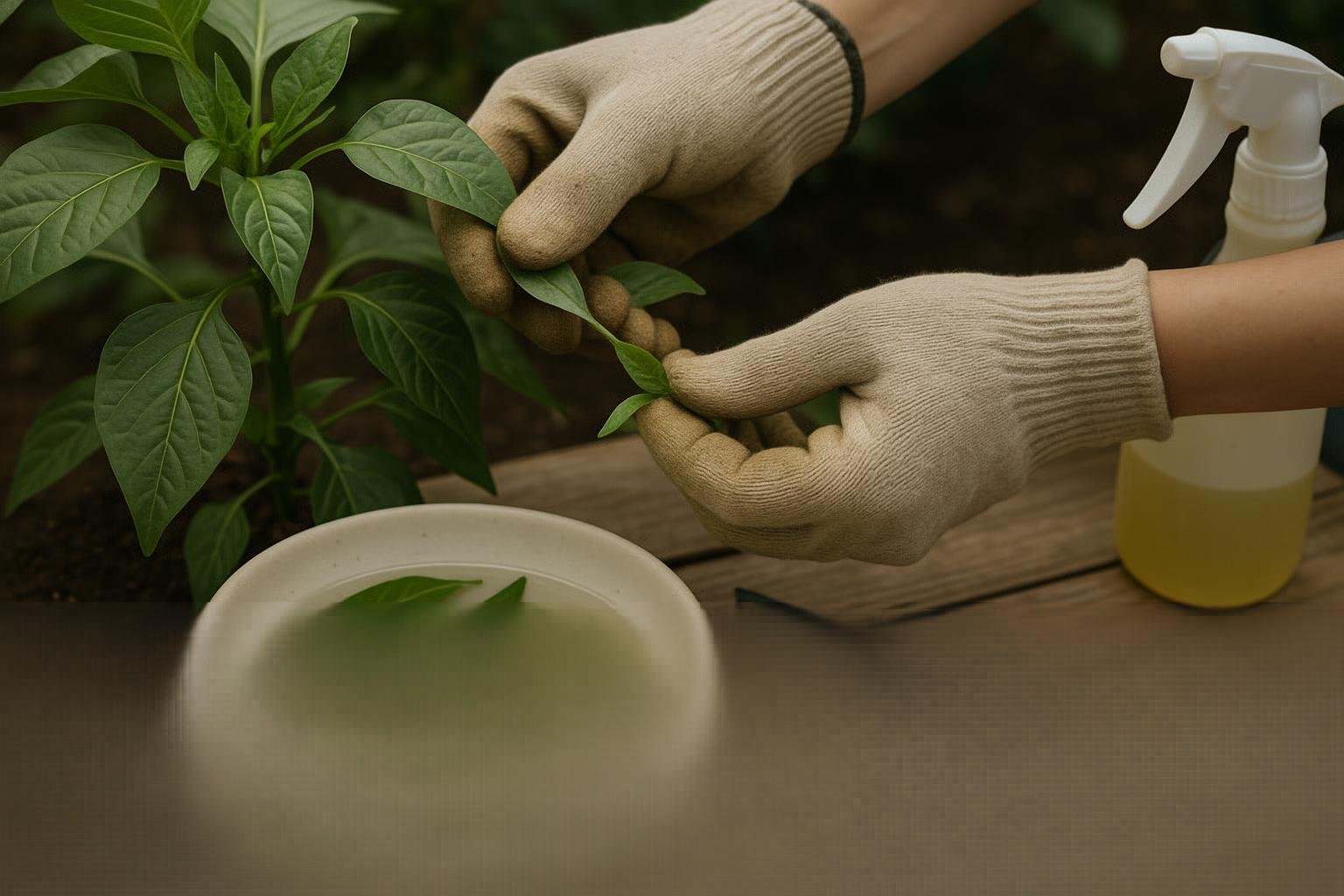
When harvesting, select only young, tender, and vibrant green leaves, as older leaves may be tough or bitter. Inspect plants for any signs of disease, pests, or discoloration, and avoid harvesting from plants recently treated with pesticides or herbicides—ideally, choose from organic or homegrown sources where you control any chemical use.
After harvesting, rinse the leaves thoroughly in cold water to remove any potential dirt or bugs. Some cooks soak pepper leaves in salted water for 10–15 minutes as an extra precaution. When preparing, discard any stems or damaged areas.
Cooking pepper leaves is essential, as raw leaves can sometimes cause stomach upset; sautéing, boiling, or adding them to stews are all safe methods. For example, in Filipino tinola, pepper leaves are simmered until soft, which not only makes them safe but also brings out their subtle flavor.
Using these attentive steps will help you enjoy pepper leaves safely and deliciously in your home cooking.
Possible Irritation or Toxicity: Who Should Be Careful?
While capsaicin—the spicy component in chili peppers—offers health perks, it can also cause irritation or toxicity, especially in certain groups. Common symptoms of capsaicin irritation include burning sensations on the skin or mucous membranes, redness, swelling, and watery eyes. If ingested, capsaicin may lead to stomach pain, nausea, or vomiting.
Consuming leaves from pepper plants is generally discouraged, as some contain compounds that can be mildly toxic when eaten, especially if unripe or improperly prepared.
Children are particularly sensitive to capsaicin and plant toxins, and even a small amount can cause distress or allergic reactions. Pregnant women should avoid unfamiliar or potent herbs and plants, including pepper leaves, due to limited research on safety and potential risks for the baby.
People prone to allergies or with sensitive skin should wear gloves when handling spicy peppers or their leaves, and avoid touching their face or eyes.
If you experience persistent discomfort, severe reactions like difficulty breathing, or accidental ingestion of an unknown plant part, seek medical advice or consult a healthcare professional promptly. When in doubt about using capsaicin-containing foods or plant parts, checking with a medical expert is the safest route.
Culinary Uses and Recipes
Pepper leaves are a culinary gem found in kitchens across Asia, especially in Filipino, Thai, and Japanese dishes. Their flavor is milder and less bitter than spinach, with a slight peppery bite and a tender, silky texture when cooked.
You can toss pepper leaves into a quick stir-fry with garlic, ginger, and a splash of soy sauce for a fragrant side dish—keep the cooking time short, about two minutes, to preserve color and texture.
They’re also a staple in comforting Filipino tinola soup, pairing beautifully with chicken, green papaya, and a hint of fish sauce.
In Thai cuisine, pepper leaves often appear in spicy curries or balanced stews with coconut milk and lemongrass, complementing both seafood and pork.
For a unique twist, add a handful to omelets or noodle dishes, just as you would spinach or bok choy. Pepper leaves pair well with flavors like sesame oil, chili, lime, and mushrooms.
To keep them fresh, wrap unwashed leaves in a paper towel inside a perforated bag and store in the crisper—they usually last up to five days. Always use pepper leaves from edible varieties, as others may be toxic.
With their versatility and gentle kick, pepper leaves can quickly become your new favorite green.
Growing and Caring for Edible Pepper Plants
Growing edible pepper plants, such as Capsicum annuum or the leafy “chili spinach” varieties, is a simple yet rewarding project for home gardeners. Start by planting them in well-drained soil with plenty of sunlight—at least six hours daily is ideal for robust fruit and healthy, tender leaves.
Water consistently but avoid waterlogging, and apply a balanced fertilizer to encourage lush growth. When harvesting, snip young leaves in moderation so the plant continues to thrive and produce both more leaves and peppers.
Because the leaves are consumed raw or lightly cooked, prioritize natural pest control. Inspect leaves regularly for aphids or mites, rinse them off with water, and use neem oil as a safe deterrent. Also, check for signs of fungal disease like spots or yellowing, and remove affected leaves promptly.
Growing your own peppers means you control the environment, minimizing exposure to harmful chemicals and ensuring fresh, safe greens for your table.
Conclusion
Pepper leaves can be a tasty and nutritious addition to your meals when handled with care. Always make sure the leaves you use come from edible varieties, as some plants in the pepper family can be harmful. Wash the leaves thoroughly and cook them before eating. Simple recipes like soups or stir-fries are great ways to enjoy their subtle flavor.
If you’re ever unsure about plant identification, ask a local expert or extension service for guidance. With a little caution and creativity, you’ll discover a new way to enhance your cooking and safely enjoy the unique benefits of pepper leaves.