Introduction
Getting the hot pepper soil requirements right is the first step toward producing a thriving, flavorful crop of peppers in containers. When it comes to growing hot peppers, soil is more than just “dirt”—it’s their foundation, influencing everything from growth speed to fruit heat and yield.
Container gardening gives you complete control over the environment, making it easier to optimize conditions and avoid common garden-bed pitfalls like poor drainage or persistent pests. With a pot, you can move your hot peppers to catch more sun, dodge chilly winds, and experiment with soil blends for the best results.
In this article, you’ll discover exactly what makes the best soil for growing hot peppers in pots, including the key soil properties that hot peppers crave, such as drainage, pH, and nutrient balance. We’ll break down the best potting mixes—both homemade and store-bought—so you can find options that fit your budget and gardening style.
You’ll also pick up actionable care tips to keep your soil in peak condition, helping your pepper plants stay healthy all season long. Whether you’re new to container gardening or looking to improve your harvest, you’ll learn how the right soil can make fiery peppers the star of your patio or balcony.
What Makes Great Soil for Potted Peppers?
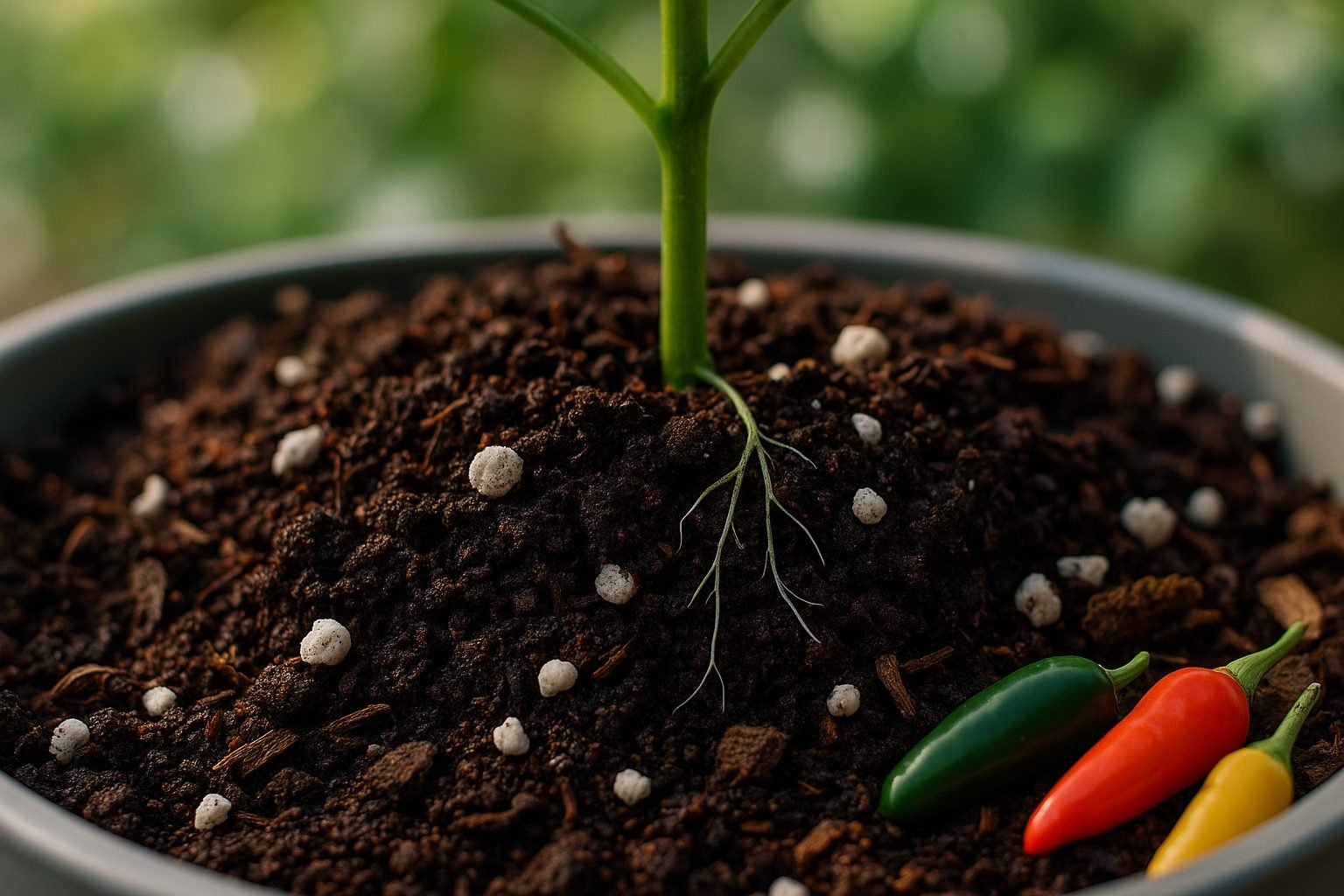
Great soil is the key to thriving potted pepper plants, whether you’re growing fiery jalapeños or sweet bell peppers. Peppers crave soil that drains well but still retains moisture, since their roots hate being waterlogged but need steady hydration. Look for a soil mix with plenty of organic matter—like compost or peat moss—for fertility and water retention, balanced with materials such as perlite or coarse sand to keep things loose and airy.
This aeration is essential because peppers rely on oxygen at their roots for strong growth. Aim for a crumbly, fluffy texture rather than anything dense or sticky. Fertility matters too; peppers are moderate feeders, so start with a soil enriched with slow-release organic fertilizer or plan to feed them regularly.
The ideal pH for both hot and sweet peppers falls between 6.0 and 6.8, slightly acidic but not too far from neutral—investing in an inexpensive soil test kit helps ensure you’re in the right range. While the basic needs are similar, hot peppers can sometimes tolerate slightly leaner or sandier soils, while sweet varieties often appreciate a bit more richness and consistent moisture.
Avoid using ordinary garden soil in your containers—it compacts too easily, drains poorly, and can harbor pests or diseases that spell trouble for tender potted plants. Instead, buy or blend a high-quality potting mix designed for vegetables; this gives your peppers the best shot at producing healthy foliage and abundant, flavorful fruit all season long.
Remember, happy pepper roots mean tasty peppers on your plate!
The Ideal Potting Mix: Ingredients and Ratios
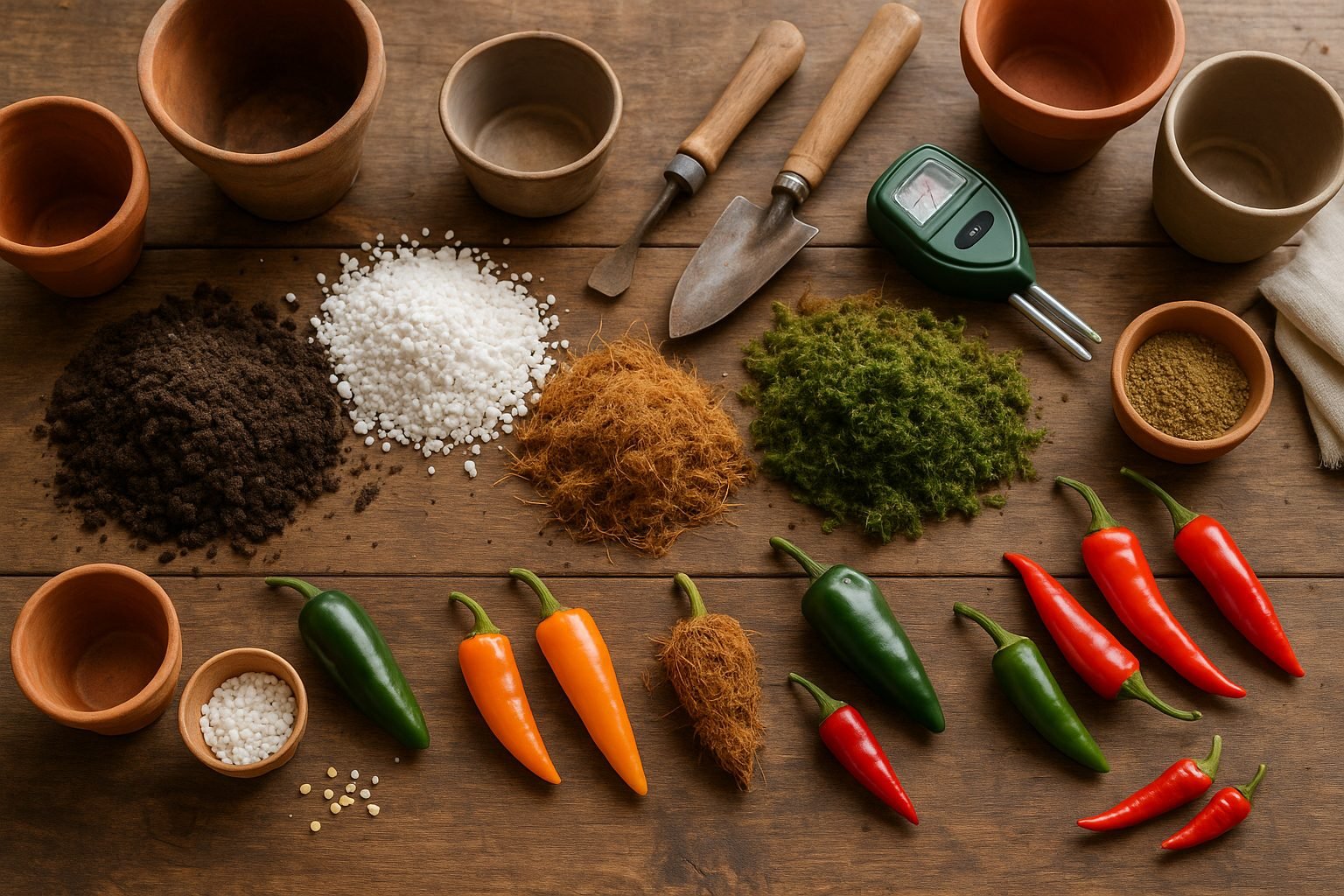
Creating the ideal potting mix for peppers starts with a few essential components: peat moss or coconut coir for moisture retention, perlite or vermiculite for drainage and aeration, and compost for slow-release nutrients. A tried-and-true ratio for a homemade blend is 40% peat moss or coconut coir, 30% perlite or vermiculite, and 30% high-quality compost.
This combination ensures your soil holds moisture without becoming waterlogged—critical for pepper roots, which dislike soggy conditions—and provides a nutrient-rich environment for your plants to thrive.
Mixing your own potting soil offers several advantages over pre-made commercial options:
- You control exactly what goes into your pots.
- It often results in better drainage and fertility.
- It can be more cost-effective in the long run.
Plus, many store-bought mixes contain synthetic fertilizers or wetting agents that can harm beneficial microbes or leave unwanted residues on your homegrown produce.
When assembling your mix, look for organic, chemical-free ingredients—certified organic compost, untreated coconut coir, and perlite manufactured without additives are all excellent choices. If possible, source components locally to reduce your environmental impact.
By customizing your own potting mix, you support both healthier plants and a healthier planet while ensuring your peppers get the best possible start.
Prepping and Testing Your Pepper Potting Soil
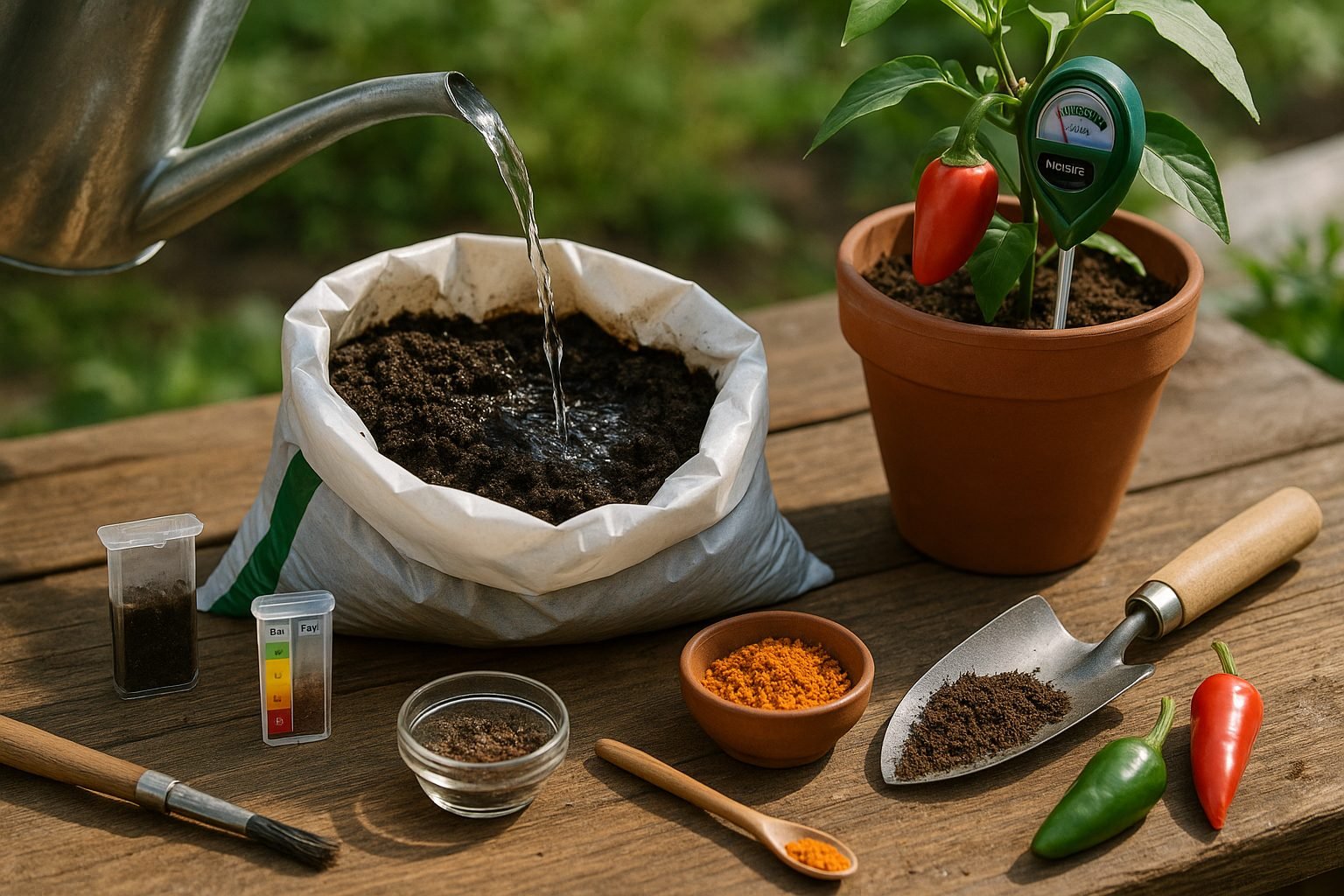
Prepping the perfect potting soil for your pepper plants starts with hydration—always moisten dry, store-bought soil before use, mixing in warm water by hand until it feels damp but not soggy. Next, blend in organic matter like compost or worm castings for a nutrient boost, and consider adding perlite or coco coir to improve drainage and airflow for busy pepper roots.
If you’re using garden soil or reusing potting mix, sterilize it by baking trays of moist soil in your oven at 180°F (82°C) for 30 minutes to kill off weed seeds and pathogens—just allow it to cool before planting.
For soil pH, pepper plants thrive between 6.0 and 6.8, so grab an inexpensive home test kit or pH meter from your garden center. If your reading is too low (acidic), sprinkle in some garden lime and mix well, retesting as you go; if it’s too high (alkaline), peat moss or elemental sulfur can help bring it down.
Reusing old potting soil? First, break up any clumps, remove visible roots, and spread it out in the sun for several hours, which helps freshen it up. Revitalize it with a hefty scoop of fresh compost, a sprinkle of balanced fertilizer, and a handful of perlite for texture.
With this process, your pepper plants get healthy soil that drains well and provides the nutrients they need for strong growth all season.
Do Peppers Like Acidic Soil? Understanding Soil pH
Soil pH plays a surprisingly important role in how well your pepper plants grow, flower, and produce fruit. Peppers generally thrive best in slightly acidic soil, with an ideal pH range between 6.0 and 6.8. When the soil strays outside this range—either too acidic or too alkaline—your plants can struggle to absorb vital nutrients, even if fertilizer is plentiful.
If the pH drops too low (too acidic), you might see stunted growth or yellowing leaves, as peppers miss out on nutrients like calcium and magnesium. On the other hand, if the pH climbs too high (too alkaline), leaves may curl or develop brown spots, and flowers could drop off before fruiting.
Thankfully, you can take simple steps to adjust your soil.
How to Adjust Soil pH
- To raise pH and make soil less acidic, add garden lime according to package instructions, mixing it into the top few inches of soil.
- If you need to lower the pH, mix in organic matter like composted pine needles or sphagnum peat moss, or sprinkle granulated sulfur around the base of the plants.
Before making any adjustments, it’s important to know your starting point. Home gardeners can find reliable, easy-to-use pH testing kits at most garden centers or online; the Luster Leaf Rapitest and SONKIR Soil Tester Meter are both popular, user-friendly options.
With regular testing and a few targeted tweaks, you can keep your peppers healthy and productive all season long.
Container Care: Maintaining Healthy Soil Throughout the Season
Keeping your potted pepper plants healthy starts with regular soil care. For fertilization, don’t just add plant food at planting and forget it—peppers in containers benefit from consistent feeding. Start with a slow-release fertilizer mixed into the potting mix at planting, then supplement every three to four weeks with a balanced liquid fertilizer, following package instructions to avoid overdoing it.
Watch for common signs that your soil is falling short: yellowing leaves, weak or stunted growth, wilting even when the soil seems moist, or a visible buildup of white crust (salts) on the soil surface. These symptoms often mean nutrients are lacking, roots are stressed, or the soil’s structure is breaking down.
To prevent these issues, water peppers when the top inch of soil feels dry—deeply enough so water runs out the drainage holes, but avoid shallow, frequent watering which encourages weak roots and can compact soil over time. Always empty saucers to prevent root rot, as sitting in water starves roots of oxygen.
Mulching with a 1-inch layer of straw, shredded leaves, or even coco coir keeps moisture in and regulates soil temperature, while also keeping weeds at bay.
Mid-Season Soil Refresh
Mid-season, refresh your container’s soil health with a top-dressing: gently remove the top inch of soil and replace it with fresh compost or high-quality potting mix. This simple step adds nutrients back without needing to repot, and helps peppers thrive until fall.
Keeping an eye on your soil’s condition throughout the growing season, plus a few quick maintenance steps, means big, flavorful pepper harvests from your smallest containers.
Common Pepper Potting Soil Problems (and How to Fix Them)
Growing healthy peppers in containers starts with great soil, but even experienced gardeners run into common pitfalls. One frequent issue is compaction—when soil becomes dense and hard, restricting root growth and water flow. If you notice water pooling on the surface or stunted plants, gently loosen the soil and mix in perlite or coconut coir for better aeration.
Sogginess is another big problem; overly wet soil can suffocate roots and encourage fungal diseases like root rot. Always use containers with drainage holes and let excess water escape. If the soil stays wet for days, add more drainage material or repot with a well-draining mix.
Nutrient depletion sneaks up over time, especially if you reuse old potting soil. Signs of deficiencies include yellowing leaves (often a sign of nitrogen loss), purpling (phosphorus), or pale, curling growth (potassium). Correct these with a balanced liquid fertilizer or an organic slow-release blend, and be sure to follow label recommendations to avoid overfeeding.
Poor soil doesn’t just stunt peppers—it invites pests and diseases like aphids and fungus gnats, which thrive in unhealthy conditions. Monitor your plants for leaf spots, wilting, or sticky residue, and keep the soil surface clean of debris to limit infestations.
When your potting soil smells sour, stays muddy, or your plants keep failing despite troubleshooting, it’s time to start fresh. Dump out the old soil, scrub containers with soapy water, and refill with high-quality, fresh potting mix designed for vegetables.
For season-long success, check your soil regularly, feed as needed, and don’t hesitate to replace the mix after one or two years of hard use. Your peppers—and your harvest—will thank you.
Frequently Asked Questions About Pepper Soil in Pots
Many beginner gardeners wonder if they can reuse soil when growing peppers in pots. The good news is you can, but it’s best to refresh old soil by removing roots, adding new compost, and mixing in fresh potting soil to restore nutrients.
When choosing a commercial potting mix, look for those labeled “vegetable” or “organic,” as these tend to be lighter, provide good drainage, and are often pre-fertilized. Popular brands like FoxFarm and Miracle-Gro offer reliable options, while organic gardeners might prefer Espoma or creating their own mix with peat, compost, and perlite for better moisture balance.
If you’re growing less common peppers—like habaneros, shishitos, or ornamental varieties—their soil needs are similar, but they often benefit from even lighter mixes. Adding some extra perlite or coconut coir can help prevent root rot.
For all pepper types, using a container with drainage holes and never letting pots sit in standing water is key. Beginners should check the top inch of soil before watering—it should feel dry to the touch—and feed plants with a diluted liquid fertilizer every few weeks to support strong growth. Don’t forget to rotate containers so plants get even sunlight.
For more details and visual guides, check out the websites of local agricultural extensions or search for “pepper container gardening tips” on reputable gardening blogs for troubleshooting and inspiration.
Conclusion
Good soil is the cornerstone of successful pepper container gardening, providing essential nutrients, moisture retention, and root support that peppers need to thrive in a confined space. While store-bought potting mixes offer a reliable starting point, don’t hesitate to experiment by adjusting textures and adding organic amendments like compost, perlite, or worm castings. Every gardener’s setup and local climate are unique, so customizing your soil often leads to the best results.
Pay attention to how your peppers respond, and don’t be afraid to tweak your soil blend from season to season. Have you discovered a special ingredient or homemade mix that helps your peppers flourish? Or do you have questions about troubleshooting your soil setup? Share your experiences and tips in the comments below so we can all learn from each other and continue growing even better peppers together.