Introduction to Greenhouse Pepper Growing
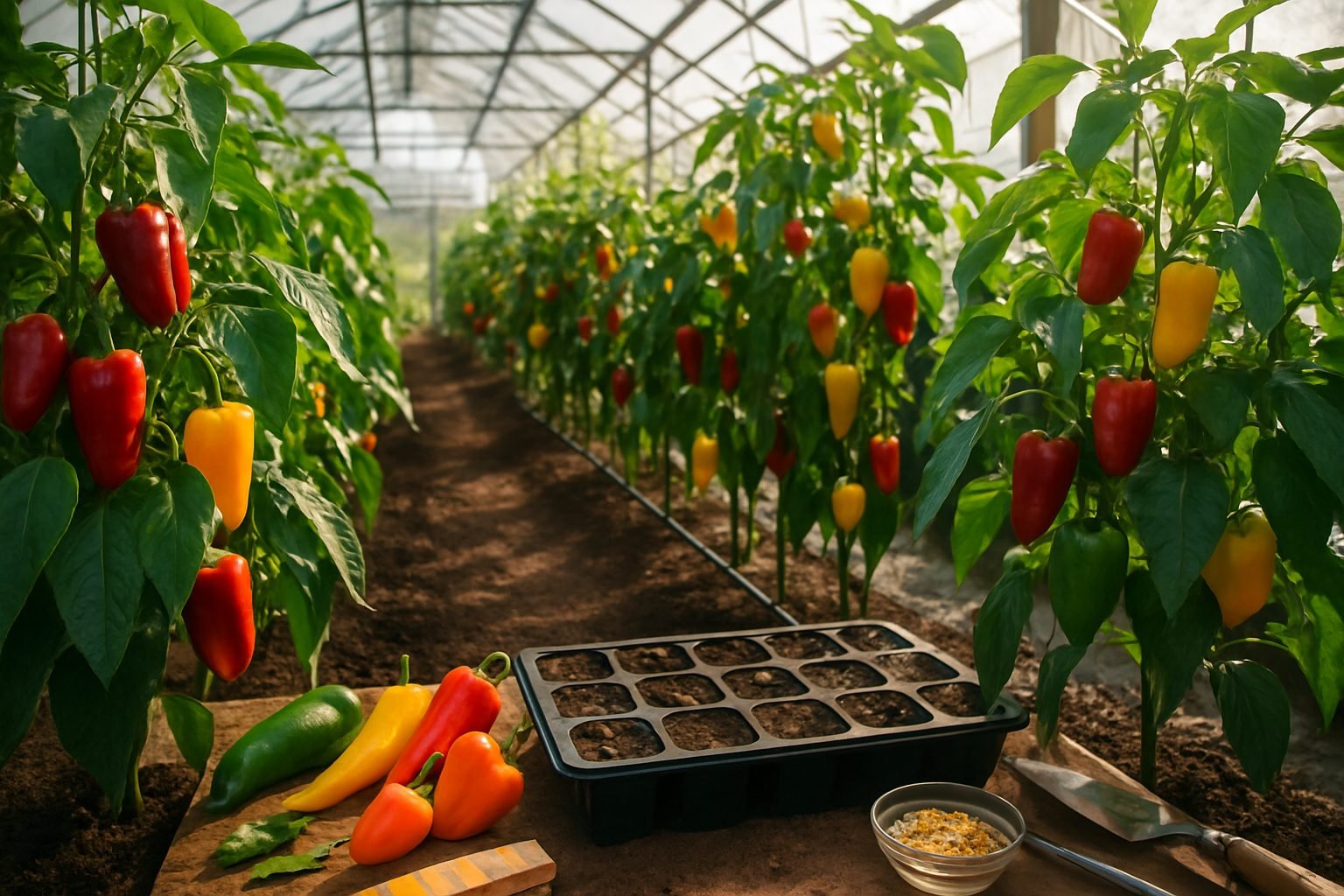
If you’ve ever wondered whether greenhouse hot peppers are worth your effort, you’re not alone. Hot peppers are among the most popular vegetables for gardeners, loved for their spicy kick and impressive versatility—from fresh salsas to pickled treats and homemade hot sauces. But if you live somewhere with unpredictable weather, short summers, or want higher yields, growing your peppers in a greenhouse can be a game changer.
Greenhouse growing offers a host of advantages for hot pepper enthusiasts. First, it gives you a much longer growing season. Since peppers thrive in warm, consistent conditions, moving them inside a greenhouse protects them from spring chills and autumn cold snaps, allowing you to start earlier and harvest later. You also gain more control—less worry about torrential rain, pests, or those surprise late-season frosts that can wipe out your outdoor crop overnight. By managing temperature, humidity, and even soil quality, you can create the perfect microclimate for your peppers to flourish, leading to healthier plants and often bigger, more flavorful harvests.
In this guide, we’ll walk you through everything you need to know to get started with greenhouse hot peppers. We’ll cover the best pepper varieties for greenhouse growing—whether you crave blazing Carolina Reapers or milder jalapeños—along with planning your greenhouse layout for optimal sun and airflow. You’ll find step-by-step tips for seed starting, transplanting, and maintaining healthy plants. Plus, we’ll share tricks to avoid common pitfalls like overheating, disease outbreaks, and pest problems. If you’re ready to spice up your gardening skills, read on to master the art of greenhouse hot peppers and enjoy fresh, fiery harvests no matter what the weather brings outside.
Choosing the Right Pepper Varieties
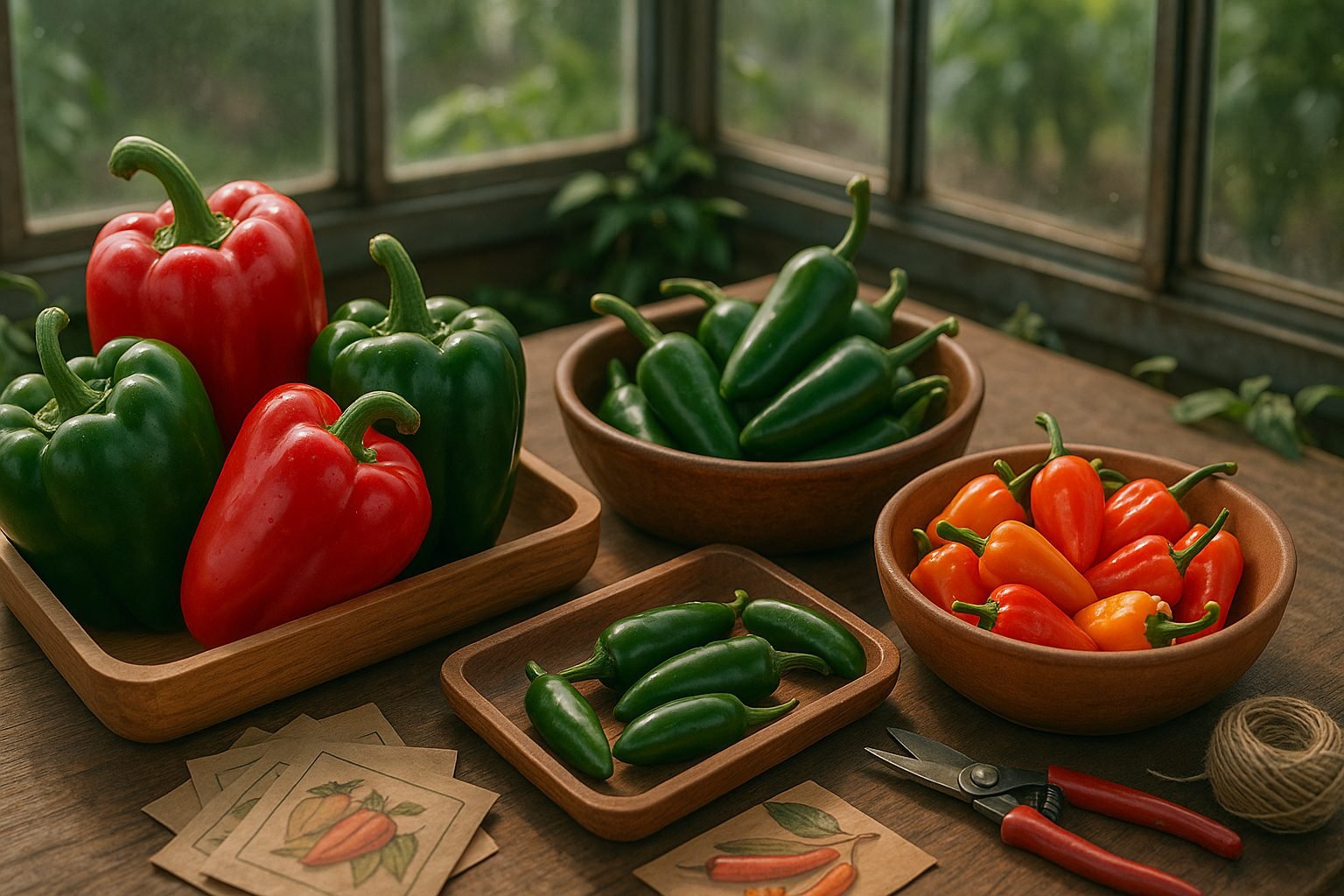
When choosing the right pepper varieties for your greenhouse or polytunnel, it helps to first understand the main types: sweet peppers and hot peppers. Sweet peppers, like bell peppers, come in shades of green, red, yellow, orange, and even purple, each offering distinct flavors and uses—reds are often sweeter, while greens have a sharper bite. Hot peppers, such as jalapeños, habaneros, and cayennes, range from mildly spicy to fiery hot, catering to different tastes and recipes.
Consider how you plan to use your peppers: sweet varieties are perfect for salads and stuffing, while hot peppers add punch to salsas and cooked dishes.
When selecting varieties for greenhouse growing, look for those described as “early ripening” or “compact,” as these tend to do best in controlled environments. Disease resistance is another key factor; greenhouse conditions can promote certain fungal or bacterial issues, so choosing resilient hybrids like California Wonder (sweet) or Anaheim (mildly hot) may save you headaches later.
Climate matters too—if you live in a cooler region, opt for varieties that mature quickly and thrive in moderate temperatures, such as Gypsy or Lunchbox mini sweet peppers. In warmer spots, you can experiment with heat-loving types like Hungarian Hot Wax or Padron.
Popular greenhouse performers include Sweet Banana, which is prolific and versatile, and Fire Flame, a dwarf chili suited to small spaces.
For best results, always check seed catalogs for notes on suitability for protected cultivation, and don’t be afraid to trial a few different types to see which thrive and suit your taste best. This approach ensures a rewarding, colorful pepper harvest tailored to your favorite dishes and specific growing environment.
Sowing and Planting Peppers
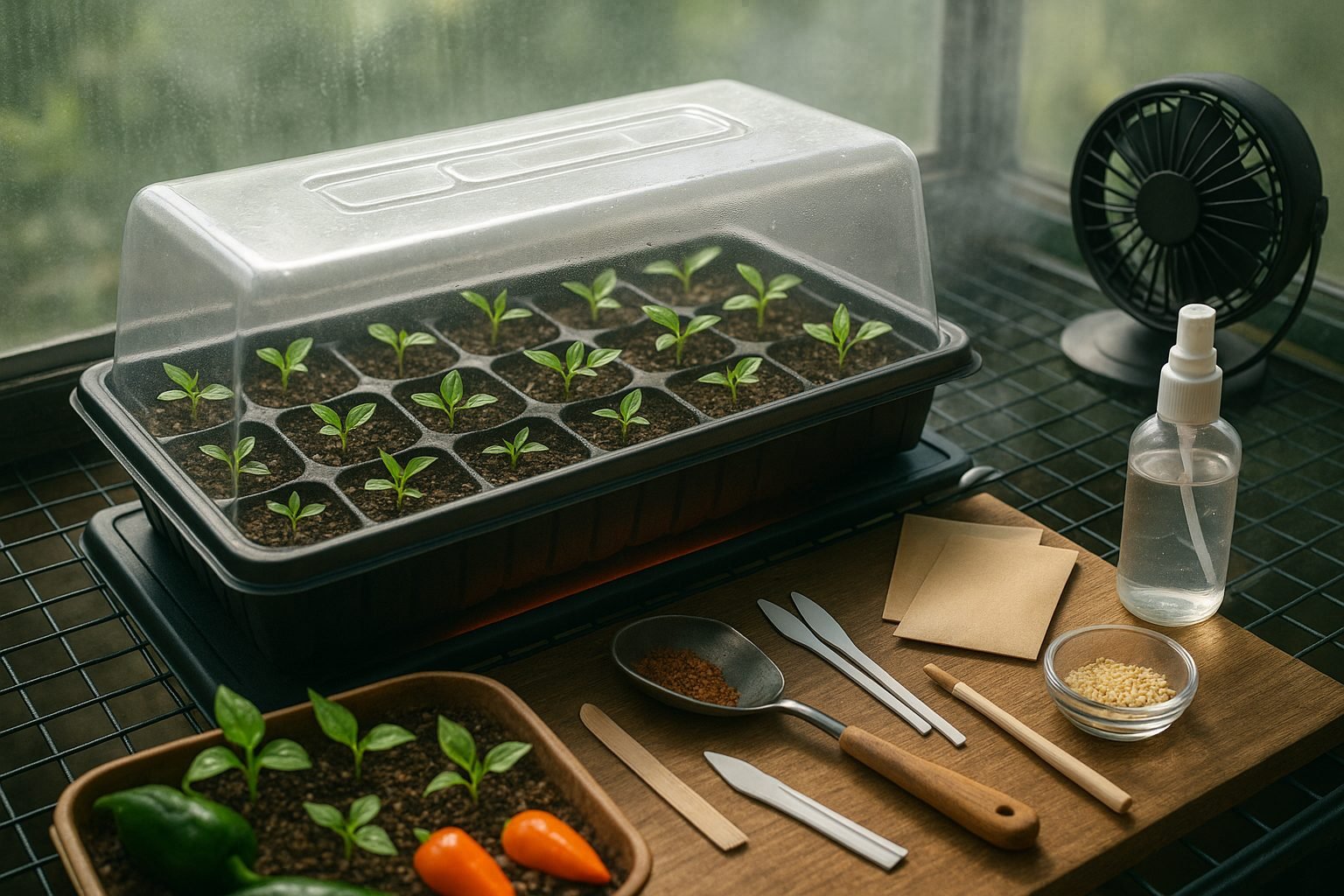
Starting pepper seeds indoors or in a greenhouse is all about timing and providing the right environment. Begin sowing seeds 8–10 weeks before your last expected frost. Most peppers need warmth to sprout, so keep the soil consistently between 75°F and 85°F (24°C–29°C). Using a seedling heat mat helps maintain this temperature, especially during chilly nights or in colder climates.
Sow seeds about 1/4 inch deep in a sterile seed-starting mix, and lightly mist the surface to keep it evenly moist—but not waterlogged—as soggy soil can cause seeds to rot. Covering trays with plastic domes or clear wrap helps trap humidity, but remember to remove the cover once seedlings emerge. Place trays under a bright grow light or in a sunny window, as peppers need 14–16 hours of light each day for strong growth.
Once the seedlings grow their first true leaves, reduce watering slightly and begin gentle air circulation with a small fan or by briefly opening a window. This prevents fungal diseases and strengthens stems.
Transplanting Seedlings
When seedlings are 2–3 inches tall with several true leaves, it’s time to think about transplanting. Prepare greenhouse beds or containers by working in compost or well-rotted manure and loosening the soil to a depth of at least 8 inches. Good drainage and nutrition are key for peppers.
Transplant seedlings 18–24 inches apart, giving each plant plenty of room for airflow and future growth. Handle seedlings carefully by their leaves (not stems), and plant them at the same depth they grew before to avoid stem rot. Water them in well after transplanting.
Hardening Off Seedlings
Before moving seedlings permanently to the greenhouse, harden them off over 7–10 days. Gradually expose plants to outdoor or greenhouse conditions—start with a few hours in filtered light, increasing the time and light intensity each day. Withhold fertilizer during this period and reduce watering slightly so plants adjust to tougher conditions.
By the end of hardening off, your pepper seedlings will be sturdy and ready for full-time life in your greenhouse, where they’ll be primed for a healthy and productive season.
Caring for Greenhouse Pepper Plants
Caring for greenhouse pepper plants involves a mix of daily attention and weekly routines to keep them thriving.
Every day, check the moisture level in the soil by feeling a few inches down—peppers dislike soggy roots, so only water when the top inch feels dry. Water at the base to keep the foliage dry and prevent disease. Monitor humidity, aiming for around 60–70%; if it spikes higher, open windows or use fans to prevent fungal issues.
Once a week, fertilize with a balanced liquid fertilizer, reducing the amount if leaves turn yellow or growth seems sluggish. Pruning is key: remove lower leaves that touch the soil and any branches blocking light from reaching fruit. Pinch off the very first flowers on young plants to direct energy into root and vine growth.
Train your plants with soft ties on a trellis or stake, gently guiding branches upward for more airflow and even ripening—this is especially helpful for tall varieties prone to sprawling.
Temperature matters too: aim for daytime temperatures between 70–85°F and nights above 60°F, using shades, heaters, or venting as needed. Sudden chills or heat spikes can cause flowers to drop.
Since greenhouses limit insect access, help pollination along by gently shaking the stems in the morning or using a soft brush to transfer pollen between flowers.
Avoid common pitfalls like overwatering, letting plants sit in standing water, or crowding them together, which encourages pests and poor airflow. Always keep walkways clear and pick up dropped leaves to reduce disease risk.
By sticking to these routines, you’ll keep your greenhouse peppers healthy, productive, and ready for a flavorful harvest.
Dealing with Common Pepper Growing Problems
Growing peppers in a greenhouse can be rewarding, but even with close monitoring, pests and diseases can sneak in. Keep an eye out for aphid clusters, which often hide on the undersides of leaves and cause wrinkling or sticky residue (honeydew). A blast of water or introducing ladybugs works wonders to control them organically.
Spider mites are harder to spot but leave behind fine webbing and speckled, yellowing leaves. Try raising humidity or releasing predatory mites as a natural solution.
Fungal infections like powdery mildew show up as white, dusty patches. Improve air circulation, avoid overhead watering, and remove infected leaves promptly to keep outbreaks at bay.
If your peppers aren’t fruiting or seem stunted, double-check that pollination is happening. Gently shake plants or use a soft paintbrush to move pollen if needed, and confirm the greenhouse temperature stays between 70–85°F for optimal growth.
Sometimes, overcrowding or poor soil nutrition slows growth. Thin plants for better airflow and feed with a balanced, organic fertilizer.
Integrated Pest Management
- Rotate crops between seasons
- Use sticky traps to monitor flying pests
- Keep floors weed-free so pests have nowhere to hide
Prevent many issues by inspecting new plants before bringing them indoors, regularly cleaning greenhouse surfaces, and quarantining any sick-looking plants. These practical steps help keep your pepper crop healthy and productive all season.
Harvesting and Storing Your Peppers
Knowing when and how to harvest your peppers is key to getting the most flavor and yield from your plants. Most peppers reach maturity when they’ve achieved their mature color—think bright red, yellow, orange, or glossy green, depending on the variety.
Check size by referencing seed packet guidelines or online resources for your pepper type; mature peppers should be full-sized but still feel firm when lightly squeezed. Avoid picking soft or wrinkling peppers, as these are overripe.
To harvest without damaging the plant, use a sharp pair of scissors or pruning shears rather than just pulling peppers off by hand. Snip the stem about half an inch above the pepper, which helps prevent injury to both the fruit and the vine.
If frost threatens or you have peppers still green late in the season, you can pick them and let them finish ripening at room temperature—just keep them out of direct sunlight and check daily for color changes.
Storing Your Peppers
For short-term storage, refrigerate unwashed peppers in a perforated bag or wrapped in a paper towel in the crisper drawer, where they’ll stay fresh for about a week.
If you have a big haul, consider freezing sliced peppers or making pickled peppers for longer preservation. Freezing is easy:
- Wash the peppers
- Remove the seeds
- Slice them
- Spread the pieces on a tray to freeze before bagging
Maximizing Your Pepper Yield
To maximize your overall yield, harvest peppers regularly and promptly, as picking ripe fruits encourages the plant to set more fruit. In fact, a weekly check and harvest is often enough to boost your pepper output all season long.
Conclusion and Next Steps
Growing peppers in a greenhouse is a rewarding journey that combines the excitement of gardening with the satisfaction of harvesting your own fresh produce. This guide has covered choosing the right varieties, setting up the ideal environment, and providing proper care throughout the growing season.
Remember, even beginners can succeed by starting with easy-to-grow varieties like bell peppers or jalapeños and learning through trial and error. If you’re eager to learn more, consider joining online communities like the Pepper Lovers Community on Reddit or local gardening clubs, where members actively share advice and encouragement.
You’ll find endless resources—such as YouTube tutorials, gardening forums, and seed supplier blogs—that can answer your questions as you progress. Ultimately, greenhouse pepper growing isn’t just about the harvest; it’s about nurturing plants, discovering new flavors, and enjoying the process along the way.
Every colorful pod picked is a small victory, and with each season, your knowledge and confidence will grow. So, gather your seeds, set up your greenhouse, and dive in—you’ll soon find that cultivating peppers offers both delicious rewards and a wonderful way to unwind.