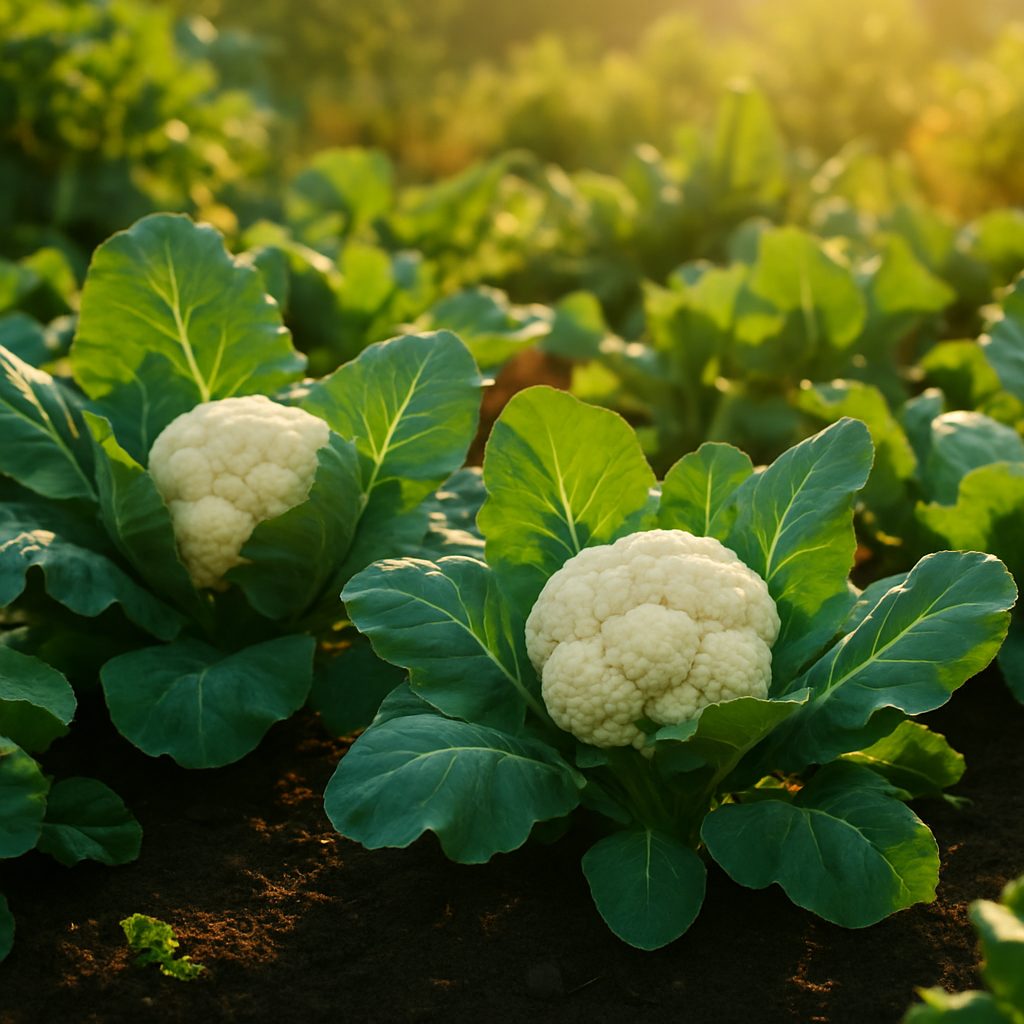
Understanding Cauliflower Sunlight Requirements

Understanding sunlight for cauliflower is essential if you want to grow healthy, flavorful heads in your garden. Put simply, cauliflower thrives best in full sun rather than partial shade. In gardening terms, “full sun” means your cauliflower plants should receive at least 6 to 8 hours of direct sunlight each day. This level of light intensity provides enough energy for the plants to photosynthesize effectively, driving strong leaf production and proper head (curd) formation.
If you’re planting in an area that only gets dappled light or several hours of shade, your cauliflower may become leggy, develop smaller heads, or even fail to produce a harvest.
Why Does Sunlight for Cauliflower Matter So Much?
Like most brassicas, cauliflower uses sunlight to fuel its rapid growth cycle. Consistent, intense light encourages compact, creamy-white heads rather than loose or discolored ones. If your garden has a southern or western exposure, that’s typically ideal—these spots get the most uninterrupted sunlight during the day.
For gardeners in hotter regions where afternoon heat is intense, providing some light shade in the late afternoon can help prevent heat stress, but avoid too much shade throughout the day.
One practical tip is to plant cauliflower where taller crops won’t block the sun as the season progresses. Checking your garden’s light pattern before planting can make all the difference—successful cauliflower depends on those valuable hours of sunlight each day.
The Best Location: Choosing Where to Grow Cauliflower
When selecting the best spot to grow cauliflower, aim for areas that receive at least six hours of direct sunlight daily—eight hours is even better. For in-ground garden beds, place them in the sunniest part of your yard, away from tall trees or fences that could cast shade, especially during midday.
If you’re starting seeds indoors, consider your hemisphere: north-facing windows capture the most sunlight in the Southern Hemisphere, while south-facing windows are best in the Northern Hemisphere. East- and west-facing windows can help supplement light but may not provide enough for cauliflower’s vigorous growth.
For container gardening, take advantage of mobility; move pots to sun-drenched patios or decks during peak sunlight hours and rotate them weekly to ensure even exposure on all sides. If you notice slow growth or leggy, pale seedlings, these are signs they need more sunlight—try relocating them to a brighter spot.
Remember, inadequate light leads to smaller heads and bitter tastes, so maximizing sun exposure always pays off with tastier, healthier cauliflower.
Balancing Sunlight and Shade: What to Do When It’s Too Much
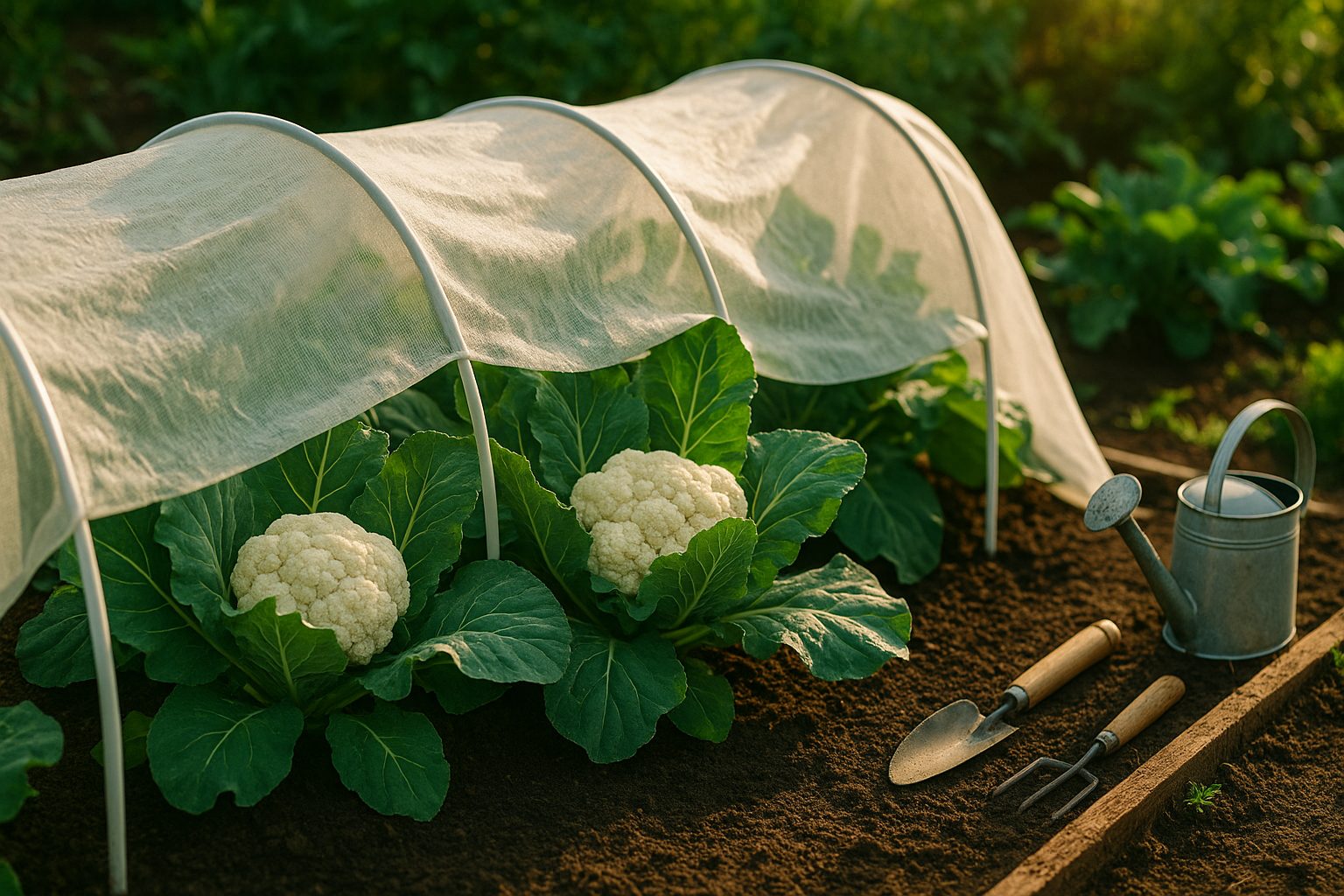
Cauliflower plants are particularly sensitive to excessive sun and heat, which can quickly cause stress signs like yellowing leaves, wilted foliage, and curds that become loose or develop a bitter flavor. If your plants start looking droopy by midday or you notice the curds separating, it’s a clear sign they’re getting too much direct sunlight or heat.
An easy solution is to create some relief with shade cloth—choose a lightweight, breathable fabric and drape it over hoops or stakes above your cauliflower, making sure there’s plenty of airflow. If you’re growing cauliflower in a spot with intense afternoon sun, providing partial shade during the hottest part of the day (usually between 2 p.m. and 6 p.m.) can prevent bolting—that’s when the plant flowers early and spoils the harvest—and helps keep the flavor mild.
Even something as simple as propping up a beach umbrella or hanging an old bedsheet can offer effective temporary shade in a pinch. These strategies help your plants stay cool and healthy, ensuring tight, tender heads rather than tough, bitter ones.
Be sure to regularly check your plants during hot spells and adjust your shading as the sun shifts so they get the protection they need without being completely deprived of light.
Soil, Water, and Care for Sun-Loving Cauliflower
Growing cauliflower in full sun is fantastic for strong, compact heads, but it also means your soil dries out faster and plants need more regular watering. Under these sunny conditions, it’s important to check soil moisture daily—especially during hot afternoons—and give your cauliflower a deep, thorough watering whenever the top inch of soil feels dry.
To keep the soil from drying out too quickly, prepare your bed with plenty of moisture-retaining organic matter like compost or well-aged manure. This helps roots stay cool and hydrated even on the hottest days.
Mulching is another simple but powerful trick: spread two or three inches of straw, chopped leaves, or grass clippings around your cauliflower to lock in moisture, keep soil temperatures steadier, and reduce how often you need to water.
For sunny spots, avoiding dry spells is crucial—cauliflower doesn’t like to wilt, and inconsistent watering can lead to small, bitter heads. Try setting a regular morning watering routine, or consider a soaker hose to maintain steady soil moisture.
By prepping your soil well and keeping a close eye on water needs, you’ll help your sun-loving cauliflower thrive all season long.
Common Sun-Related Problems and How to Solve Them
Growing healthy sun-loving plants, like sunflowers, lettuce, or tomatoes, often means dealing with some common sun-related problems. For example, sunburn appears as pale or brown patches on leaves and fruit caused by overexposure to harsh sunlight. To prevent this, gradually acclimate young plants to direct sun or use shade cloth during extreme heat.
Bolting—when a plant suddenly goes to seed in hot weather—can ruin crops like lettuce or spinach. You can avoid bolting by planting heat-sensitive crops early in the season, mulching to keep the soil cool, and using row covers during heatwaves.
Poor head development, especially in cabbages or broccoli, often results from uneven sunlight or inconsistent watering. To combat this, make sure plants aren’t crowded, rotate crops annually, and provide regular, deep watering.
Inspect your garden frequently—catching issues early lets you adjust care, such as providing extra shade or tweaking your watering schedule as the seasons change. Regular monitoring is key; weather can shift quickly, and being proactive keeps your garden healthy and productive all summer long.
Tips for Year-Round Success: Seasonality, Harvest & Sun
Changing seasons impact both the amount and intensity of sunlight your cauliflower receives, which directly affects its growth and head quality. During spring and fall, the milder temperatures and gentler sun are ideal for cauliflower, as it prefers cooler weather. In summer, intense heat and longer daylight can cause heads to bolt or turn bitter, while winter’s short days may not provide enough light for robust development.
If you’re growing cauliflower in containers, move them to a sunnier spot in early spring and late fall to capture the limited rays. However, offer partial shade or protection during summer afternoons to prevent scorching. Always check your local frost dates and plant cauliflower so heads mature when temperatures are consistently between 60–70°F.
For the healthiest crop, monitor head development closely—harvest heads when they’re compact, white, and about 6–8 inches across. If strong sun threatens to yellow or sunburn the heads, gently tie the outer leaves over them (a technique called “blanching”) for shade.
This bit of care—timing your planting, adjusting container location as the sun shifts, and shielding developing heads—can help ensure beautiful, tasty cauliflower throughout the year.
Troubleshooting FAQs & Quick Reference
Many gardeners wonder how much sun cauliflower needs and what to do if the leaves start yellowing. In general, cauliflower thrives in full sun—about 6 to 8 hours per day. However, in very hot regions, a bit of afternoon shade can help prevent heat stress and wilting.
If your cauliflower’s leaves are turning yellow, first check for sunlight issues, but also consider water supply and soil nutrition. Too little sun leads to leggy, weak plants, while too much intense sun—especially in southern climates—can cause leaf burn and stress the plant.
Quick Checklist
- Observe how many hours of direct sunlight your plant receives.
- Feel the soil for moisture.
- Inspect leaves daily for color changes.
Adjust plant placement or provide shade cloth if necessary, and always mulch to help retain soil moisture. Remember, your yard’s microclimate—factors like nearby structures, trees, or reflected heat—can have a big impact, so watch closely and tweak care as needed.
Successful cauliflower grows best when you monitor and respond to what your specific garden is telling you, rather than sticking to a strict rule.