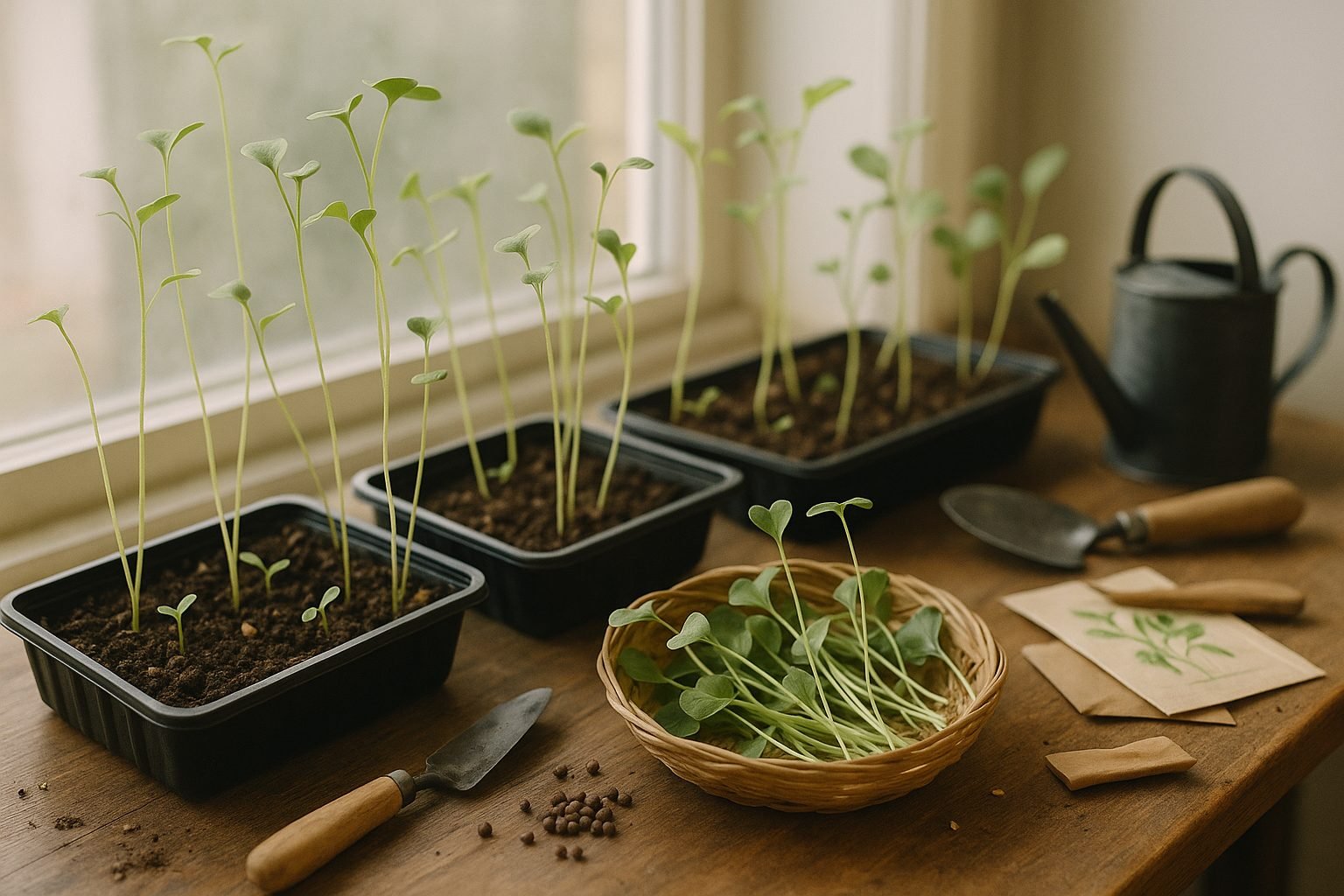
What Are Leggy Seedlings?
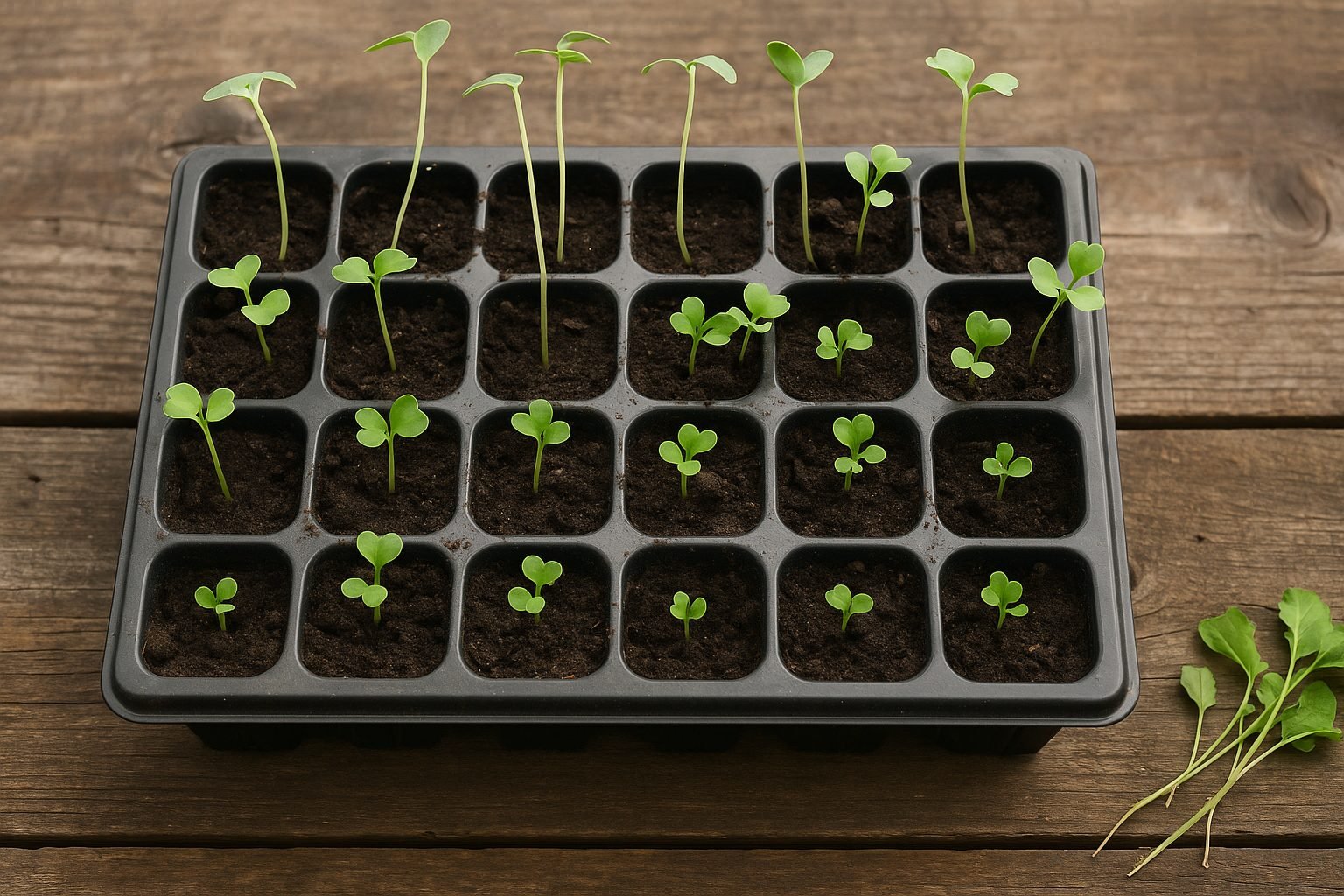
If you’ve noticed radish seedlings becoming leggy and collapsing shortly after sprouting, you’re not alone—leggy seedlings are a common frustration for gardeners, both beginners and seasoned growers alike. So, what exactly are “leggy seedlings”? In simple terms, leggy seedlings are young plants that have grown tall, thin, and weak instead of short and sturdy. Rather than developing a firm, upright stem, leggy plants stretch upwards rapidly, searching for more light, which leaves them vulnerable to toppling over under their own weight.
Signs of Leggy Seedlings
The most obvious sign of a leggy seedling is its elongated stem. Instead of being short and stocky, the stem looks spindly—like it’s trying to reach for the sky. You’ll probably notice the stems are much thinner than they should be, almost thread-like, and often pale in color. Leaves on leggy seedlings are typically spaced far apart because the plant is growing upward faster than it can develop new leaf growth. This makes the seedling unstable and less able to support itself, especially during the early stages when roots aren’t fully developed.
Plants Commonly Affected by Legginess
Radishes are certainly susceptible to becoming leggy, but they’re far from the only plants with this problem. Tomatoes and peppers, for example, are notorious for stretching toward the light if they don’t receive enough from the start. You might also see this in marigolds, lettuce, or cabbage grown indoors on windowsills that don’t get consistent bright light.
How to Prevent Leggy Seedlings
If you spot your seedlings leaning, reaching, or flopping over, chances are they’re leggy—often a sign of insufficient light or crowded conditions. Providing adequate lighting and proper spacing can help your radish seedlings (and others) develop into healthy, robust plants ready for a successful season.
Why Do Seedlings Become Leggy?
Leggy seedlings are a common frustration for gardeners, often caused by a few key factors: insufficient light, excess heat, and overcrowding in seed trays. When seedlings don’t get enough light, they instinctively stretch upward in search of it. This causes their stems to become thin, weak, and floppy. This usually happens when seeds are started indoors on a windowsill—especially during the darker months—or without a nearby grow light.
Similarly, too much heat—often from placing trays near radiators or using strong heat mats—can accelerate growth, pushing seedlings to shoot up quickly before their stems and leaves become sturdy. Overcrowding is another culprit; when many seedlings grow close together, they compete for both light and space, forcing each other to stretch higher to out-compete their neighbors.
Early warning signs of legginess include:
- Spindly, pale stems
- A noticeable tilt or lean toward light sources
- Leaves spaced far apart along the stem
Spotting these red flags early is crucial because leggy seedlings are more vulnerable to collapsing, pests, and diseases later on. To prevent problems, make sure seedlings have plenty of bright, direct light (use grow lights if possible), maintain a moderate, even temperature, and thin seedlings to give each one room to grow robustly.
Acting quickly can help you salvage leggy seedlings or, even better, avoid the problem altogether—giving your plants a stronger, healthier start.
Are Leggy Seedlings a Big Problem?
Leggy seedlings can be a real headache for gardeners, especially if left untreated. When young plants grow tall and spindly—often due to insufficient light—they become weak, with thin stems that struggle to support their leaves. This makes them more likely to collapse under their own weight or suffer damage during simple watering.
If you transplant leggy seedlings outdoors, they often experience severe shock, making it harder for them to take root and grow strong. This can reduce the overall yield of your vegetable or flower garden. For example, tomatoes tend to bounce back if planted deeply since their stems will develop roots, but crops like lettuce or zinnias may never fully recover and might stay stunted or even die.
Interestingly, not all legginess spells disaster—very mild stretching, especially if caught early, can sometimes be fixed by adjusting light or gently repotting. Some plants, like sunflowers, are more forgiving, while others, such as peppers and celery, can’t tolerate spindly starts and will show poor performance all season.
The key is to know which crops you’re dealing with and to address issues early. Catching legginess right away with brighter light and proper spacing can help you save your seedlings before major problems develop.
How to Prevent Legginess in Seedlings
Preventing legginess in seedlings starts with ensuring they get enough bright, direct light for most of the day. A windowsill often isn’t adequate; seedlings need about 14–16 hours of consistent light—so invest in affordable LED grow lights or fluorescent shop lights, positioned just a few inches above the tops of seedlings for the best results. As the plants grow, raise the lights to maintain that close distance without burning the leaves.
Alongside light, keep temperatures in the “goldilocks zone,” ideally 65–75°F during the day and slightly cooler at night, which helps seedlings grow steadily instead of stretching toward heat sources.
Overcrowding is another major cause of legginess; sow seeds thinly or thin out crowded groups once they develop their first true leaves, leaving an inch or two between each plant. This spacing ensures every seedling gets ample light and air circulation, discouraging weak, elongated stems.
Water wisely—overwatering can encourage spindly growth, so let soil dry slightly between waterings and aim to keep soil moist but not soggy. Bottom watering is helpful: set trays in a shallow pan of water for a few minutes so roots soak up just what they need.
For strong, compact seedlings, gently brush your hand over them once daily or set a small fan on low nearby—this motion simulates natural wind, nudging stems to grow thicker and sturdier.
Following these simple habits leads to resilient young plants that can make a healthy transition to the garden when the time comes.
How to Fix Leggy Seedlings
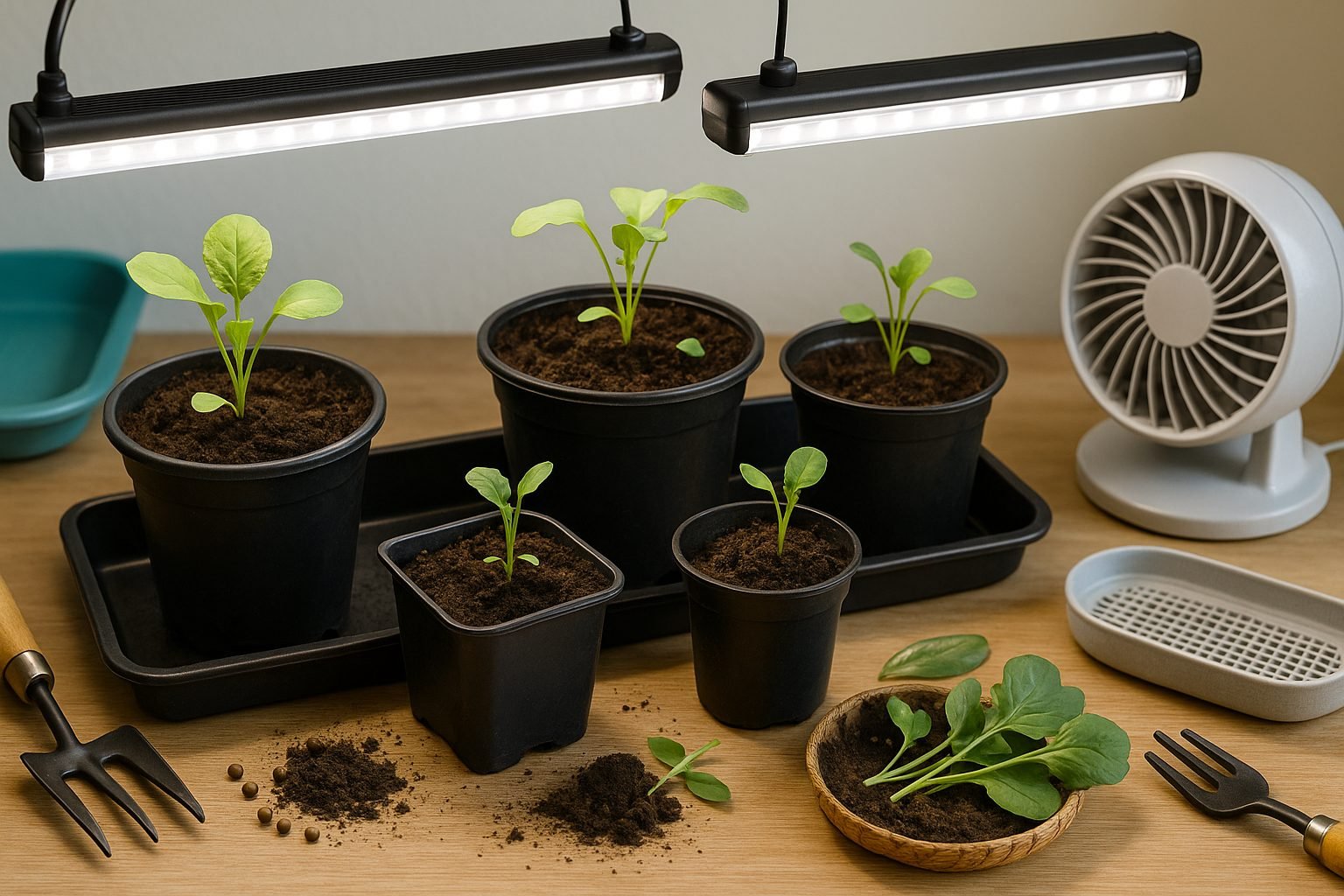
Fixing leggy seedlings starts by tackling the most common cause: insufficient light. Move your seedlings to a spot where they’ll get bright, direct light for at least 12–16 hours a day. Using a grow light positioned a few inches above the tops works great—just be sure to raise it as the plants grow.
Next, mimic outdoor breezes by gently brushing your hand across the seedlings a couple of times daily or running a small fan on low nearby. This gentle movement encourages stockier growth and stronger stems.
Pay attention to temperature, too—seedlings often stretch when it’s too warm. If you’re using a heat mat, remove it once the seeds sprout, and aim for daytime temps around 65–70°F (18–21°C).
Also, watch your watering habits: keep the soil slightly moist but not soggy. Overwatering can weaken stems and contribute to leggy growth.
If your seedlings are already stretched, try potting up—simply move each seedling to a larger container and bury the stem deeper, up to the first set of true leaves. This not only gives the plant better support but also encourages new roots to sprout along the buried stem, resulting in a more robust plant.
After potting up, continue strengthening the stems by giving seedlings a gentle brush or fan regularly.
As transplanting time approaches, start “hardening off” by gradually exposing seedlings to outdoor conditions. Set them outside in dappled shade for a few hours daily, increasing their time and sunlight exposure over a week or two.
With these steps, your leggy seedlings will transform into sturdy, garden-ready plants.
Tips for Transplanting Leggy Seedlings
Transplanting leggy seedlings can be nerve-wracking, but with the right technique, you can give even the spindliest plants a strong new start in the garden. Begin by gently handling each seedling and planting it deeply—especially for tomatoes and similar plants, bury the stem right up to the bottom set of leaves. This encourages new roots to sprout along the buried stem, resulting in a sturdier, healthier root system.
For other veggies like peppers, you can still plant a bit deeper than the original level if they’re extra lanky, but avoid covering leaves or the growing tip. When you transplant, choose a cloudy day or plant in the evening to reduce transplant shock, and water thoroughly right after planting to help settle the soil around the roots.
To support your seedlings during acclimation, consider using temporary shade cloth or placing an overturned basket or box over each one for the first few days to protect from intense sun and wind. Mulch lightly and keep the soil consistently moist (not soggy) for faster recovery.
If tomato stems are especially floppy, insert a small bamboo stick or garden stake to provide gentle support until they’re established. Finally, ease your seedlings into direct sun gradually with a few days of hardening off before planting—moving them outside for a few hours each day—so they’re less likely to wilt or get sunburned. With a little extra care, leggy seedlings can thrive and produce a bountiful harvest.
Final Words and Common Questions
Preventing and fixing leggy seedlings often comes down to a few simple strategies: providing enough light, spacing seedlings properly, and making sure they’re not too warm. Place trays in a bright, sunny spot or use a grow light just a few inches above the plants. Rotate trays daily for even growth and avoid overcrowding, which can block light and cause stems to stretch.
If your seedlings are already leggy, don’t worry—many can bounce back. Try gently replanting them deeper in fresh soil to support weak stems, and adjust the lighting right away.
A common question is whether leggy seedlings can recover or if it’s best to start over. In most cases, seedlings can recover with care, but if they’re extremely spindly or floppy, starting new seeds might be the faster route.
Remember, every gardener faces legginess at some point—it’s a normal hiccup, not a failure. Stay patient, learn from what worked and what didn’t, and know that each round makes you a better grower. Even experienced gardeners have a few wobbly seedlings now and then, so keep experimenting and enjoy the process of bringing your plants to life.