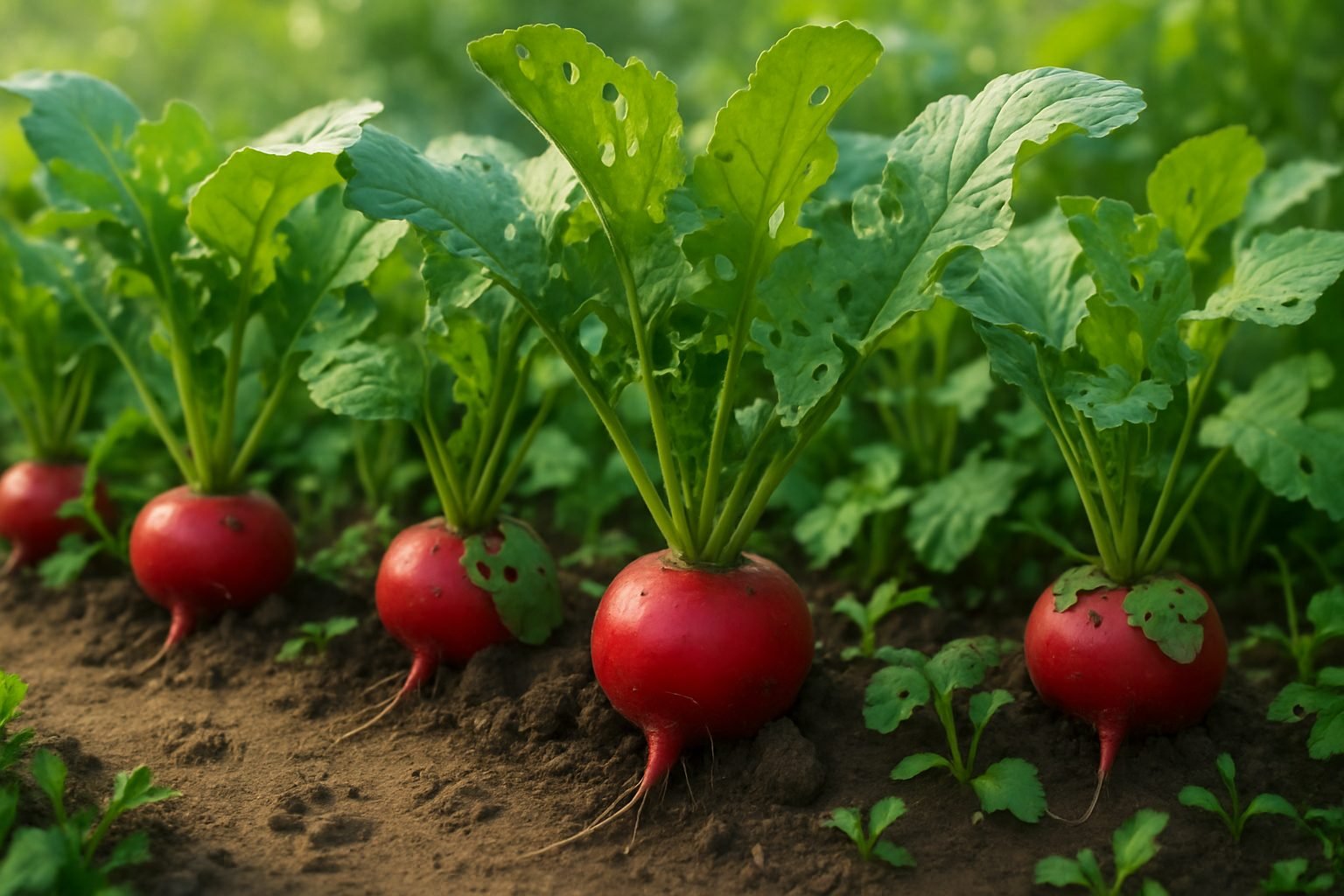
Common Wild and Garden Animals That Eat Radishes
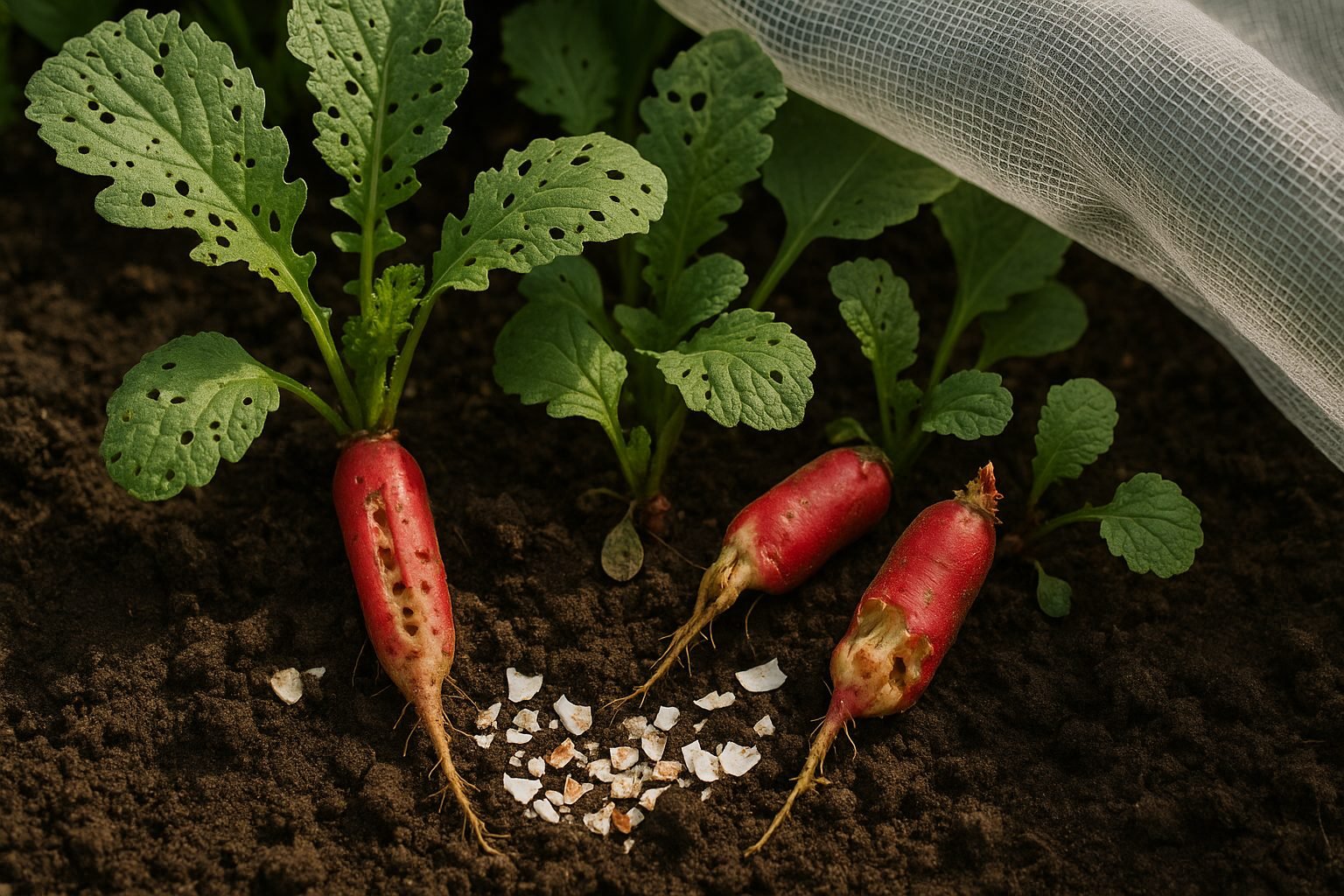
If you’re growing radishes in your garden, you might be wondering which animals eat radishes and how to protect your crop. Radishes are surprisingly appealing to a wide range of wild and garden animals.
Rabbits, for example, love to nibble on radish leaves and roots—you’ll often spot neat rows of missing tops as a giveaway. Deer also have a taste for radishes, especially when other favorite plants are scarce, and they can quickly decimate young radish crops by eating both greens and bulbs. Groundhogs, those notorious vegetable thieves, will munch entire sections of the garden, leaving behind eaten foliage and missing roots.
Birds such as sparrows and blackbirds might peck at young radish seedlings, looking for tender shoots. In addition to these animals, several insects pose a threat. Radish maggots, the larvae of certain flies, tunnel into the roots, leaving small holes and brownish trails that make the radishes prone to rot. Other worm-like pests, such as cutworms, can sever young plants at the base, causing radishes to topple overnight. Even flea beetles—tiny jumping insects—chew small round holes into leaves, which can stress the plants and stunt their growth.
You can often tell which pest is feasting on your radishes by the damage left behind:
- Nibbled leaves and missing tops suggest rabbits or deer.
- Hollowed or tunneled roots point toward radish maggots.
- Peck marks indicate birds.
- General wilting or toppled seedlings might signal worms at work.
If you notice these signs, consider installing fencing, netting, or row covers, and check for larvae in the soil to keep your radish crop safe from hungry wildlife and pests.
Are Radishes Safe for Dogs and Other Pets?
Radishes are generally safe for dogs in small amounts, as they’re non-toxic and can provide benefits like fiber and vitamin C. However, most dogs don’t find the spicy, peppery taste appealing and might avoid eating them altogether.
Cats, being obligate carnivores, get little nutritional value from radishes, so it’s best to skip feeding this vegetable to them.
Other common household pets, like rabbits and guinea pigs, can eat radish roots and greens in moderation. Too much, however, may upset their sensitive digestive systems due to the naturally spicy compounds in radishes.
Feeding Tips for Pets
- Always cut raw radishes into bite-sized pieces to prevent choking, especially for smaller pets.
- Consider lightly steaming radishes to soften the texture if your pet is curious but has trouble chewing raw pieces.
- Avoid giving large amounts or making radishes a staple in their diet, as excessive intake can cause stomach upset, gas, or blockages.
- Never feed pets seasoning or store-bought pickled radishes, since added salt, spices, and preservatives can be harmful.
Special Notes for Rabbits and Guinea Pigs
The leafy tops of radishes are safe for rabbits and guinea pigs in small quantities, as they’re high in calcium. However, too much calcium can lead to kidney issues, so use the greens as an occasional treat rather than a daily snack.
Always introduce new foods slowly and monitor for any adverse reactions. If unsure, consult your vet before adding radishes to your pet’s snack list.
Best Ways to Serve Radishes to Pets (If At All)
When it comes to sharing radishes with your pets, moderation and careful preparation are key.
For small animals like rabbits and guinea pigs, offer only thinly sliced, raw radish as an occasional treat—think one or two slices no more than once a week. Always wash radishes thoroughly to remove pesticides, and skip the spicy greens, as they can be even harsher on small stomachs.
Dogs may also nibble a small chunk of plain, raw radish, but some pups might dislike the peppery taste. For both groups, start with a tiny amount and watch for signs of tummy trouble or allergies, such as diarrhea, vomiting, or itching. If any issues appear, stop feeding radishes altogether.
Never give radishes to cats, as their digestive systems are not equipped to handle them, nor to birds, reptiles, or ferrets, as these animals can’t process certain compounds in radishes safely.
Remember, radishes should never replace a balanced, species-appropriate diet. When in doubt, consult your vet before introducing any new veggie.
By keeping portions minimal and watching closely for any reactions, you can let curious pets safely sample this crunchy vegetable on rare occasions.
How to Protect Your Radishes from Garden Pests and Wildlife
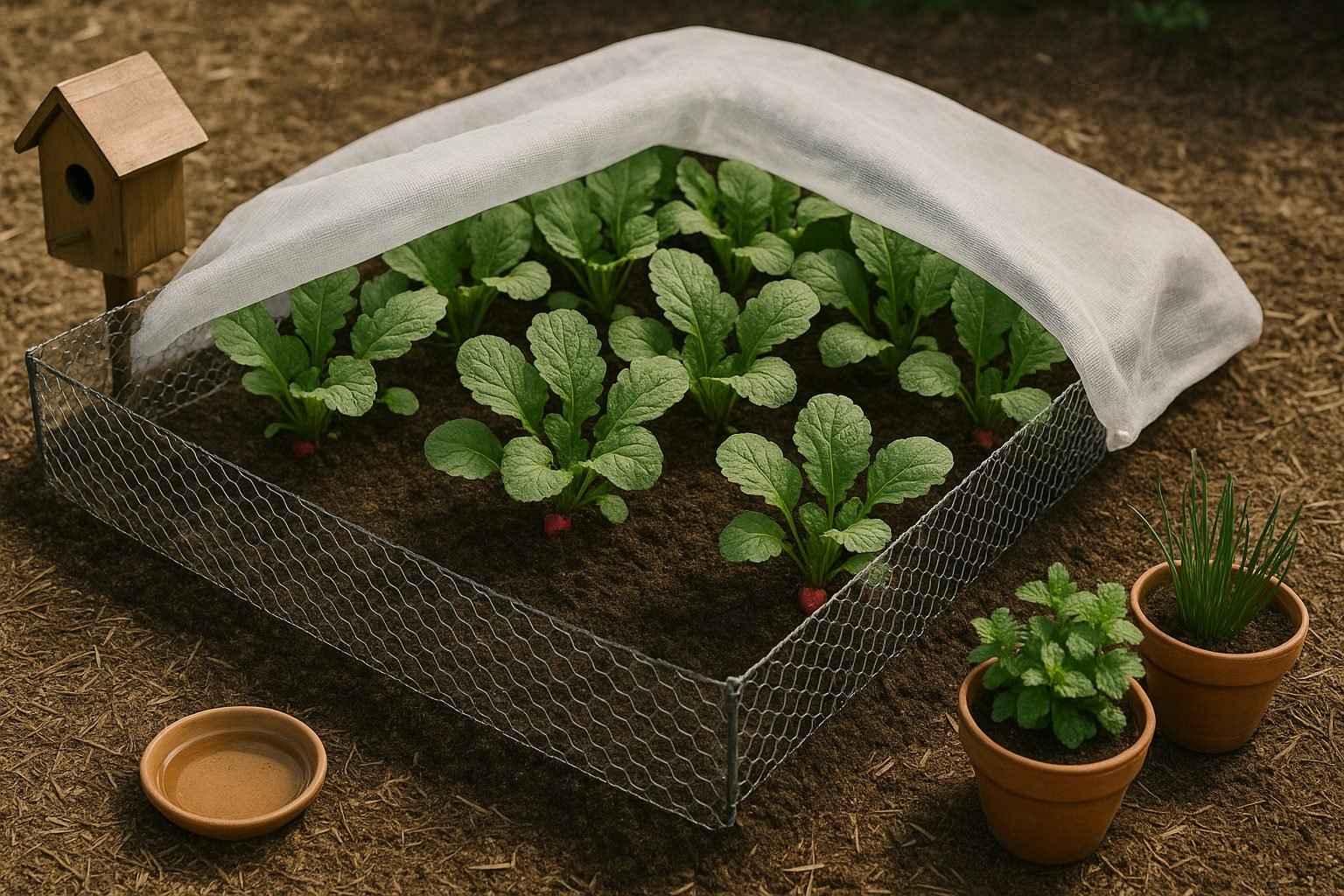
Keeping your radishes safe from pests and wildlife can be surprisingly simple with a few smart strategies. Physical barriers are one of the most effective defenses: lightweight row covers or garden mesh let sunlight and rain reach your radishes while keeping out hungry rabbits, birds, flea beetles, and root maggots. Make sure the edges of your covers are pinned down securely to prevent sneaky animals from crawling underneath.
If you’re dealing with local wildlife like deer, a short fence (even two to three feet) around your radish bed often deters them, especially if you use materials like chicken wire.
Natural deterrents can help too—try sprinkling crushed eggshells around your plants to discourage slugs and snails, or plant strong-scented herbs like mint or chives nearby to mask the radish’s aroma from burrowing rodents.
Always steer clear of chemical pesticides for radishes you plan to eat. Instead, rotate where you plant radishes each season, since pests and diseases tend to linger in the soil, and crop rotation helps confuse them.
One last tip: encourage beneficial wildlife in your garden, such as ladybugs, lacewings, and birds, which naturally keep insect pests in check. Consider adding a birdhouse or a shallow water dish to attract these helpful species without causing harm.
With a combination of barriers, gentle deterrents, and a nature-friendly approach, you’ll boost your radish harvest—and keep your garden teeming with healthy biodiversity.
Seasonal and Safety Considerations for Growing Radishes
When growing radishes, it’s smart to plan for how changing seasons impact pests and animals in your garden.
Spring radishes are often targeted by flea beetles, whose populations surge as temperatures warm. These tiny pests chew small holes in leaves, so use row covers or plant radishes early to get ahead of them.
In late summer and fall, as the soil cools, radish root maggots become more of a concern. To minimize their presence, rotate crops each year and keep beds tidy.
Rabbits, deer, and groundhogs may nibble on radish leaves, especially during leaner months when other food sources are scarce. Consider fencing or using natural repellents if animal pressure is high.
Thankfully, radishes themselves are not toxic to most pets or humans, but their spicy taste often deters curious animals and kids from eating large quantities. Still, supervise young children and pets around the garden to prevent choking or tummy upsets; ingesting whole radishes or leafy tops could be a minor hazard for small pets due to size and fiber content.
For safe consumption at home, always wash radishes thoroughly under running water to remove soil and pesticide residues. Store radishes in the refrigerator inside a breathable bag to keep them crisp and slow spoilage. Remove the leafy tops before storing, since they draw moisture and cause roots to soften quickly.
Trimmed greens can be composted or cooked for a zesty side dish—just be sure to cook them thoroughly to avoid bitterness and improve digestibility if sharing with pets.
Quick Tips and FAQs About Radish and Animal Interactions
Wondering if your furry or feathery friends can safely snack on radishes? Many animals—from rabbits and guinea pigs to chickens—are drawn to the crunch and mild spice of radishes.
The most common question is: which parts are safe? Generally, both the radish root and its leafy greens are edible for herbivorous pets in small amounts. Always wash thoroughly and avoid seasoning before offering radishes to your pets.
Some animals, especially dogs and cats, have sensitive stomachs, so introduce radishes gradually and in moderation. Large amounts may cause gas or digestive upset. Also, avoid feeding pets any radish leaves that show signs of mold or pesticide residue.
If you’re growing radishes in your garden and want to protect your crop, consider simple barriers like chicken wire or raised beds. Harvest early, as young radishes tend to attract fewer nibblers.
For those managing poultry or backyard livestock, radish greens can be a healthy snack, but it’s best to mix them with other greens to maintain a balanced diet.
Want to learn more? The ASPCA’s animal-safe plant list and the House Rabbit Society’s vegetable feeding guides are excellent resources for detailed info.
Ultimately, while radishes can be a fun and safe snack for many pets, always start slow and watch for any signs of tummy trouble or allergies. If you have doubts about a specific animal, a quick call to your vet is always a safe bet.