Introduction
If you’ve ever noticed radish above ground in your garden, you’re not alone—it’s a common surprise for many home growers. Most of us expect radishes to form nice, round bulbs safely tucked beneath the soil, so seeing those bright red or white tops peeking out can be confusing, even a little alarming. Are your radishes growing the wrong way? Is something wrong with your soil, or could your gardening technique be at fault?
This article dives into why radishes sometimes grow above ground, what causes this unusual growth pattern, and whether it’s something you need to worry about. We’ll also walk you through practical steps to ensure a healthy crop and share quick fixes you can try if you run into this issue with future plantings. Whether you’re a beginner or a seasoned gardener, understanding why your radishes behave this way will help you grow bigger, tastier roots with less frustration. So let’s clear up the confusion and get to the root of the problem—literally!
Understanding How Radishes Grow
Radish plants have a fascinating and fairly quick growth process, making them a favorite for gardeners seeking fast results. When you sow radish seeds, they typically germinate within a week, sending up small green cotyledons as their first leaves. As the plant matures, it forms true leaves and begins developing the main edible part—the root. This root is actually a swollen storage organ, technically a modified taproot, which expands underground as it absorbs nutrients and water.
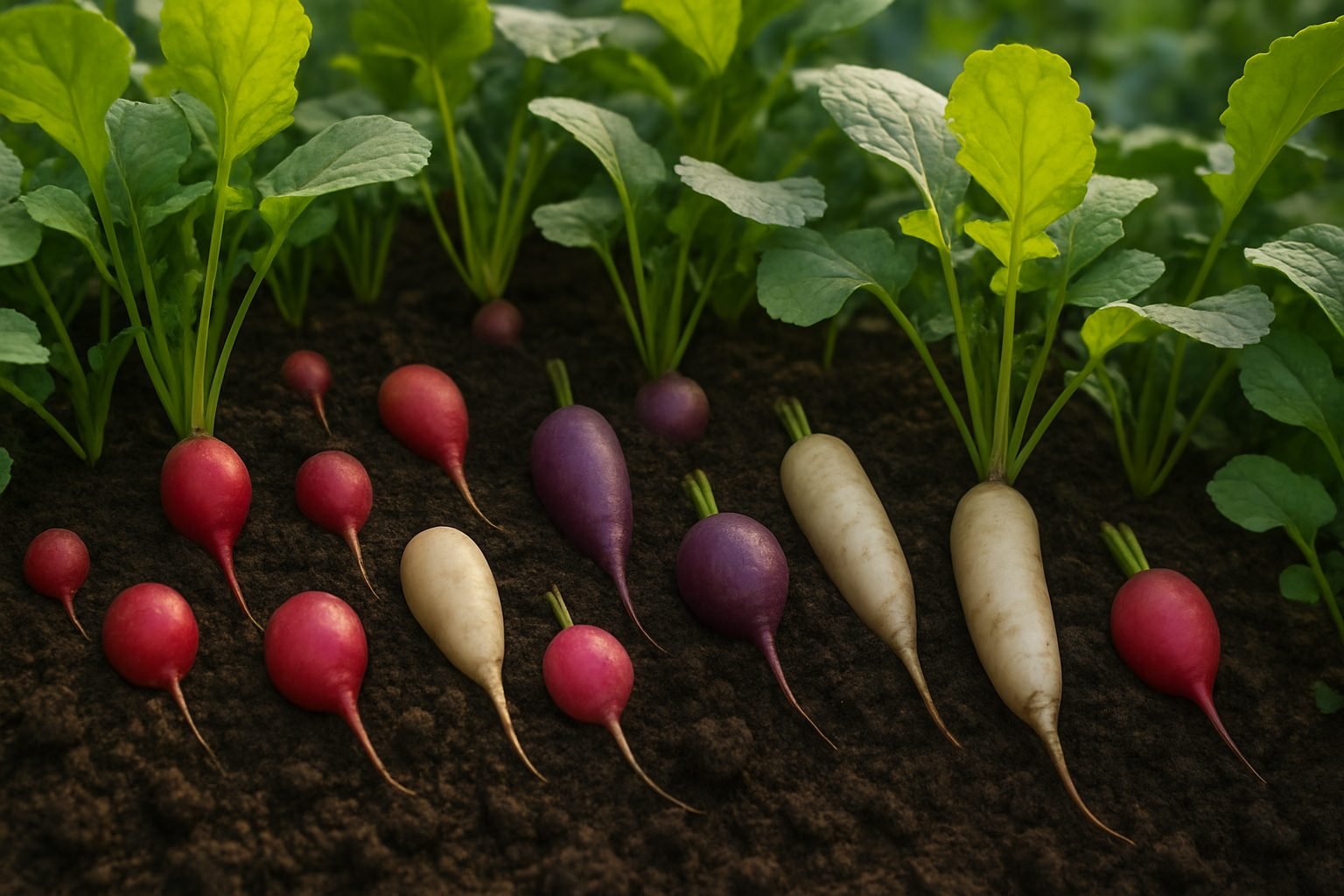
The plant’s anatomy is simple: above the soil, you’ll see the leafy greens, which are deeply lobed and grow upward from the central crown. Below the surface, the bulbous root grows directly downward, forming the crisp, spicy vegetable we enjoy eating. However, it’s common for the upper portion of the radish root, sometimes called the “shoulder,” to push slightly above the soil line as the root expands. This is normal and doesn’t harm the plant, especially if the soil is a bit shallow or compacted.
Typically, in healthy radish plants, you’ll see a cluster of leafy tops above ground, along with a bit of the colorful root top peeking out, while the rest stays buried until harvest. If most of the root is growing above ground, it can be a sign of crowded planting or compacted soil, but a small amount of visible root—this “radish above ground”—is nothing to worry about and is often seen in well-developed radishes.
To limit exposure, keep the soil loose and slightly mound it around the shoulders. But overall, a bit of radish above ground is simply part of how these speedy vegetables grow.
Why Are My Radishes Growing Above Ground?
If you’ve noticed your radishes growing above ground, you’re not alone—many gardeners wonder why these typically buried roots start to show. There are several reasons this can happen, beginning with how you plant your seeds. Radishes sown too shallowly may fail to anchor properly, pushing above the soil as they grow. Soil compaction is another factor; densely packed earth makes it difficult for the root to expand downward, so it takes the path of least resistance—upward. Overcrowding is a common culprit, especially if seeds are planted too close together. When radish roots don’t have enough space, they compete for room and may force each other to the surface. Some radish varieties are naturally more prone to this, such as long, slender types or specific round roots that tend to swell above soil level.
Environmental factors also play a big role. Radishes thrive in cool weather, and a spike in temperature can stall root growth, causing the plant to focus energy on leafy tops that may push the root upward. Inconsistent watering—whether too much or too little—can disrupt root development, leading to surfaced radishes as plants search for moisture or respond to drought stress. To determine whether this is normal for your variety or caused by care or environmental issues, consider your planting habits and the overall health of your radishes. If only a few roots sit above the soil but have healthy leaves and shape, it might just be their natural growth pattern. But if many roots are exposed, appear misshapen, or if foliage is stunted, it’s likely due to soil compaction, crowding, or irregular watering.
Ensuring consistent moisture, carefully spacing seeds, and regularly loosening the topsoil are practical steps to encourage your radishes to develop underground, resulting in plumper, healthier harvests.
Is It a Problem If Radishes Grow Above Ground?
Seeing radish roots peeking above the soil can be surprising, but it’s not always a cause for alarm. In many cases, radish above ground is completely normal—the top of the root often pushes up as it matures, especially in loose or shallow soils. This mild exposure typically won’t harm the radish or affect its taste, which remains crisp and mildly spicy. The texture should stay crunchy, and there are no health concerns from eating a radish that is partly above ground.
However, if much of the root is exposed and the radish appears small or woody, it could signal underlying problems. Excessive above-ground growth sometimes occurs if radishes are planted too shallow, the soil is compacted, or conditions are too warm, causing the plants to bolt (flower) instead of forming a plump, tender root. Bolting can make radishes pithy and bitter, so if you notice early flowers or long, thin roots, these may be signs of stress.
To evaluate radishes growing above ground, gently brush away soil and inspect the visible root. Healthy radishes will be firm, smooth, and vibrant in color with minimal cracks or discoloration at the exposed top. If the root is still mostly underground and there are no signs of bolting, your radish is likely in good shape.
For best results:
- Plant radishes at the recommended depth
- Keep soil loose and evenly moist
- Harvest promptly once roots reach mature size—usually within three to four weeks
Following these steps helps ensure a tasty, satisfying crop, even if a little red (or white) root pokes above the surface.
How to Prevent or Fix Radish Above Ground Problems
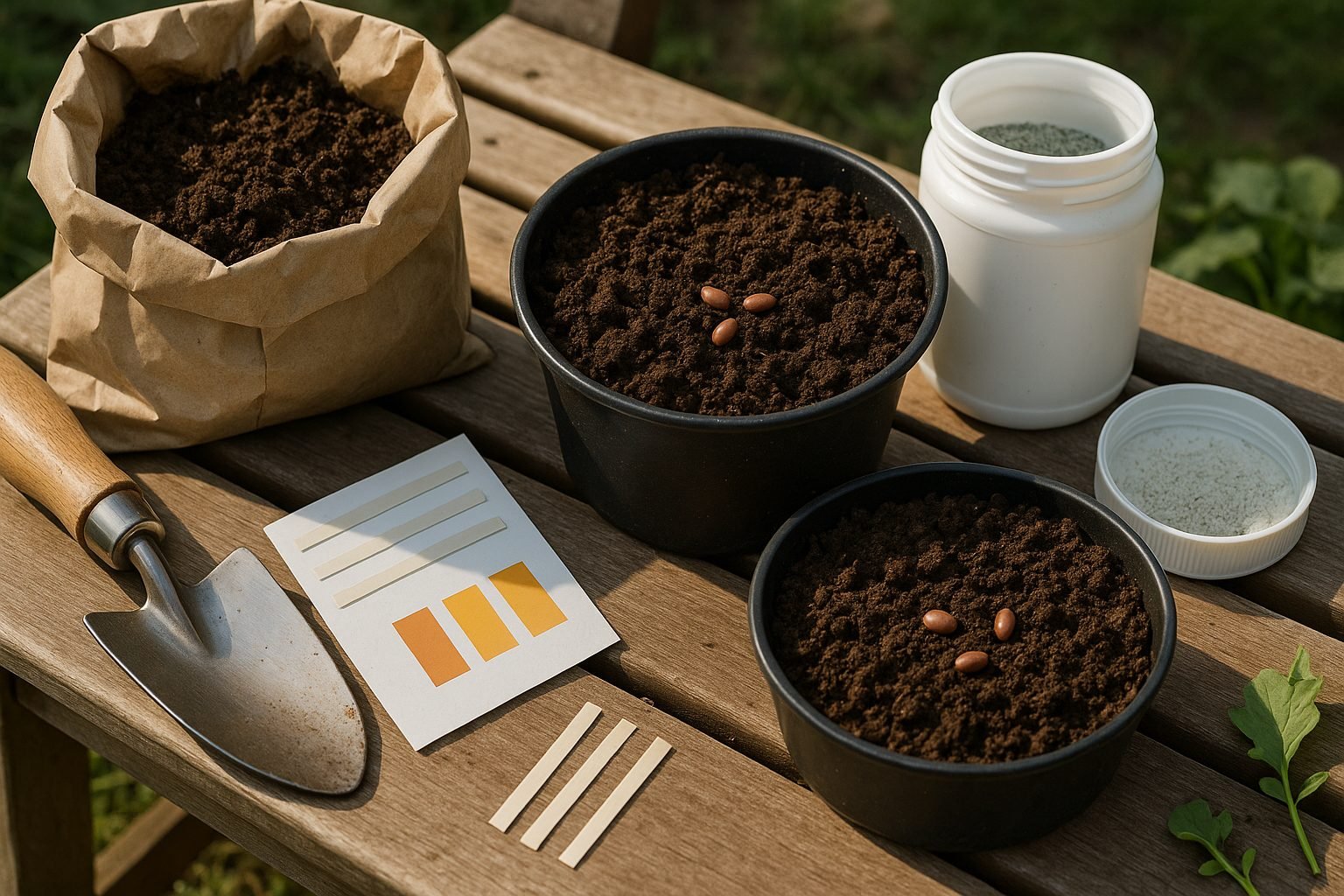
To prevent radishes from growing above ground, start with mindful planting practices. Sow radish seeds at the correct depth—typically about 1/2 inch deep. Shallow planting is a common cause of radish above ground issues because roots naturally push upward when searching for space or nutrients. Pay attention to soil preparation as well—use well-draining, loose soil free from rocks and clay clumps, since compacted soils force developing radishes upward. Before sowing, break up the soil and work in organic compost to boost fertility and improve soil structure. Thinning seedlings is also vital: once true leaves appear, trim back crowded radish plants to allow 1-2 inches between each. Overcrowding hinders root expansion below the surface and encourages upward growth.
If you notice your radishes popping above ground mid-season, gently mound or “hill” soil around exposed shoulders. Add loose garden soil or compost to cover the visible parts of the roots, taking care not to bury the foliage. This simple fix protects roots from sun damage and encourages continued downward growth. Repeat hilling as needed, especially after heavy rain or windy days that may expose the soil.
Promoting healthy root growth throughout the season requires consistent care. Water radishes evenly, aiming to keep the soil moist but never soggy—irregular watering stresses the plants and can encourage upward growth. Mulch with straw or leaf mold to conserve moisture, suppress weeds, and discourage roots from emerging. Regularly check your garden for signs of root exposure and take quick action if any shoulders peek above the soil line. With these preventive and corrective steps, you can ensure your radish harvest is crisp, round, and well-formed beneath the earth’s surface—a satisfying reward for attentive gardening.
Varieties of Radishes More Likely to Grow Above Ground
Some radish varieties are naturally more prone to having their roots push above the soil surface as they mature. This is especially true for larger daikon types like ‘Minowase’ and traditional Asian radishes, which often develop long, tapered roots that can emerge several inches above ground if the soil is shallow or compacted. Watermelon radish and certain French breakfast radishes also commonly display above-ground growth, with their tops peeking out more than the familiar round ‘Cherry Belle’ or ‘Champion’ types.
This isn’t just a quirky trait—these varieties often have a fast, vigorous push, needing loose, well-tilled earth to fully bury themselves. For growers, it’s helpful to gently hill soil around exposed roots during the early stages, which prevents greening and ensures tender skin. Mulching lightly also helps regulate soil temperature and moisture, supporting healthy development.
If your garden soil is on the heavier or clay side, consider raised beds or grow bags for these varieties to allow for deeper root penetration. Ultimately, seeing your radish above ground isn’t a problem for these types—it’s simply a sign of their robust growth habits and genetic quirks.
Harvesting and Enjoying Radishes
Harvesting radishes with roots poking above the ground can be a bit different from picking those that remain fully buried. If you see the tops of your radish bulbs breaking through the soil, take it as a sign they’re maturing—especially if their size matches the variety you planted, usually around an inch in diameter. Radishes left too long, whether exposed or buried, risk becoming woody or overly spicy, so aim to harvest them promptly.
Gently loosen the soil around each radish and lift them by the greens, being careful not to snap the delicate stems. For radishes that have grown partially above ground, you may notice their tops are a bit drier or tougher due to sun and air exposure. To prepare them for eating, trim off any sun-scalded or rough patches, then scrub the bulbs thoroughly under cool running water. Using a vegetable brush can help remove stubborn dirt clinging to the upper portions of the radishes, ensuring they’re clean and crisp.
When it comes to storing, radishes with exposed roots don’t keep as long as those fully underground—they’re more prone to drying out, so refrigerate them soon after harvest. Remove the leafy tops to extend freshness, and store your radishes in a perforated bag or wrapped in a damp paper towel inside the fridge’s vegetable drawer.
In terms of taste, radishes grown above ground tend to be spicier and slightly less juicy but are still delicious raw in salads, sliced for sandwiches, or roasted for a milder flavor. This way, you can enjoy every radish no matter how it grows!
Conclusion and Quick Tips Recap
Radishes growing above ground can be a bit surprising, but it’s usually a sign of issues like shallow planting, compacted soil, or overcrowding. These conditions force the radish roots upward as they search for space and nutrients. While a partially exposed radish isn’t always harmful, consistently rising bulbs can become tough or misshapen.
To prevent your radishes from appearing above ground, plant seeds about half an inch deep, thin seedlings to ensure proper spacing, and use loose, nutrient-rich soil. If your radishes have already surfaced, mound a little soil over them to protect against sun damage and encourage even growth.
Remember, this is a common and easily fixable issue—don’t stress! With these simple adjustments, you’ll be back to growing crisp, well-formed radishes in no time. Have questions about your radish above ground experience or other gardening quirks? Leave a comment below, and let’s dig in together!