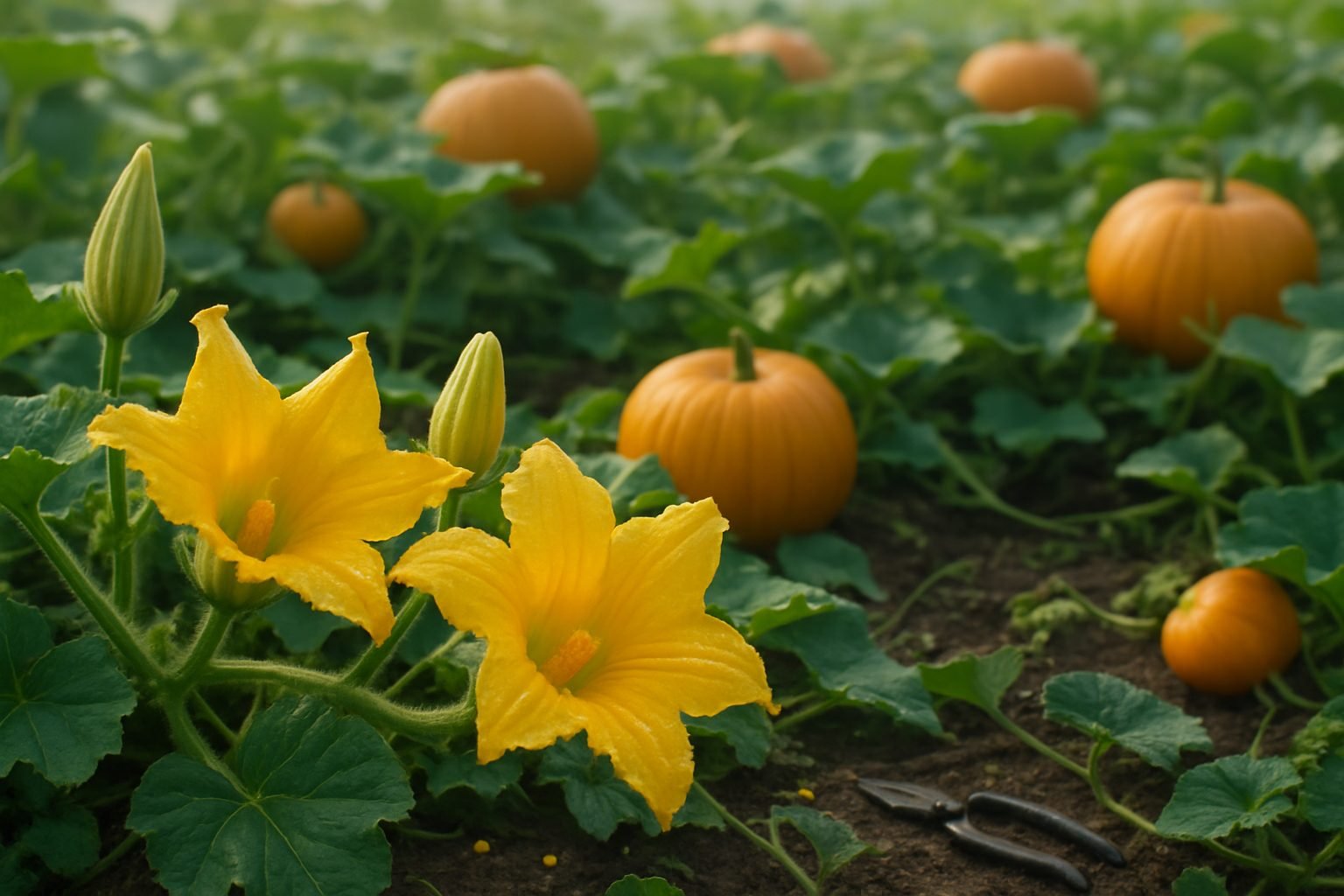
Introduction to Pumpkin Pollination
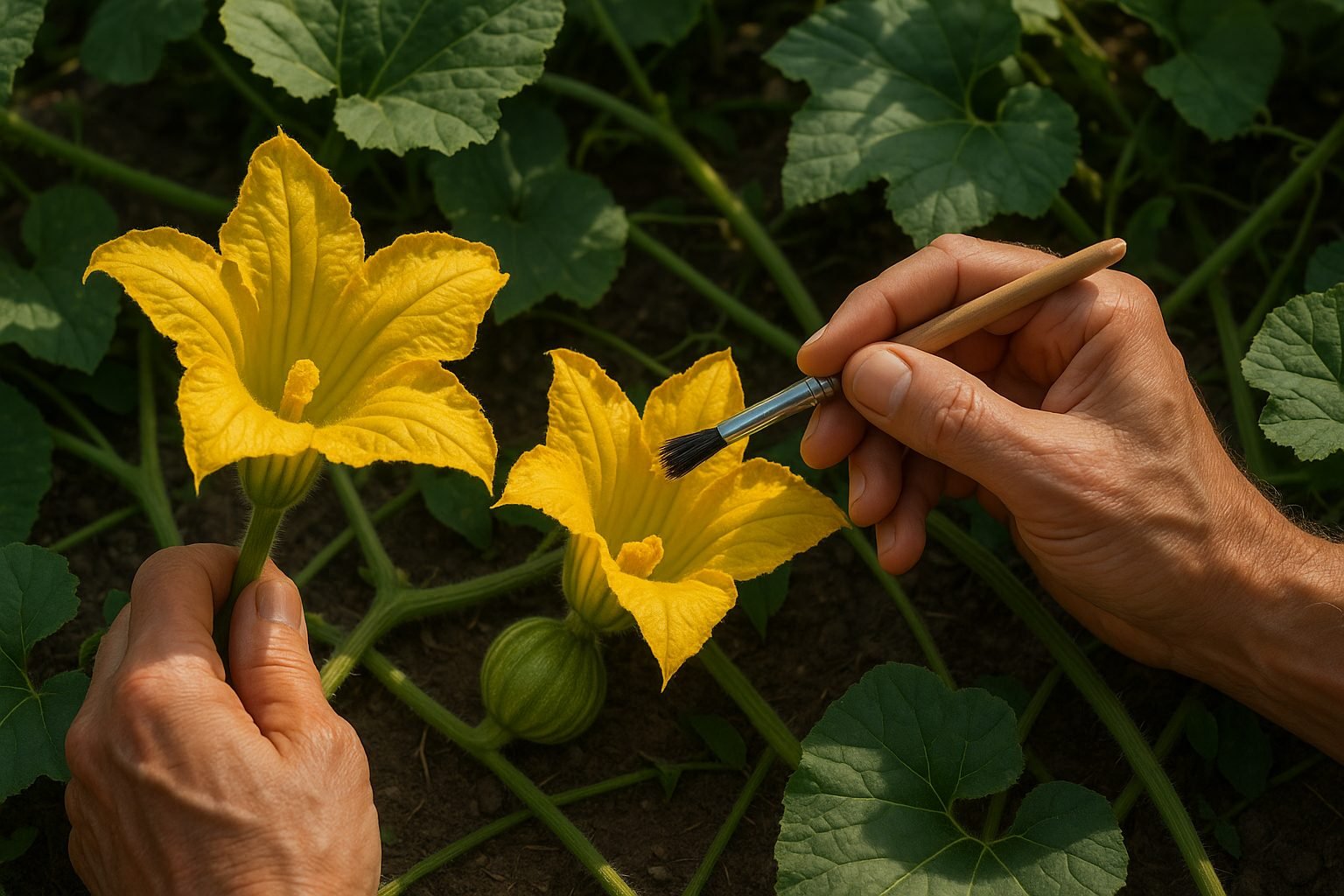
If you want to increase your pumpkin harvest this season, knowing how to hand-pollinate pumpkins can make all the difference. Pollination is the essential process that allows pumpkin flowers to turn into the robust, orange fruits we love—without it, those vibrant blossoms will simply wither away, leading to poor fruit development and disappointing crop yields.
In nature, pumpkin pollination relies heavily on bees and other pollinators who transfer pollen from the male to the female flowers during their daily forage. However, modern gardening comes with its own set of challenges: declining bee populations, unpredictable weather, and even issues like crowded vines or poorly timed flower openings can mean that vital pollination just doesn’t happen.
Many gardeners notice their plants bursting with blooms, only to wonder why they aren’t seeing any pumpkins start to grow. That’s where hand-pollinating comes in—it puts you in control and gives your pumpkins the best chance to thrive.
As you read on, you’ll discover practical tips and easy steps to tackle pollination obstacles, ensuring every flower gets its best shot at becoming a delicious jack-o’-lantern or pie-worthy pumpkin.
Understanding Pumpkin Flower Biology
Pumpkin flowers come in two types—male and female—and being able to tell them apart is key for any gardener hoping for a good pumpkin harvest. Male flowers usually appear first, often just a few weeks after planting. They grow on long, thin stems and have a simple stalk beneath the yellow blossom.
Female flowers show up a bit later, typically after the male flowers. They look different at a glance: each one has a small, round swelling at the base of the bloom, which is actually the ovary and will grow into a pumpkin if pollinated.
Both flower types are essential for fruit development. Male flowers supply pollen, while female flowers need to receive that pollen to set fruit—a process most often handled by bees. Typically, there are more male flowers than female, especially early in the season. This can be confusing if you’re new to pumpkin gardening, but it’s normal for female blossoms to lag behind.
If you want to boost your pollination chances, you can even hand-pollinate by gently transferring pollen from a male flower’s stamen to the sticky center of a female flower. Keep an eye on the timing, as both flower types are often open for just a few hours in the morning.
Weather, temperature, and bee activity all influence which flowers bloom and when, so watching your patch closely will help ensure you don’t miss the narrow window when successful pollination can happen. By understanding these differences and the roles each flower plays, you can better track your pumpkin’s progress and avoid disappointment at harvest time.
How Pumpkins Are Pollinated Naturally
Pumpkins rely heavily on insects for natural pollination, with squash bees and bumblebees serving as the primary helpers in the process. Squash bees are especially well-suited for the task—they’re early risers, often visiting bright orange pumpkin blooms as soon as they open at dawn. Their fuzzy bodies collect and transfer pollen efficiently between male and female flowers. Bumblebees are also important, buzzing from flower to flower and inadvertently moving the yellow pollen needed for fertilization.
Pollination happens when a bee enters a male flower to gather nectar or pollen, picking up grains along the way, then visits a female flower—recognizable by the small bulb at its base—where some of that pollen is brushed onto the sticky stigma. This transfer is crucial: each female flower needs multiple visits to deposit enough pollen for a full, healthy pumpkin to form.
However, natural pollination can be limited by factors such as rainy or windy weather, which keeps bees away, or a local shortage of pollinators due to pesticide use or loss of bee habitat. When pollination is inadequate, telltale signs appear:
- Young pumpkins might start to grow but then shrivel and fall off.
- Mature fruits develop an odd shape and stay small, indicating not enough ovules were fertilized.
- Blossoms themselves might drop prematurely.
- Gardeners may notice fewer bees around their pumpkin plants or scarce bee activity even during peak blooming hours.
In these situations, yields and pumpkin quality suffer. Supporting bee populations with pollinator-friendly flowers or gentle, minimal pesticide use near blooms can make a big difference in fruit set and homegrown harvests.
Can Pumpkins Self-Pollinate?
Pumpkins grow on vines that have both male and female flowers, making pollination a bit of a team effort. Self-pollination occurs when pollen from a flower fertilizes the ovule within the same flower. However, pumpkins typically can’t self-pollinate in this strict sense — their female flowers need pollen from male flowers, usually on the same or neighboring plants.
In gardens, this process usually depends on bees or other pollinators transferring pollen between blossoms. Cross-pollination, which involves pollen moving between flowers on different plants, is generally more effective for pumpkins. This genetic exchange tends to produce stronger, healthier fruit and increases overall yield.
If pollinators are scarce and flowers aren’t properly pollinated—due to rain, lack of insect activity, or planting issues—you might notice small, oddly shaped pumpkins or fruit that shrivels and drops early. Gardeners can help by gently transferring pollen from male to female flowers using a small paintbrush if bees are scarce.
Ultimately, while pumpkins have both flower types and need pollen transfer, they don’t truly self-pollinate. Cross-pollination from bee activity is key to plump, even pumpkins and a productive harvest.
How to Hand Pollinate Pumpkins
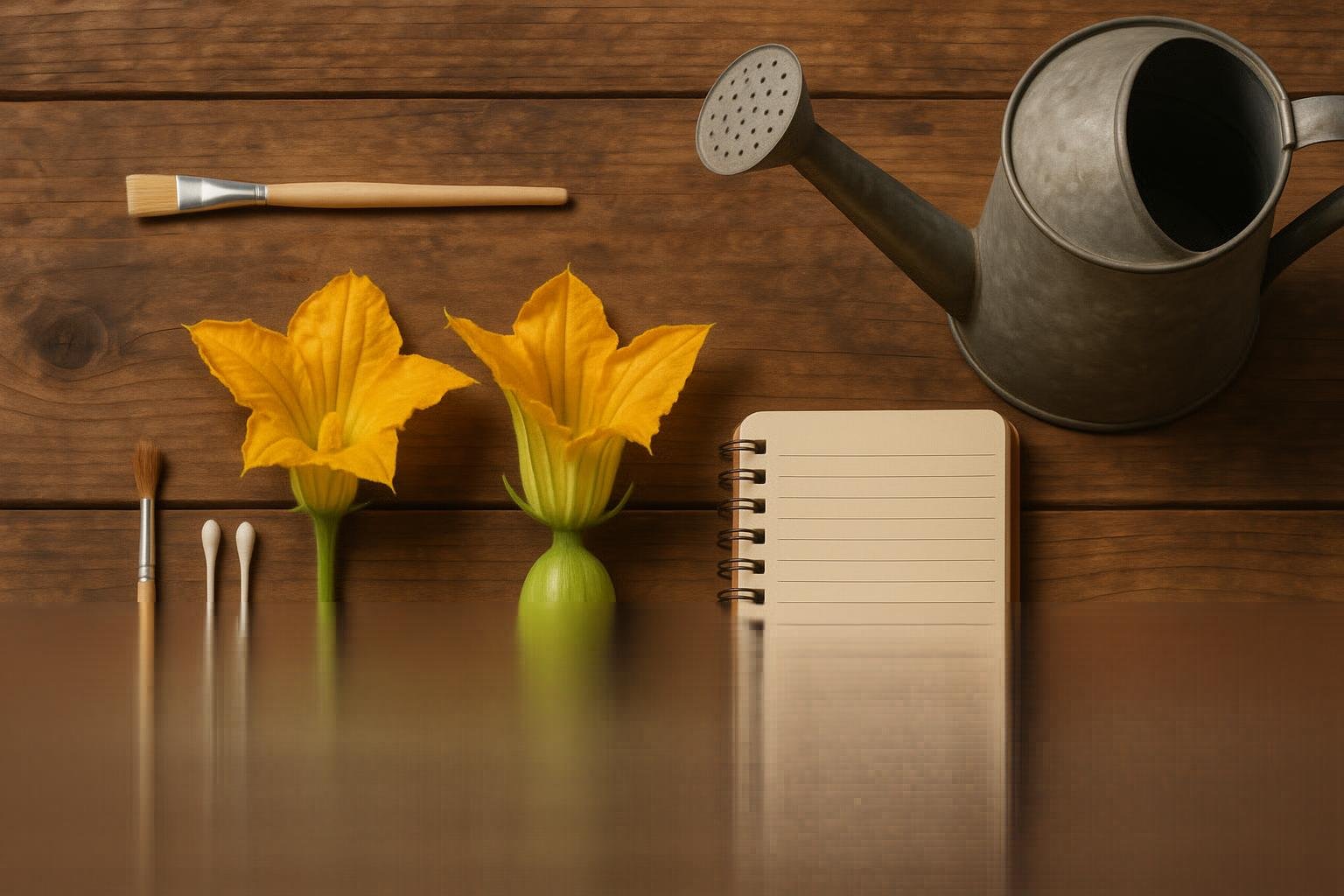
Hand pollinating pumpkins is an easy way to boost your harvest, especially if bees are scarce in your garden. Start by choosing a dry, early morning to pollinate—pumpkin flowers only open for a few hours after sunrise and are most receptive then. You’ll need a small, clean paintbrush or a cotton swab.
Identifying Male and Female Flowers
First, learn to tell male and female flowers apart:
- Male flowers: Have thin stems and a pollen-loaded center called anthers.
- Female flowers: Feature a tiny baby pumpkin at their base and a central stigma.
Collecting and Applying Pollen
To collect pollen, gently touch your brush or swab to the yellow powder inside a freshly opened male flower—choose flowers that are fully open but not wilted, since older blooms may have less viable pollen. Next, find a female flower that’s open and in good condition, and lightly brush the pollen onto its stigma.
Repeat this process for several female flowers to increase your chances of successful fruit set.
Tips for Success
- If male flowers seem wilted or produce little pollen, try pollinating earlier in the day or consider planting more pumpkins to increase the number of male blooms.
- If female flowers wilt quickly or close too soon, check your watering schedule as drought stress can affect bloom longevity.
After Pollination
Monitor the tiny pumpkins after pollinating. If the fruit swells and grows within a week, your hand pollination worked. If it shrivels or dies, try again the next morning with a fresh pair of flowers.
Keeping a log of which flowers you pollinated and the results can help you fine-tune your technique, leading to bigger and more reliable pumpkin harvests.
Troubleshooting and Additional Pollination Tips
Gardeners often face pollination issues like poor fruit set, premature flower drop, or deformed produce, which can be really frustrating. These problems might be caused by a lack of pollinators such as bees and butterflies, sudden temperature changes, or overusing pesticides that harm beneficial insects.
To naturally boost pollination, plant a diverse range of flowers that bloom at different times—think lavender, sunflowers, and nasturtiums—to provide a continuous food source for pollinators. Avoid chemicals and opt for organic pest control methods like neem oil or introducing helpful insects like ladybugs.
In windy or storm-prone areas, consider planting windbreaks or creating sheltered spots to protect delicate blossoms so they don’t fall off before being pollinated. For hotter, drier regions, mulching and regular watering help flowers retain moisture and stay open longer, giving pollinators more time to visit.
If you have limited outdoor space or garden in an apartment, hand-pollinating with a small paintbrush can replace natural visitors. Simply brush the male flower parts and gently touch the female ones.
Setting up a small bee or butterfly house, along with shallow water dishes with stones for perching, can further attract pollinators to your garden.
Different plants may need unique care—squash and melons often require hand-pollination in greenhouse conditions, while tomatoes benefit from gentle shaking to encourage pollen movement.
By observing your garden’s specific challenges and making small adjustments, you can significantly improve pollination and enjoy a more productive harvest.
Conclusion & Quick Reference
Understanding and actively supporting pumpkin pollination is essential for gardeners who want to enjoy healthy, abundant harvests. Natural pollinators like bees don’t always visit in the numbers pumpkins need, so a little human assistance can make a big difference.
Hand pollination is straightforward: in the morning when flowers are open, identify a male flower (which has a thinner stem and no bulb at the base), gently collect its pollen using a small brush or by removing the stamen, and then transfer the pollen to the center of a female flower (which features a tiny pumpkin at its base). Repeat this process daily for new flowers.
By taking just a few minutes to help nature along, you can dramatically improve fruit sets and yields. Don’t be afraid to experiment and learn as you go—each season brings new insights, and there’s real satisfaction in seeing your efforts turn blossoms into plump, vibrant pumpkins.