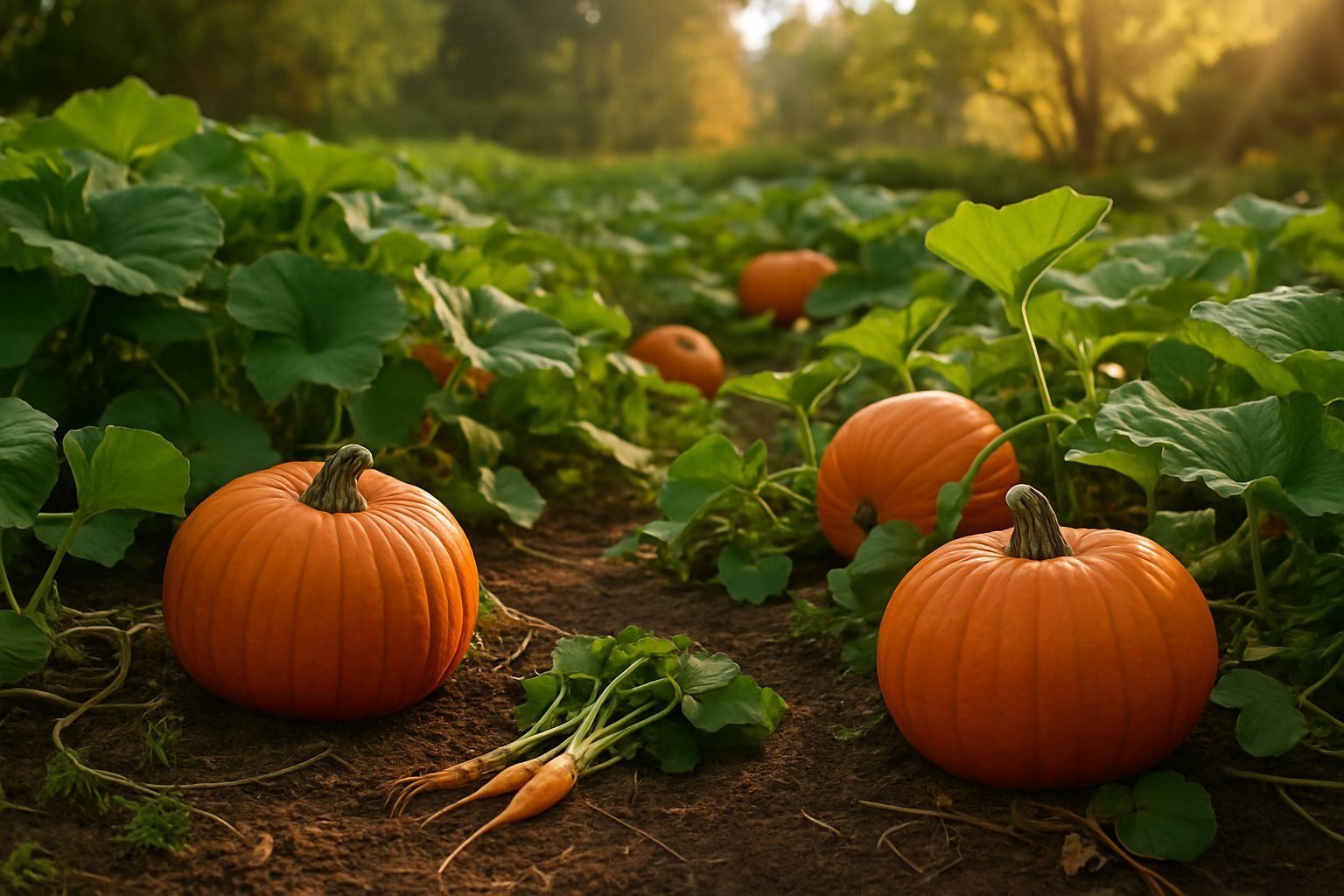
Why Isn’t My Pumpkin Fruiting?
For many gardeners, few things are as rewarding as watching a patch of pumpkins sprawl and thrive, promising bright orange orbs come harvest time. But when pumpkin flower drop becomes a recurring issue—and those hopeful blossoms fall off without turning into fruit—the disappointment hits hard. If you’re left wondering, “Why isn’t my pumpkin fruiting?”, you’re not alone. The road from bloom to fruit is surprisingly complex: several factors, both environmental and practical, play into whether those glowing flowers reach their full pumpkin potential.
Flower drop often signals underlying issues that can be remedied with the right know-how. Sometimes, it’s simply a matter of timing—pumpkins naturally produce more male flowers early in the season, and these drop without ever forming fruit. But other times, blossoms fall because of stressors like erratic watering, extreme heat, or poor pollination conditions. Even nutrient imbalances in your soil or overcrowded vines can contribute to the problem.
Throughout this post, we’ll unpack the most common reasons behind pumpkin flower drop and help you pinpoint the culprit in your own garden. You’ll learn how to support proper pollination (sometimes even giving nature a helpful hand), maintain even soil moisture, manage feeding schedules, and optimize your plant spacing. By the end, you’ll feel equipped to tweak your pumpkin care routine for better blooms—and, finally, those satisfying plump fruits you’ve dreamed of harvesting.
Pollination Problems
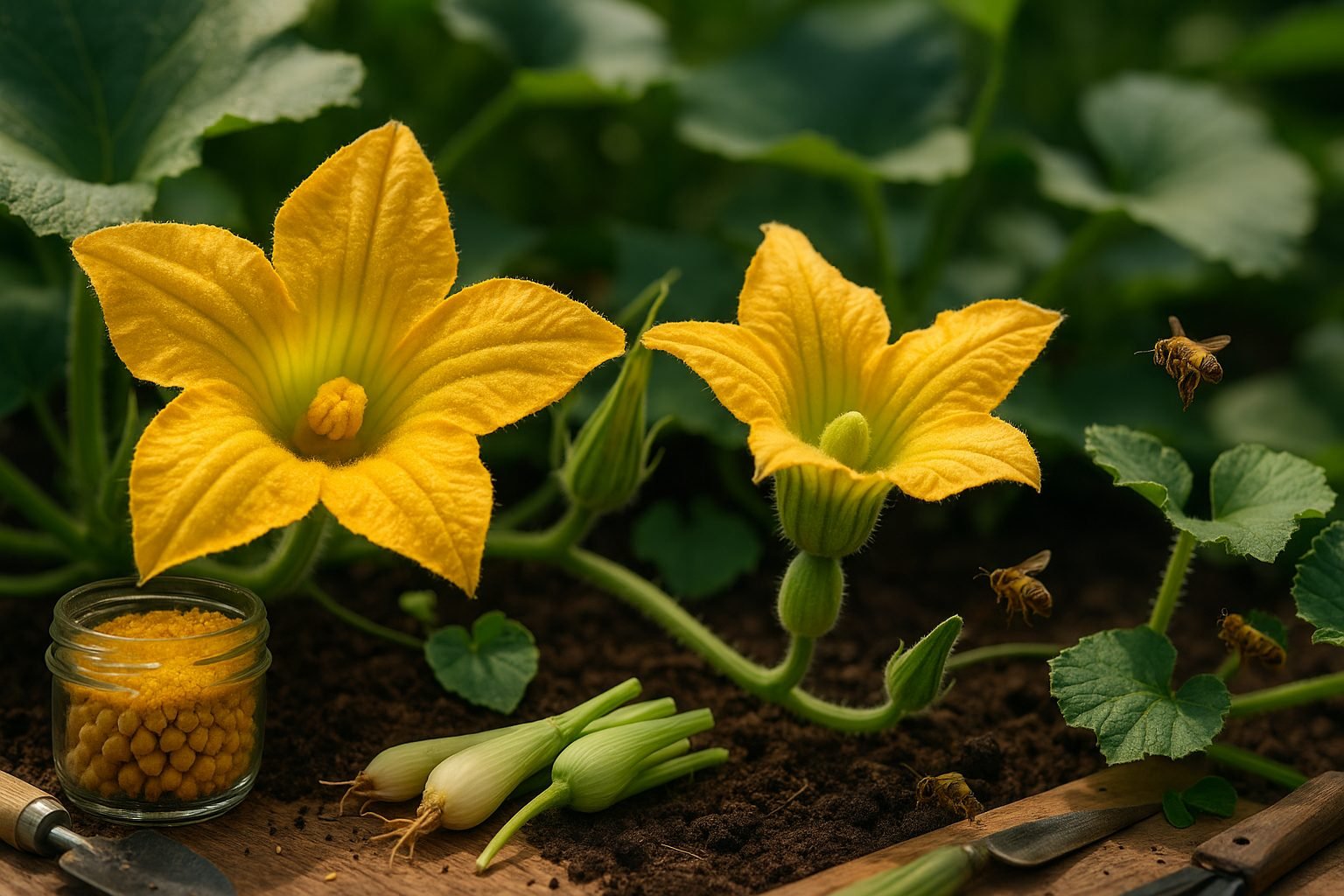
Pumpkins rely on successful pollination to develop the large, healthy fruits gardeners look forward to each fall. Understanding the basics helps troubleshoot problems: pumpkin plants produce both male and female flowers. Male flowers, which appear first, have a simple stem and produce pollen. Female flowers have a small swelling behind the petals, which will eventually grow into a pumpkin if pollinated.
Bees and other pollinators transfer pollen from male to female flowers, a crucial step—without them, fruits won’t form. Signs of poor pollination include plenty of blossoms but no pumpkins, or tiny fruits that yellow and shrivel soon after forming. These issues often stem from a lack of pollinator activity, especially during rainy or cool weather when bees stay home.
To encourage pollinators, grow nectar-rich flowers like sunflowers and lavender nearby, avoid pesticides, and provide shallow water sources. For quick fixes when pollinator numbers are low, try hand pollination: pick a fresh male flower, gently brush its pollen-laden center onto the stigma in the female flower, or use a cotton swab to transfer pollen. Morning is usually best, as blossoms open early.
Supporting bee activity in your garden by allowing some weeds to flower or installing a bee house can make a difference over the long term. With a little attention to pollination, you’ll give your pumpkin patch a much better chance for a bountiful harvest.
Weather and Temperature Challenges
Extreme temperatures can seriously disrupt fruit set in your garden or orchard, causing major headaches for both backyard growers and commercial producers. When temperatures soar during flowering, plants often suffer heat stress that makes flowers drop before they can be pollinated, leading to poor fruit set or even total crop loss.
Likewise, sudden cold snaps—especially those that arrive unexpectedly in spring—can damage blossoms or slow pollinator activity, reducing the number of fruits you’ll harvest later. Heat waves are particularly challenging: not only can they cause flowers and young fruit to abort, but the stress can also delay the development of any fruit that does set, leaving you with a less productive season.
Fortunately, there are practical strategies to help your plants cope:
- Mulching helps keep soil temperatures stable and retains moisture, which is crucial when the mercury rises.
- Installing shade cloth or using natural shading from companion plants can protect delicate flowers and fruits from direct sun, reducing heat stress and the risk of sunburn.
- Adjust your watering schedule so plants get moisture early in the day—this both lowers heat stress and prevents fungal diseases that thrive in overnight dampness.
By monitoring the weather forecast closely and preparing ahead with these techniques, you’ll give your fruiting plants the best possible chance to set and hold onto their developing crop, even in the face of unpredictable weather.
Soil and Water Balance
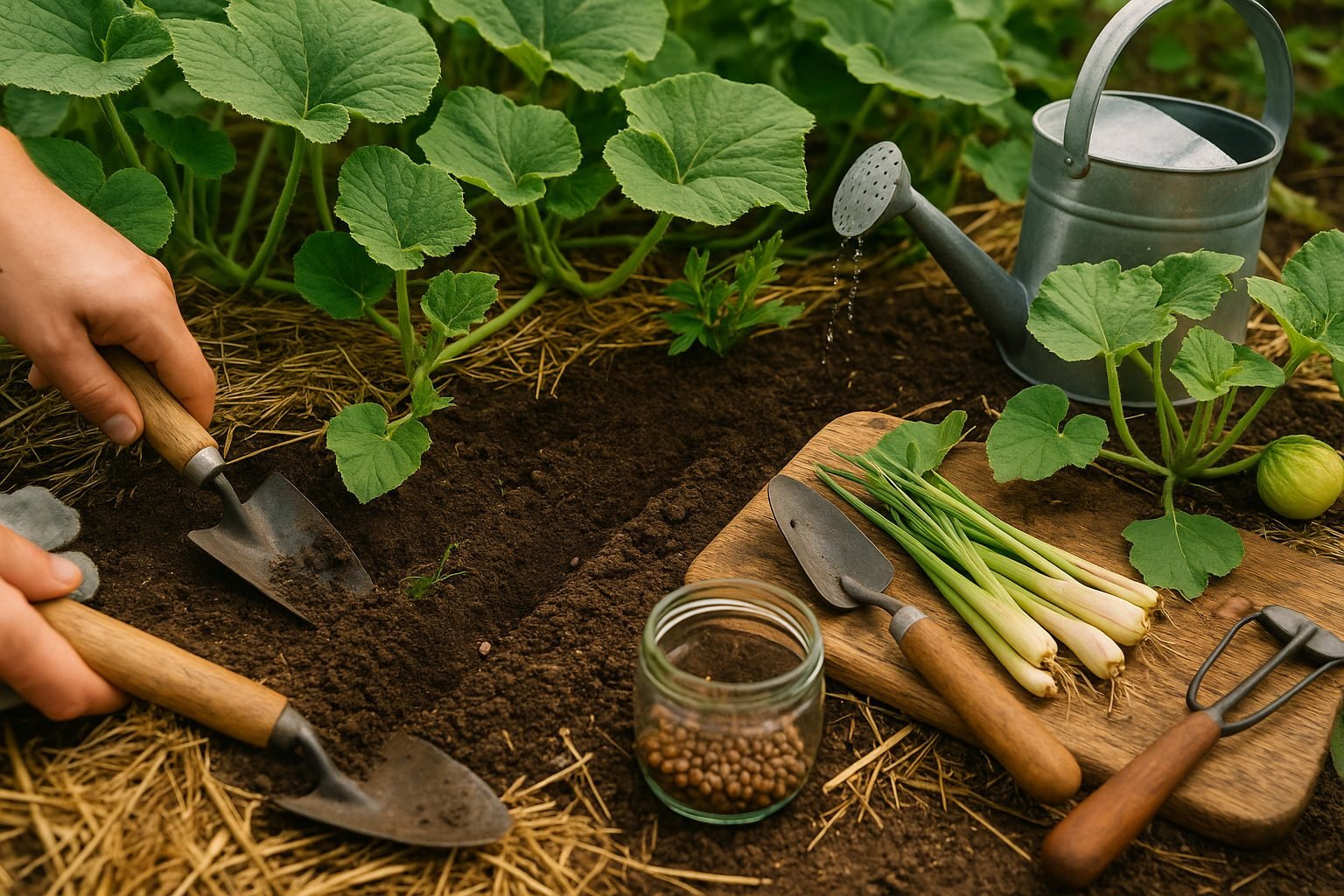
Healthy pumpkin growth starts with the right soil—a loose, well-draining, and nutrient-rich mix is key. Pumpkins hate “wet feet,” so heavy, soggy soil often leads to root rot, yellowing leaves, and even poor pollination if the roots can’t breathe.
On the flip side, drought stresses the vines: you’ll notice wilting leaves, flowers dropping without setting fruit, and stunted pumpkins. To strike the balance, prioritize both soil quality and smart watering.
Amend your garden beds before planting with plenty of compost or well-rotted manure to boost nutrients and drainage. Consider building slightly raised beds, especially if your native soil is clay-heavy, to help excess water drain off instead of pooling.
Mulch around your pumpkin vines with straw or shredded leaves—this holds moisture during dry spells, reduces soil temperature swings, and helps keep weeds at bay.
When it comes to watering, a deep soak once or twice a week is better than frequent, light sprinklings. Early morning irrigation gives water time to soak in before the day heats up. If you’re unsure about soil moisture, try the finger test—if it feels moist a couple of inches below the surface, you’re good.
The combination of quality soil, consistent moisture, and protective mulching will give your pumpkins the best shot at thriving all season long.
Fertilizer and Nutrient Issues
Over-fertilizing, especially with nitrogen-rich fertilizers, is a common mistake that causes tomato plants and other fruiting vegetables to develop lush, green leaves but produce few flowers or fruits. While nitrogen is essential for early growth, too much can signal the plant to keep growing foliage instead of shifting into flowering or fruiting.
To avoid this, adjust your fertilization to match the plant’s growth stage:
- Use a balanced or slightly higher nitrogen fertilizer during the seedling and early vegetative stages.
- Switch to a formula lower in nitrogen and higher in phosphorus and potassium once plants begin to flower.
Phosphorus encourages strong roots and abundant blooms, while potassium supports fruit development. Feed sparingly—always follow label directions—and try slow-release or organic fertilizers for more controlled nutrition.
Additionally, water thoroughly after fertilizing to prevent root burn, and consider mulching to keep moisture and nutrients stable. If fruits aren’t setting, cut back on nitrogen and choose fertilizers labeled for “bloom boosting.” Observing your plants and making small tweaks based on leaf color and fruit set will lead to a healthier, more productive garden.
Other Common Issues (Pests, Disease, Plant Health)
Besides weather and nutrient problems, pests like aphids, caterpillars, and fruit flies can attack flowers and young fruit, causing deformities or early drop. Fungal diseases such as powdery mildew and botrytis often take hold in damp or humid conditions, wilting blossoms and reducing plant vigor.
Physical factors also play a role. Broken branches from storms or heavy wind, as well as overcrowded plants, can limit sunlight and airflow, leading to fewer fruits or increased disease risk.
To catch problems early, perform quick weekly inspections—check under leaves and around flowers for bugs, holes, mildew, or soft spots. Remove affected parts, prune dense areas, and consider natural remedies like neem oil or insecticidal soap for pest control. Thinning overcrowded branches improves air circulation and sunlight exposure, while promptly discarding infected or damaged fruit helps prevent further issues.
With these simple checks, you can catch problems before they spread and keep your plants healthy and productive.
Encouragement and Next Steps
Don’t be discouraged if your plants aren’t fruiting as you hoped—most issues have simple solutions, like adjusting watering routines, providing more sunlight, or checking for pests. Even experienced gardeners face setbacks, but a little attention to your plant’s needs goes a long way.
The key is mindful observation: take a few moments each day to notice changes in leaves, blossoms, and soil moisture. Be patient; plants often take time to recover and respond to your efforts. Consistency in care, from regular feeding to pruning when needed, helps plants thrive season after season.
Remember, gardening is a learning journey—don’t hesitate to try new techniques, varieties, or tools. Document what works (and what doesn’t) so you can look back and improve each year. Above all, take time to appreciate each stage, from the first tiny flower to the joy of harvesting your own homegrown fruit.