Growing Tips
Growing potatoes with kids turns a simple gardening activity into a fun, hands-on lesson in science and patience. Potatoes are easy and rewarding to grow, making them perfect for beginner gardeners and busy families. Kids love seeing the sprouts pop up and digging up their own potato treasure at harvest.
Choosing the right potato variety is key:
- Early potatoes mean a quicker, exciting harvest.
- Maincrop and salad varieties can produce bigger yields or bite-sized treats.
For success, plant your potatoes in early spring when the soil warms up, usually March or April, to give them a head start and avoid late frosts. Get kids involved every step of the way—planting, watering, and digging leads to lasting learning and delicious meals.
What You’ll Need
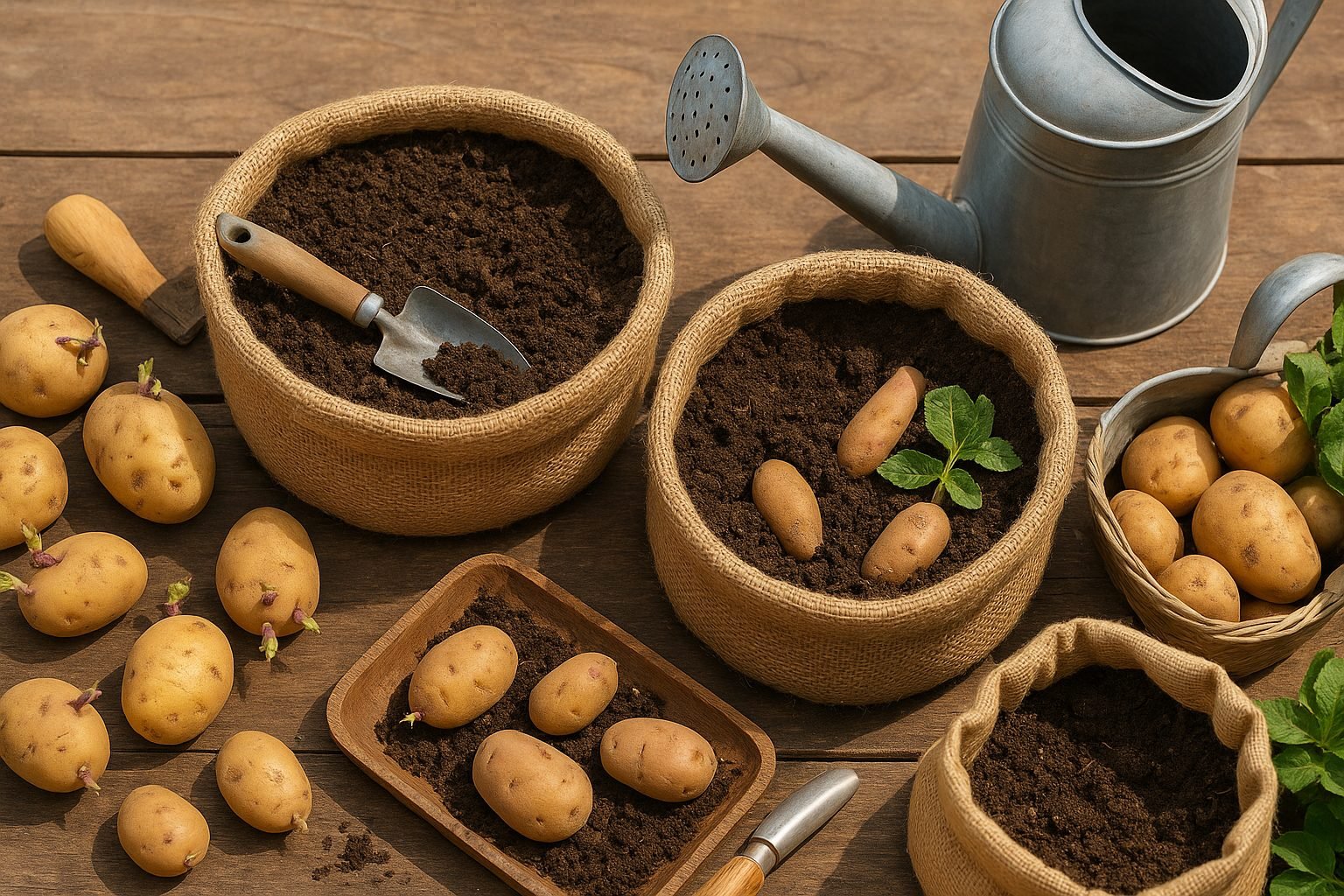
To start growing potatoes, gather a few key supplies: seed potatoes (not supermarket spuds, but disease-free ones from a trusted garden center), loose compost or rich garden soil, a sturdy trowel, and a watering can. You’ll also need somewhere to plant—if garden space is limited, consider grow bags, large buckets, or other roomy containers with drainage holes.
Containers are perfect for patios and balconies. When picking seed potatoes, look for firm, sprouting tubers with no wrinkles or soft spots. Healthy seed potatoes make all the difference, so buy from reputable suppliers rather than using leftover groceries.
Step-by-Step Potato Planting
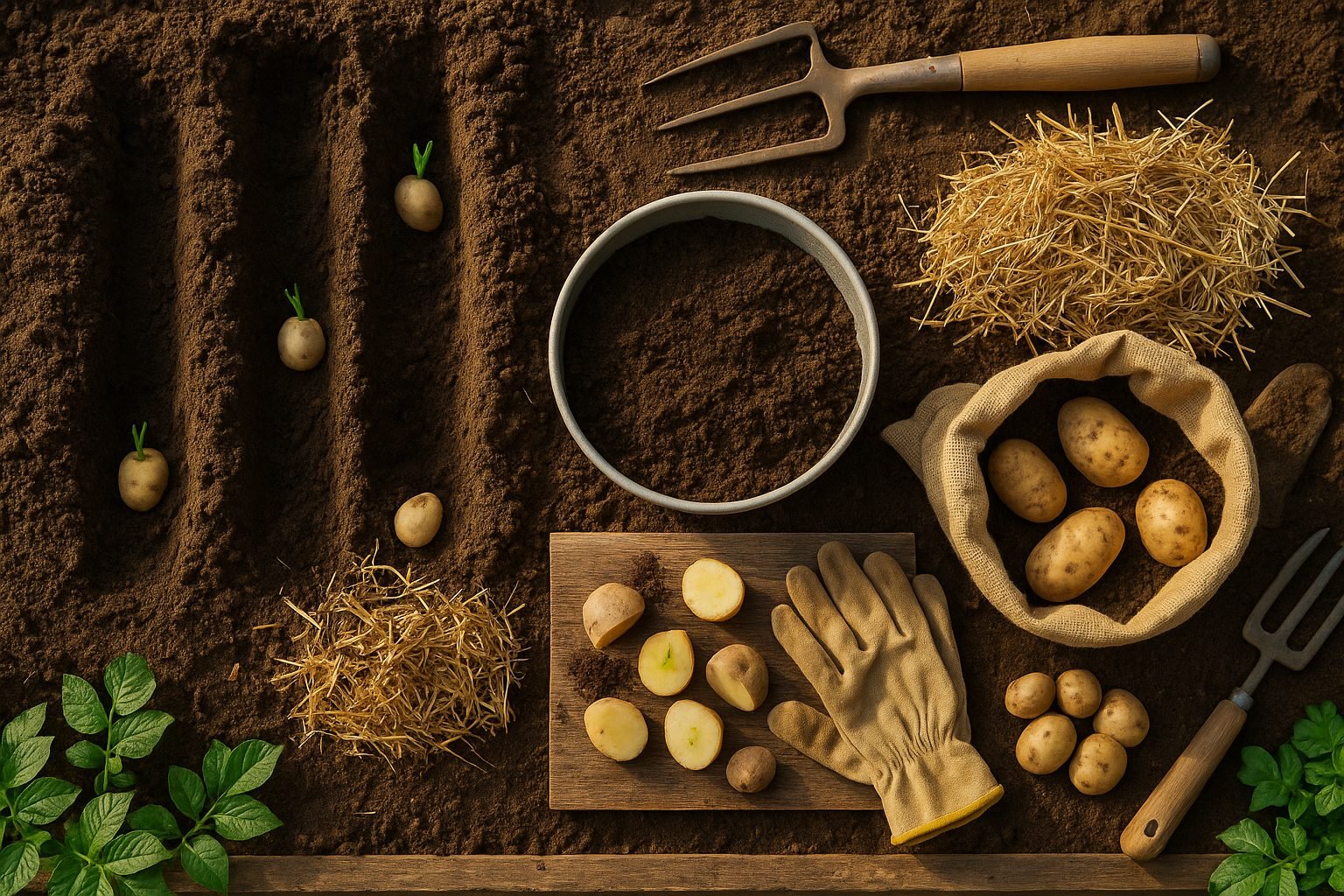
Start by selecting healthy seed potatoes and cutting them into pieces, making sure each chunk has at least one or two eyes (the small sprouts). Let the pieces dry for a day or two to prevent rot, then encourage sprouting by placing them in a cool, bright location for a week—this is called chitting.
When you’re ready to plant, choose a spot with well-drained soil that gets at least six hours of sunlight daily. Dig holes or trenches about 4 inches deep and space seed pieces 12 inches apart, whether planting in the ground, a raised bed, or a large container.
Cover with soil and water well, keeping the soil moist but never soggy. As the plants grow, periodically “hill up” soil or mulch around the stems, covering the lower leaves—this encourages more potatoes to form along the buried stems and protects them from sunlight, which can turn tubers green and toxic.
Regular care ensures a bountiful harvest in a few months.
Caring for Your Potato Plants
To keep your potato plants healthy, water them deeply once or twice a week, aiming for consistent moisture but never soggy soil. Add a thick layer of straw or shredded leaves as mulch to retain moisture, suppress weeds, and keep the tubers cool.
Feed your plants with a balanced fertilizer when the shoots are about six inches tall, then again just as they begin to flower.
Protect your potatoes from pests by hand-picking slugs at dawn and removing any yellowing leaves to prevent blight. Check for signs of disease, like dark, mushy spots on leaves, and remove affected foliage quickly.
Harvest time arrives when the foliage starts to yellow and die back. Gently loosen the soil with a fork to avoid bruising the precious tubers.
Fun Potato Facts & Activities
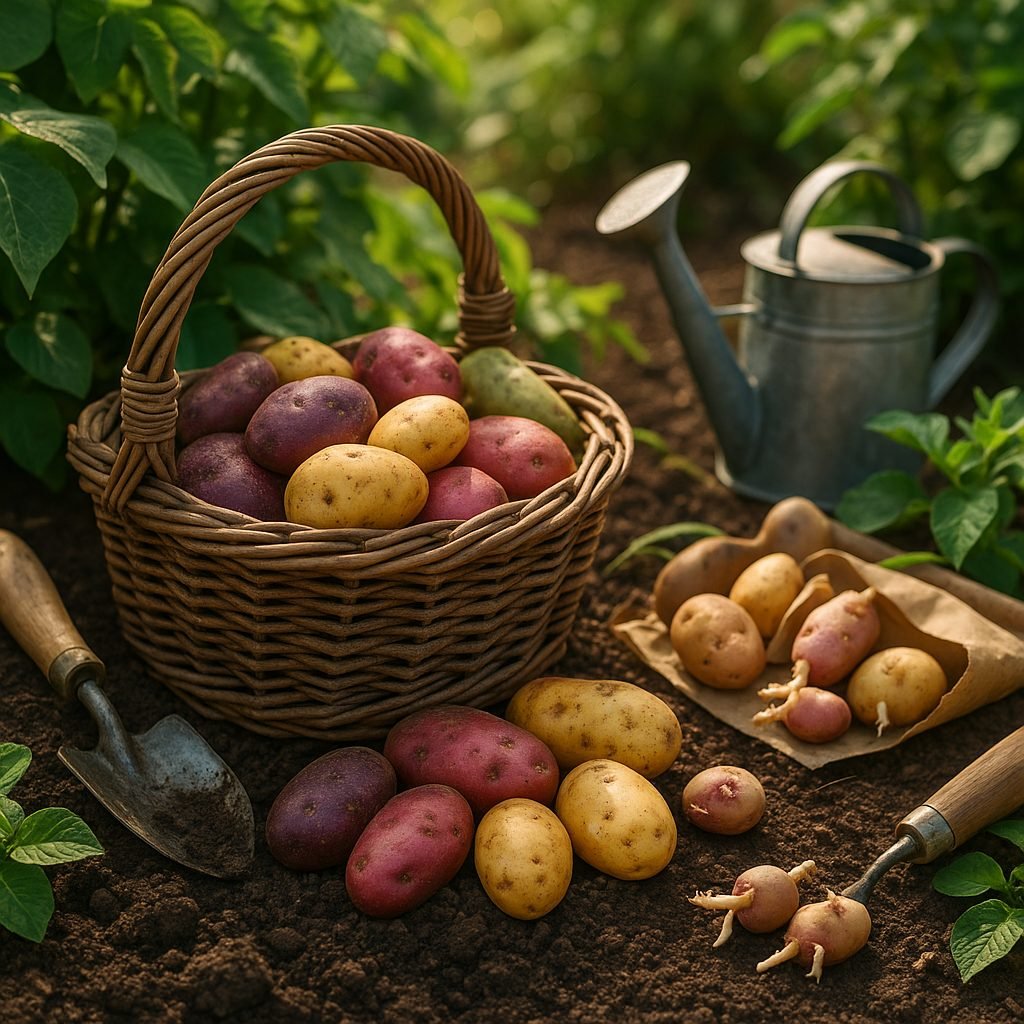
Potatoes have a rich history, originally cultivated by the Incas in Peru over 7,000 years ago. Today, there are over 4,000 varieties worldwide, ranging from purple and red to finger-shaped and even blue-skinned types.
For a fun activity, try growing quirky potato varieties in your backyard or even in pots—kids will love seeing colorful or unusually shaped spuds emerge from the soil.
You can also involve children in simple potato experiments, like watching them sprout in water or testing how they float.
To round out your potato adventure, host a taste test of different homegrown potatoes to discover surprising flavors and textures.
Join the Potato Growing Community
Connecting with other potato enthusiasts can make your gardening journey much more rewarding. Join local gardening clubs or online groups where you can swap photos, share progress, and troubleshoot common issues with like-minded growers.
Local gardening societies often host meetups, workshops, and even seed swaps—perfect opportunities to learn new tricks and meet fellow potato fans in your area.
Don’t forget to subscribe to gardening newsletters for a steady stream of tips, planting calendars, and updates on vegetable growing. Sharing your own successes (and failures) helps everyone in the community grow tastier, healthier potatoes together.