How to Tell When Potatoes Are Ready to Be Harvested
Knowing when to harvest potatoes can make a big difference in the quality and taste of your homegrown spuds. For many gardeners, it’s exciting but tricky to judge the right time, especially since most of the action happens underground.
Potatoes begin life as tiny tubers attached to the plant’s roots, while above ground, leafy stems and foliage grow vigorously to capture sunlight. As the season progresses, these leaves and stems fuel tuber growth and development under the soil.
Keep a close watch on your potato plants: one of the earliest signs your potatoes are ready is when the plants start to flower. Flowering usually signals the formation of young “new potatoes” — these tender, thin-skinned tubers can be gently dug up for an early harvest about 2-3 weeks after flowers appear.
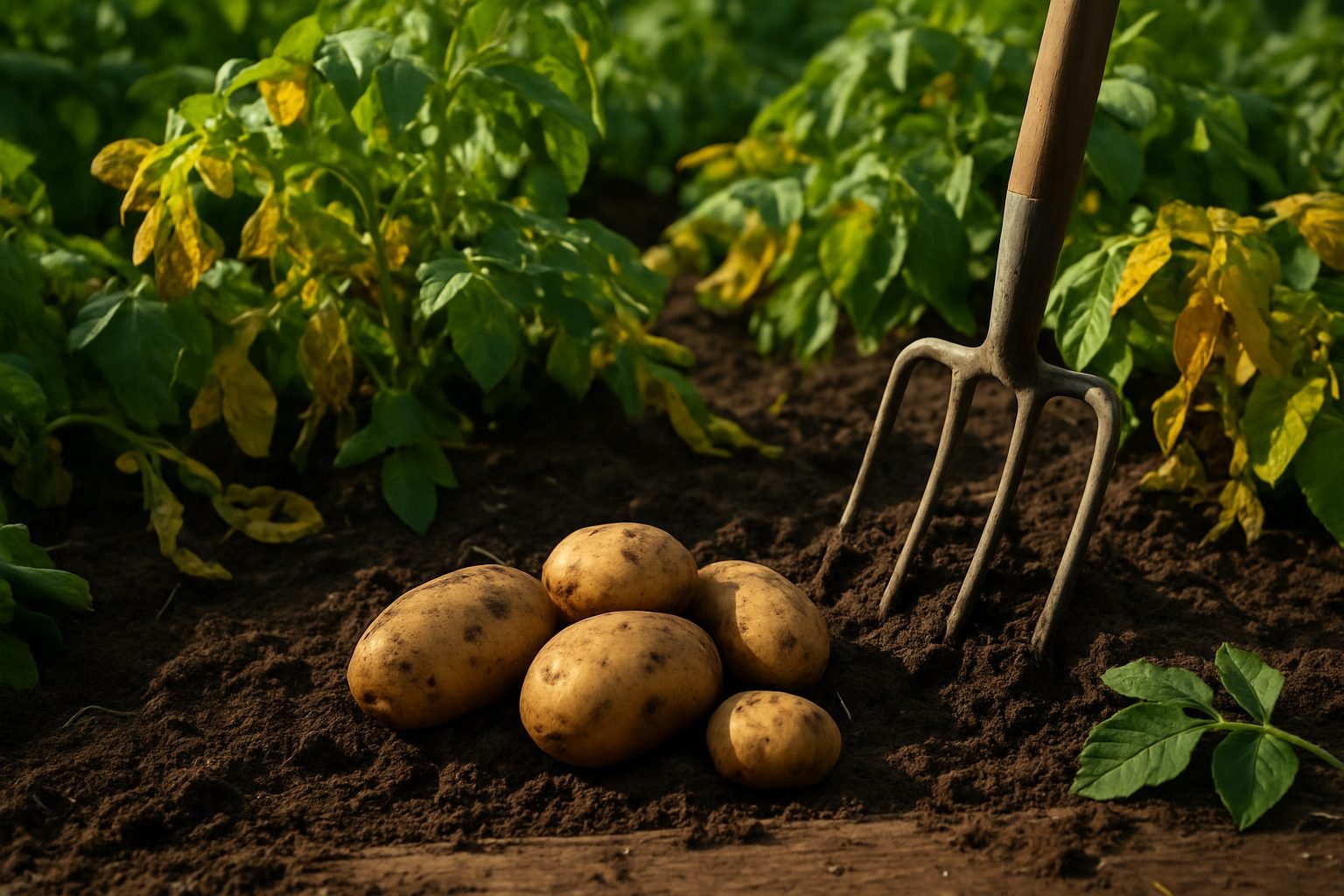
For main crop potatoes, patience is key. Wait until the foliage turns yellow and begins to die back completely; this shows that the plant has transferred its energy to the tubers and they’ve reached full size. A reliable tip is to leave the tubers in the ground for another two weeks after the foliage dies down, helping their skins toughen up for better storage.
When you do dig up a test potato, rub the skin gently: if it doesn’t peel away easily, your potatoes are mature and ready to be stored. Early potatoes are perfect for enjoying fresh in salads or steamed with herbs, while main crop varieties are best for storing over winter.
Being observant—looking for flowers, waiting for dying leaves, and checking the skin—will soon give you the confidence to know exactly when to harvest potatoes for your kitchen or cellar.
Key Signs Your Potatoes Are Ready
One of the clearest signs that your potatoes are nearly ready for harvest is a change in the foliage. As potato plants reach maturity, their leaves will start turning yellow, gradually browning, and eventually dying back altogether. This process usually begins from the lower leaves upward and can look concerning if you’re new to gardening, but it’s actually a natural indicator that your tubers are maturing underground.
For most standard varieties—like Yukon Gold, Russet, or Red Pontiac—this stage typically arrives between 90 and 120 days after planting, depending on your local climate and the specific type you’re growing. However, don’t rely on just the calendar; pay attention to your plants’ appearance.
If you’re eager for “new” or baby potatoes, these can often be harvested about two weeks after the plants have finished flowering, though the skins will be delicate and may rub off easily. For fully mature potatoes intended for winter storage, another quick test is to gently dig up one tuber and try rubbing its skin.
- A mature potato will have thick, set skin that doesn’t come off with light pressure.
- If the skin still scrapes away, leave your crop in the ground a bit longer, provided the weather remains dry.
Harvesting too soon can mean shorter storage time and lower yields, so be patient and check several test potatoes before pulling the whole crop. Tracking your planting date and noting when flowering and leaf dieback occur can help you predict future harvests even more confidently.
With these simple cues, you’ll be able to pick the perfect time for both fresh meals and long-term pantry staples.
The Best Time to Harvest Potatoes
Harvesting potatoes at the right moment can make a world of difference in both flavor and storage quality. Timing depends on a few key factors: weather, soil moisture, frost risk, and potato type.
When to Harvest Early and Maincrop Potatoes
Early or “new” potatoes are best harvested when the plants start to flower, typically around 10-12 weeks after planting. Their skins are tender, and they’re perfect for immediate use. Maincrop or late potatoes, ideal for longer storage, are usually dug up about 18-20 weeks after planting, after the foliage has yellowed and died back. Waiting for this ensures the skins have toughened up, minimizing the chance of bruising during storage.
Weather and Soil Considerations
Always keep an eye on weather forecasts—a sudden frost can damage tubers near the soil surface, so aim to harvest before the first autumn frost in your area. Similarly, try to pick a dry, sunny day, as wet soil can cling to potatoes, increasing the risk of rot.
Prepare by stopping irrigation a week in advance to let the soil dry out; this helps skins cure and reduces mud on your harvest. On harvest day, test soil moisture by squeezing a handful—it should crumble, not clump.
Harvesting Tips
- Use a garden fork or shovel, starting about a foot from the plant to avoid spearing tubers.
- Gently lift the potatoes out.
- Let them air-dry for a few hours on the ground if the weather is good, or move them under shelter if rain threatens.
- Brush off excess dirt, but don’t wash them unless you’re eating them right away—this helps prolong storage life.
With planning and attention to these steps, you’ll enjoy a healthy, delicious crop whether you’re harvesting early for salads or late for winter meals.
How to Harvest Potatoes Safely
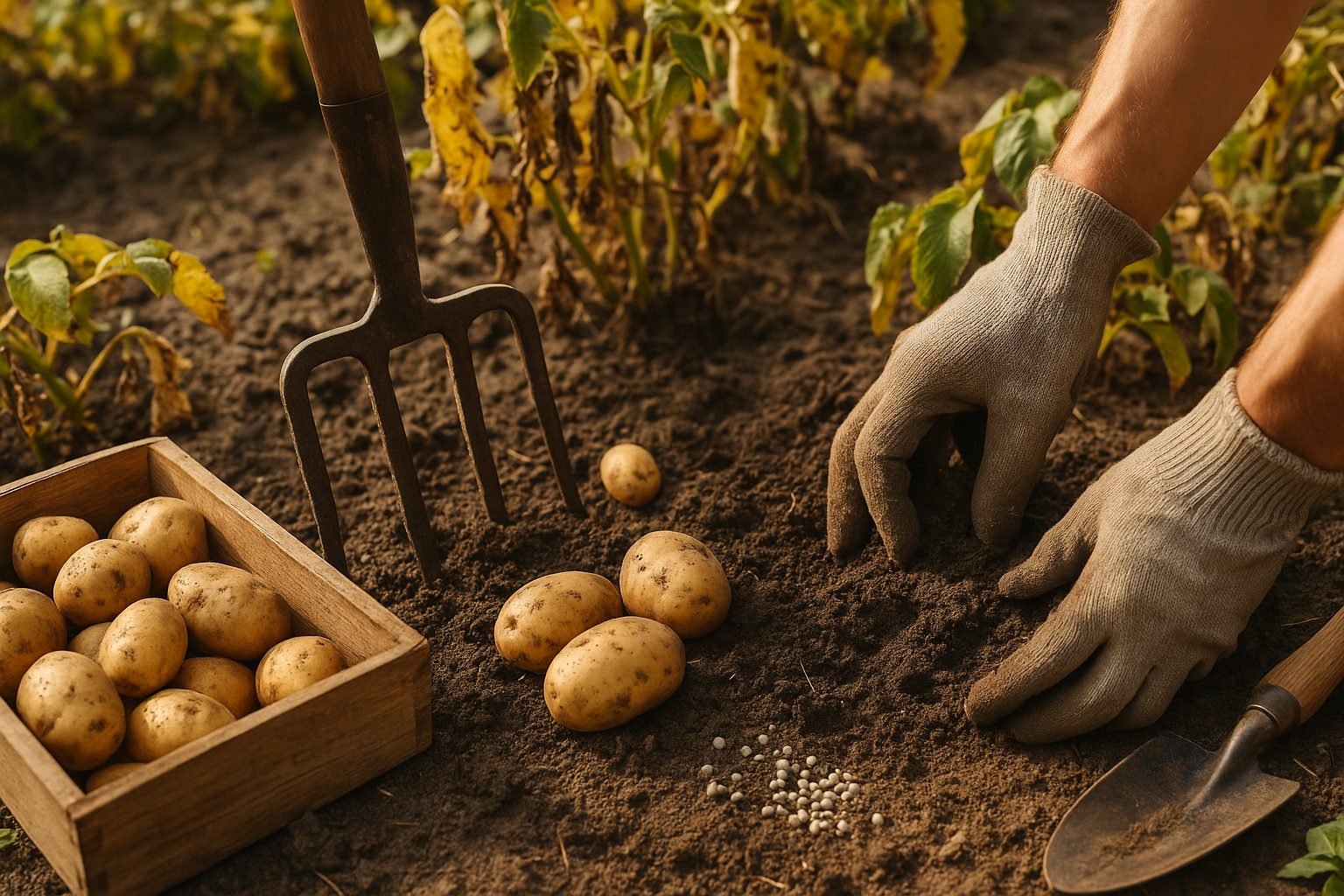
Harvesting potatoes safely starts with choosing the right tools—garden forks and sturdy gloves are essentials. Begin by waiting until the plant’s foliage has yellowed and died back, signaling the potatoes are fully mature.
On a dry day, gently insert a garden fork about a foot away from the plant base to avoid stabbing the tubers directly. Carefully rock the fork back and forth to loosen the soil, rather than lifting it all at once; this minimizes the risk of slicing or bruising your potatoes.
Next, use your gloved hands to sift through the loosened soil, gently lifting each tuber instead of pulling on the plant’s stems, as tugging can cause cuts or tears. Place the unearthed potatoes in a shallow container or on soft ground to avoid piling them up, which can result in bruising from the weight and friction.
As you collect, sort out any damaged potatoes for immediate use since cuts or nicks make them prone to spoilage. To preserve the quality of your harvest, brush off loose soil gently—don’t wash the potatoes unless you plan to eat them right away, as moisture can reduce their storage life.
Allow the freshly harvested potatoes to sit out of direct sunlight for a couple of hours to cure their skins, which helps improve durability in storage. This stepwise, cautious approach helps ensure your potatoes stay whole, unbruised, and ready for long-lasting storage or eating.
Tips for Storing Freshly Harvested Potatoes
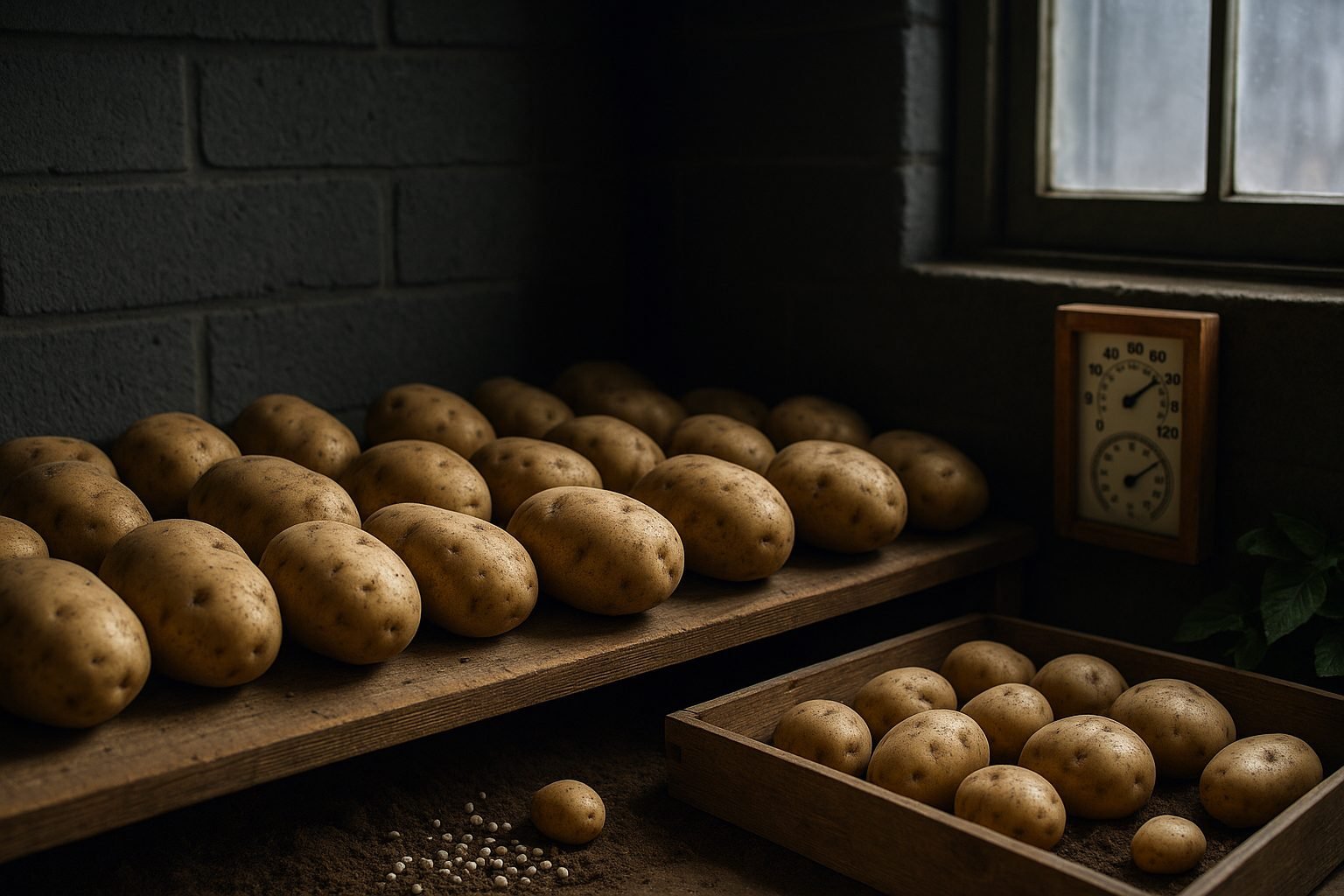
After digging up your potatoes, proper curing is the key first step to maximize their storage life. Start by gently brushing off excess soil without washing them, as moisture can promote rot. Lay the potatoes out in a single layer in a cool, dark, well-ventilated spot—think an open garage or sheltered porch—for about two weeks.
This curing process allows the skins to toughen up and minor scrapes to heal, making potatoes less susceptible to spoilage. Once cured, transfer them to an ideal storage area: aim for a steady temperature around 45 to 50°F (7 to 10°C) with high humidity, around 85 to 90 percent, to prevent shriveling.
Darkness is crucial—exposure to even low light causes potatoes to turn green and develop solanine, a bitter and sometimes toxic compound. Avoid storing potatoes near onions, which can cause each other to spoil faster.
Check on your stash regularly and use any potatoes with cuts, bruises, or signs of disease promptly, as they won’t last as long. Early warning signs of storage problems include wrinkling, soft spots, sprouting, or discolored patches. Removing affected tubers quickly can save the rest of the batch.
By following these steps, you’ll enjoy your homegrown potatoes well into the winter months.
Common Potato Harvest Problems & Solutions
Potato harvests can hit a few bumps, but knowing the common issues and how to handle them can make a big difference. One frequent problem is harvesting too early or too late—dig up potatoes too soon and you’ll get bite-sized tubers; wait too long and the skins might become tough or the potatoes may sprout or rot in the ground. To hit the sweet spot, watch for yellowing foliage and wait two weeks after the flowers die back before harvesting.
Pest and disease damage, such as holes from wireworms or scabby, rough patches from fungal issues, are also common. Check your crop frequently and use crop rotation, disease-resistant varieties, and certified seed potatoes to minimize risk.
Weather can throw in extra challenges like wet conditions leading to rot, or heatwaves that leave you with hollow or misshapen tubers. If you notice green patches on the potatoes, it means they’ve been exposed to sunlight and developed solanine, which can be toxic—always keep tubers well-covered with soil while they grow and discard any green ones during harvest.
Misshapen tubers can signal inconsistent watering, compacted soil, or nutrient imbalances; consistent watering and loosening the soil before planting can help. If you uncover rotten or soft potatoes, remove them right away to prevent spread and let the ground dry out before harvesting more.
Tips for Long-Term Success
- Use well-draining soil.
- Rotate your potato patch every year and avoid planting in the same spot more than once every three years.
- Mulching helps keep the soil moist and cool while protecting tubers from sunlight.
With a watchful eye and a few proactive habits, you’ll troubleshoot issues quickly and set yourself up for bigger, healthier harvests each season.
Frequently Asked Questions About Harvesting Potatoes
Harvesting potatoes can bring up plenty of questions, especially if it’s your first season. Wondering if you can eat potatoes with green spots? It’s best to avoid them—green coloring signals toxic solanine, so either cut away those parts or discard the potato entirely.
Should you harvest after rain? Wait until the soil dries out; wet conditions make potatoes hard to dig and encourage rot.
When it comes to digging, aim for a depth of 6–8 inches. Use a garden fork and work gently to avoid scrapes or bruising.
Curious if you should wash your potatoes right away? Leave them unwashed and let the skins cure in a cool, dry spot for a week. Washing too soon can increase the risk of decay.
For small, tender “new” potatoes, you can harvest a few weeks after the plants flower, but for full-size potatoes, wait until the vines yellow and die back.
If you’re a beginner, don’t stress about perfection—every harvest builds experience, and even the quirky-shaped spuds taste great. Grab a notebook and jot down what worked and what didn’t this year; your notes will be gold when planning next season’s potato patch.