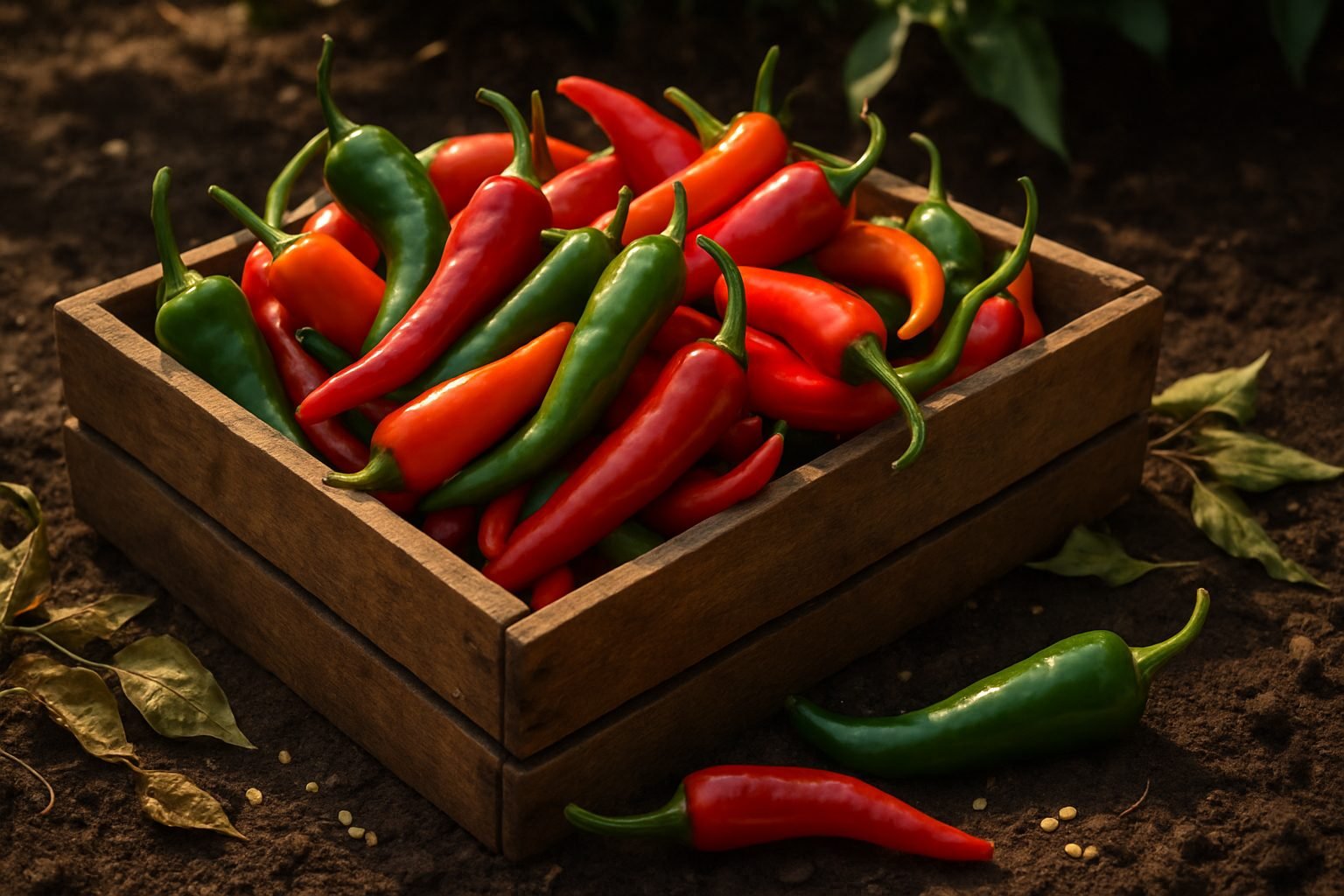
Understanding and Enhancing Chili Pepper Heat
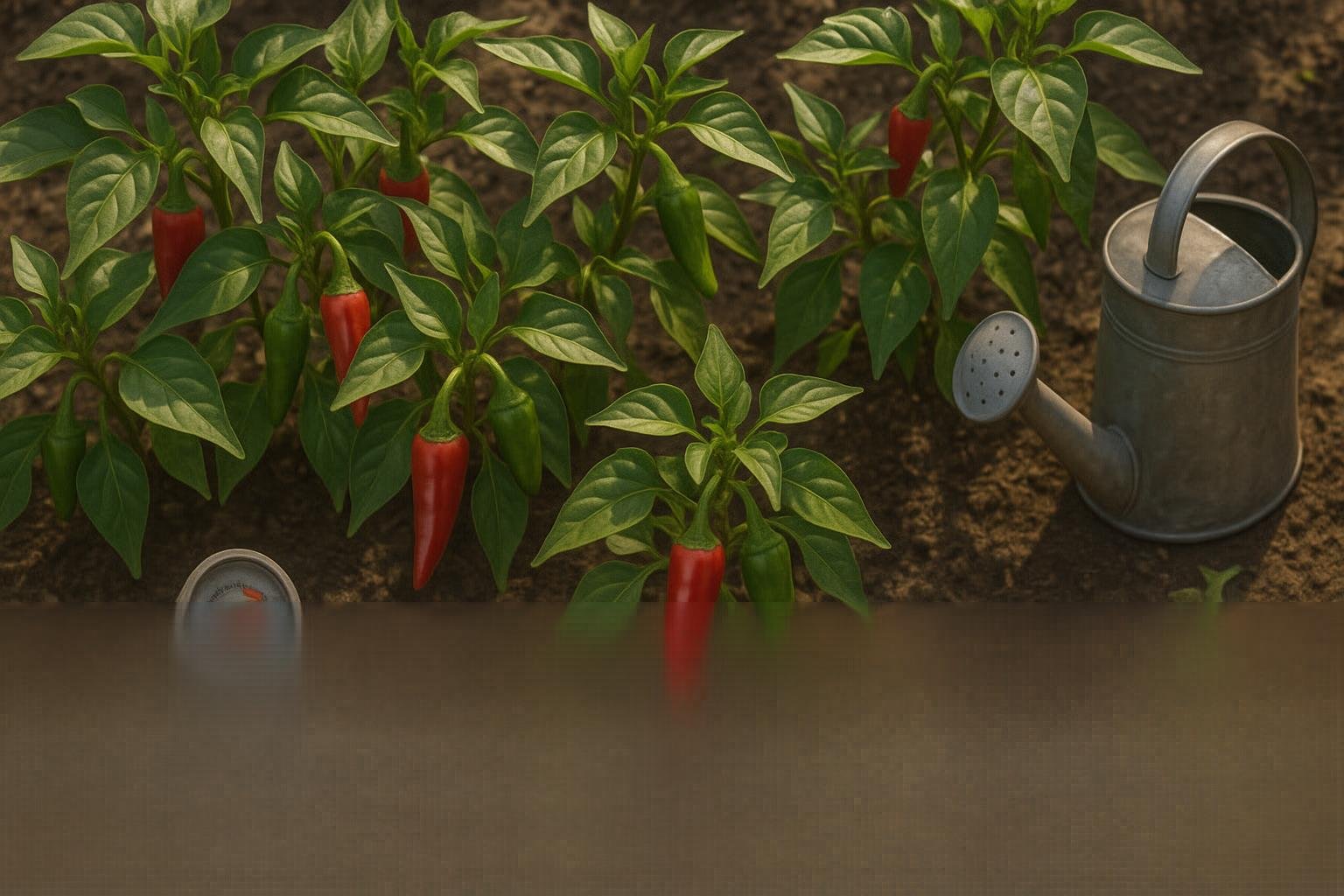
If you’re on a quest to boost pepper spiciness in your homegrown chilis, you’re not alone. Gardeners and food enthusiasts alike know that the heat level in peppers can transform a dish or elevate a homemade hot sauce. But what actually makes some peppers pack more punch than others? Much of it comes down to capsaicin—the natural compound responsible for that fiery kick.
Biology is just one part of the story; environmental factors such as soil composition, sun exposure, and watering routines all play pivotal roles in determining a pepper’s heat. For example, peppers stressed by controlled water deprivation or grown in hotter, sunnier spots often produce higher capsaicin levels, turning up the heat in your harvest.
In this guide, we’ll break down the main contributors to heat intensity, explore why even peppers from the same plant may vary in spiciness, and share actionable strategies for both gardeners and cooks looking to increase chili heat. Whether you’re aiming for an eye-watering harvest or simply want to better understand the science behind the sizzle, you’ll discover how to adjust growing techniques and use heat knowledge to achieve consistent, flavorful results.
Knowing how to influence pepper spiciness ensures success not just in the garden, but also on the plate, where every bite delivers the flavor and fire you crave.
What Makes Chili Peppers Hot?
Chili peppers owe their signature kick to a compound called capsaicin, which binds to receptors in your mouth and tricks your brain into sensing heat. The intensity of this fiery sensation isn’t random—it’s measured by the Scoville scale, which ranks peppers based on how many times the capsaicin must be diluted before it stops burning the tongue.
For example, a bell pepper sits at zero Scoville Heat Units (SHU), while a jalapeño ranges from 2,500 to 8,000 SHU, and the blistering Carolina Reaper can pass two million SHU. But not all peppers are created equal, even within the same variety.
Genetic differences play a huge role: the capsaicin content can vary dramatically between types, like the mild poblano versus the pungent habanero, and even between individual fruits grown on the same plant. This genetic variation is why you might find one jalapeño pleasantly spicy while another from the same batch packs more punch than expected.
Environmental factors, such as temperature, sunlight, water, and soil nutrients, also influence capsaicin production. Hotter, drier conditions generally stress pepper plants, prompting them to ramp up their capsaicin as a defense mechanism—which means peppers ripened during a heatwave are often hotter.
On the flip side, optimal water and nutrient levels can result in milder fruit, so if you’re growing your own peppers and want less burn, keep your plants happy and well-irrigated. Even fruit positioning matters—a pepper growing in the shade of leaves can end up milder than one basking in direct sunlight.
So, the next time a pepper surprises your taste buds, remember: its heat is the product of a fascinating blend of genetics, environment, and care.
Key Growing Conditions for Spicier Peppers
If you want to grow peppers with an extra kick, paying close attention to specific environmental conditions can make a world of difference. Soil acidity is a great place to start: peppers thrive when the pH is slightly acidic, ideally between 6.0 and 6.8. You can test your garden soil with an inexpensive kit, and if needed, adjust it with amendments like sulfur to lower the pH—but be cautious, as too much sulfur can stress the plant and stunt growth.
Watering practices are another effective lever. It’s true that a little bit of drought stress—by watering less frequently but deeply—can encourage peppers to produce more capsaicin, the compound responsible for their heat. However, underwatering too much can slow overall growth or diminish fruit yields, so aim for a careful balance by letting the soil dry slightly between waterings without letting plants wilt.
Sunlight exposure also plays a major role, with peppers thriving in full sun—at least six to eight hours daily—which not only boosts plant vigor but also enhances fruit spiciness.
When it comes to fertilization, using too much nitrogen can lead to lush, leafy plants with fewer, milder peppers. Instead, opt for a balanced fertilizer and avoid overfeeding.
These strategies, when combined—moderating water, adjusting soil acidity, and maximizing sunlight—help coax out more fire from your peppers. Just remember, each technique comes with trade-offs, so experiment on small batches and monitor your plants to find the sweet (and spicy) spot that works for your garden.
Tips for Maximizing Pepper Heat at Home
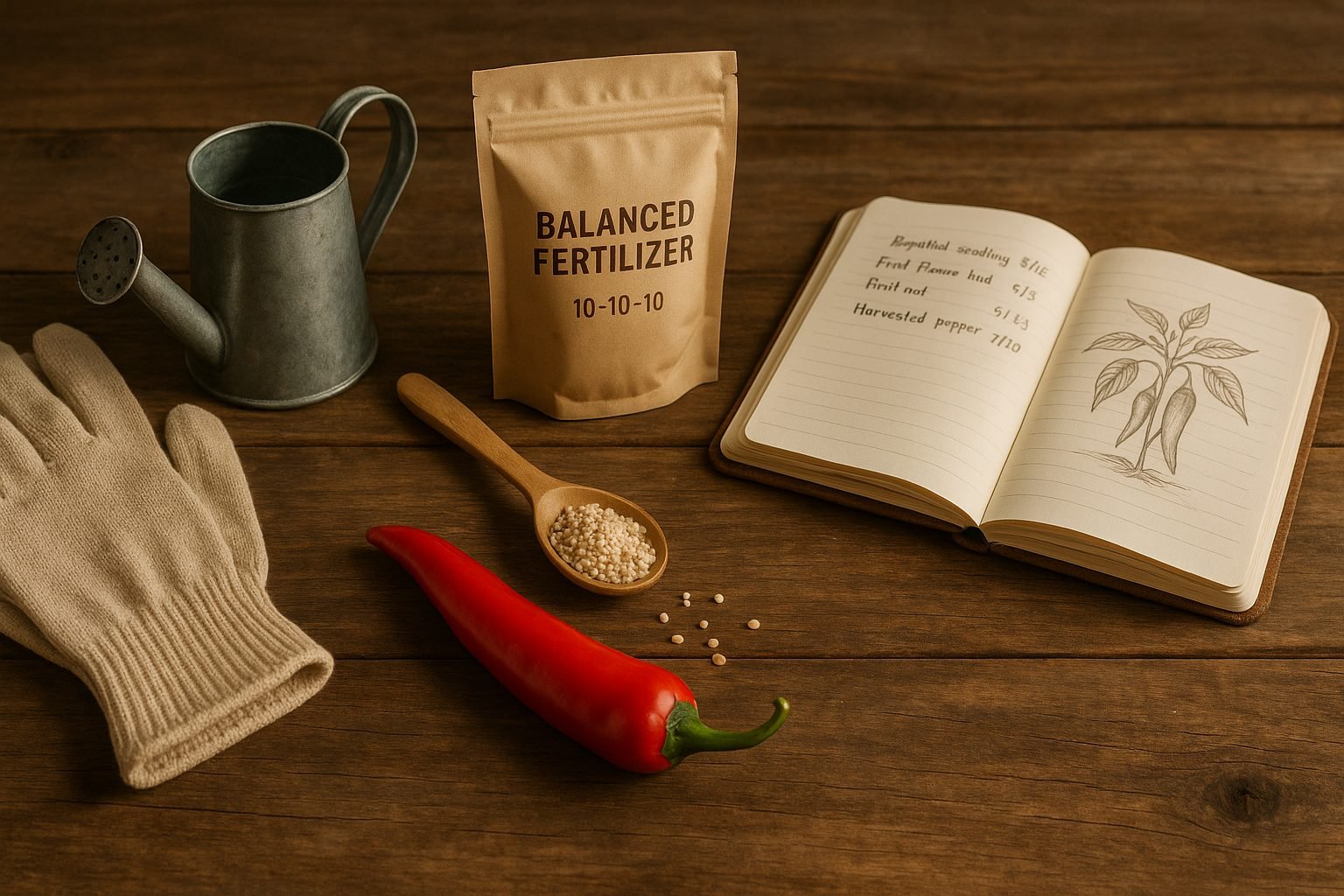
If you want homegrown hot peppers that really deliver on heat, start by choosing the right varieties—classic options like habanero, cayenne, and Thai chili naturally pack more punch. But for maximum spiciness, when and how you care for your plants matters just as much as genetics.
Harvest timing is key: allow peppers to fully mature and change color on the plant before picking, as capsaicin levels (the compound responsible for heat) increase significantly with ripeness. Avoid overwatering; peppers actually produce more capsaicin when they experience mild drought stress, so let the soil dry out slightly between waterings. Similarly, skip fertilizers high in nitrogen since these promote leafy growth at the expense of fruit and heat production—opt for a balanced or phosphorus-rich fertilizer instead.
Be mindful of cross-pollination, especially if you’re growing both hot and mild varieties in the same garden; separate different species or use physical barriers to prevent unwanted crossbreeding, which can dilute the heat in future harvests.
To monitor progress, keep a simple gardening journal and track which conditions and practices yield the spiciest results in your space. Small changes, like adjusting watering habits or picking fruit at peak ripeness, can make a noticeable difference.
By staying observant and trying out these tweaks, you’ll find it’s not hard to coax extra heat from your backyard pepper patch—even if you’re working with a small container garden.
Using and Balancing Pepper Heat in Cooking
Adding spicy peppers to your dishes can boost flavors and excitement, but getting the right heat level is key to making food enjoyable rather than overwhelming. Start slow—when using hot chilies like jalapeños, serranos, or habaneros, add a little at a time, tasting as you go.
Keep in mind that removing the seeds and membranes from fresh peppers can significantly dial back their heat while still lending a pleasant kick.
To balance out strong chili spice, reach for ingredients that counteract the burn:
- Acids like lemon or lime juice, vinegars, or tomatoes can cut through heat and brighten the overall taste.
- Dairy is another classic trick—add a splash of cream, yogurt, or cheese to mellow spice in soups, curries, or even tacos.
- Sweeteners, like honey, sugar, or coconut milk, also reduce perceived heat and can blend beautifully in Asian or Caribbean dishes.
If you accidentally make a dish too spicy, try stirring in a bit more of the main cooking liquid, an extra dollop of yogurt, or a squeeze of citrus to calm things down.
Experiment with different peppers in global recipes, such as adding a few slices of fresh chili to Thai noodles, incorporating chipotles in adobo for smoky Mexican sauces, or sprinkling red pepper flakes on Italian pasta.
With practice and the right balancing ingredients, you can turn fiery peppers into a lively yet harmonious element in everyday meals.
Taming & Enjoying Chili Heat
Taming chili heat starts before you even add the peppers to your dish. If you’re sensitive to spice, try removing the white membranes and seeds from fresh chilies—these parts hold most of the intense heat. For raw dishes like salsas, soaking sliced peppers in cold water for ten minutes can help mellow them down.
When cooking, you can temper chili heat by pairing spicy foods with creamy or starchy companions: think a dollop of yogurt, a scoop of sour cream, coconut milk, or a side of rice. If you accidentally go overboard, don’t panic—a quick squeeze of citrus, an extra splash of broth, or a sprinkle of sugar can balance too much fire.
Serving your spicy dish with bread or potatoes also gives guests relief, as dairy and starch naturally dampen heat. If your mouth’s on fire, skip the water—reach instead for a glass of milk or eat a spoonful of yogurt, which dissolves spicy compounds much faster.
Remember, chili peppers are about more than just heat—their flavors can be fruity, smoky, or even sweet. As a gardener, growing different varieties lets you discover their unique tastes right from the source, while as a cook, you can experiment with everything from mild poblanos to fiery habaneros.
Don’t be afraid to play with chili peppers; with a few tips and a little bravery, you’ll find the perfect balance for your palate and dishes.