Introduction to Hot Peppers in Cooking
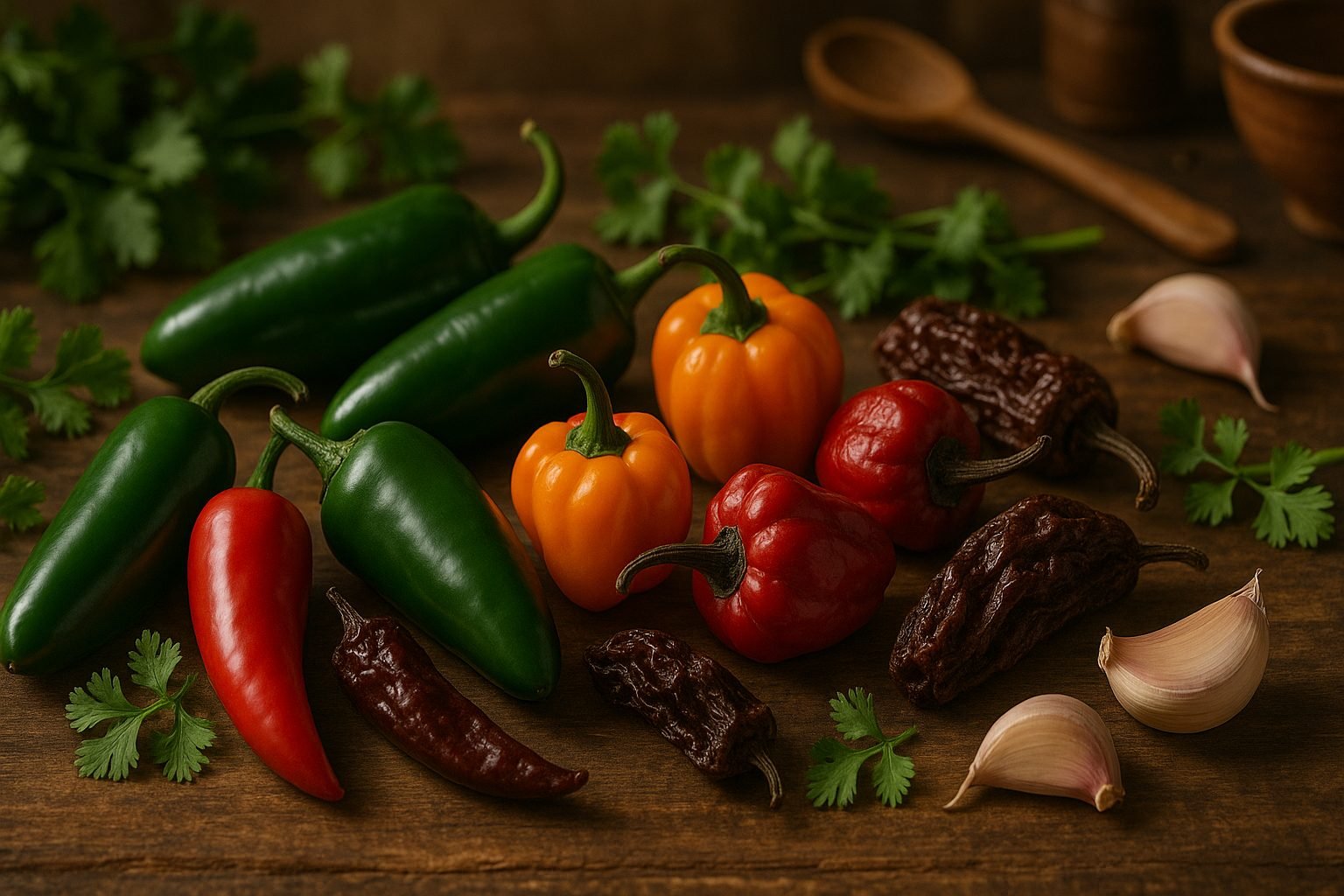
hot pepper recipes are the perfect way to bring your garden harvest to life, adding both bold flavor and irresistible heat to any meal. Hot peppers aren’t just about fiery spice; their appeal spans a vast range of flavors, from the fruity tang of habaneros to the smoky depth of chipotles and the grassy brightness of jalapeños.
Whether you prefer a barely-there tingle or an all-out blaze, there’s a pepper—and a recipe—for everyone. What’s truly exciting is the artistic variety: hundreds of pepper types lend themselves to unique taste profiles and culinary experiences, making each creation a chance to explore the world on your plate.
Across continents, hot peppers have become stars in dishes from Szechuan stir-fries and Caribbean jerk marinades to zesty salsas in Mexico and rich harissa pastes in North Africa. It’s no wonder that these vibrant pods are cherished in so many global cuisines, where their distinctive heat wakes up not just the palate, but the senses.
Hot peppers shine in countless kitchen roles—think spicy sauces that kick up grilled chicken, colorful relishes to brighten burgers, or even crunchy pickled snacks for a midday boost. Whether you’re using your own homegrown harvest or fresh market finds, hot pepper recipes can transform simple ingredients into unforgettable meals.
As you discover what to do with your crop, you’ll find endless inspiration—from quick-pickled pepper rings for sandwiches to robust chili oils and main course curries guaranteed to warm you up.
Popular Hot Pepper Recipes Around the World
Hot peppers are the vibrant stars of countless global dishes, bringing everything from subtle warmth to a fiery kick, depending on the recipe and region. In China, Kung Pao Chicken highlights Sichuan peppercorns and dried red chilies, allowing cooks to adjust the heat for a slightly numbing yet spicy flavor that’s a staple at both family dinners and festive banquets.
Moving to Mexico, Chile Rellenos—mild poblano peppers stuffed with cheese or meat, then battered and fried—are classic comfort food, often enjoyed during celebrations like Mexican Independence Day. Another iconic Mexican dish, Chiles en Nogada, pairs mild green poblano peppers with a sweet-savory stuffing and rich walnut sauce, symbolizing national pride and served during patriotic festivals.
In Peru, hot peppers shine in Lomo Saltado, a beloved street food where strips of beef are stir-fried with Peruvian aji amarillo—a moderately spicy pepper—along with onions, tomatoes, and fries, adding depth and a gentle heat that pleases most palates.
These dishes showcase how hot peppers aren’t just about spiciness—they’re thoughtfully chosen for each recipe, used both for their flavor and their ability to bring people together, whether it’s at bustling night markets, holiday feasts, or cozy family tables.
If you’re inspired to try these favorites, remember that you can always dial the pepper heat up or down to suit your tolerance, ensuring everyone can appreciate the taste and tradition behind each dish.
Sauces, Relishes, and Spreads
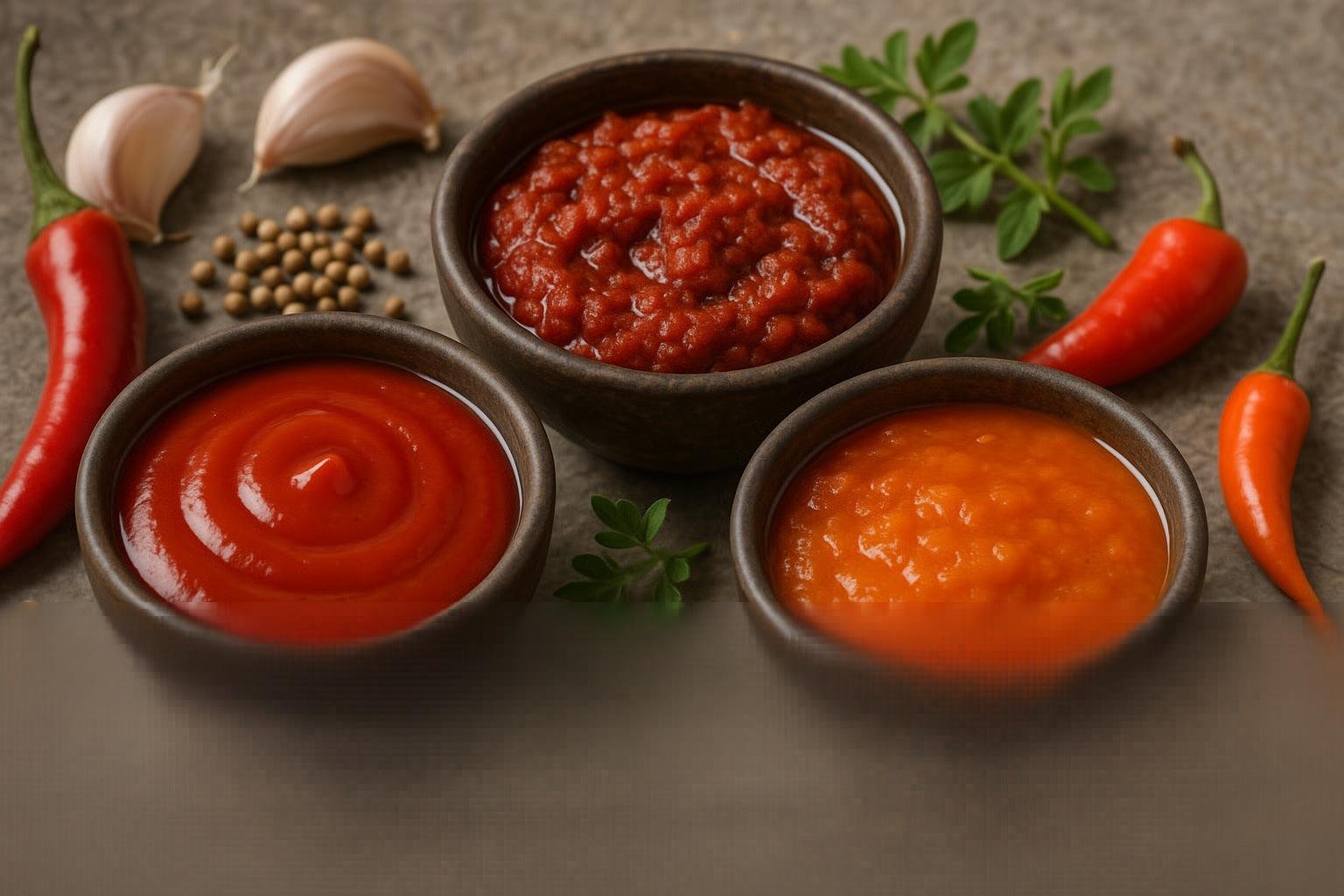
Hot peppers are the fiery heart of many beloved sauces and relishes around the world, adding both heat and complexity to dishes. Sriracha, for instance, blends fresh red chilies, garlic, sugar, vinegar, and salt into a smooth, zesty condiment. Meanwhile, North African harissa uses roasted hot chilies, spices like coriander and cumin, garlic, and olive oil to create a chunky, aromatic paste.
In the Caribbean, Trinidad pepper sauce and its vibrant relatives rely on Scotch bonnet or habanero peppers, combined with extras like mustard, lime juice, and herbs to produce a bold, tangy flavor that wakes up any meal. Adventurous cooks often experiment with intensely hot varieties like ghost peppers for knock-your-socks-off sauces.
Preparation methods can vary: some recipes focus on fresh ingredients blitzed in a blender for a quick, bright flavor, while others call for fermentation, which mellows the heat and develops deep, complex tanginess. For example, simply mix chopped chilies with salt, let them ferment for a week, then blend and strain.
Whether you prefer your sauces and relishes chunky or silky-smooth depends on both the preparation method and personal taste. You can leave chili seeds and bits in for texture, or strain for a pourable finish.
Store homemade hot sauces and relishes in clean glass jars or bottles in the refrigerator, where they often keep for several weeks. If you’ve fermented them, they may last even longer and develop richer flavors over time.
For serving, try adding a spoonful to scrambled eggs, tacos, grain bowls, or grilled meats. You can also swirl it into mayo or yogurt for spicy dips and spreads. Remember, a small amount can bring big flavor—taste as you go to find the heat level that’s right for you!
Stuffed, Baked, and Grilled Pepper Dishes
Hot peppers aren’t just for slicing into salsas—serving them whole by stuffing, baking, or grilling offers bold flavor and endless creative possibilities. Popular fillings like seasoned ground beef, black beans, or creamy cheeses create a balanced bite that tames the heat, especially when baked or grilled until the peppers are tender and slightly charred.
Jalapeños and poblanos are classics for this method: try stuffing jalapeños with cream cheese and herbs, then wrapping them in bacon before grilling; or fill poblanos with a mixture of rice, beans, and cheese for a hearty vegetarian dinner.
To handle hot peppers safely, always wear disposable gloves when cutting and deseeding—capsaicin oils can linger and cause unpleasant burns if they contact your skin or eyes. Slice the peppers open lengthwise and use a small spoon to remove seeds and membranes, which are often the spiciest parts.
For less fiery results, rinse the deseeded peppers under cold water before filling and cooking, and pair your stuffed creations with cool, creamy sides or dips to help mellow out any lingering heat.
Tasty Ideas for Snacks, Sides, and Breakfasts
If you love a little heat, hot peppers can quickly transform ordinary dishes into memorable bites. For an easy breakfast, try a potato and pepper frittata: sauté diced potatoes with onions and chopped hot peppers until golden, then add beaten eggs and cook until set—deliciously spicy and perfect for busy mornings.
Another quick idea is black bean huevos rancheros: mash black beans with lime and cumin, spread onto a corn tortilla, top with a fried egg, and spoon on a chunky salsa made from tomatoes, cilantro, and minced hot peppers.
If you crave something lighter, toss sliced cucumbers with rice vinegar, salt, a touch of sugar, and slivered hot peppers for a refreshing, spicy cucumber salad.
Hot peppers also shine in dips—blend them with roasted bell peppers, garlic, lemon, and white beans for a zesty spread that’s great with veggie sticks or crackers.
To add flavor throughout the day, try sprinkling chopped peppers onto avocado toast, grain bowls, or chickpea salads. Plant-based eaters can roast cauliflower florets tossed with olive oil and hot pepper flakes, or stir diced hot peppers into lentil or quinoa salads for a punch of taste without heaviness.
With these simple tricks, hot peppers can boost the flavor profile of breakfasts, snacks, and light meals—no bland bites here!
Choosing and Handling Hot Peppers Safely
When picking hot peppers, start by matching the variety to your taste and heat tolerance. Mild options like jalapeños and poblanos add gentle warmth and flavor, while serranos bring more kick. Fiery habaneros or ghost peppers are for true heat lovers. Always read or ask about the “Scoville” rating to gauge spiciness before you buy.
When handling hot peppers, safety is key: wear disposable gloves to protect your skin from capsaicin, the compound that delivers the heat, and avoid touching your face or eyes. Even a quick brush can cause hours of burning discomfort. Wash your hands and cutting tools thoroughly with soap after you’re done prepping.
For slicing, use a sharp knife and a stable cutting board. Remove seeds and membranes if you want less heat in your dish.
Fresh peppers last about a week in the fridge when sealed in a plastic or reusable bag, but they’re easy to preserve if you have a bumper crop. You can:
- Slice and freeze them for months-long storage.
- Use a simple vinegar brine to pickle peppers for sandwiches and tacos.
- Dry them in the oven or a dehydrator to crush into homemade chili flakes.
Whatever preservation method you choose, label your containers with the pepper’s name and heat level so you don’t get a spicy surprise later on.
Tips for Cooking, Pairing, and Serving Hot Pepper Dishes
When cooking with hot peppers, it’s essential to start small—adding just a little at first and tasting as you go ensures you won’t accidentally overpower a dish. Wearing gloves when chopping fresh hot peppers protects your skin from irritation, and removing seeds and membranes can help tone down the intensity. Roasting or sautéing peppers before adding them to recipes can bring out their sweetness and bolster the flavor without as much raw heat.
Pairing spicy dishes with cooling sides like cucumber salad, creamy yogurt sauces, or avocado slices offers a welcome reprieve and helps balance out the burn. For something tangy, pickled vegetables or a squeeze of fresh lime over the finished plate can brighten flavors and tame the fire.
If you find your dish too hot, don’t panic! Stirring in a dollop of sour cream, coconut milk, or a bit of sugar can mellow the heat, while adding extra grains or vegetables helps distribute spiciness. Personalize recipes by setting aside the hot pepper until the final stages—this way, diners can add heat to their own plates as desired.
Above all, remember that hot peppers are about enhancing flavor, not overshadowing the meal, so adjust and experiment until you’ve found the perfect level for your table.
Conclusion: Expanding Your Hot Pepper Repertoire
Cooking with hot peppers opens up a world of flavor, heat, and excitement that can transform any meal into a culinary adventure. From the smoky depth of chipotles in Mexican salsas to the fruity fire of Scotch bonnets in Caribbean curries, hot peppers bring unique personalities to dishes from every corner of the globe.
Don’t be afraid to experiment—try adding pickled jalapeños to your next pizza, infusing olive oil with Thai bird’s eye chilies, or tossing sliced serranos into your stir-fries for a spicy kick. The possibilities are endless, and even a small amount can make a big impact, so start gently and adjust to your taste.
Pairing hot peppers with sweet fruits, creamy cheeses, or tangy yogurts can also help balance the heat and reveal new dimensions of flavor. As you expand your repertoire, you’ll discover which varieties and preparations suit your palate best.
Most importantly, have fun with it! Cooking with hot peppers is all about creativity and building confidence in your kitchen. We’d love to hear about your favorite pepper-infused dishes, clever combinations, or memorable cooking mishaps—share your stories in the comments and help inspire fellow spice enthusiasts!