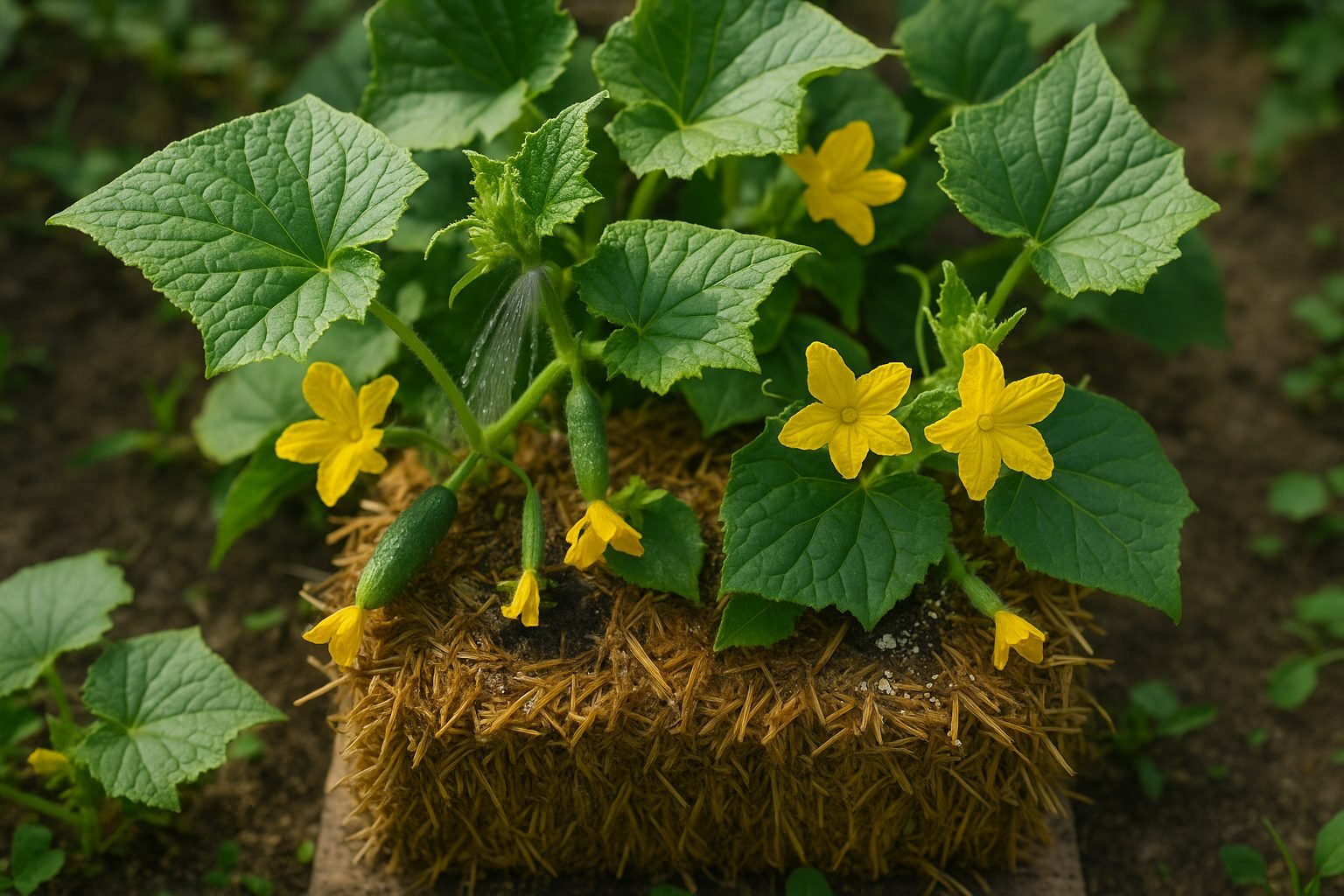
Understanding Cucumber Pollination Basics
If you want to guarantee a healthy harvest, learning how to pollinate cucumbers manually can be a game-changer—especially in gardens where natural pollinators are scarce. Pollination is essential for cucumber plants; without it, female flowers won’t set fruit, and your vines won’t produce those crisp, delicious cucumbers. For fruit to develop, pollen must be transferred from the male flower’s stamen to the female flower’s stigma—a process typically handled by bees and other insects buzzing around your garden.
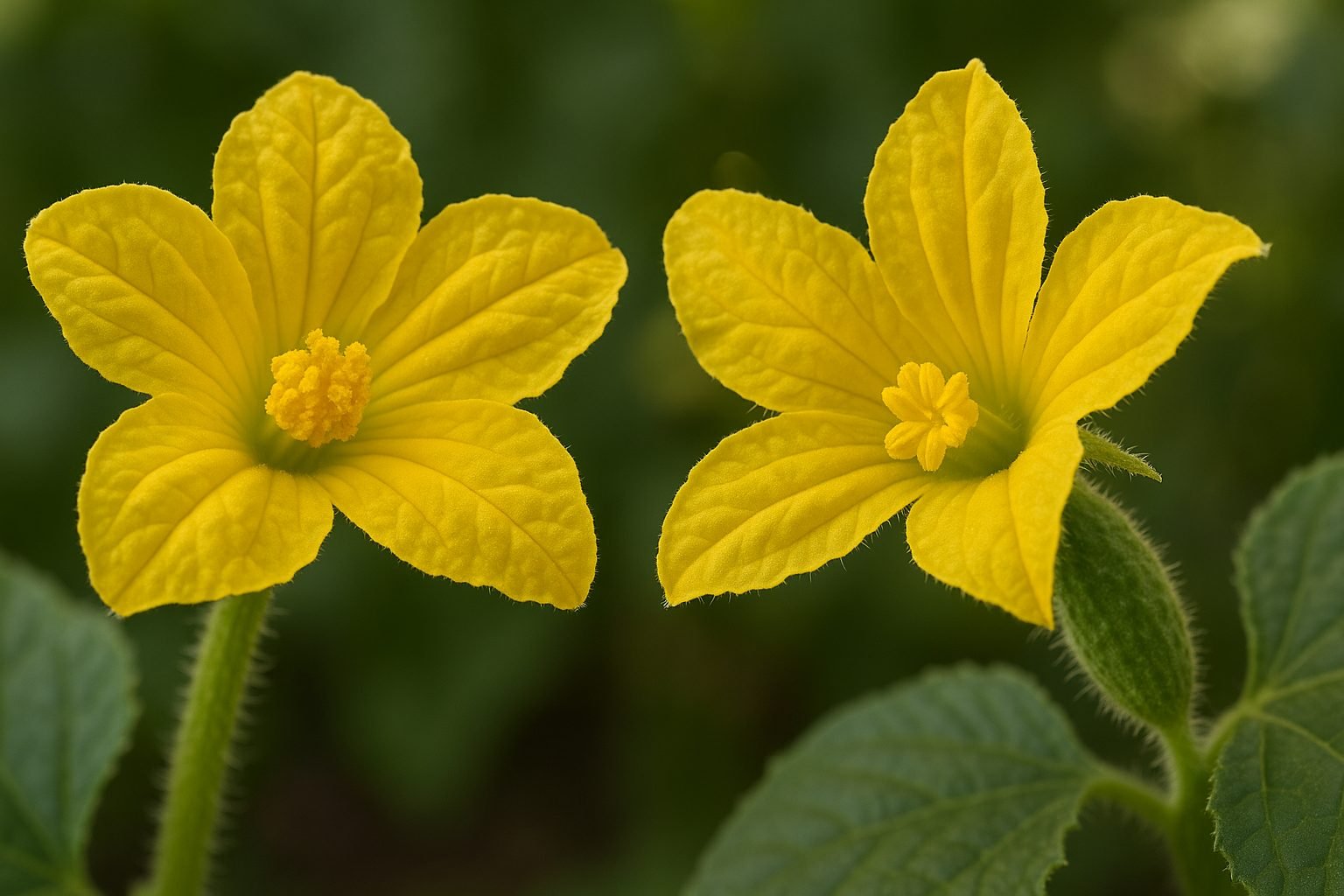
Cucumber flowers come in two forms: male and female. Male flowers are usually the first to appear and can be recognized by their slender stems and absence of a swelling at the base. These blossoms produce pollen, which looks like fine yellow dust on the central stamen. Female flowers, on the other hand, are easy to spot thanks to the small swelling directly behind the petals—it’s a tiny, baby cucumber in the making. Their role is to receive pollen on the sticky stigma in the center of the bloom.
In outdoor gardens, bees and other pollinators do the heavy lifting, moving pollen as they feed from flower to flower. However, if you’re growing cucumbers indoors, in a greenhouse, or notice a lack of pollinator activity due to weather or pesticide use, you may have to intervene. Manually transferring pollen ensures every female flower gets what it needs to set fruit, boosting your overall yield and helping prevent misshapen or stunted cucumbers. Even in the best circumstances, knowing how to step in and pollinate cucumbers manually can make the difference between a sparse harvest and a bumper crop.
Identifying Male and Female Cucumber Flowers
Telling male and female cucumber flowers apart is easier than you might think once you know what to look for. Male flowers tend to appear first on the plant and grow in clusters on long, thin stems. They have a simple structure: just yellow petals and a central stamen covered in pollen.
Female cucumber flowers, on the other hand, are easy to spot because they have a tiny, immature cucumber (the ovary) right behind the petals. This small, green bulge is where your future cucumber will grow if the flower gets pollinated. This distinction is crucial for anyone hand-pollinating, as only female flowers turn into cucumbers, while male flowers supply the necessary pollen.
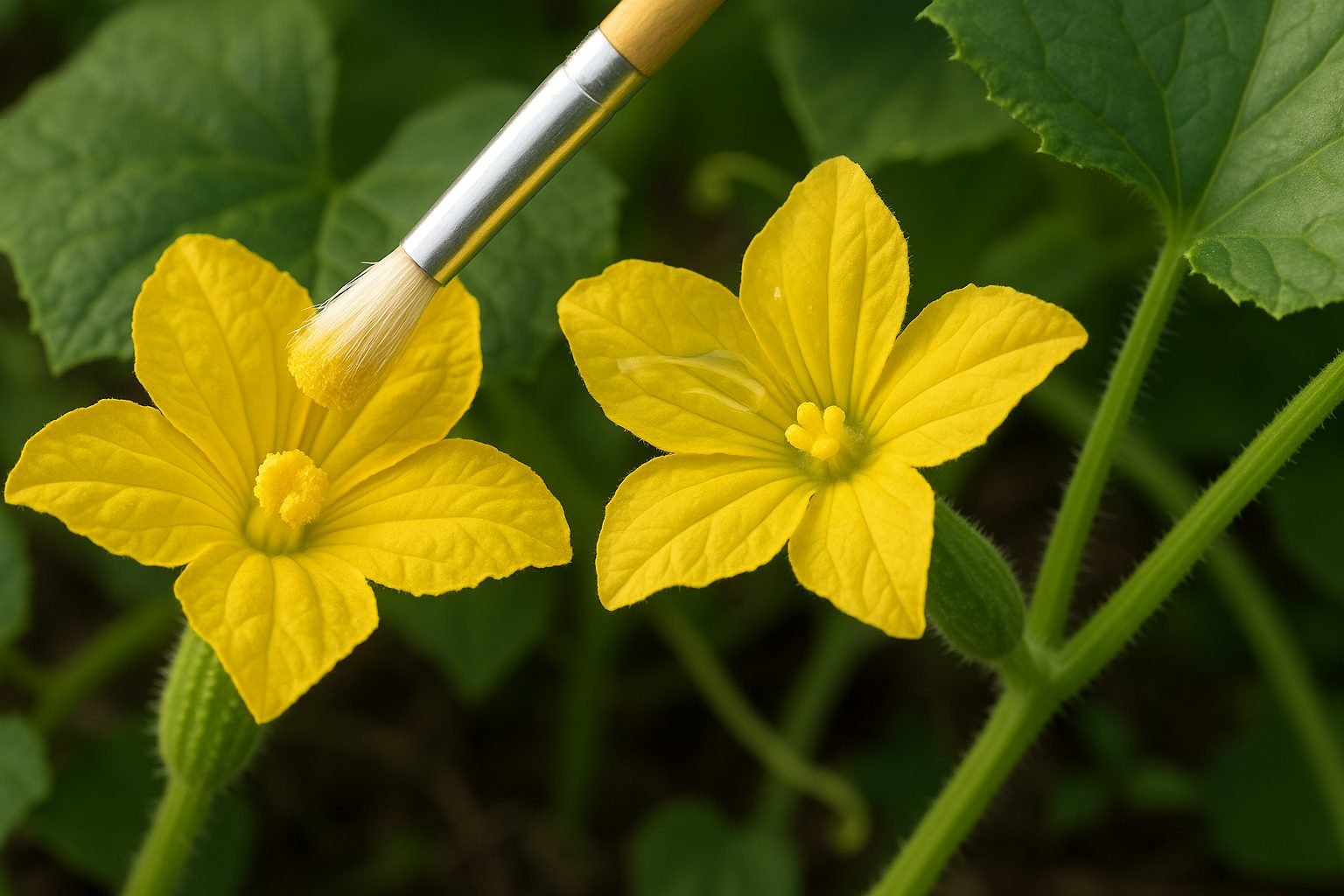
For effective hand-pollination, use a small paintbrush or cotton swab to collect pollen from the center of a male flower and gently brush it onto the center of a female flower.
For quick identification, check your plants in the morning when flowers are open wide. Look for:
- Clusters of flowers (usually male)
- Single flowers with swollen bases (female)
- And remember: if you see the baby cucumber, that’s your cue!
Frequent checking helps, as blooms can last just a day or two, so act fast for a successful harvest.
When and Why to Hand-Pollinate
Hand-pollination becomes necessary when nature isn’t doing the job for you. This often happens if you notice very few bees or other pollinators in your garden, which is common during periods of unusually hot, cold, or rainy weather. If you’re growing plants in a greenhouse or indoors, the lack of wind and visiting insects means flowers won’t get pollinated unless you step in.
You might also need to hand-pollinate if you see signs like misshapen or tiny fruits, flowers dropping before setting fruit, or if your crop yields have dropped without another clear explanation.
The best time to hand-pollinate is in the morning when flowers are fully open and the pollen is most viable—usually between 8 and 10 a.m. Look for flowers that look fresh and have bright, vibrant petals, as these are at peak maturity and ready to be pollinated.
Use a small paintbrush or cotton swab to transfer pollen between flowers, and repeat every day or two during the flowering period for the best results.
With just a few minutes each morning, you can boost your harvest—especially for crops like zucchini, cucumbers, or greenhouse tomatoes, where hand-pollination often makes a big difference.
Step-by-Step Hand-Pollination Method
Hand-pollinating your plants is a simple yet effective way to boost yields, especially for crops like squash, zucchini, or melons that sometimes struggle with poor pollination. Start by gathering a small, clean paintbrush or a cotton swab—these gentle tools help you transfer pollen without damaging delicate flower parts.
First, identify the male flowers, which typically have long, thin stems and a stamen in the center coated in yellow pollen. Gently brush the stamen with your tool to collect pollen, being careful not to bruise the flower.
Next, locate the female flowers, which have a tiny, immature fruit at their base and a sticky central pistil. Lightly dab the tool onto the pistil, transferring the pollen. Repeat this process on several female flowers for the best chance of fruit development.
Handle all blossoms lightly, as rough movements can tear petals or dislodge the entire flower. Try to pollinate in the morning when blooms are fresh and pollen quality is highest.
For optimal results, hand-pollinate every two to three days throughout the flowering season, as new blossoms open frequently. By being gentle, thorough, and consistent, you’ll maximize your garden’s harvest with just a few minutes of careful attention.
Supporting Pollinators Naturally in Your Garden
Supporting pollinators in your garden starts with choosing the right plants and rethinking your gardening habits. Native flowers like coneflower, milkweed, bee balm, and goldenrod are excellent choices for attracting bees, butterflies, and other beneficial pollinators, as they provide reliable sources of nectar and pollen. Mix in some herbs—such as lavender, oregano, and thyme—since their blossoms also support pollinators while being useful in your kitchen.
Planting in clusters and ensuring blooms across spring, summer, and fall creates a steady food supply and makes it easier for pollinators to find resources.
Just as important as what you plant is how you care for your garden. Limit or eliminate pesticides, especially broad-spectrum chemicals, as these can harm both pests and helpful pollinators. Instead, encourage natural pest controllers—like ladybugs and lacewings—by growing a diverse range of flowering plants.
Provide shallow water dishes or birdbaths with a few stones for safe drinking spots, and leave sections of exposed soil, brush piles, or dead wood for nesting. By designing your garden as a pollinator-friendly habitat, you’re supporting a healthy ecosystem and boosting the productivity of your fruits, veggies, and flowers.
Over time, this approach not only benefits wildlife but also creates a resilient, vibrant landscape you can enjoy year after year.
Troubleshooting Common Cucumber Pollination Problems
Many gardeners face cucumber pollination issues such as poor fruit set, misshapen cucumbers, or female flowers that never develop into fruit. These problems often result from a lack of pollinator activity—bees and other insects play a crucial role in transferring pollen between flowers.
If you notice tiny cucumbers turning yellow and falling off, or fruits growing curled and stubby, insufficient pollination might be the cause. To help, try hand-pollinating by using a small paintbrush or cotton swab to gently transfer pollen from male to female flowers (the female flowers have miniature fruits beneath the petals).
Boost your garden’s pollinator appeal by planting nectar-rich flowers nearby and avoiding pesticide use during flowering. Also, make sure your plants are healthy—cucumbers need consistent watering, balanced fertilizer, and good airflow to support strong flower formation.
Sometimes, extreme heat or cold can disrupt pollination, so providing garden shade or row covers during temperature swings may also help. If you’ve tried these steps and still don’t see improvement, consult local gardening experts or university extension offices for region-specific advice, as certain pests or diseases could be involved.