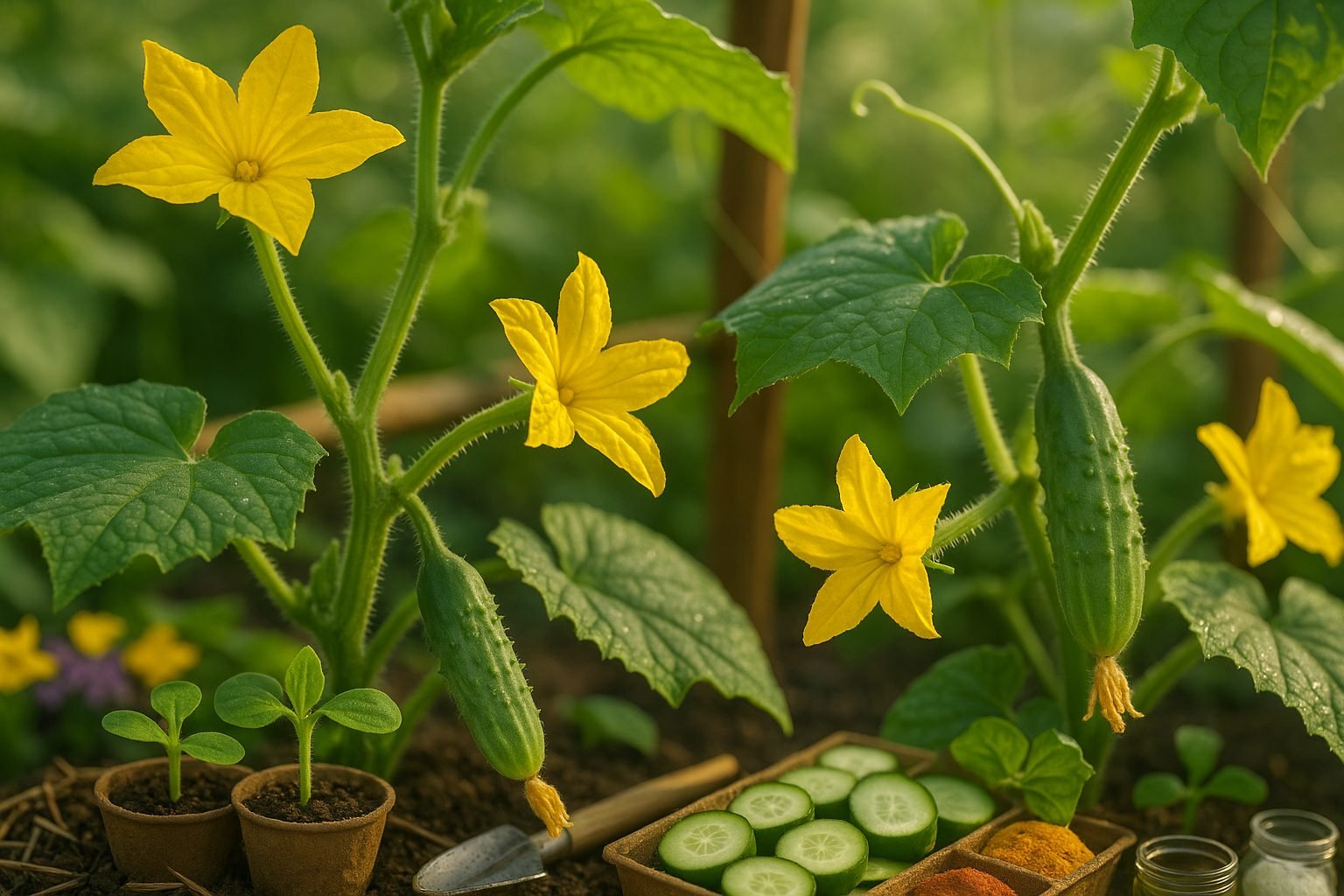
Understanding Cucumber Pollination
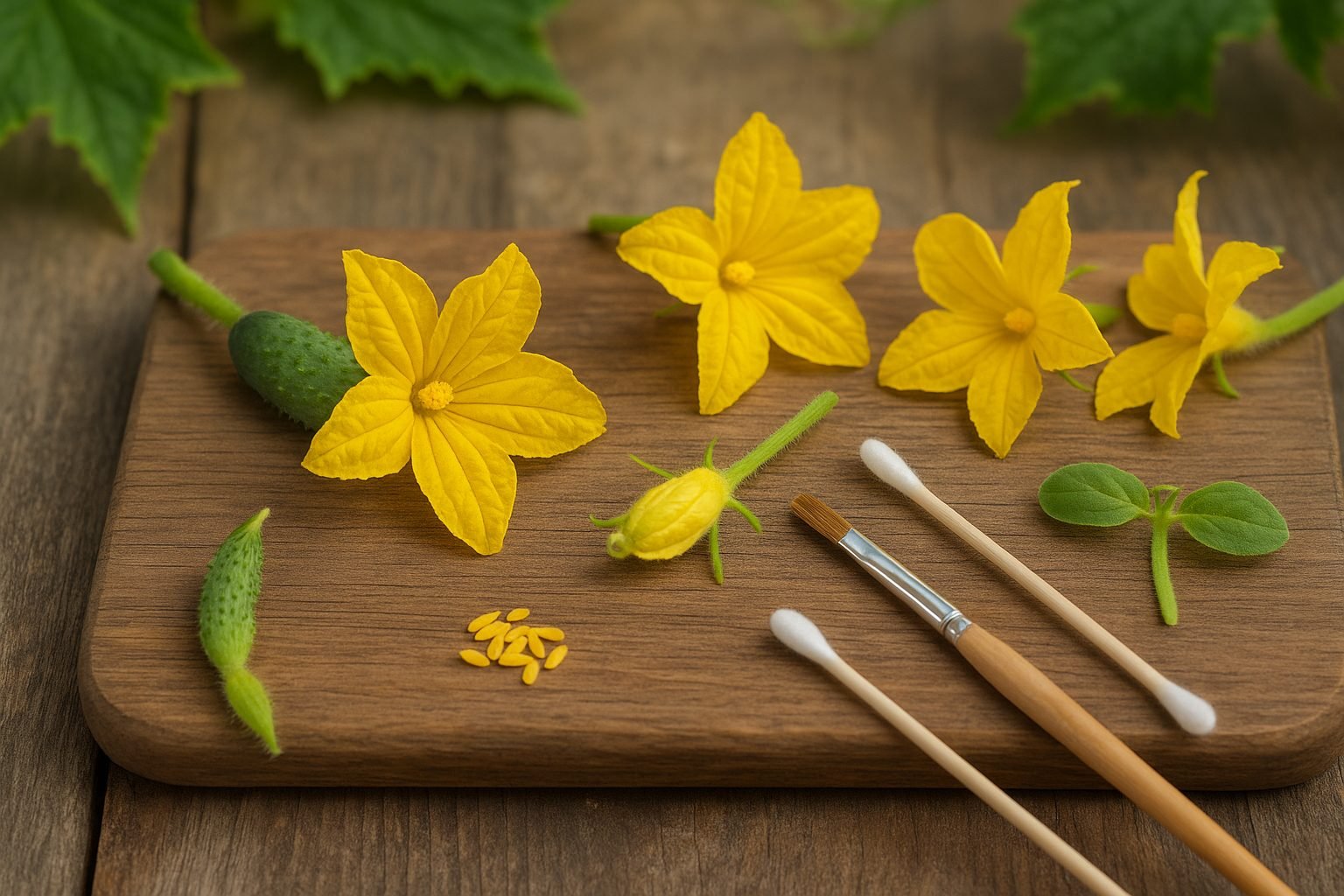
cucumber pollination issues can leave even experienced gardeners puzzled when plants bloom beautifully but fruits fail to thrive. Understanding cucumber pollination starts with recognizing the difference between male and female flowers. On cucumber vines, male flowers usually appear first and provide only pollen, while female flowers—identified by a tiny, immature fruit swelling at their base—are the ones that develop into cucumbers after successful pollination.
For fruit to grow, pollen from the male flowers must be transferred to the stigma of the female flowers. In most gardens, this important task is usually handled by bees and other pollinators. As they forage for nectar, they move pollen between flowers, ensuring a fruitful harvest.
Challenges to Natural Pollination
However, problems can arise when natural pollination breaks down. A decline in pollinator populations—caused by pesticides, habitat loss, or disease—is a common culprit. Adverse weather conditions, such as heavy rain, excessive heat, or strong winds, can also prevent pollinators from flying or physically damage the delicate cucumber blossoms. Without sufficient pollination, cucumbers may become misshapen or fail to develop altogether.
Hand Pollination as a Backup
In these cases, hand pollination is a reliable backup. Using a small paintbrush or cotton swab, gardeners can mimic bees by gently brushing pollen from a male flower and then dabbing it onto the center of a female flower. This simple step can make all the difference, turning disappointing yields into a season of healthy, plentiful cucumbers—no matter what nature throws your way.
How to Identify Male and Female Cucumber Flowers
Distinguishing between male and female cucumber flowers is easier than you might think—just look closely at how they appear and where they’re located on the plant.
Male flowers usually show up first, often in small clusters along the stems. They have thin stems and are supported by a slender stalk, much like a flower on a stick. Inside, you’ll see a single structure covered in yellow pollen, called the stamen.
Female flowers, on the other hand, are spaced out along the plant and grow close to the main vine. The most obvious clue is the tiny baby cucumber—an immature, green, rounded bump—sitting right behind the yellow petals, looking like a mini fruit ready to grow bigger. This is the ovary, and it will only turn into a cucumber if pollinated.
Being able to tell male from female flowers matters if you want to hand-pollinate, especially if bees are scarce or you’re growing cucumbers indoors.
For successful pollination, you need to transfer pollen from a male flower to the sticky center part (stigma) of a female flower using a small brush or even a cotton swab. This way, you’ll boost your chances of getting crisp, delicious cucumbers from your garden.
Step-by-Step Guide to Hand Pollinating Cucumbers
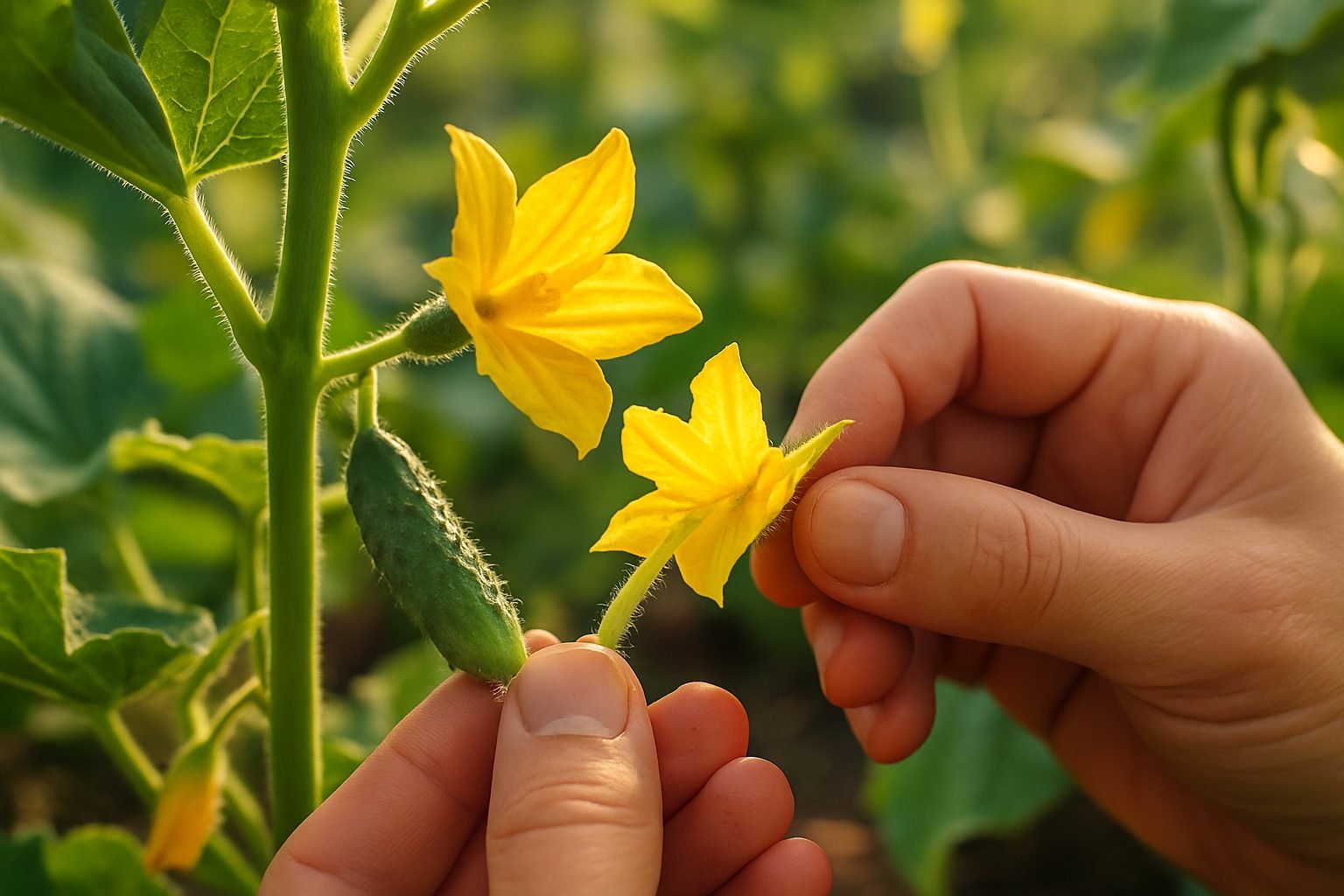
Hand pollinating cucumbers is a simple process that can significantly improve your yield, especially when pollinators are scarce. Start by identifying the male and female flowers early in the morning, which is the best time since cucumber pollen is most viable and flowers are fully open.
Male flowers have a thin stem and a central stamen, while female flowers have a small, swollen base—the immature cucumber.
To begin, gather your tools: a small, clean paintbrush, cotton swab, or just pick a fresh male flower. Gently touch the brush or cotton swab to the stamen of the male flower, brushing in a circular motion to collect bright yellow pollen. If using the flower itself, remove its petals to expose the stamen and use it similarly.
Next, carefully locate a female flower and, with a delicate hand, dab the collected pollen onto the center stigma—you’ll see it as a sticky, three-lobed structure. Take care not to bruise the delicate parts, as cucumbers can be sensitive. Repeat the process with several female flowers to maximize fruit set.
For best results, choose a warm, dry morning since humidity or rain can wash pollen away or make it less sticky. Also, avoid the hottest part of the day, as pollen loses viability quickly in harsh sun.
With these steps and a gentle touch, hand pollinating cucumbers can become a quick, rewarding routine in your gardening workflow.
Common Pollination Problems and How to Fix Them
Spotting poor pollination in your garden isn’t always straightforward, but there are a few telltale signs to watch for. Misshapen fruits—like cucumbers or squash that are small on one end and fat on the other—often signal incomplete pollination. You might also notice flowers dropping without producing fruit or fruit that seems stunted or fails to mature fully.
These problems can happen for several reasons, with insufficient pollinators like bees topping the list—especially in areas with heavy pesticide use or few flowering plants. Hot weather can also disrupt pollination since high temperatures may dry out pollen or reduce pollinator activity, while persistent wet or humid conditions make it difficult for pollen to transfer between flowers. Less obviously, plant health issues such as nutrient deficiencies, disease, or overcrowding can weaken blooms and hamper the process.
To increase your crops’ chances, try the following:
- Attract more pollinators by planting native wildflowers nearby and avoiding chemical pesticides during bloom time.
- If weather extremes are a concern, water plants early in the day and consider shading them to reduce heat stress.
- For wet weather, encourage air circulation by spacing plants well and gently shaking branches or brushing flowers by hand to help pollen move where it’s needed.
- Keep plants healthy with regular feeding, pruning, and by addressing pest issues quickly.
With a blend of small changes and consistent care, you can usually turn around most pollination problems for a better harvest.
Encouraging Natural Pollinators in Your Garden
Attracting natural pollinators like bees, butterflies, and hoverflies is one of the best ways to boost your cucumber harvest. Start by planting a variety of pollinator-friendly flowers, such as marigolds, sunflowers, and lavender, around your garden beds. These vibrant blooms act as beacons for pollinators and create a steady supply of nectar and pollen.
Equally important, avoid using pesticides and opt for organic gardening practices instead, since many insecticides can harm or repel helpful pollinators. Providing a shallow water source, like a dish filled with pebbles and water, gives visiting insects a safe place to drink and encourages them to linger in your garden.
In some cases, especially if pollinator numbers are low, you might combine natural pollination with hand pollination. Gently transferring pollen between cucumber flowers using a small brush or cotton swab can ensure more complete fertilization and larger yields. Integrating both natural and hand pollination methods gives your plants the best shot at success.
When pollinators are active and pesticide use is limited, you’ll notice not just more cucumbers but a healthier, more balanced ecosystem overall. Other beneficial insects thrive, pests are more easily managed, and the garden environment stays resilient and productive.
Maximizing Your Cucumber Harvest: Extra Tips
To get the most from your cucumber plants, focus on consistent care and early prevention. Start by ensuring your cucumbers receive at least six to eight hours of direct sunlight daily; too little sun leads to leggy plants and low yields.
Water deeply once or twice a week, aiming to keep the soil evenly moist but never soggy. Mulch around the base to retain moisture and discourage weeds.
Fertilize with a balanced formula every few weeks, then switch to one with more potassium and phosphorus once flowering begins to encourage fruit set.
To ward off pollination issues, plant flowers nearby to attract bees—marigolds and zinnias work well. If you notice few pollinators, hand-pollinate by transferring pollen from male to female blossoms with a small paintbrush. Repeat this every couple of days during the main flowering period for better yields.
Check your plants daily for new blooms, pests, or signs of disease—a brief morning walk through your garden can catch problems before they escalate. Catching issues like powdery mildew or cucumber beetles early, and taking steps like removing affected leaves or using insecticidal soap, will keep your plants healthy and productive all season long.
Conclusion & FAQs
Hand pollination is a reliable way to boost cucumber yields, especially when natural pollinators are scarce. By gently transferring pollen from male to female flowers using a small brush or cotton swab, gardeners can ensure more fruits set and develop fully.
Hand pollination is usually needed every few days during peak flowering.
Wondering if it works for other veggies? Absolutely—this method is helpful for squash, melons, and even some tomatoes, making it a valuable skill for maximizing home garden success.
Remember, regular checks for new blooms make the process quick and efficient.