“`html
Introduction
Starting zucchini indoors is a smart way to get ahead in the gardening season and enjoy homegrown squash sooner, even before the weather outside is warm enough. With the right grow lights and a bit of planning, you can cultivate healthy zucchini seedlings right on your kitchen counter or in a spare room.
Growing zucchini indoors offers several perks: you avoid unpredictable spring frosts, fend off outdoor pests, and have more control over the growing environment. However, indoor zucchini gardening isn’t without its challenges—zucchini plants are fast growers that can quickly outpace small pots, and they need plenty of light and space to thrive.
Overwatering, humidity issues, and hand pollination are also common hurdles indoor gardeners face. In this post, we’ll walk you through each step of the process, from choosing the ideal zucchini varieties for indoor starts to setting up efficient grow lights and creating a productive indoor space.
We’ll cover tips for transplanting, troubleshooting common problems unique to indoor setups, and ensuring you end up with strong, vibrant zucchini plants ready to flourish once it’s time to move them outdoors. Whether you’re an apartment dweller or just eager to get a head start, this guide has you covered.
“`
Choosing the Best Zucchini Varieties for Indoors
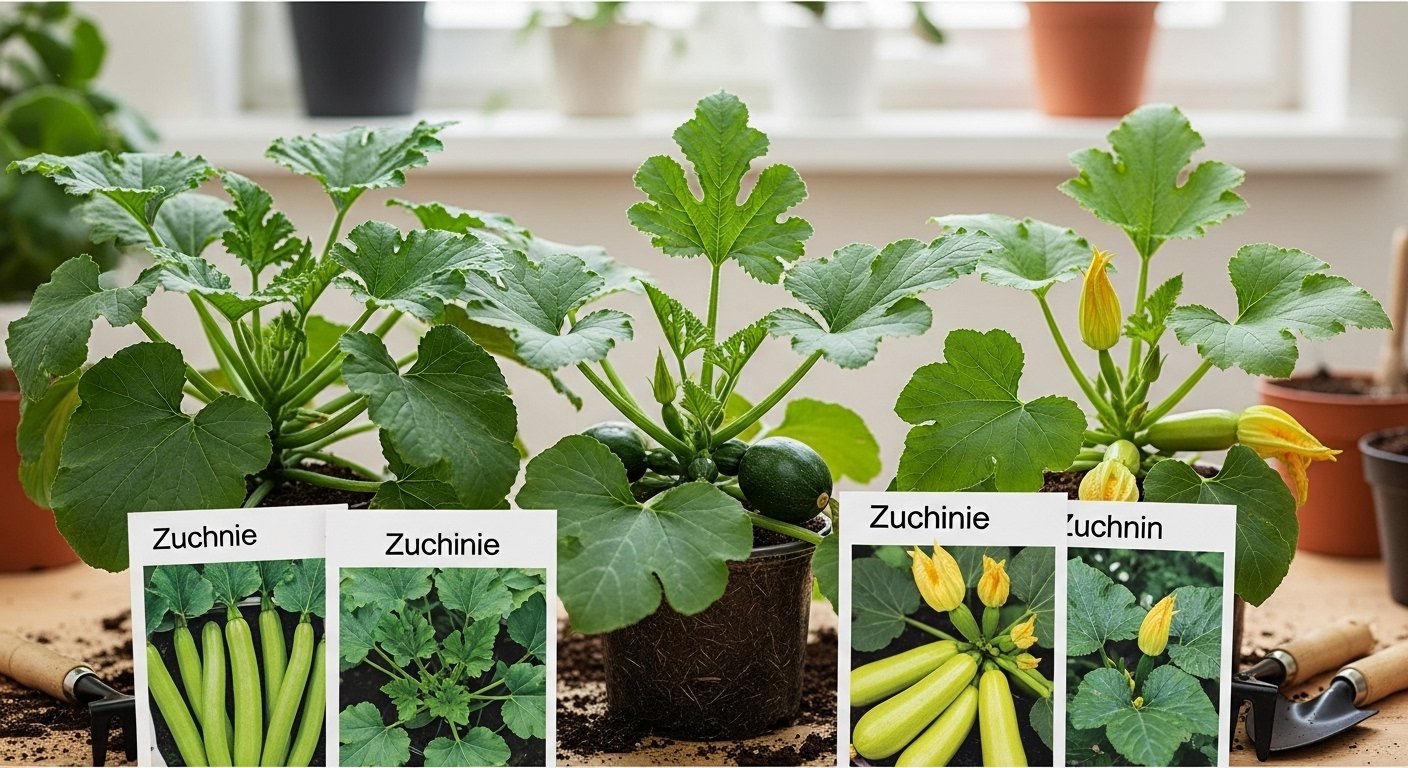
When growing zucchini indoors, picking the right variety is key to a successful harvest, especially since space is often limited. Most traditional zucchini plants are vining types that can quickly sprawl and overcrowd pots, so bush varieties are usually the best fit for containers and indoor setups.
Bush types, like Raven, Astia, and Patio Star, are compact, requiring less space while still producing a respectable yield. For beginners, Astia and Patio Star are excellent choices—they mature quickly (around 45–50 days), stay tidy, and have natural resistance to common diseases like powdery mildew. These traits mean less hassle with staking or pruning and a lower risk of plant failure.
More experienced indoor gardeners might try Eight Ball or Dunja, which offer unique shapes, higher yields, or improved pest resistance but sometimes need a bit more attention to pollination or airflow.
When choosing your zucchini, consider:
- The plant’s mature size (look for ones labeled “container-friendly”)
- Yield potential (some produce more fruit per season)
- Maturity rate, especially if your indoor light is limited and you want a quick turnaround
- Disease and pest resistance, since a healthy, robust plant will handle the indoor environment and any occasional neglect better
Experiment with a few recommended varieties and use compact containers with excellent drainage and light exposure to get the most from your indoor zucchini garden.
Setting Up Your Indoor Zucchini Garden
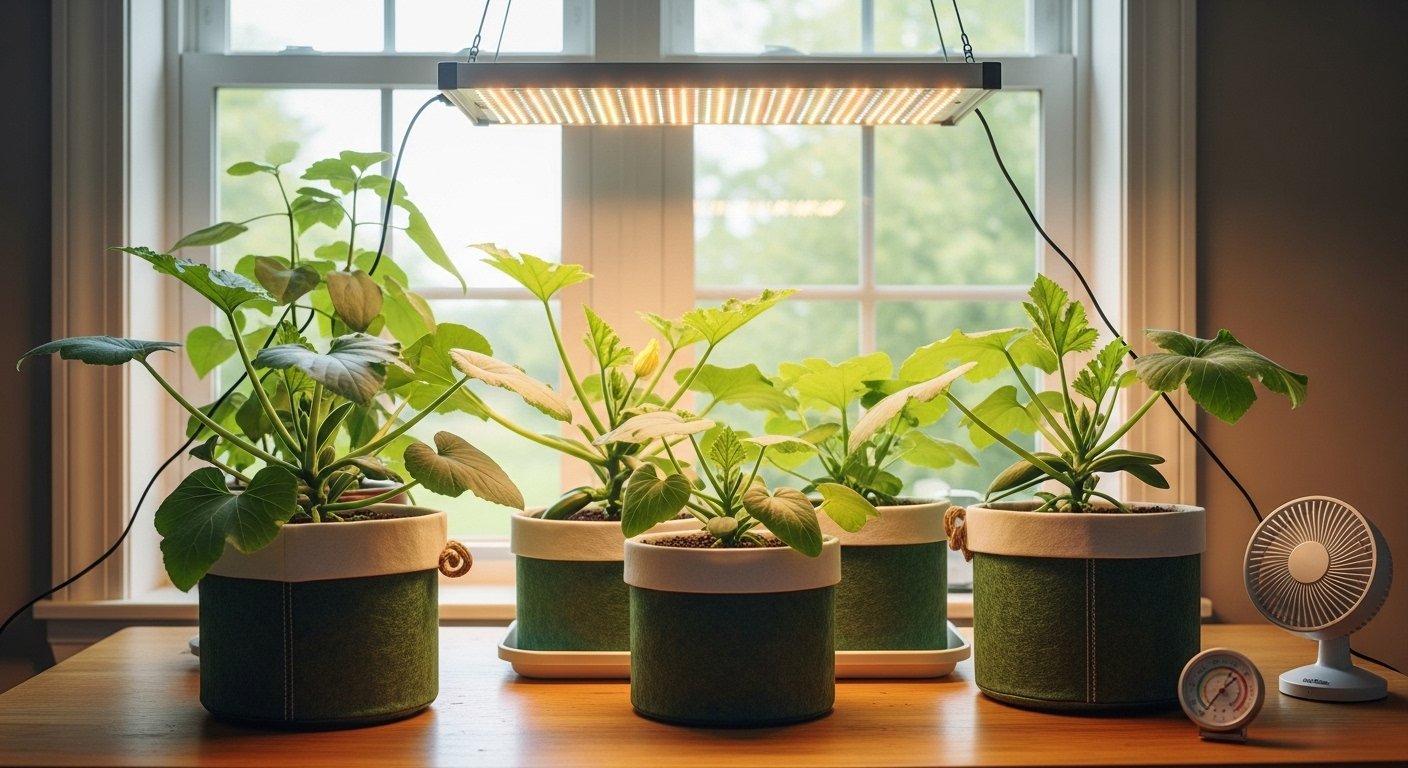
When setting up your indoor zucchini garden, start by picking a container that’s at least 12-16 inches deep and wide, giving roots ample space to grow—fabric pots work well since they allow for good airflow and prevent overwatering. Use a high-quality potting mix designed for vegetables, which offers the right nutrients and drainage for zucchini.
Drainage holes at the bottom of your containers are essential; without them, roots can rot quickly, so add a tray beneath each pot to catch excess water. Zucchini plants get large, so leave about 18-24 inches between pots, even when growing indoors, to avoid crowding and promote healthy airflow.
For lighting, place your plants near a south-facing window that receives at least 6-8 hours of direct sunlight daily. If your space lacks strong sunlight, especially in winter, supplement with full-spectrum LED grow lights—position them 12-18 inches above your plants and run them for 12-14 hours per day for best results.
Zucchini prefer warm conditions, ideally between 70-85°F, so avoid placing them near drafty windows or air conditioning vents; a consistent temperature is key to steady growth. Keep humidity at moderate levels (40-60% RH), which you can monitor with a simple humidity gauge—if your home is dry, try setting a shallow tray of water nearby or misting occasionally.
Finally, ensure good air circulation by spacing plants properly and using a small fan if needed; this helps prevent fungus and encourages stronger stems. With the right setup and a bit of care, your indoor zucchini garden can thrive, even when space is limited.
Starting Zucchini from Seed Indoors
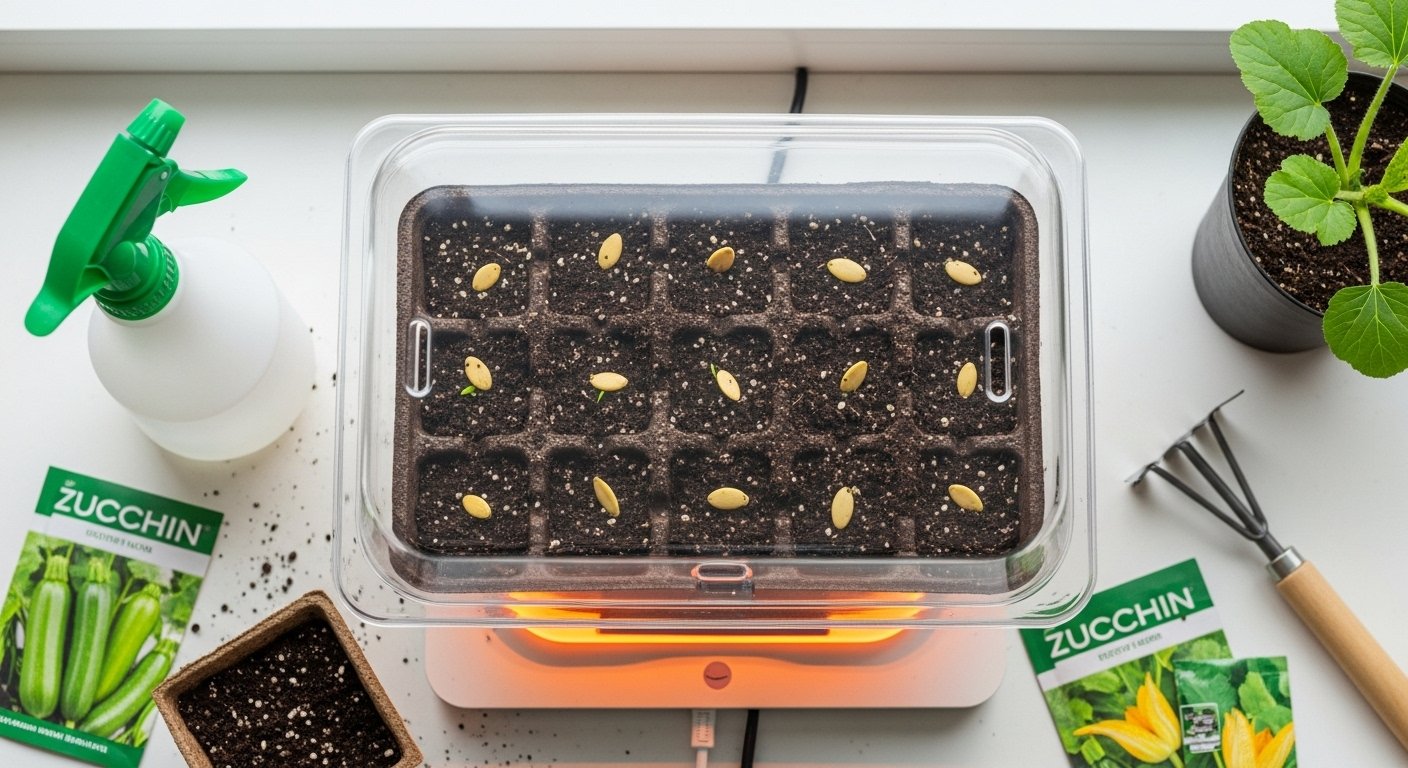
Starting zucchini from seed indoors is an easy way to get a head start on the growing season, especially if you live in a cooler climate. Begin by gathering your supplies: fresh zucchini seeds, seed-starting trays or 3- to 4-inch pots, sterile seed-starting mix, a spray bottle or gentle watering can, plastic wrap or a humidity dome, and a heat mat (optional but very helpful).
Timing is key—sow seeds indoors about 3 to 4 weeks before your last expected frost date. Zucchini seedlings grow quickly and don’t like to be transplanted when they’re too mature. Fill your containers with seed-starting mix and plant each seed about one inch deep. Plant one or two seeds per pot since zucchini germinates reliably.
Gently mist the soil, cover trays with plastic wrap or a humidity dome to keep moisture in, and place everything on a warm surface—ideally on a seedling heat mat set to 75–85°F, as zucchini seeds germinate best in warm conditions. Keep the soil consistently moist (but not soggy) until sprouts emerge, usually within 5–10 days.
Once seedlings appear, remove the cover and move the pots to a bright window or, better yet, under a grow light to prevent leggy, weak growth. Make sure they get at least 14–16 hours of light daily, and rotate the containers as needed so the seedlings grow straight.
When the first true leaves appear, thin to one strong seedling per pot by snipping the weaker plant at soil level with scissors—this avoids disturbing the roots. Start feeding with a half-strength, balanced liquid fertilizer once the seedlings have their second set of leaves.
To reduce transplant shock, begin hardening off your zucchini seedlings about a week before moving them outdoors by gradually exposing them to longer periods of sunlight and fresh air. With the right care, you’ll have healthy, vigorous zucchini plants ready to thrive in your garden.
Transplanting and Caring for Indoor Zucchini Plants
Knowing when to transplant your indoor zucchini seedlings is key to their success—typically, you’ll want to move them once they’ve developed at least two sets of true leaves and their roots are filling out their initial nursery pot.
Choose a pot that’s at least 12 inches deep and wide to give the sprawling roots plenty of room; make sure it has ample drainage holes. To transplant, gently tip the seedling out, being careful not to disturb the roots excessively, and place it into the new container filled with well-draining, nutrient-rich potting mix. After transplanting, water thoroughly to settle the soil and minimize transplant shock.
Indoor zucchini plants prefer consistent moisture, so water when the top inch of soil feels dry—but avoid soggy conditions, as root rot can happen quickly indoors. Feed your plants with a balanced, water-soluble fertilizer every two to four weeks once they’re growing steadily.
Pruning can help keep plants manageable; snip off any yellowing or overcrowded leaves to improve light and airflow. Since indoor zucchinis can get heavy, use a tomato cage or stake to prevent stems from breaking as fruit grows.
Good airflow is crucial to prevent disease—space pots apart and consider running a small fan nearby for circulation.
Pollination Tips
One unique indoor challenge is pollination: since there’s no wind or pollinators inside, you’ll need to hand-pollinate blossoms. When you see both male (thin stem, no swelling at base) and female (tiny zucchini at the base) flowers open, use a small paintbrush or cotton swab to transfer pollen from the male flower’s center to the female. Repeat for each set of flowers to maximize fruit set—this simple step makes a significant difference in your indoor harvest.
Pest Management
Keep an eye on your plants for pests like spider mites or aphids, and wipe leaves with a damp cloth if you notice any.
With attentive, consistent care, indoor zucchini can reward you with fresh, homegrown produce even without outdoor space.
Managing Common Challenges & Pests
Growing zucchini indoors can be rewarding, but it comes with its own set of challenges. One common issue is powdery mildew, a white, powdery coating on leaves that thrives in humid conditions. Combat this by increasing air circulation with a small fan and always watering at the base of the plant to keep the foliage dry.
Indoor zucchini can also attract aphids and spider mites, which cause leaf curling or yellow spots. To deter these pests, regularly inspect your plants and gently wipe leaves with a damp cloth or spray them with a mild solution of soapy water. Releasing ladybugs indoors can also help if pests persist.
Because natural pollinators like bees are absent inside, poor fruit set is another issue. Use a small, clean paintbrush to transfer pollen from male to female flowers every morning, mimicking nature’s process.
If your plant shows symptoms like yellowing leaves or slow growth, check for overwatering—let the soil dry slightly between waterings. Ensure it’s getting six to eight hours of bright light daily, and supplement with grow lights if needed. Feed monthly with a balanced, all-purpose fertilizer.
For persistently low fruit yield, make sure your zucchini isn’t root-bound and that the container is big enough—at least 5 gallons per plant.
By staying proactive with hygiene, monitoring your plants closely, and intervening early, indoor zucchini growers can keep these common issues under control and enjoy a healthy harvest.
Harvesting and Enjoying Your Zucchini
Knowing when to pick your zucchini is key for both flavor and texture. Look for fruits that are about 6–8 inches long—smaller ones are more tender and have fewer seeds, making them perfect for salads or quick sautés.
Gently twist or cut the zucchini from the stem with a pair of garden scissors, being careful not to damage the plant, as it can keep producing more if handled gently.
After harvesting, store your zucchini in a breathable bag in the refrigerator’s crisper drawer, where they’ll stay fresh for up to a week. Avoid washing them until you’re ready to use, as this helps reduce spoilage.
For a quick snack, slice raw zucchini into sticks for dipping or toss rounds into a stir-fry. Zucchini bread and simple grilled slices topped with olive oil and herbs are also crowd-pleasers.
Don’t be afraid to experiment—try adding diced zucchini to omelets or pasta sauce for a veggie boost.
If you’re growing zucchini indoors, keep fertilizing lightly and ensure your plants get enough light for continued harvests. Rotating crops and testing different containers can lead to even better yields and flavors over time.