Introduction to Tomato Trellising
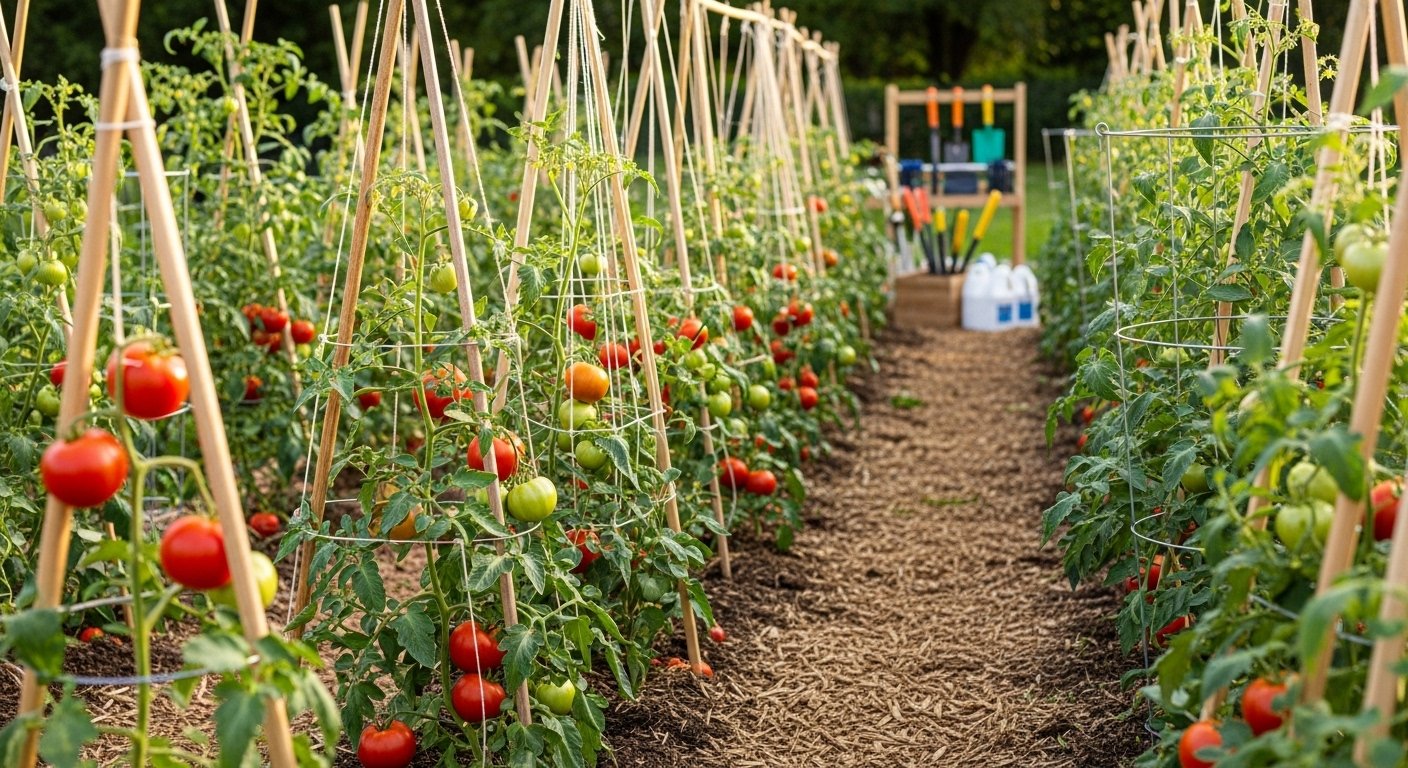
If you’ve ever wanted to grow bigger, healthier tomatoes, trying your hand at a tomato trellis DIY project could be a game-changer for your garden. Supporting tomato plants isn’t just about keeping your patch tidy—it’s a crucial step for boosting yields and keeping your plants strong all season long.
Without support, tomato vines can sprawl wildly across the ground, leading to a tangle of stems and leaves that are much more vulnerable to disease and pests. Rain splashing soil onto lower leaves can trigger fungal infections like blight, while dense, unkempt foliage creates an irresistible habitat for insects. Unsupported tomatoes also face problems like stem breakage, making fruit rot and splitting more likely—right when you’re waiting for that perfect harvest.
Fortunately, tomato trellising is a simple, effective solution—and you have plenty of options to fit your needs, space, and budget. Classic wooden stakes and cages are garden staples, but DIYers often get creative with everything from cattle panels and bamboo teepees to string-and-wire grids. Each method helps lift your tomatoes off the ground, improves airflow between the leaves, and makes it easy to spot and pick those ripe beauties.
Trellises also make chores like watering, pruning, and pest control much simpler, saving you time and frustration in the long run. Ready to set your tomatoes up for success? It’s time to explore which tomato trellis DIY approach will work best for your garden and enjoy a healthier, more bountiful harvest this year.
Popular Tomato Trellis Methods
Choosing the right trellis method can make all the difference when growing healthy, productive tomato plants.
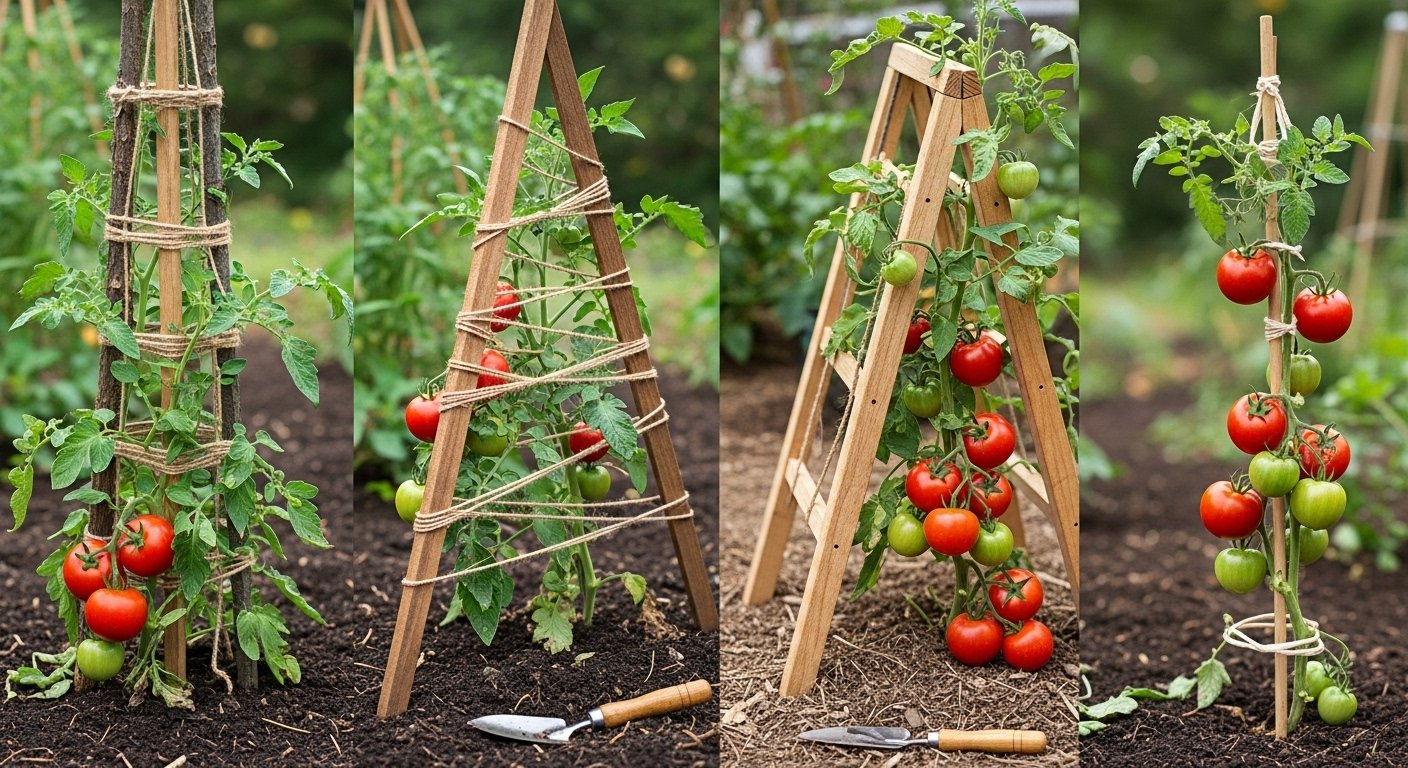
The Florida Weave, or Basketweave, involves placing stakes between every two to three tomato plants and running twine horizontally on alternating sides. It’s quick, affordable, and ideal for determinate varieties that stay relatively compact, but it can become messy with heavier indeterminate types.
The classic A-frame trellis uses a sturdy wooden or metal frame in an inverted “V” shape, offering solid support and space beneath for airflow. It’s great for both tomato types, though it requires more upfront building effort and space.
Stake and wire systems feature single upright stakes with plants loosely tied as they grow. This method is efficient for determinate tomatoes but quickly becomes labor-intensive with large, sprawling indeterminate plants.
Trellis netting involves draping strong mesh vertically or along frames, letting tomatoes weave through as they climb. It suits both types but works best for indeterminate tomatoes that need extra support. Be aware that harvest can be tricky since fruit may get tangled.
Overhead or string methods, often seen in greenhouses and favored by professional growers, use vertical lines tied to the base of each plant and secured to a support beam above. They’re unbeatable for indeterminate, vining tomatoes, allowing for neat, towering plants and simple pruning, though they are less effective with bushy, determinate varieties.
Each system has trade-offs: consider your space, tomato variety, available materials, and willingness to maintain as you pick the right trellis for your garden.
Step-by-Step: The Florida Weave Method
To get started with the Florida Weave method for supporting your tomato plants, gather sturdy stakes (wood, metal, or fiberglass), strong garden twine or tomato cord, and a measuring tape.
Place stakes every two to three plants, sinking them at least a foot deep for stability—metal T-posts or 1×2 wooden stakes work well. For best results, space your tomato plants about 18 to 24 inches apart in a straight row, giving them room to grow and breathe.
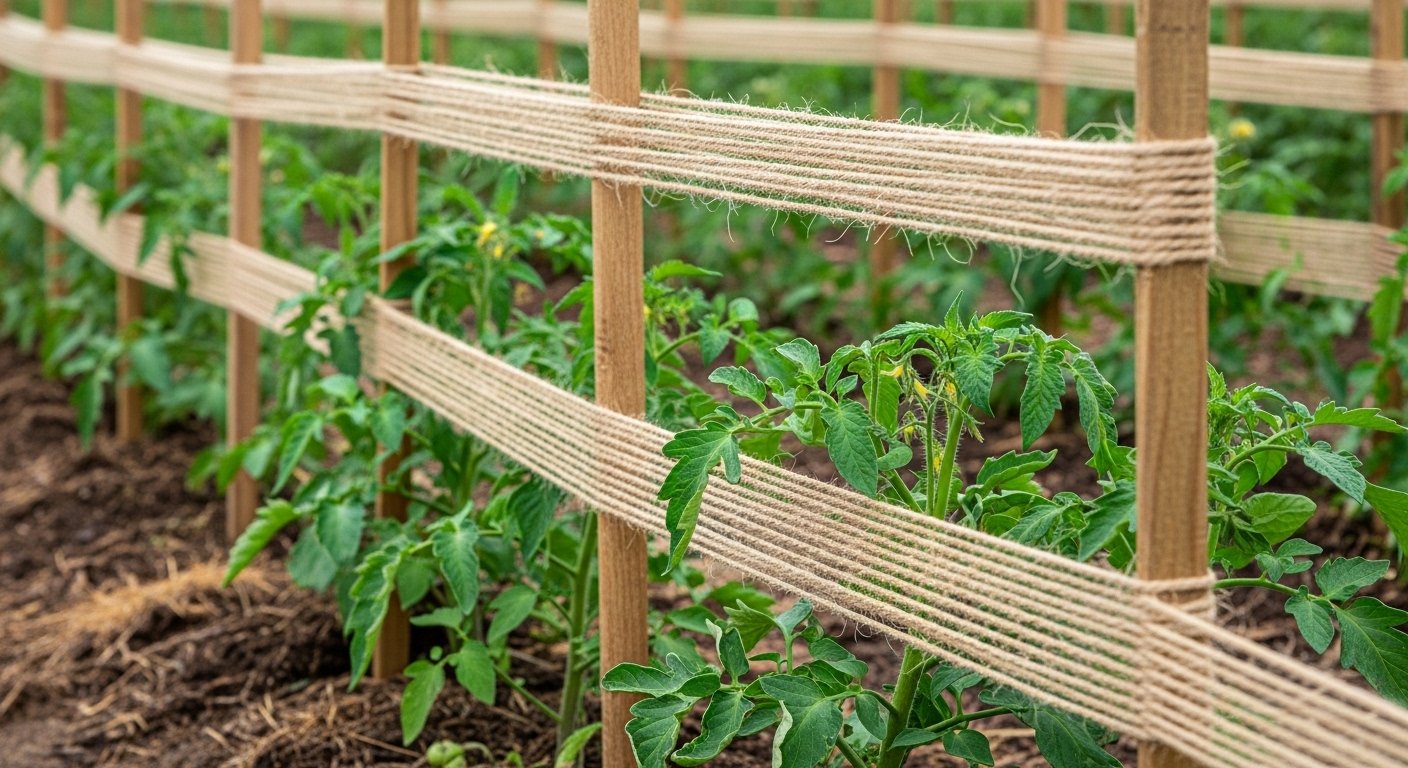
Begin by tying twine to the end stake about 8 inches above the soil, then weave it in front of the first plant, behind the next, and repeat this pattern all the way down the row. Secure the twine tightly at the far end post, and loop back in the opposite direction to create a “sandwich” support for the stems between lines of twine.
As plants grow taller, add additional layers of twine every 8 to 10 inches to keep new growth upright and prevent sagging.
Check your weave weekly—tighten loose twine, adjust spacing if plants lean, and remove any broken or weakened stems. If you notice stakes shifting during heavy rain or high winds, firm them back down and retighten the weave.
To avoid disease, keep foliage off the ground by gently tucking in wild branches as you add new twine. Mulching around the base of plants and watering early in the day helps reduce soil splashing, keeping leaves dry and healthy.
By staying on top of these simple steps, the Florida Weave creates an organized, low-cost tomato trellis that saves space and encourages a great harvest, even for gardeners with small plots.
Creative DIY Tomato Support Ideas
For small gardens and container setups, creative DIY tomato supports can save space and money while keeping your plants healthy. Bamboo stakes are a classic, budget-friendly choice—simply tie three or four stakes together at the top to make a sturdy teepee that fits snugly in tight spaces.
PVC pipes offer a durable, weatherproof option; build a square or rectangular frame to surround your tomato container and use garden twine or netting to provide spots for vines to latch onto as they grow.
If you have extra sticks lying around, create a rustic ladder by lashing them together with twine—this works especially well for patio pots. Wire grids, like old shelving, can be bent into circular cages or placed around planters for simple, upright support.
For secure climbing, drape garden netting between two upright poles or along a fence, encouraging tomatoes to weave through as they reach up. Always sand down sharp edges on metal or wood, and double-check that all ties and connections are sturdy to avoid sudden collapses.
Regularly inspect your DIY supports for signs of wear or loose parts—especially after storms or strong winds. With these easy, resourceful options, you can adapt to almost any small garden or balcony, giving your tomato plants the support they need to thrive safely.
Choosing the Right Trellis for Your Tomato Plants
Selecting the right trellis for your tomato plants starts with understanding your tomato variety. Determinate tomatoes—those that grow to a set size and fruit all at once—often do well with simple cages or short stakes. These are budget-friendly and work great in small gardens or containers.
Indeterminate varieties, which keep growing and fruiting all season, need sturdier, taller supports like vertical stakes, the Florida weave system, or strong tomato ladders. These are ideal for gardeners with more space and vine-heavy yields.
If your budget is tight, get creative by repurposing materials such as bamboo poles, sturdy branches, or even old fencing to build DIY trellises.
Considering Your Climate and Location
Where you live also matters:
- In windy or storm-prone regions, choose heavy-duty trellises and anchor them securely to protect both plants and fruit.
- In hot or humid areas where disease can be an issue, opt for open trellis designs that encourage airflow around the plants—like single-string or A-frame supports—to keep leaves dry and healthy.
Matching Trellises to Growing Conditions
If you’re growing tomatoes in raised beds or greenhouses, vertical systems that maximize space and light exposure are best.
For ground-level or in-ground gardens, spaced-out rows with strong cages or fences help prevent tangled plants and make harvesting easier.
Maintenance Tips
Always adjust the height and sturdiness of your setup as your tomatoes grow. Keep ties loose enough to allow for stem expansion, and add extra stakes or ties during the season as needed.
By considering your tomato type, garden layout, climate, and resources, you’ll optimize support, boost yields, and ensure a healthier, more manageable crop—no matter where or how you plant.
Tips for Maximizing Yield and Tomato Quality
Maximizing your tomato yield and quality starts with smart pruning, training, and trellising practices. Regular pruning—removing side shoots or “suckers” that grow between the main stem and branches—helps channel the plant’s energy into producing fewer, but healthier and larger, tomatoes.
As the vines grow, gently train them along a trellis by securing them every 8–12 inches with soft plant ties or garden twine, making sure not to constrict the stems. This keeps vines upright, encouraging better airflow and more even sunlight exposure, which means more robust fruit and less risk of fungal diseases like blight. Trellising also raises the fruit off the ground, reducing soil contact and making it harder for pests and pathogens to take hold.
For harvesting, vertical support puts fruit at a more comfortable picking height, minimizing bending and knee strain—try using a lightweight step stool for higher plants and wear gloves to protect your hands. Ergonomic tools like long-handled pruners can make upkeep easier, especially in larger gardens.
When tying plants, always use soft, flexible materials such as strips of old t-shirts or specialized plant ties to prevent damaging stems as they thicken. For even better results, space your trellised tomato rows at least 2–3 feet apart so you can easily walk between them for maintenance and harvesting.
With these simple adjustments, you’ll enjoy bigger yields, healthier plants, and a much easier tomato-growing season.
End-of-Season Care for Trellises
At the end of the growing season, giving your trellises some care can help them last longer and keep your garden healthy. Start by gently removing any leftover vines or plant material—avoid pulling them off abruptly, as this can damage the frame.
Check the debris for signs of disease, such as mold, dark spots, or wilting. Dispose of any sickly material in the trash rather than the compost to prevent spreading problems next year.
Next, scrub the trellis surfaces with a brush and soapy water to remove dirt and lingering sap. Rinse well and let them dry completely to prevent rust or mildew.
If your trellis is made of wood, inspect it for rot and sand down any rough spots. Metal frames might need a touch-up with rust-resistant paint.
Once clean and dry, store trellis parts in a dry, sheltered space like a garage or shed. Hang them on hooks or stack them flat to avoid bending.
For broken or outdated components, consider repurposing them as garden stakes, supports for row covers, or creative edging for your beds. Recycling options might also be available at local garden centers or scrap yards for metal or plastic parts—giving your trellis materials a second life and reducing waste.
Conclusion & Further Resources
Trellising offers major benefits for tomato plants, helping prevent diseases by improving airflow, supporting healthy growth, and making harvests simpler and more prolific. By keeping vines upright, you can save space and reduce fruit rot, leading to better yields.
Every garden is unique, so don’t be afraid to try different trellising methods—like stakes, cages, or strings—until you find what works best for your space and plants.
If you want to dig deeper, check out resources from university extension services or expert gardeners like those at The Old Farmer’s Almanac for detailed guides and advanced trellising tips.