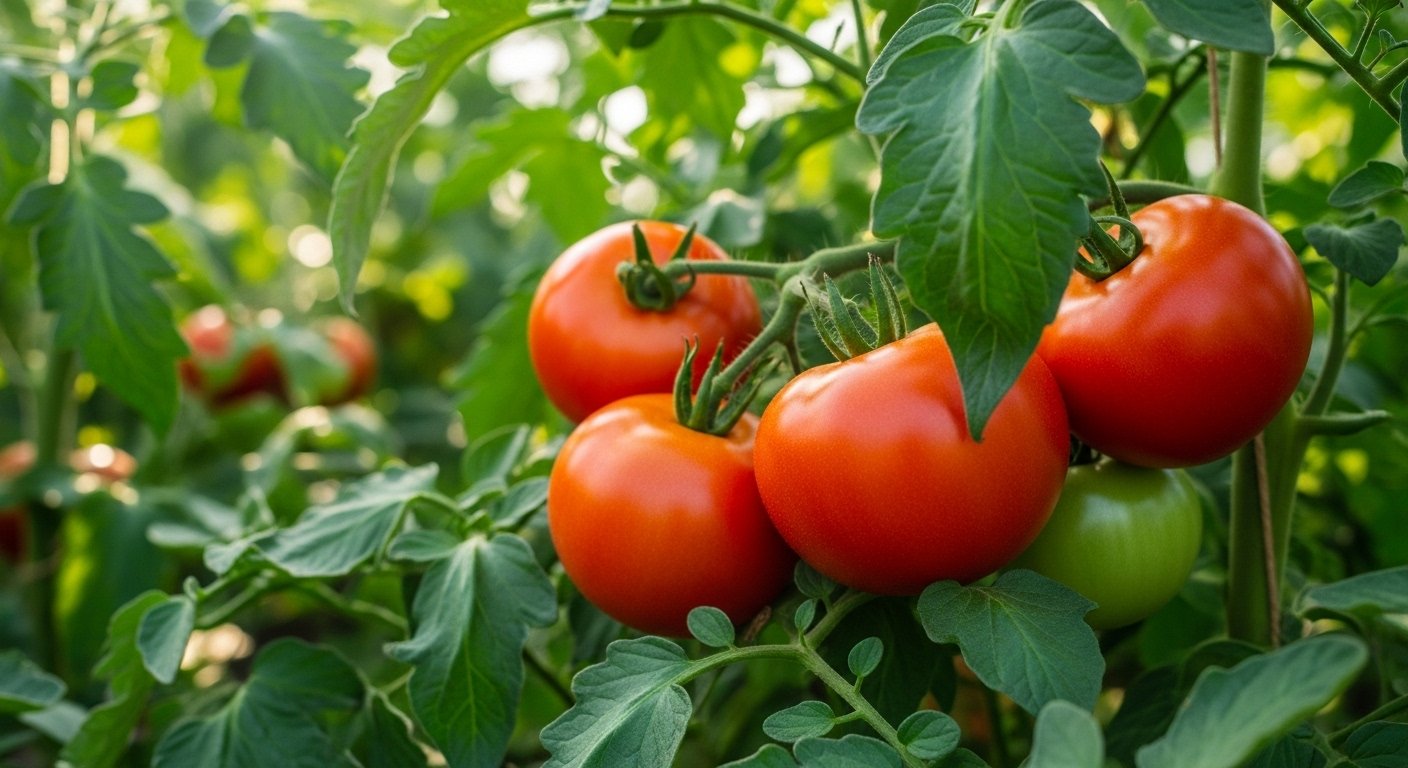
Are Tomato Plants Perennial or Annual?
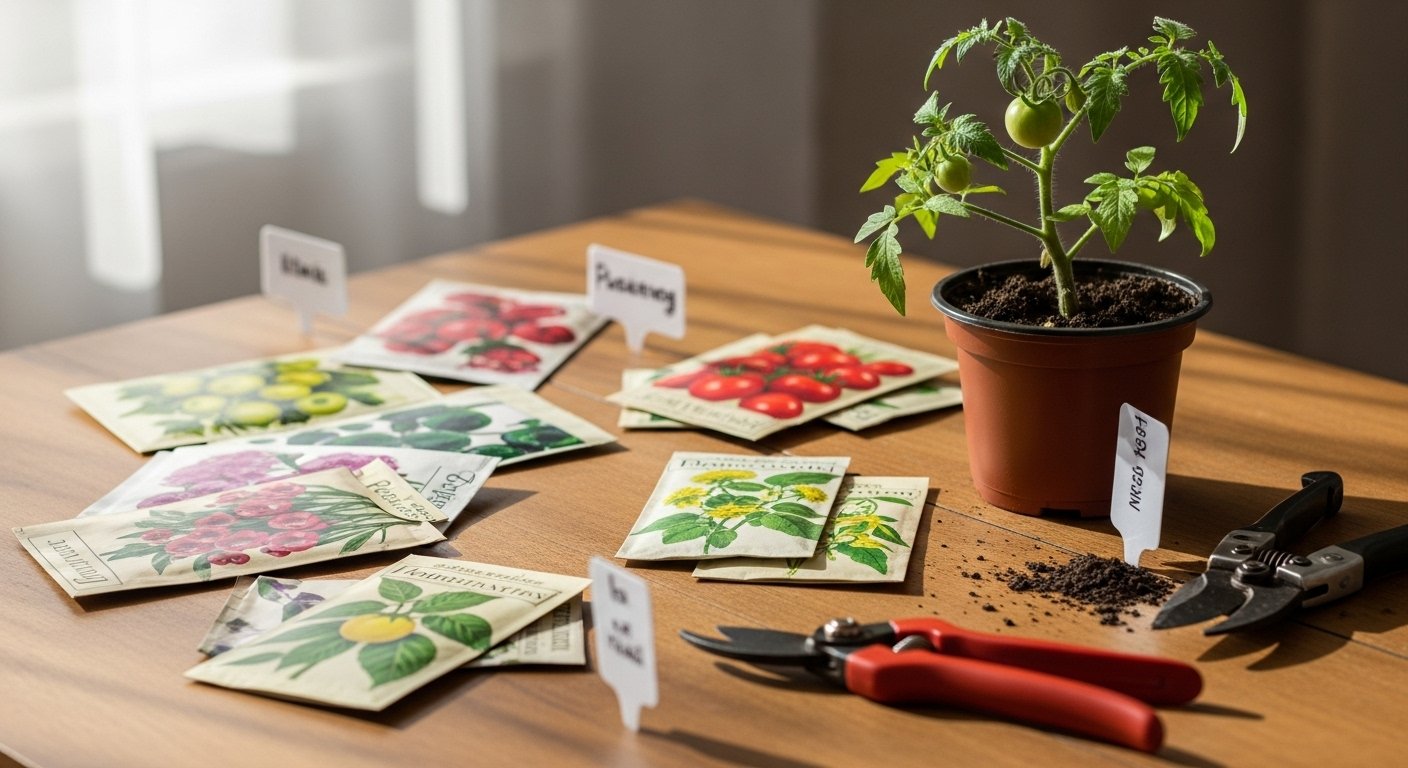
Are tomatoes perennial? It’s a question that puzzles many gardeners when planning their vegetable plots. At first glance, tomato plants seem to fit perfectly into the annual category—they sprout, fruit, and die all within one growing season in most home gardens. But the real answer is more nuanced.
In their native habitat of South and Central America, tomatoes actually behave as tender perennials, capable of living and producing fruit year after year as long as frost doesn’t intervene. To clear up the confusion, it’s helpful to understand some basic gardening lingo:
- Annual plants, like sunflowers or beans, go from seed to seed and complete their life cycle in a single year.
- Biennials, such as carrots or parsley, take two years to grow, flower, and set seed.
- Perennials live for multiple seasons, returning each year—think of sturdy asparagus or rhubarb.
So why don’t most of us get tomatoes to return every year? The answer lies in climate. Tomatoes are highly sensitive to cold and cannot survive frost, so in temperate regions, gardeners usually grow them as annuals, replanting each spring. However, if you live in a warm, frost-free climate—or grow tomatoes indoors—you may find your plants thriving for several years, much like their perennial reputation suggests.
This botanical flexibility means adventurous growers can experiment with overwintering potted tomato plants or propagating cuttings indoors, extending harvests beyond the typical summer rush.
Understanding that tomatoes are perennial by nature but annual by necessity in most gardens can help you tailor your growing practices—and maybe even squeeze a few extra months out of your favorite varieties.
Why Most Gardeners Overwinter Tomatoes
Many gardeners choose to overwinter their tomato plants for both practical and personal reasons. One major appeal is the chance to get a jump start on the growing season—if a tomato plant survives the winter, it can begin fruiting much earlier than brand-new seedlings, letting gardeners enjoy homegrown tomatoes weeks ahead of schedule. This is especially attractive in cooler climates with short summers. Overwintering is also key for those growing rare, unique, or cherished heirloom varieties. When seeds or plants are hard to find, keeping an established plant alive helps preserve genetics and even family tradition. Some gardeners grow attached to their plants over the season and carry them through winter out of pure sentimentality, especially if a particular tomato produced exceptionally well or has a story behind it.
Despite these benefits, overwintering tomatoes comes with considerable challenges, especially in colder regions. Tomato plants are naturally tender and cannot survive freezing temperatures. Outdoors, cold, wind, and wet conditions can quickly kill a plant; unless you have a greenhouse or can dig up and pot the plant to bring indoors, its chances of survival are slim. Even indoors, tomato plants need plenty of light and consistent warmth to prevent becoming leggy or developing diseases during the winter months. Overwintered plants can also become stressed or infested by pests that are easier to manage outdoors in warmer seasons.
It’s important to distinguish between the two main goals gardeners have when overwintering tomatoes: simply keeping the plant alive versus actively extending the harvest season. In most cold climates, getting fruit throughout winter is nearly impossible without special indoor setups like grow lights. Usually, gardeners focus on plant survival—keeping the plant healthy until spring, when it can be planted outside to resume vigorous growth. This differs from techniques such as fall season extension using row covers or cold frames, which aim to prolong the harvest of outdoor fruit as long as possible rather than keep the plant alive through the real winter.
Successfully overwintering a tomato plant offers several rewards. The most sought-after is an early spring harvest—the plant already has an established root system and can resume growth as soon as conditions improve, beating newly sown seeds by weeks or even months. This early start often leads to larger, more productive plants and an extended harvest period. There’s also a cost-saving aspect—reusing your strongest plants may reduce yearly seed or seedling purchases. All these factors make overwintering tomatoes an appealing challenge for passionate home gardeners, despite the hurdles involved.
How to Overwinter Tomato Plants Outdoors
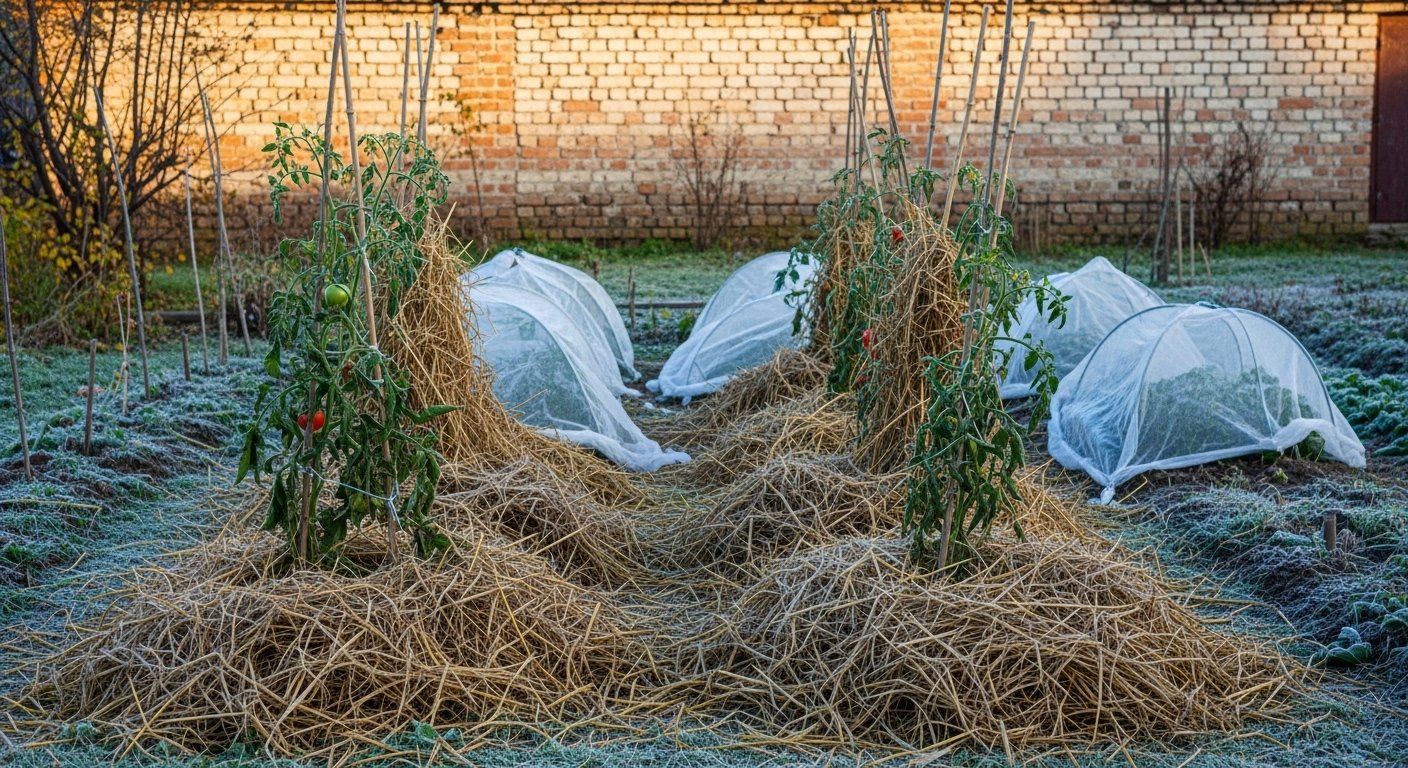
Leaving tomato plants outdoors through winter can be risky, especially since tomatoes are highly sensitive to cold. Even a mild frost can blacken leaves, kill stems, and make plants prone to rot and disease.
In climates where winter temperatures hover just above freezing, you might try to overwinter tomatoes but should understand the odds—most standard varieties simply won’t survive repeated chilly nights. For gardeners willing to experiment, there are ways to boost your chances in mild regions:
- Apply a thick layer of straw or leaf mulch around the base of each plant to insulate roots.
- Use cloches or frost covers to protect foliage from sudden cold snaps.
If possible, plant tomatoes against a south-facing wall or fence that reflects sunlight and provides shelter from harsh winds; even a few degrees of warmth can make a difference.
Choose varieties known for their cold tolerance, like some cherry or Siberian-bred tomatoes—you’ll find hardier types are better at surviving cool, damp weather. Still, keep your expectations realistic: overwintered plants may regrow weakly and produce fruit slowly the following spring, if at all.
If your winters routinely drop below 40°F (4°C), or if wet, heavy snow and ice are common, outdoor overwintering just isn’t practical. Consider taking stem cuttings indoors or starting fresh with seeds next season for the best results.
Indoor Tomato Overwintering: Strategies and Setups
Bringing your potted tomato plants indoors before the first frost is a smart way to extend their life and jump-start next year’s harvest. Start by inspecting each plant for pests or diseased foliage—prune away any yellowing or damaged leaves, and give the containers a good rinse to avoid bringing outdoor critters inside.
Ideally, place your tomatoes in a bright, south-facing window. If natural sunlight is limited (less than six hours a day), supplement with fluorescent or LED grow lights set on a 12-16 hour timer for the best results. Keep your indoor space at a steady 60-75°F; tomatoes dislike cold drafts but can also get stressed if it’s too warm.
Humidity matters too—use a small humidifier if your home gets dry in winter, aiming for 40-60% relative humidity, or simply cluster plants together to create a microclimate. Water less frequently than you would outdoors, allowing the top inch of soil to dry between waterings to prevent root rot, and avoid soggy saucers under your pots.
Regularly scan leaves for signs of pests like spider mites or aphids. If you spot any, wipe them down or use insecticidal soap as needed. Prune leggy stems lightly to promote bushier regrowth, and pinch off any blossoms since fruiting indoors rarely succeeds and only drains the plant’s energy.
Choose containers that are at least 12 inches in diameter to provide enough root space. If your indoor area is tight, consider trimming roots gently and repotting into slightly smaller pots to make the most of your space—keeping extra support sticks or small trellises handy if your varieties are tall growers.
Group tomatoes with other overwintered herbs or peppers to save space and raise humidity levels together, and rotate pots weekly to ensure even light exposure. With thoughtful setup and steady attention, you’ll help your tomato plants thrive indoors all winter long, poised for healthy, vigorous growth when spring returns.
Alternative Methods: Overwintering Tomato Cuttings
Overwintering tomato cuttings is a smart alternative for gardeners who want healthy, vigorous tomato plants in the spring but don’t have the space or resources to keep whole plants alive all winter. Instead of struggling to maintain a full tomato vine indoors, you can simply snip off healthy side shoots—also called suckers—about 4-6 inches long before your outdoor plants die back in the fall.
To propagate, remove the lower leaves from each cutting and place the stems in a glass of water on a sunny windowsill, changing the water every few days to keep it fresh and encourage root development. After a week or two, roots will begin to appear; once they’re a couple of inches long, transplant the cuttings into small pots with moist potting soil and continue to grow them indoors near a bright light source.
Using cuttings instead of whole plants has several advantages:
- It saves significant space, as you only need small pots and shelves rather than large floor space.
- It reduces the risk of bringing pests or diseases inside.
- Cuttings tend to grow faster when replanted outdoors since they’re essentially “cloned” from mature, productive stock.
However, there are some challenges to watch out for. Tomato cuttings are susceptible to rot if kept too wet or in poorly ventilated areas, so avoid soggy soil and use clean containers. They also need plenty of light to avoid growing weak, leggy stems—supplement natural daylight with a basic LED grow light if your windowsills are dim. Finally, monitor for any yellowing or drooping, adjusting watering and lighting as needed.
With a little attention, propagating tomato cuttings indoors can give you a head start on next season’s harvest, saving time, heartache, and space in the process.
Best Tomato Varieties and Tips for Successful Overwintering
Choosing the right tomato varieties is the first step to successful overwintering. Not all tomatoes are created equal when it comes to surviving the colder months, so opt for cold-tolerant, compact, and determinate types. Good examples include ‘Siberian,’ known for its ability to set fruit at low temperatures; ‘Glacier,’ an early and resilient bush tomato; and ‘Red Robin,’ a compact cherry variety perfect for containers or indoor windowsills. ‘Sub Arctic Plenty’ and ‘Tiny Tim’ are also excellent picks, cherished by northern gardeners for their hardiness and manageable size.
For maintenance during winter, focus on consistent yet cautious watering—keep the soil moist but never soggy to avoid root rot. Feed your tomatoes every few weeks with a diluted, balanced liquid fertilizer to keep nutrition levels steady, since growth slows in low light.
Pruning and Pest Management
Pruning is crucial: remove any yellowing or dead leaves, and pinch back runners to maintain a compact shape, minimizing stress on the plant. Keep an eye out for common indoor pests like aphids and spider mites; a gentle spray with insecticidal soap can help, and good air circulation prevents mold and mildew.
Dealing with Indoor Stress
If you notice leaf drop, it could be a stress response to dry indoor air or fluctuating temperatures—try misting the leaves or running a humidifier nearby. Mildew, often caused by damp, stagnant conditions, can be curbed by spacing plants well and trimming away dense foliage.
Spring Care to Encourage Regrowth
If regrowth in spring seems slow, increase light levels with a grow lamp and boost feeding frequency to jumpstart new shoots.
Pros and Cons of Overwintering Tomatoes
Overwintering tomatoes has its pros and cons. On the plus side, carrying plants through winter can give you an earlier harvest, save treasured varieties, and reduce seedling costs. However, it’s not without challenges—plants may be less vigorous, require more hands-on care, and some may still succumb to pests or stress.
Ultimately, if you have the space and time for attentive care, overwintering can be a rewarding way to keep fresh tomatoes on your table longer. If you prefer a low-maintenance garden, starting fresh from seed each spring might be a better fit.