Introduction
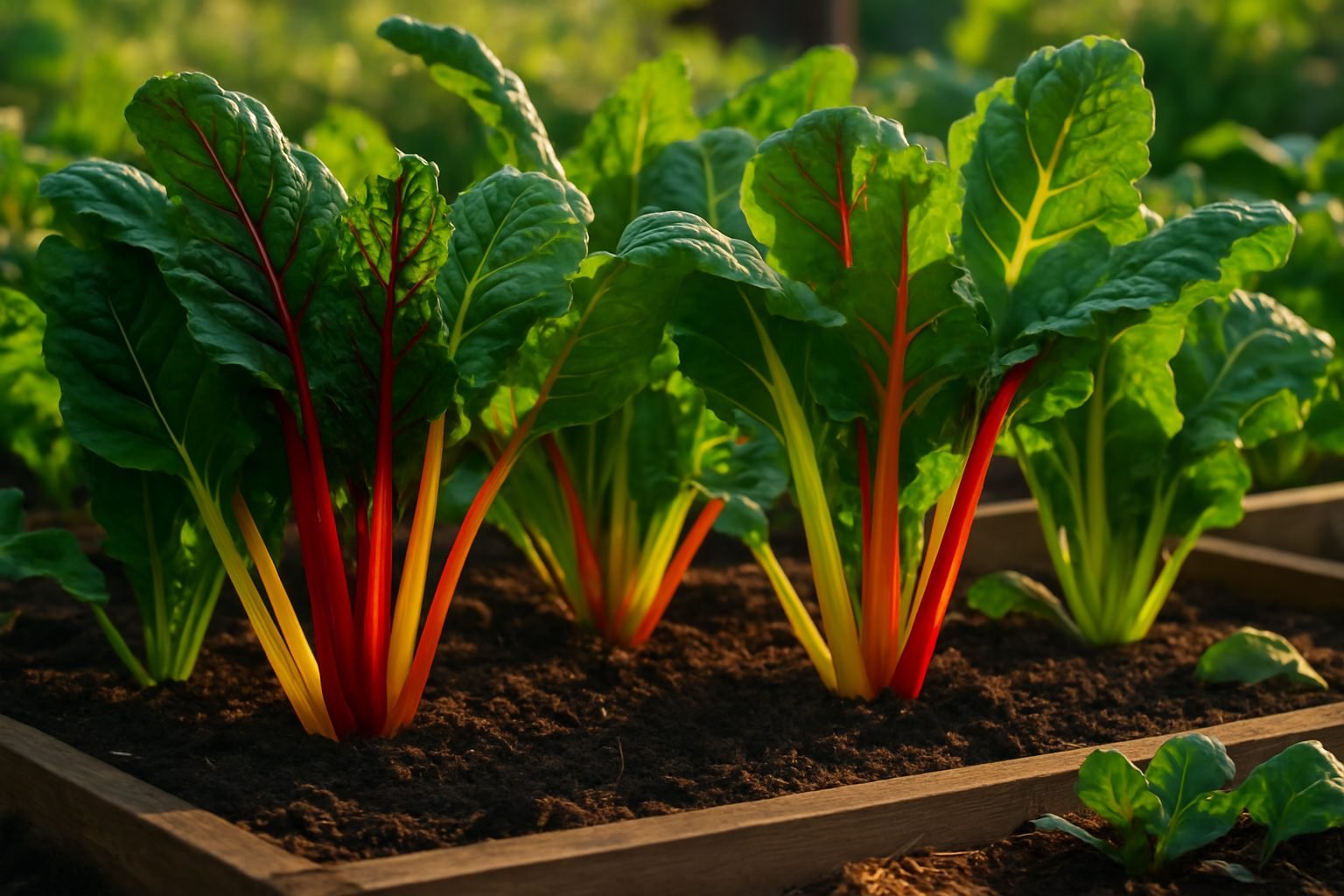
swiss chard in hot climates is quickly becoming a favorite among home gardeners who want both beauty and nutrition packed into their vegetable plots. Known for its vibrant stems—ranging from ruby red to golden yellow—Swiss chard, especially the stunning rainbow varieties, adds a splash of color to gardens and dishes alike. Its adaptability means it can thrive even when temperatures soar, making it a top pick for gardeners facing long, hot summers.
But like any crop, growing Swiss chard successfully in these conditions requires a few smart strategies. In this post, you’ll discover simple, practical tips on choosing heat-tolerant varieties, providing the right shade, and keeping your plants well-watered. Plus, you’ll learn how to harvest and enjoy this leafy green at its flavorful best—proving that even in the toughest climates, your garden can be both productive and picture-perfect.
Varieties of Swiss Chard
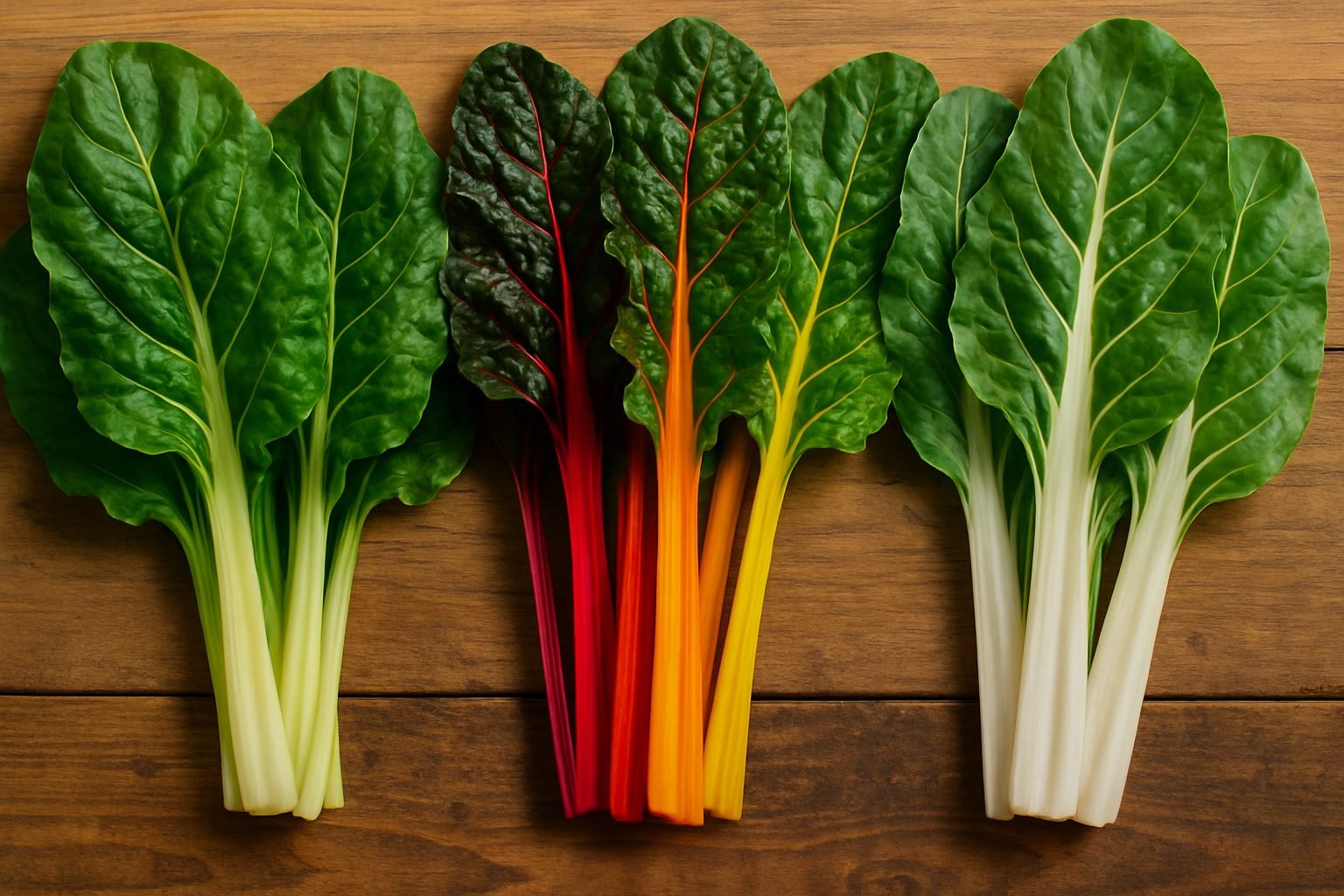
Swiss chard is a versatile leafy green that comes in several attractive varieties, each bringing color and flavor to your garden and plate.
The classic Swiss chard has deep green, glossy leaves with crisp, thick white stems. It’s mild in flavor and widely appreciated for its tender texture.
Silverbeet is another traditional type, often called “white chard” in some regions. It is recognized for its bright white stalks and slightly coarser leaves, holding up well in soups and sautés thanks to its robust, earthy taste.
For the most visual impact, rainbow chard steals the show with its vivid red, yellow, orange, and pink stems, making it a favorite for both ornamental beds and the kitchen. Despite appearances, rainbow chard varieties are simply mixes of colored chard, sharing a similar mild, sweet flavor.
Popular and easy-to-grow options like ‘Fordhook Giant’ (classic white), ‘Bright Lights’ (rainbow), and ‘Lucullus’ (silverbeet) are resilient choices for home gardeners—even beginners—because they tolerate heat and partial shade, producing leafy harvests throughout the growing season.
With these chard varieties, you can enjoy nutritious leaves and add a splash of color to your garden with minimal fuss.
Planting Swiss Chard: Tips & Timing
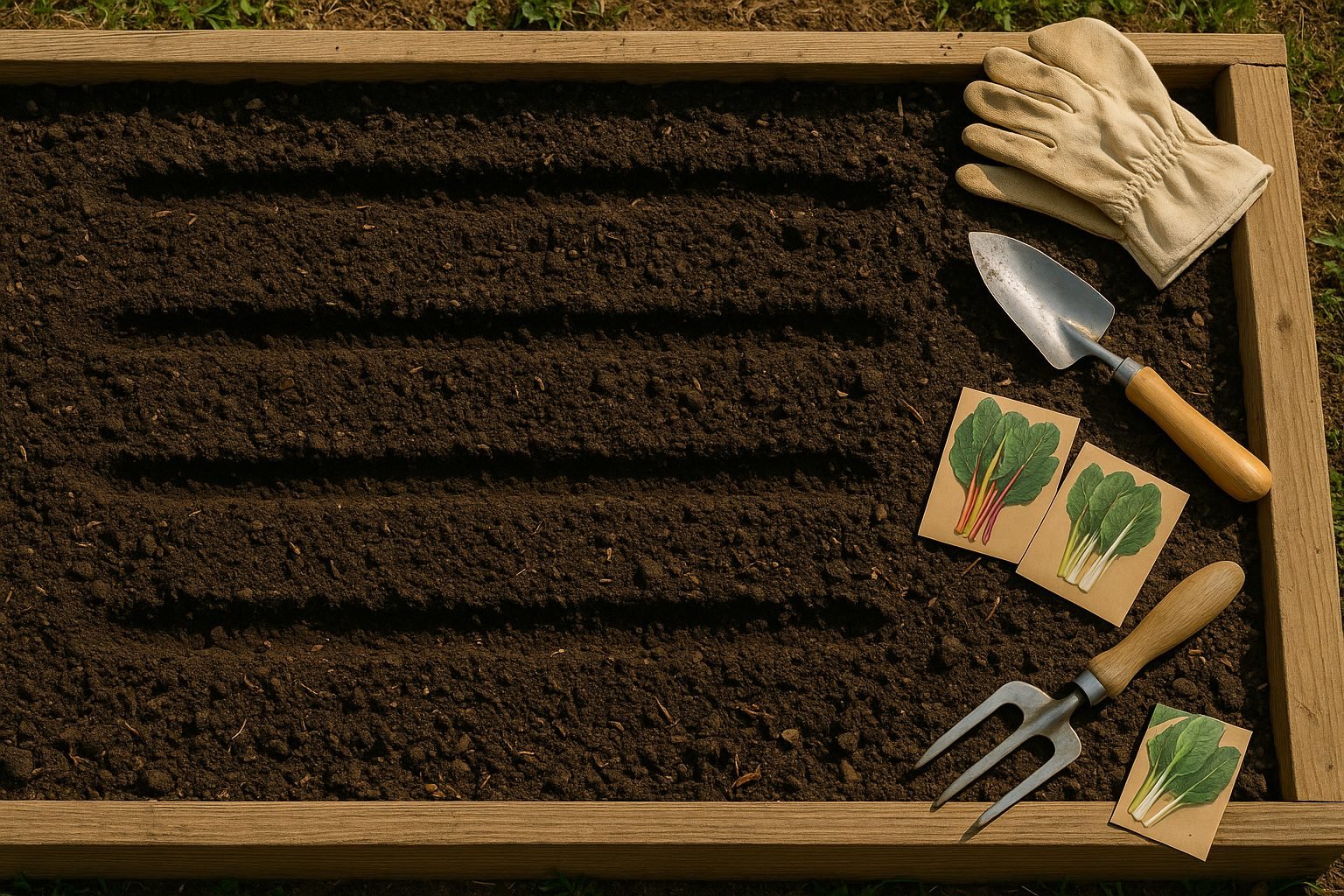
Planting Swiss chard is easier than many leafy greens, making it a fantastic crop for both beginners and seasoned gardeners. For the best results, start your Swiss chard once the soil has warmed to about 50°F (10°C) in early spring—often two to three weeks before your area’s last expected frost. For a continuous harvest, you can also plant again in late summer for a fall crop.
Choose a well-drained garden bed with fertile, loose soil, and be sure to work in compost beforehand to boost nutrients. Swiss chard prefers full sun but tolerates partial shade, especially in hotter regions.
While you can start seeds indoors three to four weeks before transplanting, most gardeners find it easiest to sow seeds directly outdoors. Plant seeds half an inch deep, spacing them about two inches apart in rows, leaving 12–18 inches between rows. Once seedlings emerge and reach a few inches tall, thin them to stand 6–10 inches apart, giving each plant room to spread its colorful stems and broad leaves.
If using transplants, be gentle when moving young seedlings to avoid damaging their roots, and space them as you would thinned seedlings. Remember, Swiss chard doesn’t thrive in extreme heat or frost, so providing a bit of shade or light frost protection can extend your harvest.
With the right timing and a bit of space, you’ll enjoy crisp, flavorful chard for salads, sautés, and more from early summer through fall.
Growing & Caring for Swiss Chard
Swiss chard is an easy-to-grow leafy green that rewards gardeners with vibrant colors and excellent nutrition, but it thrives best when given the right care. Start by choosing a sunny spot—Swiss chard loves full sun but will also tolerate partial shade, especially in warmer regions. Aim for at least 4-6 hours of sunlight daily to maximize leaf production.
When it comes to watering, Swiss chard prefers consistent moisture; water deeply once or twice a week, depending on rainfall, making sure the soil stays moist but never waterlogged. Mulch around the base to retain moisture and deter weeds. The ideal soil for Swiss chard is rich in organic matter, drains well, and sits in the neutral pH zone (6.0 to 7.0). Mix in compost before planting, and consider a light, organic fertilizer every 4-6 weeks.
Swiss chard grows best in cool to mild temperatures, with an optimal range between 55°F and 75°F (13°C to 24°C). Hot weather can stress plants, causing them to bolt (go to seed) prematurely and lose their tender texture and sweet flavor. Shade cloth or afternoon shade can help protect chard during unexpected heat waves. In very cold climates, row covers can extend the growing season and shield leaves from frost.
Pest and Disease Management
When it comes to pests, keep an eye out for aphids, leaf miners, and slugs, which are common nuisances. Aphids can be washed away with a strong spray of water or controlled with insecticidal soap, while floating row covers help exclude leaf miners. Handpick slugs in the evening or use natural baits like diatomaceous earth.
Yellow, curling leaves or brown blotches could signal downy mildew or fungal issues. These can be minimized by watering at the base (not overhead), allowing good air circulation, and promptly removing damaged leaves.
By following these organic strategies and staying observant, your Swiss chard patch will remain healthy and productive throughout the season.
Harvesting and Storing Swiss Chard
For the best taste and continuous harvest, pick Swiss chard when the outer leaves are about six to eight inches long but still tender—usually around 30 to 60 days after planting. Use clean, sharp scissors or a knife to snip individual leaves a few inches above the soil, being careful not to damage the growing center of the plant. This allows new leaves to keep sprouting, providing a continuous supply.
Try harvesting consistently, once or twice a week, to encourage bushier growth and prevent leaves from becoming tough or bitter. After picking, rinse the leaves gently, pat them dry, and store them in a perforated bag or wrapped in a damp paper towel inside your refrigerator’s crisper drawer. Stored this way, they can last up to a week.
For longer preservation, blanch the leaves quickly in boiling water, cool them in ice water, drain well, and freeze in airtight containers or freezer bags. To extend the harvest into cooler months, consider mulching around the plants to protect the roots from frost or using a simple row cover or cold frame.
In mild climates, Swiss chard can sometimes survive through winter, letting you enjoy fresh greens almost year-round. By following these steps, you’ll get the most out of your Swiss chard patch and keep your dishes stocked with vibrant, nutritious greens.
Swiss Chard in the Kitchen
Swiss chard is a powerhouse green that deserves a spot in every kitchen, both for its nutritional punch and its versatility. Packed with vitamins A, C, and K, as well as magnesium, potassium, and iron, Swiss chard supports healthy bones, immune function, and circulation.
The good news is that it’s also incredibly easy to use: simply rinse the leaves and stems before cooking. For a quick, nutritious side, sauté chopped Swiss chard in olive oil with garlic until wilted and bright green, finishing with a squeeze of lemon.
Both the stems and leaves are edible—while the leaves cook down quickly, the colorful stems add a pleasant crunch and can be sliced and sautéed first or thrown into soups and stir-fries for added texture.
Beyond classic sautéed greens, try these ideas:
- Add Swiss chard to frittatas.
- Mix it into hearty bean soups.
- Enjoy it raw in salads—just chop the leaves finely and toss with a lemony dressing to mellow out any bitterness.
For something creative, use the large leaves as a vitamin-rich wrapper for grains or proteins, or bake them into savory tarts. If you find yourself wondering what to do with those vibrant stems, try pickling them or adding them to vegetable stock for an extra layer of flavor.
With so many options, Swiss chard is not just a healthy choice, but also a deliciously flexible ingredient for everyday meals.
Conclusion & Quick FAQ
Swiss chard is a versatile, easy-to-grow green that thrives both in gardens and containers. Plant it in well-drained soil, keep it watered, and you’ll enjoy steady harvests for months—just snip the outer leaves and let the center regrow.
Rainbow chard offers colorful stems but shares the same flavor and care as regular Swiss chard. Yes, you can regrow chard: leave the base in soil, and fresh leaves will sprout.
Curious about the taste? Swiss chard is mild and earthy, making it great in sautés, salads, and soups. Give growing Swiss chard a try—you’ll be rewarded with beauty and nutrition right from your backyard.