Introduction
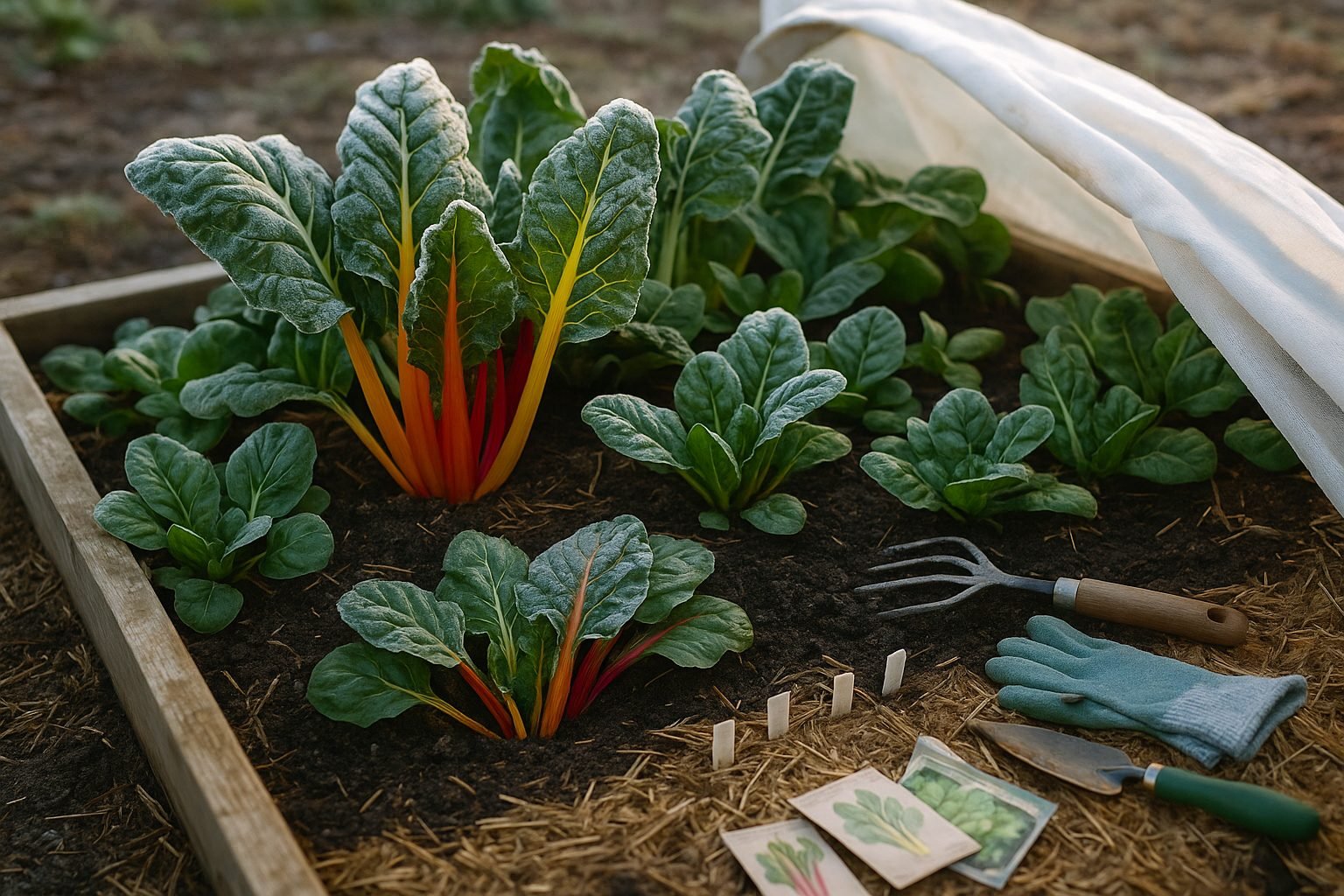
swiss chard frost protection is essential for any gardener aiming to enjoy healthy, vibrant greens all winter long. Alongside spinach, Swiss chard is a hardy staple in cold-weather gardens, cherished for its resilience and steady growth even as temperatures dip. But even these robust vegetables need strategic care to maintain their vigor and productivity throughout the chillier months.
When frost hits unexpectedly, unprotected plants can suffer leaf damage, slowed growth, or even become unharvestable—interrupting the flow of fresh greens to your kitchen. Knowing how to safeguard your Swiss chard and spinach isn’t just about keeping them alive; it’s about ensuring continuous, high-quality yields that make the effort of winter gardening worthwhile.
In this practical guide, we’ll dive into the most effective methods for Swiss chard frost protection—from using simple garden fleece to creative DIY row covers—plus smart practices for minimizing stress and encouraging regrowth. Whether you’re a seasoned grower or new to cold-season gardening, you’ll discover actionable tips to help your leafy greens not just endure, but thrive, through winter’s ups and downs.
Let’s get to work so you can savor garden-fresh flavors, no matter the forecast.
Understanding Swiss Chard and Spinach: Cold-Hardy Greens
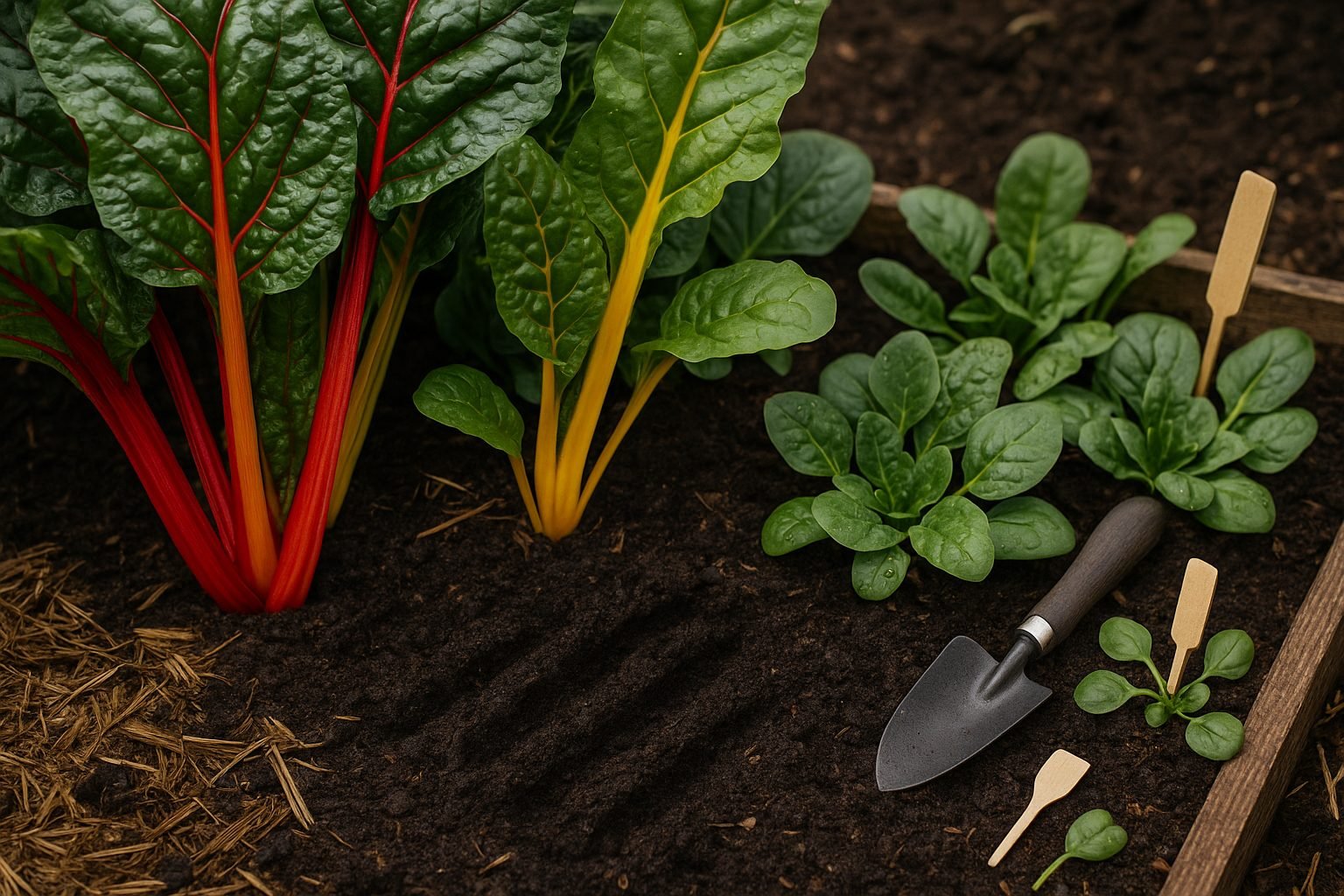
Swiss chard and spinach are two standout cold-hardy greens that earn their place in winter gardens thanks to their resilience and versatility. Swiss chard impresses with its colorful stems—ranging from crimson to gold—and broad, glossy leaves that have a mild, earthy flavor, making it great for sautés or raw salads. Spinach, on the other hand, features softer, tender leaves with a fresh, slightly sweet taste that complements everything from smoothies to soups.
Growth habits set them apart: Swiss chard is a larger, taller plant that continues to push out leaves even as you harvest, while spinach is lower and more compact, often producing a quick but bountiful flush of growth.
When it comes to cold tolerance, spinach is the true champ—it can withstand temperatures well below freezing and is hardy in USDA zones 3-9. Swiss chard is no slouch, tolerating light frosts and thriving in zones 6-10, but it can struggle in more severe cold.
Varieties for Overwintering
For gardeners looking to overwinter, certain spinach varieties like Winter Bloomsdale and Giant Winter are bred specifically for strong winter resilience and slow bolting. For Swiss chard, Fordhook Giant and Rhubarb are reliable choices that recover well from frost and can push through brief cold snaps.
Planting Tips
To get the most out of these greens, plant them in late summer for overwintering or early spring for a head start—covering with a cold frame or row cover can stretch the harvest even in chillier climates. Try interplanting both for a vibrant, practical patch of leafy greens that will keep your kitchen stocked through the colder months.
Choosing and Preparing Your Planting Site
When setting up your winter garden, the first step is to pick a site that offers well-drained soil; roots don’t appreciate “wet feet,” especially in the colder months when excess moisture can quickly lead to rot. Look for a spot that isn’t prone to holding water, or use raised beds and containers to improve drainage—simply drilling extra holes in the bottom of your pots can make a big difference.
Fertility is next: winter vegetables draw from the soil’s limited nutrients, so mixing in a layer of well-rotted compost or an organic fertilizer before planting goes a long way toward sustaining healthy growth. Most winter crops, like kale, spinach, and carrots, thrive in slightly acidic to neutral soil, with a pH between 6.0 and 7.0. Consider using a simple soil test kit (readily found at garden centers) to fine-tune your soil, adding lime to raise pH or sulfur to lower it as needed.
For garden placement, select a location that receives the most winter sunlight possible—south-facing spots are ideal, as days are shorter and every bit of light counts. When preparing your beds, loosen the soil to at least a foot deep to encourage robust roots that can access moisture and nutrients. Remove rocks and break up clumps to allow roots to grow without obstruction. If you’re working with containers, fill them with a quality potting mix blended with organic matter.
By preparing your site and soil ahead of time, you’ll ensure your winter crops get the strong start they need to survive chilly nights and unpredictable weather, giving you a more reliable and bountiful harvest in the coldest months.
Planting and Protecting Your Winter Greens
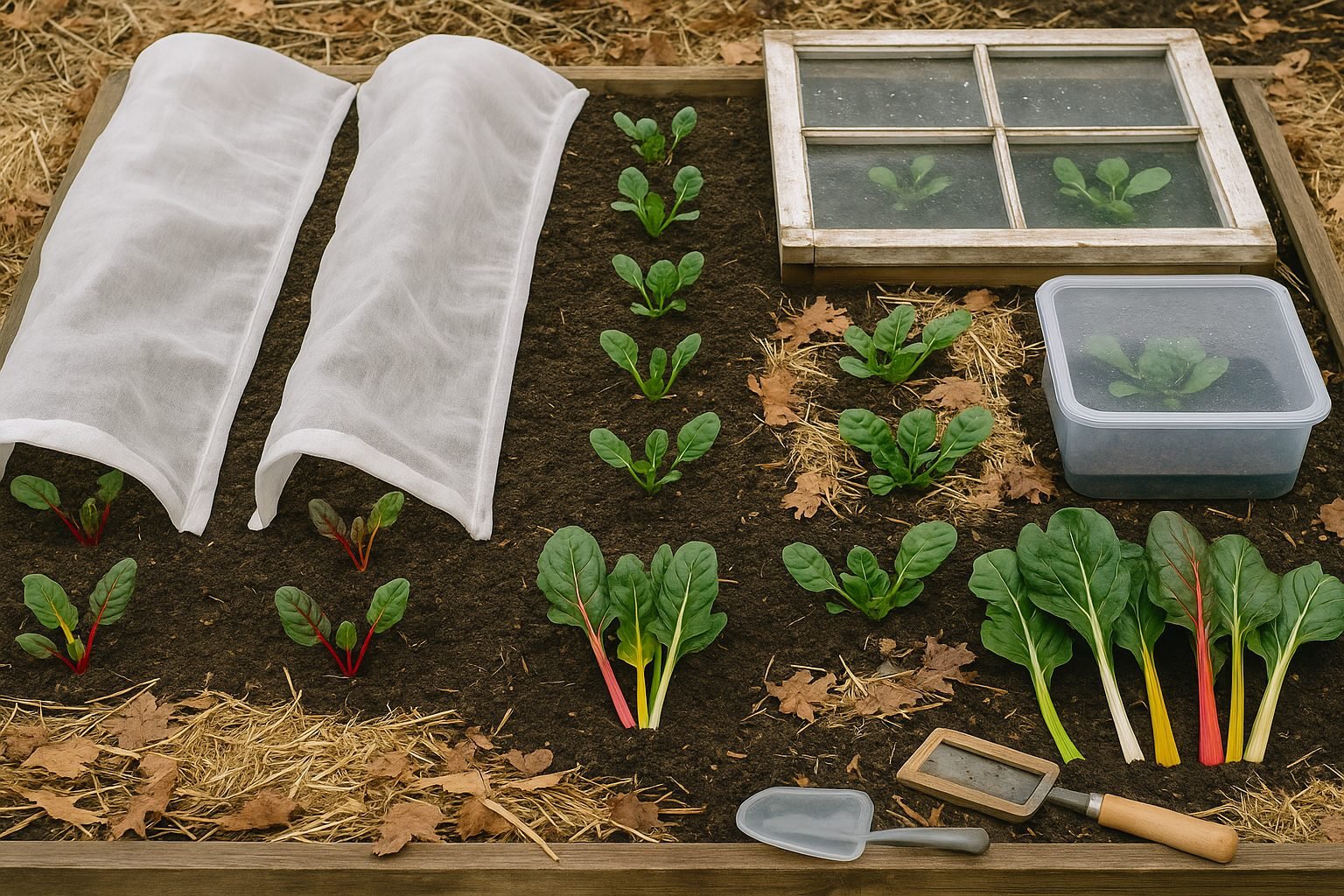
For a thriving winter greens garden, timing your planting is key—aim to sow seeds like kale, spinach, and Swiss chard in late summer or early fall, about 6-8 weeks before your first expected frost. This head start lets plants mature while the weather is still mild, building strong roots that survive chilly nights.
Protect your greens as temperatures drop by covering rows with lightweight fabric row covers, building simple cold frames from old windows and lumber, or setting up a mini greenhouse with plastic sheeting. Even an inexpensive clear plastic storage bin can be placed over small beds for extra warmth!
Give your greens room to breathe by spacing seeds 4-6 inches apart, which ensures airflow and prevents disease. Once seedlings sprout, add a thick layer of straw, dried leaves, or shredded newspaper around them to insulate roots, retain moisture, and keep pesky weeds at bay.
These quick steps not only shield your crops from biting cold but also stretch your harvest well into the winter months, giving you a steady supply of fresh, homegrown greens when store shelves are bare.
Essential Winter Care: Watering, Fertilizing, and Maintenance
As winter settles in, your greens need some extra care to thrive despite the chill. With colder temperatures and shorter days, watering routines should change—plants require less frequent but deeply thorough waterings to prevent both underwatering and overwatering. Before watering, check the top inch of soil: if it’s dry, give your greens a drink; if it’s still moist, wait a couple more days. Overwatering in winter is especially risky, since cooler weather slows evaporation and roots can rot quicker in soggy soil.
When it comes to fertilizing, dial back on frequency compared to spring and summer. Plants grow slower this time of year, so a half-strength dose of an organic, balanced liquid fertilizer every four to six weeks is usually plenty. Over-fertilizing can result in weak, leggy growth that’s vulnerable to cold stress.
Maintenance is another key focus—regularly prune and harvest outer leaves to encourage airflow around your greens. This not only boosts their health but also makes them less attractive to pests and fungal disease, which are likelier in the damp winter air. Be sure to immediately snip away any damaged or yellowing foliage, as these spots can quickly become hotspots for problems.
For those growing greens indoors in containers, position your pots near a bright, south-facing window to capture as much natural light as possible, or supplement with a grow light if needed. Indoor air can be dry from heating systems, so monitor soil moisture levels closely and consider grouping plants together or placing a tray of water nearby to boost humidity. Finally, rotate containers every week to guarantee even light exposure and prevent plants from leaning or getting leggy.
With these tailored approaches to watering, feeding, and maintenance, you’ll keep your winter greens lush, healthy, and ready for harvest all season long.
Managing Pests and Diseases in Cold Weather
Even in cold weather, Swiss chard and spinach can face challenges from a few persistent pests and diseases. Aphids and slugs often hide under leaves or soil mulch, thriving in cool, damp environments. You might also notice signs of fungal issues like downy mildew—look for yellow spots on the upper side of leaves and grayish mold underneath.
To manage these problems without chemicals, try floating row covers to block pests and retain a little warmth. Regularly inspect the underside of leaves for aphids, and wash them off with a strong spray of water if you see clusters. For slugs, scatter crushed eggshells, coffee grounds, or even copper tape around your garden beds to deter them, and hand-pick any visible ones during a morning walk.
Keep plant spacing roomy to allow good airflow and avoid overhead watering, which can encourage mildew and rot. Cold weather itself can cause leaf yellowing or purple tinting—often a sign of stress rather than disease, particularly if the soil is too wet or poorly drained. Excess watering in slow winter conditions can suffocate roots, so check soil before each watering and let the top inch dry out.
Healthy winter greens bounce back quickly from minor stresses when you adjust conditions early, and keeping the beds clean of old leaves helps prevent lingering disease. By staying attentive to subtle leaf changes and acting quickly with gentle, natural methods, your spinach and Swiss chard can thrive even through the chill.
Preparing for Spring: Recovery and Future Growth
As winter loosens its grip and days grow longer, transitioning your greens to spring conditions requires a gentle approach to prevent shock and promote lush regrowth. Start by gradually exposing cold-hardy greens like spinach, kale, and lettuce to increased sunlight and warmer temperatures—move row covers or cloches aside during the warmer parts of the day, then replace them at night if frost is still possible.
It’s also a good time to lightly fertilize with a balanced organic blend; a dose of compost tea or fish emulsion can give plants a nutrient boost just as they gear up for spring growth. To encourage plants to keep producing as they sense the increased daylight, harvest outer leaves frequently on “cut-and-come-again” varieties—regular picking tells the plant to keep growing new leaves.
Consider succession planting by starting new batches of fast-maturing greens every two to three weeks for a continuous harvest well into early summer. As you look ahead, rotate your crop placement to minimize pest buildup and maintain soil health—avoid planting greens from the same family (like brassicas) in the same spot year after year.
Companion planting can also help: try nasturtiums to deter aphids, or interplant aromatic herbs such as dill and cilantro to attract beneficial insects and confuse pests. Taking these steps not only prepares your current greens for a productive spring but also sets the stage for your entire garden to thrive through the seasons, making each harvest healthier and more resilient.
Conclusion
Caring for Swiss chard and spinach during winter isn’t just about survival—it’s the key to a lush, productive garden that delivers crisp greens even when temperatures drop. By following simple steps like providing mulch, monitoring moisture, and using row covers, you’ll give your plants the best chance to thrive all season long.
Don’t miss out on fresh, homegrown greens through winter; start implementing these strategies today. Feel free to share your own winter gardening tips or leave any questions in the comments below—we’d love to hear what works best for you!