Introduction
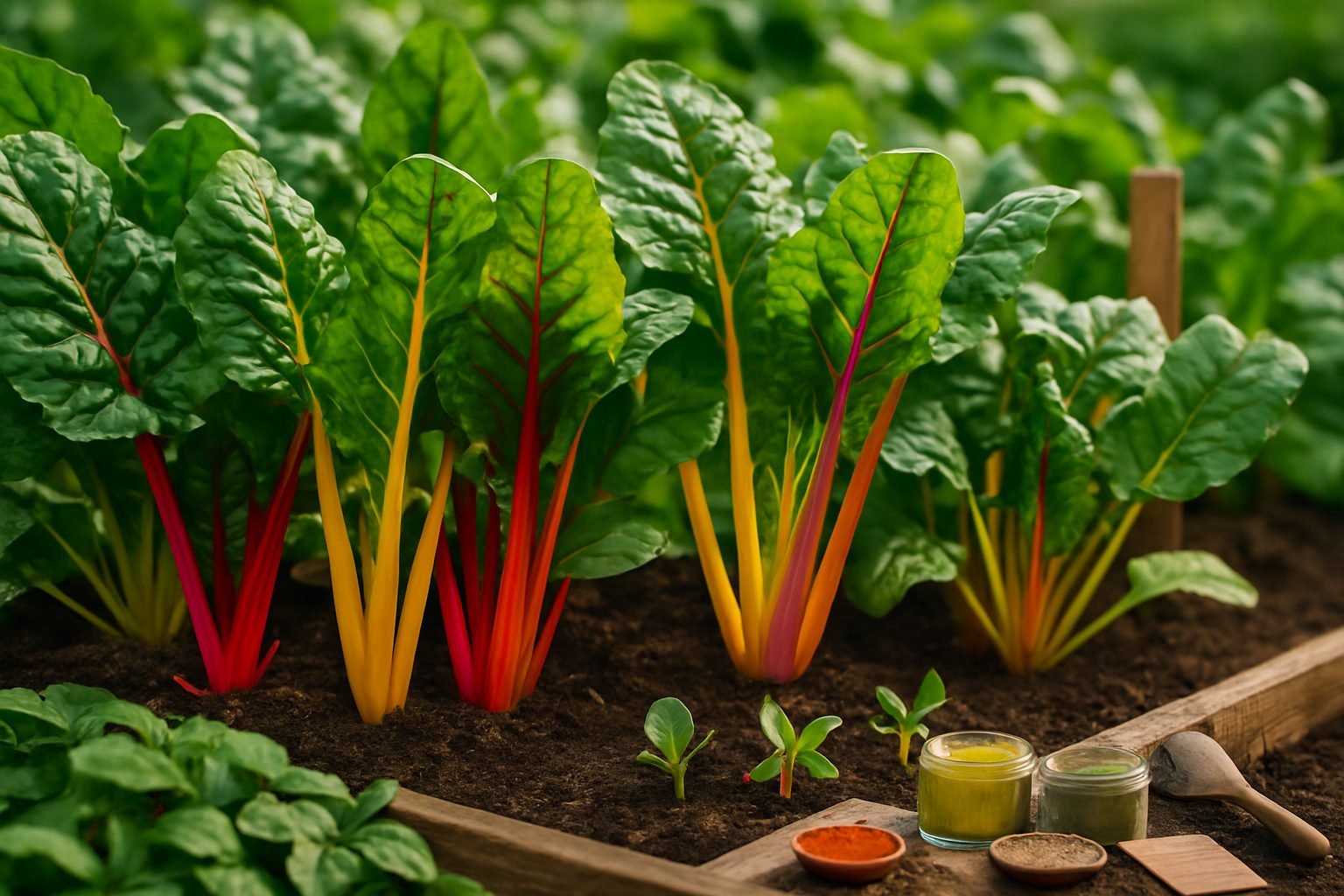
Wondering about swiss chard growing time? If you’re looking for a nutritious and colorful leafy green to brighten up your garden—and your meals—Swiss chard is an excellent choice. With its rainbow of stem colors ranging from ruby red to golden yellow, Swiss chard stands out not just for its beauty but also for its impressive health benefits.
Packed with vitamins A, C, and K, as well as minerals like magnesium and iron, this leafy green is as good for you as it looks on your dinner table. Whether you’ve spotted it at a local farmer’s market or enjoyed its tender leaves sautéed with garlic, there’s a lot to love about Swiss chard.
In this guide, we’ll walk you through everything you need to know about growing Swiss chard yourself—from how and when to plant the seeds to caring for your vibrant crop throughout the season. We’ll also share insider tips on harvesting for the longest possible yield, plus favorite ways to cook and enjoy your harvest.
Ready to discover how easy and rewarding it is to grow Swiss chard right at home? Let’s get started!
Choosing the Right Swiss Chard Variety
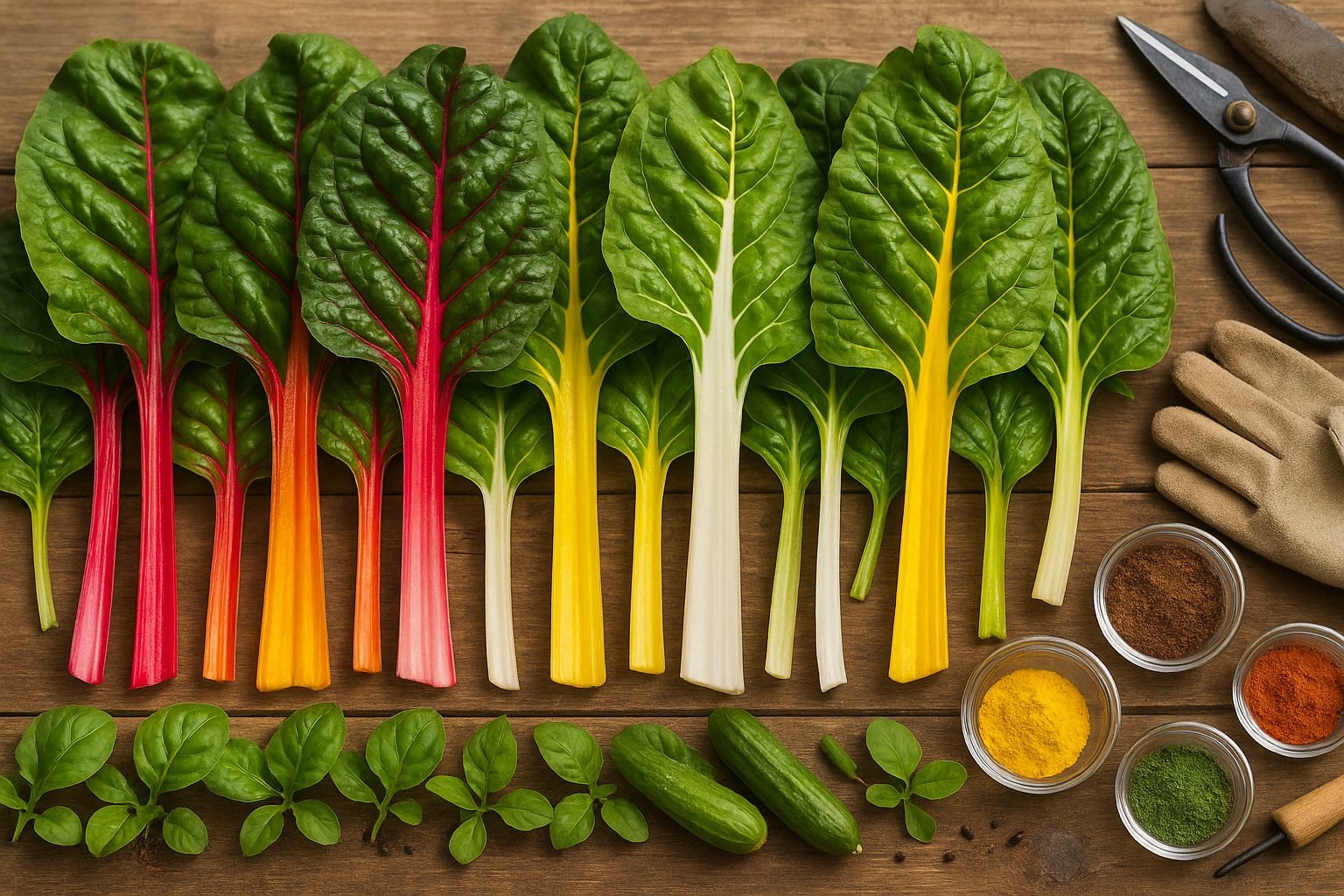
When deciding which Swiss chard variety to grow, it helps to know the main types available and what sets them apart. The most eye-catching option is rainbow chard, known for its vibrant stems in shades of red, orange, yellow, pink, and white. It adds a pop of color to both garden beds and salads.
Traditional green Swiss chard (sometimes called Fordhook Giant) boasts thick white stems and broad, deep-green leaves, making it a classic choice for hearty cooking. There are also red and golden-stemmed varieties, such as Ruby Red and Bright Lights, each bringing subtle differences in flavor and texture—red types can taste a touch earthier, while gold-stemmed chards may be milder and slightly sweet.
When selecting a variety, consider your local climate: chard is resilient and can tolerate some heat and cold, but rainbow and colored types tend to be more tolerant of changing conditions, while the larger green forms might bolt less quickly in warmer regions.
Think about how you plan to use chard as well:
- If you want a show-stopping harvest for mixed salads, choose a rainbow or gold mix.
- If you’re after high yields for sautés and stews, traditional green chard produces large, tender leaves ideal for bulk cooking.
Whatever you choose, keep in mind that most chard types are easy to grow, regrow after cutting, and thrive in both garden beds and containers, making them a rewarding pick for beginners and seasoned gardeners alike.
How to Plant Swiss Chard
Swiss chard is a versatile leafy green that thrives in a variety of settings, from backyard garden beds to patio containers and raised beds. For healthy growth, choose a sunny spot that gets at least 6 hours of direct light daily. However, Swiss chard can tolerate partial shade, especially in hotter climates.
The ideal soil should be loose, rich in organic matter, and well-draining, with a pH between 6.0 and 7.0. Mixing in compost before planting provides your chard with a nutritious boost.
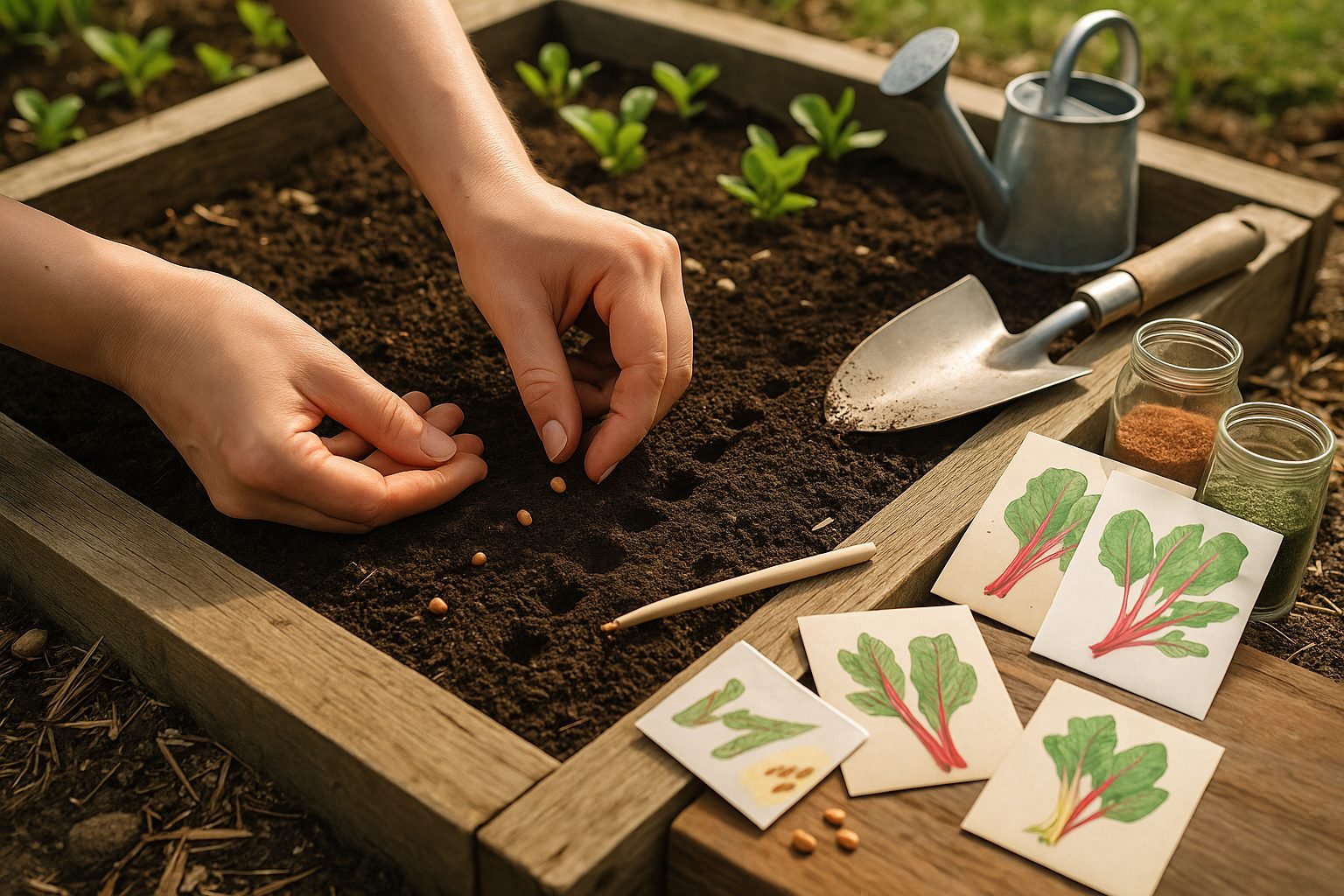
You can easily start Swiss chard from seed either indoors or directly outside. If you’re eager to harvest early or live in an area with a shorter growing season, sow seeds indoors about 2 to 4 weeks before your last expected frost. Use small pots or seed trays and transplant sturdy seedlings after hardening them off.
For most gardeners, direct sowing outdoors is simple and effective:
- Plant seeds 1/2 inch deep
- Space seeds 2 inches apart
- Space rows about 12 to 18 inches apart
Once seedlings are a few inches tall, thin them so they stand 6 to 12 inches apart, giving them ample room to mature.
Whether indoors or outdoors, keep the soil consistently moist but not soggy, watering gently to avoid disturbing the seeds. Mulching helps retain moisture and keeps weeds at bay.
With these steps and a little attention, you’ll enjoy a steady harvest of Swiss chard throughout the season—even in a small space or on a balcony.
Growing and Tending Swiss Chard
Caring for Swiss chard is fairly straightforward, making it a great choice for both new and seasoned gardeners. Keep the soil consistently moist with about one inch of water per week—either from rainfall or by watering at the soil level early in the day to avoid wetting the foliage, which can invite disease.
A thick mulch of straw or shredded leaves helps conserve moisture, suppress weeds, and keep the roots cool, especially in warmer weather. Feeding chard with a balanced organic fertilizer or compost every four to six weeks encourages lush, leafy growth.
Pests and Diseases
Watch for common pests like aphids, leaf miners, and slugs. Use row covers over young plants, inspect leaves regularly for eggs and damage, and consider introducing beneficial insects like ladybugs for natural control. Powdery mildew and downy mildew can be issues in humid areas, but good air circulation and careful watering help prevent these diseases.
Growing Options
If you’re short on garden space, Swiss chard thrives in containers or raised beds; choose a pot at least 12 inches deep and space plants about 8 inches apart. For hydroponic setups, maintain a pH of 6.0–6.5, use a complete liquid nutrient mix, and ensure strong, indirect light.
Troubleshooting
If you notice yellowing leaves, check for overwatering, poor drainage, or nutrient deficiency—removing affected leaves and adjusting feeding often solves the problem. Bolting (early flowering and seed production) can occur if plants get too hot. Provide partial shade during summer or choose bolt-resistant varieties like ‘Fordhook Giant.’
With these simple steps, you can enjoy fresh, colorful Swiss chard well into the cool seasons, whether you’re tending rows in a backyard bed or harvesting from a sunny apartment balcony.
When and How to Harvest Swiss Chard
Knowing when to harvest Swiss chard can make a big difference in flavor and plant longevity. Ideally, harvest when the outer leaves are about 8 to 12 inches long and the stems are thick, crisp, and vividly colored. Young, tender leaves can be picked earlier for salads, but waiting allows you to enjoy full-sized leaves in cooked dishes.
To keep your plant producing, always use a “cut and come again” method: gently snap or cut the larger, outer leaves about one to two inches above the base, leaving the central bunch intact. This allows new leaves to keep growing from the middle and gives you a steady supply throughout the season. Avoid pulling leaves from the center, as this can damage the growing tip and stunt future growth.
It’s tempting to harvest the whole plant at once—especially at the end of the season or when space is needed for new crops—but for the longest harvest window, selective picking is best. For example, regularly visiting your chard patch and taking just a few leaves from each plant every week can extend your harvest for months.
If you see any yellowing or wilted leaves, remove them promptly to keep the plant healthy. By following these simple tips, you’ll enjoy Swiss chard fresh from your garden all season long.
Storing and Using Swiss Chard
To keep Swiss chard at its best, start by removing any bands or ties as soon as you get home so the leaves aren’t crushed. Rinse the leaves gently in cool water, then pat them dry with a towel or use a salad spinner—excess moisture can lead to sogginess.
If you plan to use the chard within a few days, wrap the stems in a damp paper towel and place the bunch in an open plastic bag in your refrigerator’s crisper drawer. Swiss chard will typically stay fresh for up to a week this way.
When you’re ready to prepare it, trim off any tough, woody ends from the stems. The stems and leaves can be cooked together or separately—try slicing the stems thinly and sautéing them with garlic before adding the torn leaves for a minute or two, just until wilted.
For a hands-off option, toss chopped chard with olive oil and roast at 400°F for about 10 minutes until the edges become crispy. Swiss chard is also delicious added to soups, frittatas, or stirred into pasta dishes for a boost of color and nutrients.
If you have extra, finely chop and fold the greens into omelets, grain salads, or homemade quesadillas. The mild, earthy flavor makes Swiss chard surprisingly versatile, working well in most dishes that call for spinach or kale, expanding your options for quick and healthy meals all week long.
Nutritional Benefits and Enjoying Your Harvest
Swiss chard is a powerhouse of nutrients, making it a fantastic addition to your kitchen after harvest. Packed with vitamins A, C, and K, this leafy green supports immunity, skin vitality, and bone health. It’s also rich in minerals like magnesium, iron, and potassium, which help with muscle function and energy levels.
Swiss chard’s vibrant stems and leaves are loaded with antioxidants that combat cell damage and may help reduce inflammation. Instead of letting your harvest languish in the fridge, try shredding the tender leaves into fresh salads for a colorful crunch, or toss chopped chard into a sizzling stir-fry just before serving—it wilts beautifully without becoming soggy.
For a morning boost, add a handful to your smoothie along with banana and berries; the flavor is subtle but adds a nutritious punch. If you love pasta, stir blanched Swiss chard leaves into warm noodles with olive oil, garlic, and parmesan for a simple but satisfying meal.
The versatility of Swiss chard means you can get creative—try using the stems in pickles or sautés for a tangy twist. Embrace experimentation and don’t be afraid to mix Swiss chard into any dish that calls for spinach or kale; its mild, earthy taste blends well with most flavors, making it easy and enjoyable to eat your greens.
Conclusion & Next Steps
Growing Swiss chard is a simple and rewarding experience, even for beginners. It’s a forgiving plant that thrives in most gardens, offers a steady harvest, and brings bold color to your vegetable patch. Its leafy greens are packed with nutrients, and the vibrant stems brighten both your garden and your plate.
Adding Swiss chard to your garden plans means fresh, homegrown greens nearly year-round—perfect for salads, stir-fries, and smoothies. If you’re ready to get started, reputable seed suppliers like Johnny’s Selected Seeds or Baker Creek offer quality Swiss chard varieties.
For advanced growing tips, check out resources from your local extension office or trusted gardening sites like the Old Farmer’s Almanac. Interested in companion planting? Swiss chard pairs well with carrots, beans, and onions.
Take the leap, and enjoy the ease and beauty of this hardy green in your garden this season!