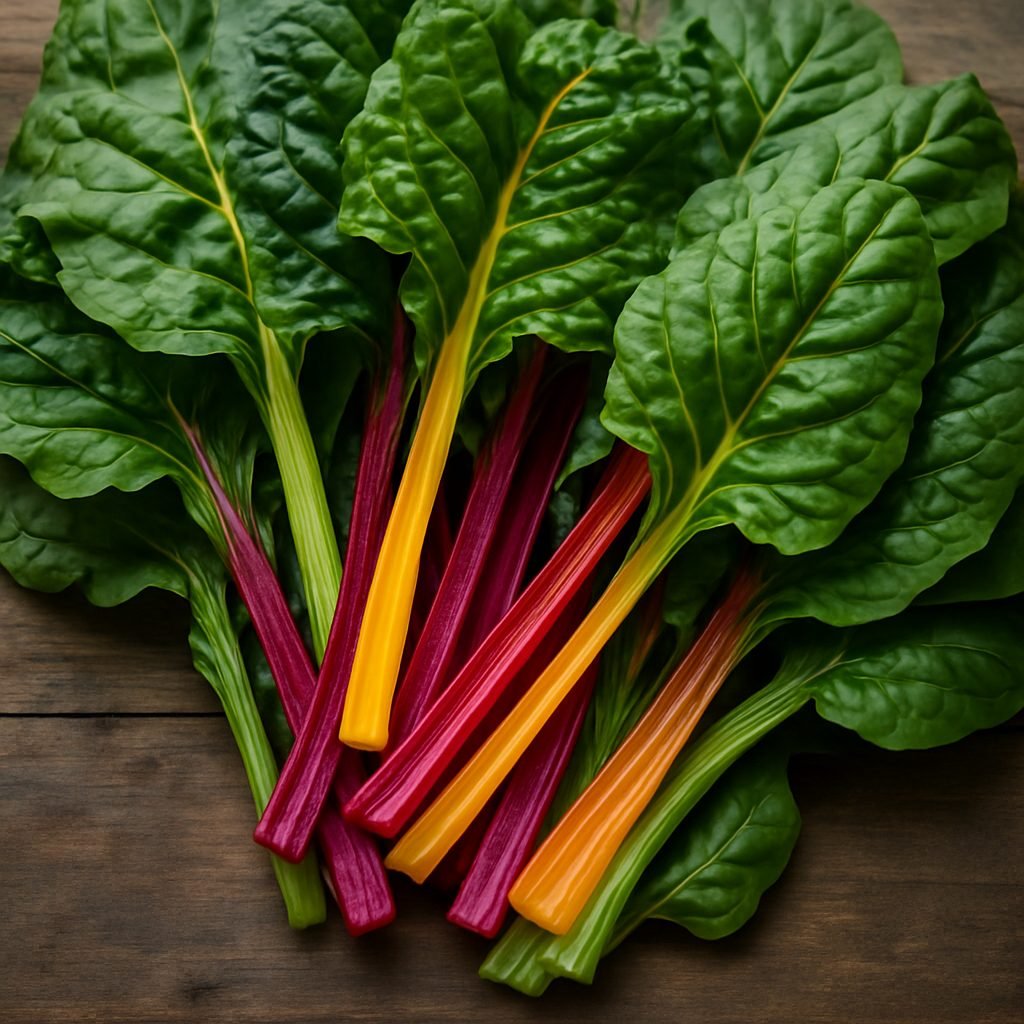
What is Swiss Chard?
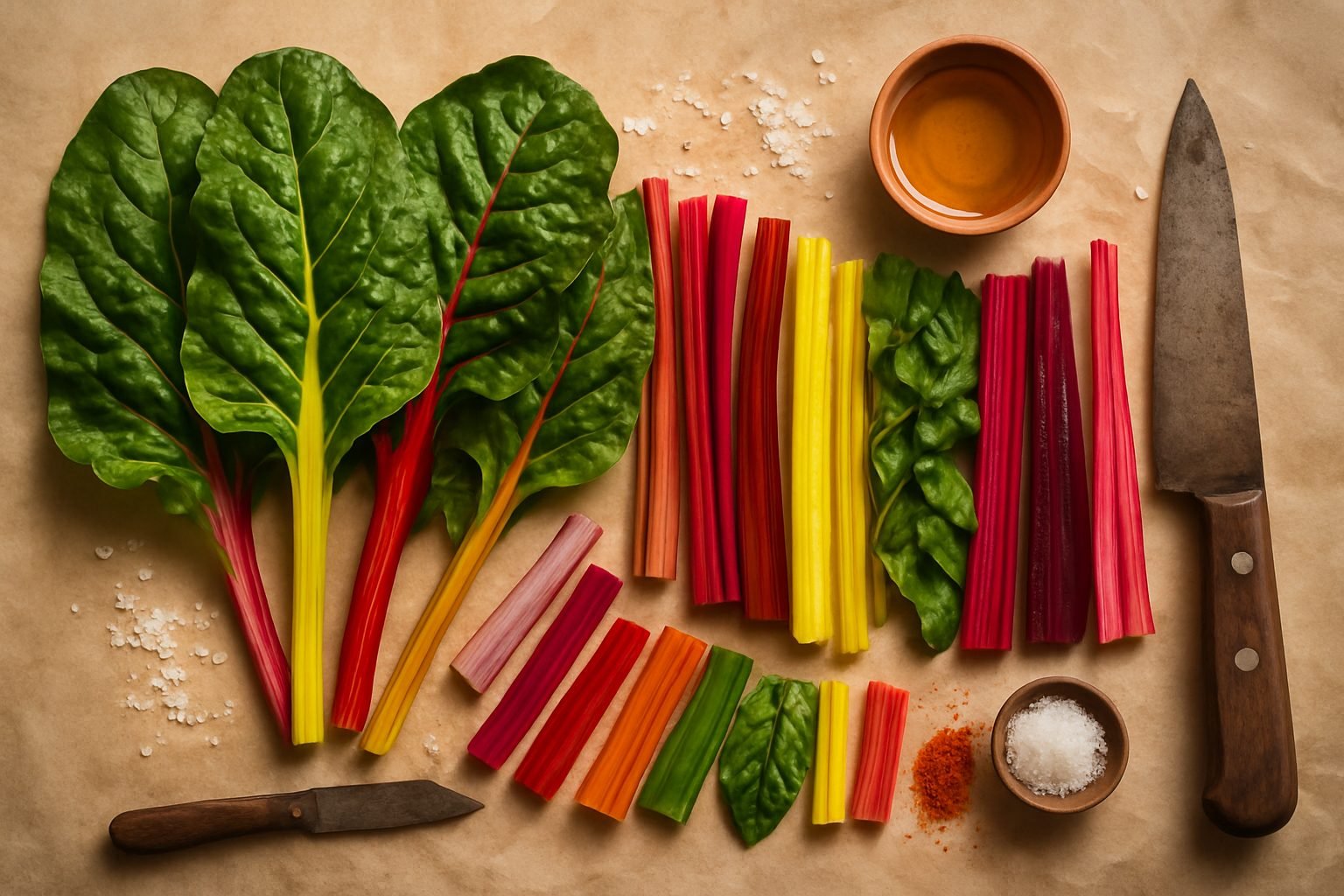
If you’re searching for the tastiest swiss chard recipes to make the most of your harvest, you’re in the right place. Swiss chard is a leafy green well-loved by gardeners and cooks alike for its vibrant beauty and impressive flexibility in the kitchen.
Characterized by large, gently crinkled leaves and bright, sturdy stems that range in color from jade green to ruby red, golden yellow, and even creamy white—especially striking in the rainbow chard variety—this vegetable is as appealing to the eye as it is to the palate. Its flavor is mild yet earthy, combining the tenderness of spinach with the slight bitterness of beet greens and a subtle, nutty sweetness that stands up well to sautéing, roasting, or braising.
Popular among chefs for its ability to add both color and nutrition to dishes, Swiss chard includes several varieties, like classic Fordhook Giant, pink-stemmed Rhubarb Chard, and multicolored Bright Lights (rainbow chard), each offering a unique look and texture.
Found in markets worldwide and thriving in gardens throughout spring, summer, and even into autumn depending on your climate, chard stars in Mediterranean pies, Middle Eastern stews, Italian pastas, and even Asian stir-fries. Its adaptability and robust production make it a go-to for home gardeners wanting delicious, healthy greens—no matter the season.
Nutritional Value and Health Benefits
Swiss chard is a powerhouse green loaded with essential nutrients like vitamins A, C, and K, as well as important minerals such as magnesium and potassium. One cup of cooked Swiss chard offers over 200% of your daily vitamin K needs, which is vital for bone strength and blood clotting.
Vitamin A supports your vision and immune health, while vitamin C boosts your body’s defenses and aids in skin repair. Potassium and magnesium both contribute to heart health by regulating blood pressure and maintaining steady heart rhythms.
The leafy stems also pack plenty of fiber, which aids digestion and helps you feel fuller longer—making it a great choice for anyone looking to support gut health or maintain a healthy weight.
Studies published in journals like Nutrients and the European Journal of Nutrition have highlighted Swiss chard’s antioxidant properties, showing its ability to lower markers of inflammation and support cardiovascular health.
Adding Swiss chard to salads, soups, or sautés a few times a week is a simple way to harness its broad health benefits and provide your body with a variety of protective nutrients.
How to Buy, Store, and Freeze Swiss Chard
When shopping for Swiss chard, look for vibrant, crisp leaves without yellowing or wilting. Deep green leaves and firm, unblemished stems are your best clues to freshness. Avoid bunches with holes, sliminess, or limpness, as these indicate age or poor handling.
Once you get your chard home, gently rinse off any dirt and shake off excess moisture. To store, wrap the chard loosely in a clean paper towel and place it inside an open plastic bag in your fridge’s crisper drawer. This setup helps prevent both drying out and soggy wilt. For longer shelf life, keep the chard unwashed until you’re ready to use it, since moisture speeds up spoilage.
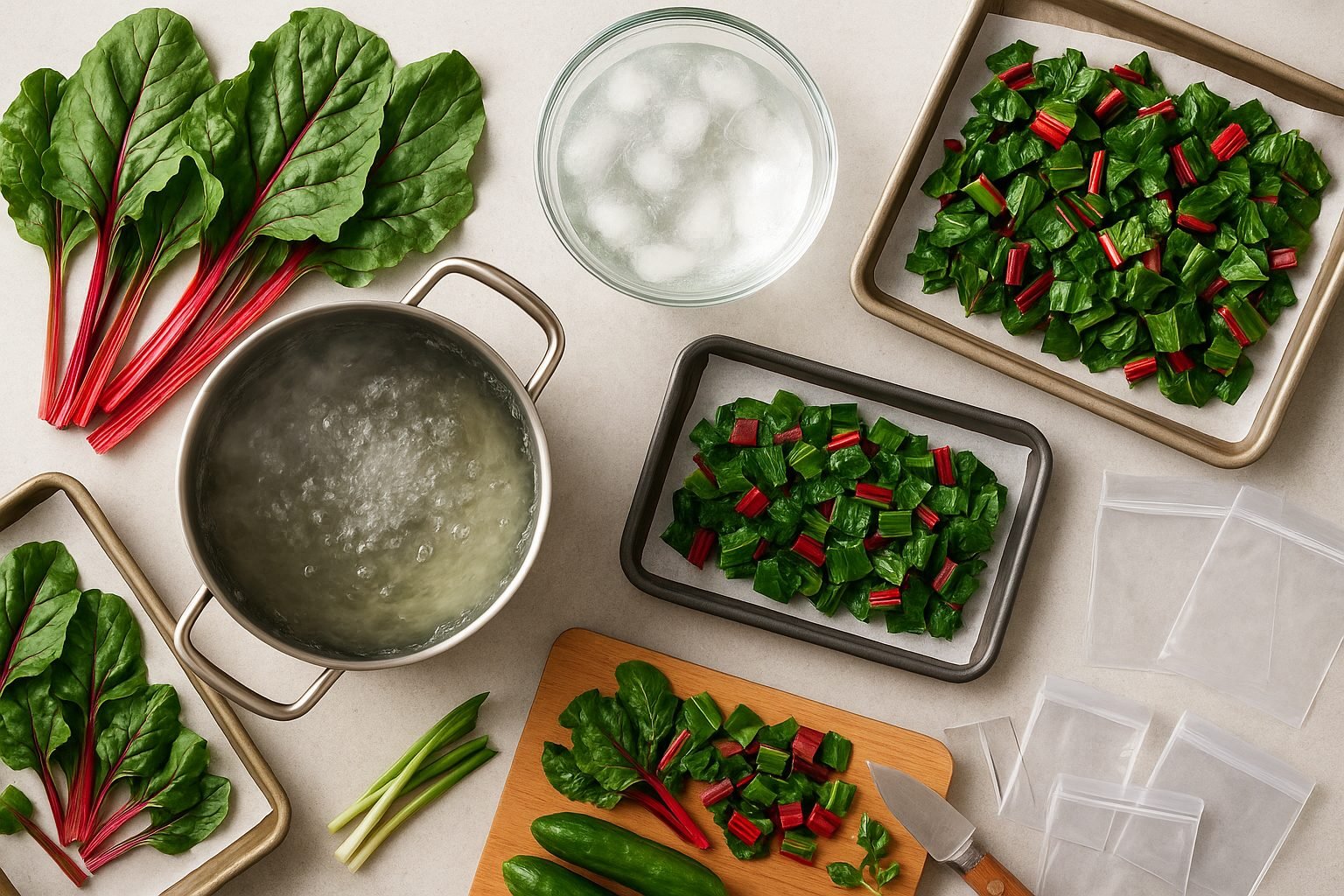
Freezing is a great way to keep Swiss chard for months. Just follow these steps:
- Wash and chop the leaves and stems.
- Blanch them for 2 minutes in boiling water.
- Immediately plunge into ice water.
- Drain well and pat dry.
- Spread the pieces on a baking sheet to freeze individually.
- Once firm, transfer your chard to freezer-safe bags or containers.
- Label with the date and tap out extra air before sealing.
This method makes it easy to grab a handful for soups, sautéing, or smoothies whenever you need a nutritious boost.
Simple Ways to Cook Swiss Chard
Swiss chard is a versatile leafy green that can be enjoyed in many easy ways. For a quick side, try sautéing: start by rinsing the leaves and stems well, then separate them since the stems take longer to cook. Slice the stems thinly and sauté them first in olive oil for about 2-3 minutes until softened. Then toss in the chopped leaves, cooking for another 3-4 minutes until wilted. Season with a pinch of salt, pepper, and a squeeze of lemon for brightness.
Chard is also tasty steamed—just place the leaves and stems in a steamer basket for about five minutes—then season and drizzle with olive oil.
Roasting brings out a nutty flavor; toss stems and leaves with oil, spread on a baking sheet, and roast at 400°F for 10-12 minutes.
You can even eat it raw: chop the leaves and mix them into salads for a mild, slightly earthy crunch.
To tempt picky eaters or kids, chop chard finely and stir it into pasta sauces, scrambled eggs, or blend it into smoothies with fruit—its color disappears, but you sneak in greens and nutrients.
Try topping sautéed chard with a sprinkle of cheese or a splash of balsamic for extra flavor if you meet resistance at the dinner table!
Creative Swiss Chard Recipes to Try
Swiss chard is a versatile leafy green that shines in all kinds of creative recipes. Swap traditional basil for chard in a flavorful pesto—blend chard leaves with toasted walnuts, parmesan, and olive oil, then spoon it over pasta or grilled chicken for a vibrant meal.
Add chopped chard stems and leaves to vegetable soup, letting them wilt for a boost of color and nutrients.
For a Mediterranean twist, sauté chard with garlic, olive oil, and chickpeas, then stuff it into warm pita bread alongside feta cheese and fresh tomatoes for an easy lunch.
Swiss chard also makes a stand-out addition to tacos; use wilted chard with black beans and spicy pepper jack cheese as a filling, or mix it into a baked frittata with goat cheese and sun-dried tomatoes.
For a fresh salad, toss chard ribbons with roasted nuts, tangy citrus segments, and shaved pecorino.
Looking to Italian flavors? Try folding chard into risottos or layering it into hearty lasagnas.
These pairings—nuts, cheeses, beans, and aromatic herbs—help bring out Swiss chard’s mild, earthy notes. Don’t be afraid to experiment with global recipes—Greek spanakopita, for example, is delicious with Swiss chard instead of spinach.
With just a few pantry staples and a bit of inspiration, Swiss chard can transform ordinary meals into something colorful, healthy, and new.
Potential Drawbacks and Frequently Asked Questions
While Swiss chard is packed with nutrients, it does come with a few potential health concerns to keep in mind. Its leaves contain oxalates, which may contribute to kidney stone formation in sensitive individuals—so if you have a history of kidney stones, consult your doctor before adding large amounts of chard to your diet. Some people may also experience allergic reactions, though these are rare. Additionally, chard contains vitamin K, which can interfere with blood-thinning medications like warfarin, so it’s wise to speak with your healthcare provider if you’re taking these medications.
Many readers wonder if the stems are edible—good news: both the stems and leaves can be enjoyed, though stems take a bit longer to cook and are delicious when sautéed or pickled. You can safely eat Swiss chard raw, but it tends to be more bitter this way; blanching the leaves for a couple of minutes or sautéing them with a splash of lemon juice can mellow their taste.
If you want to dive deeper into Swiss chard’s nutritional profile or learn new recipes, check reputable health websites or your local cooperative extension for trustworthy guides and tips.