Introduction
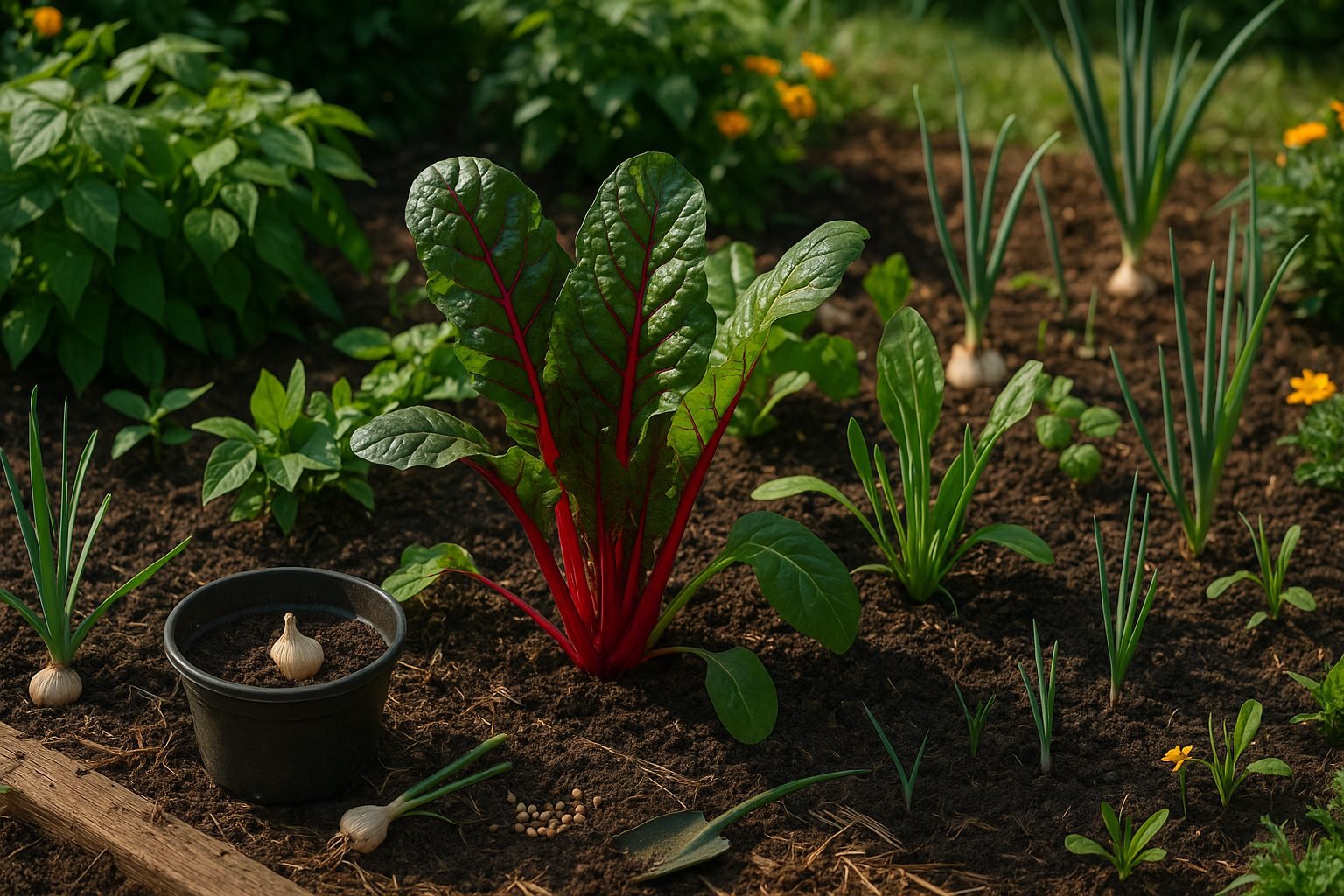
If you’re growing swiss chard this season, discovering the best Swiss chard companion plants can be a game-changer for your garden. Companion planting—strategically growing plants together for mutual benefit—is an age-old gardening secret that pays off in countless ways.
For Swiss chard, the right companions not only boost vigor and flavor but also help deter pesky insects and maximize your planting space. Have you ever noticed how basil keeps bugs at bay or how beans enrich the soil? Pairing Swiss chard with the right plants creates a thriving, naturally resilient mini-ecosystem.
In this guide, you’ll learn how to select the best companions for your Swiss chard, what to avoid, and how smart pairings can lead to lush harvests and fewer headaches. Ready to turn your veggie patch into a productive powerhouse? Let’s dig into the best tips and tricks for Swiss chard companion planting.
Why Try Companion Planting with Swiss Chard?
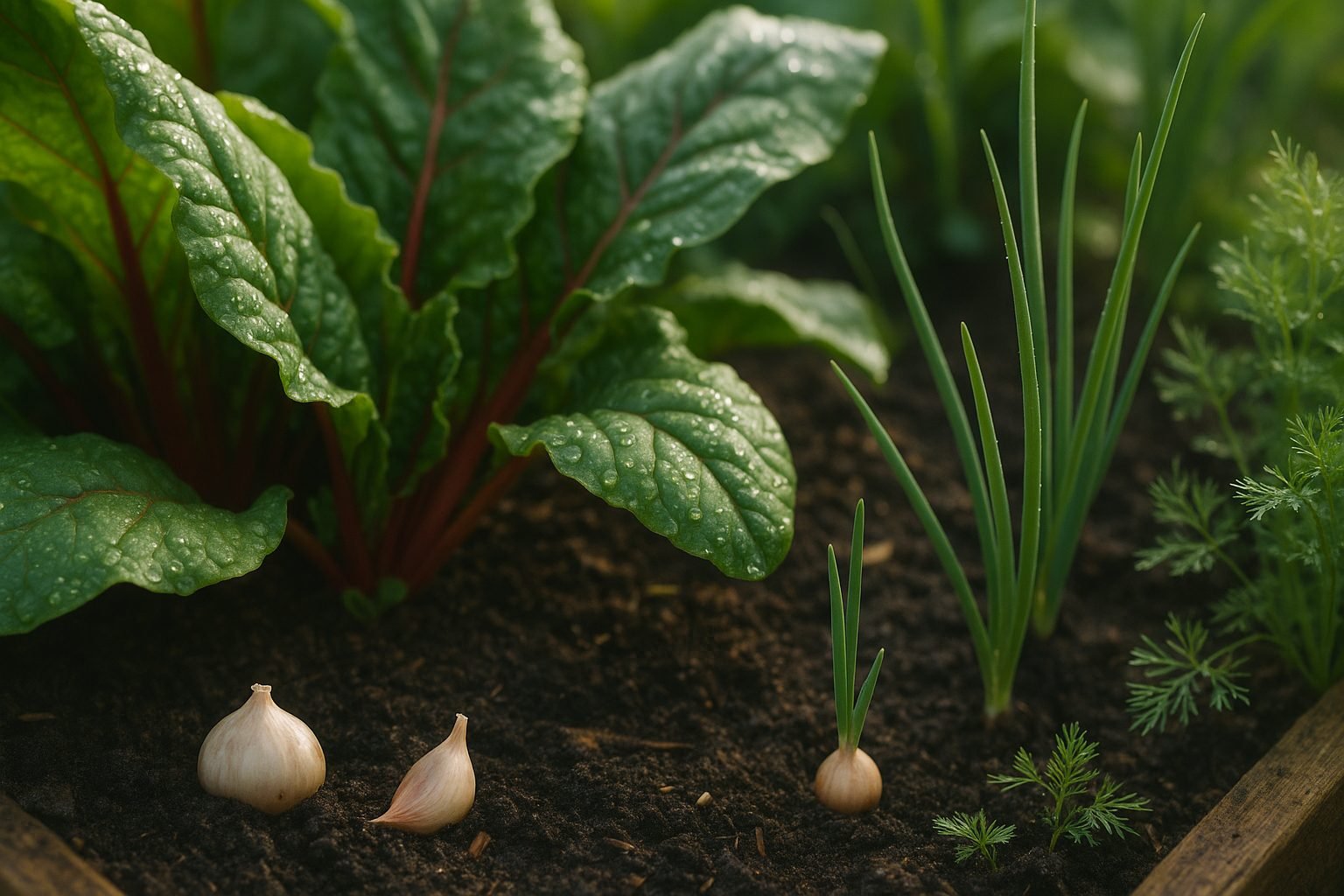
Companion planting is more than just a garden trend—it’s rooted in the science of plant relationships and centuries of traditional gardening. By placing different crops together, gardeners can create natural alliances that boost growth, deter pests, and even improve flavors.
When it comes to Swiss chard, this leafy green is a fantastic team player. Swiss chard naturally repels some insect pests thanks to its unique aroma, helping to shield sensitive neighboring plants like beans or brassicas from unwanted visitors. In turn, companion plants such as onions, garlic, and herbs like dill help keep aphids and leaf miners away from your Swiss chard beds.
Beyond pest control, Swiss chard’s large leaves create gentle shade that preserves soil moisture and helps cool the roots of nearby plants—especially useful during heatwaves.
Traditionally, companion planting has been used worldwide to boost yields and reduce the need for chemical fertilizers or sprays, making it a smart, eco-friendly choice for modern gardeners. For example, planting Swiss chard with marigolds not only adds color but invites pollinators and wards off nematodes, creating a healthier, more productive patch without extra effort.
Whether you’re after better harvests or simply want to garden more naturally, Swiss chard has a lot to offer as a companion plant.
Best Companion Plants for Swiss Chard
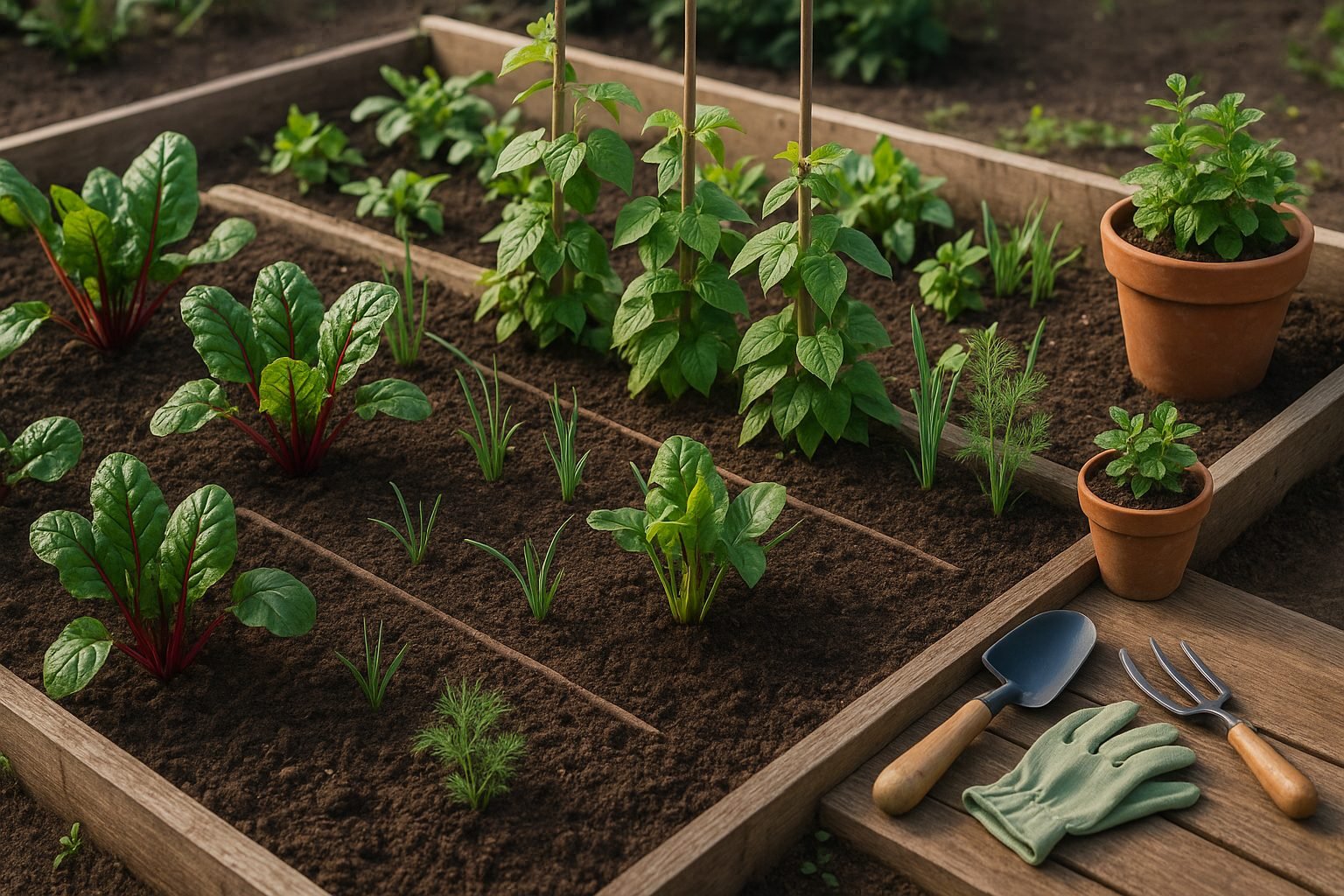
Swiss chard thrives when paired with certain companion plants that boost its growth and protect it from common threats. Onions and garlic are standout companions, as their strong scent naturally repels pests like aphids and leaf miners that often target leafy greens. Tucking a row of garlic or scattering onion bulbs between your chard plants can build a simple protective barrier in both raised beds and traditional home gardens.
Beans, on the other hand, enrich the soil by fixing nitrogen—an essential nutrient that benefits Swiss chard and encourages lush, leafy growth. Try planting bush beans along the borders of your chard patch for a mutually supportive arrangement.
Members of the cabbage family, such as broccoli and kale, coexist well alongside chard since they share similar light and water needs. Grouping them together can simplify garden maintenance and crop rotations.
For organic pest control, aromatic herbs like dill and mint work wonders; their strong scents mask the smell of Swiss chard, confusing insect pests and reducing infestations. Just be sure to plant mint in pots or confined areas to keep it from overtaking your garden.
In a typical raised bed, you might plant chard down the center, interspersed with short rows of onions, with dill sprigs along the sides and beans in the corners to maximize space and benefits. In a backyard garden, alternating Swiss chard with cabbage family crops or border plantings of garlic and mint can create a harmonious and productive vegetable patch.
Using these specific plant combinations helps keep Swiss chard healthier and more productive without needing harsh chemicals, making your garden both beautiful and sustainable.
What NOT to Plant with Swiss Chard
When planning your vegetable garden, it’s important to keep Swiss chard away from certain plants that can hinder its growth. Spinach is one to avoid—though related to Swiss chard, it competes for many of the same nutrients in the soil, leaving both crops weaker and more susceptible to pests and disease.
Similarly, potatoes can cause trouble because both Swiss chard and potatoes are vulnerable to similar fungal diseases like blight, increasing the risk of an outbreak if grown near each other.
Corn, while much taller, can also be a poor neighbor for Swiss chard since it casts heavy shade and hogs nutrients from shallow soil layers, potentially stunting chard’s leafy growth.
As a simple rule of thumb, avoid planting Swiss chard with other heavy feeders or relatives in the beet family, and steer clear of crops that either overshadow or attract the same diseases and pests.
By keeping spinach, potatoes, and corn at a distance, you’ll give your Swiss chard plenty of room and resources to thrive.
Tips for Planning Your Swiss Chard Garden
When planning your Swiss chard garden, thoughtful arrangement and companion planting can make a big difference. Pair Swiss chard with neighbors like onions, beans, or lettuce, which help deter pests and don’t compete for the same nutrients.
Aim for at least 6-12 inches between Swiss chard plants; this spacing keeps air circulating and gives each plant room to spread, reducing the risk of disease. Swiss chard loves full sun but will tolerate some shade, so try to position it where it receives at least 4-6 hours of sunlight a day.
For effective crop rotation, avoid placing Swiss chard where other leafy greens, like spinach or beets, were previously grown—this helps prevent soil-borne diseases and nutrient depletion.
In small or container gardens, Swiss chard thrives in deep pots (at least 8 inches) and grows well among compact herbs like basil or calendula. You can even tuck a few Swiss chard plants into ornamental beds for a pop of color and easy access.
Remember to water evenly, as Swiss chard prefers consistently moist soil, and check weekly for overcrowding or pests to keep your harvest healthy and productive all season.
Crop Rotation & Seasonal Planning
Practicing crop rotation with Swiss chard not only keeps your soil healthy but also helps prevent common pests and diseases. When Swiss chard is grown in the same spot year after year, pests like leaf miners and soilborne diseases can build up, reducing the plant’s vigor and yield.
By rotating Swiss chard with other plant families—such as legumes (beans or peas) and members of the nightshade family (tomatoes or potatoes)—you break pest and disease cycles while replenishing soil nutrients. For example, you might grow Swiss chard in a bed one season, follow with bush beans (which fix nitrogen), and then plant carrots or tomatoes the next year. This sequence gives pests fewer chances to overwinter and improves overall soil balance.
As seasons change, adjust your companion planting:
- In spring, pair Swiss chard with fast-growing radishes or lettuce.
- In summer, try shade-tolerant herbs like parsley or dill to maximize space and boost beneficial insect activity.
Rotating and varying your plant companions throughout the year not only brings better harvests but also reduces the need for chemical interventions, keeping your garden vibrant and sustainable.
Conclusion
To sum up, pairing Swiss chard with companions like onions, beans, and cabbage can boost its growth, while it’s best to steer clear of planting near potatoes or pole beans. Companion planting is a straightforward way to make your garden healthier and more productive—plus, experimenting often leads to new discoveries.
Give it a try and see what works best in your space! If you have your own tips or questions, drop them in the comments below. And don’t forget to grab our free, handy companion planting chart to make planning your garden even easier.