Introduction
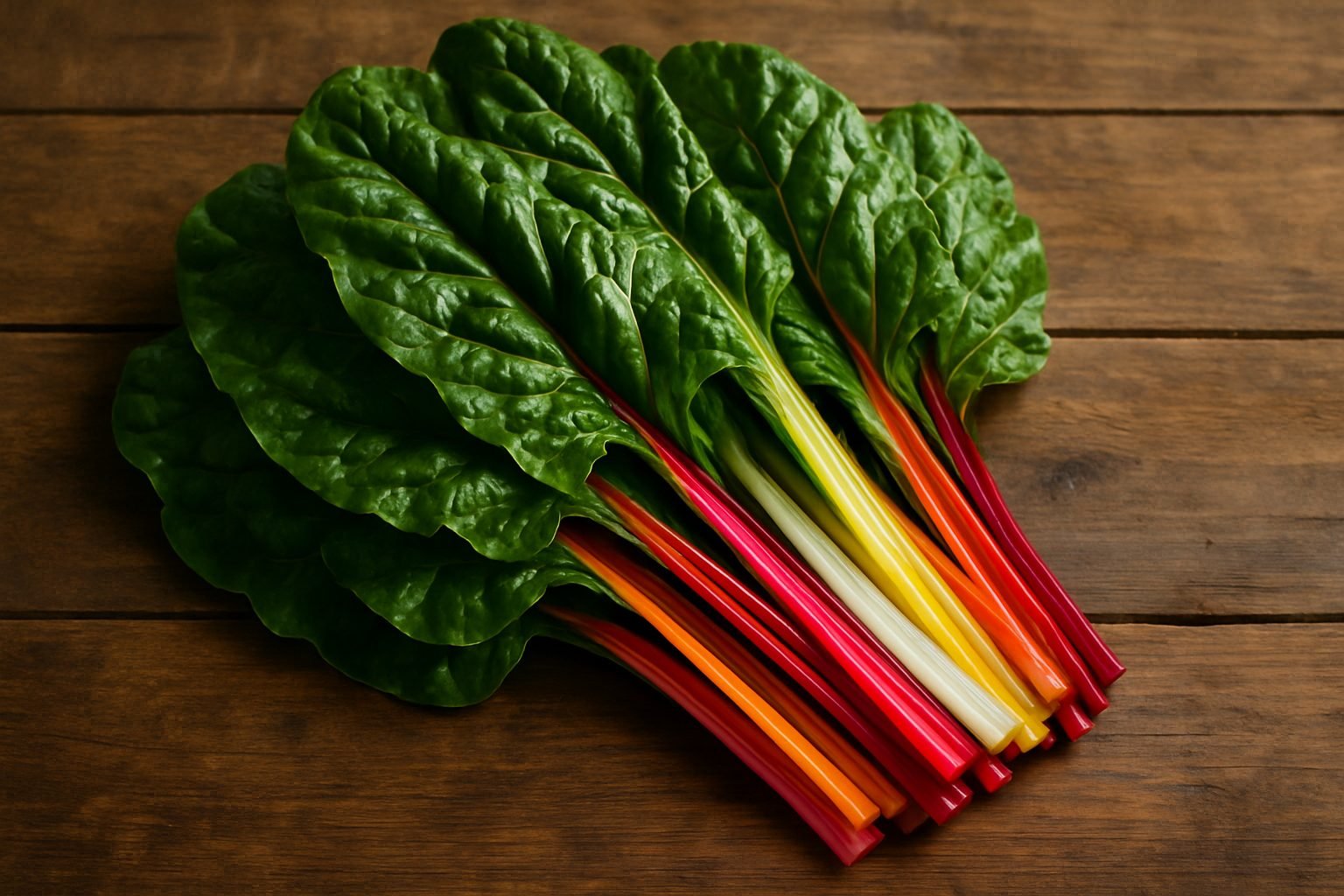
If you’ve spotted vibrant bundles of Swiss chard at your local market, you might be wondering, “Are raw swiss chard leaves safe—and tasty—to eat?” Swiss chard is a nutritional powerhouse, loved by chefs and home cooks alike for its bold colors and versatility. Packed with vitamins A, C, and K, minerals like magnesium, and plenty of fiber, it’s often used in sautés, frittatas, and hearty soups. But raw swiss chard leaves can seem a bit intimidating to eat straight from the bunch.
In this post, we’ll explore whether you can—and should—enjoy Swiss chard leaves raw, along with important safety considerations. You’ll also discover how the flavor of raw chard compares to cooked greens and get practical tips for preparing it in salads, wraps, and even smoothies. Whether you’re planning a crisp salad or want to boost your next green juice, learning how to use raw chard will help you maximize this super-green’s nutrition and flavor while keeping your meals fresh and exciting.
What Is Swiss Chard?
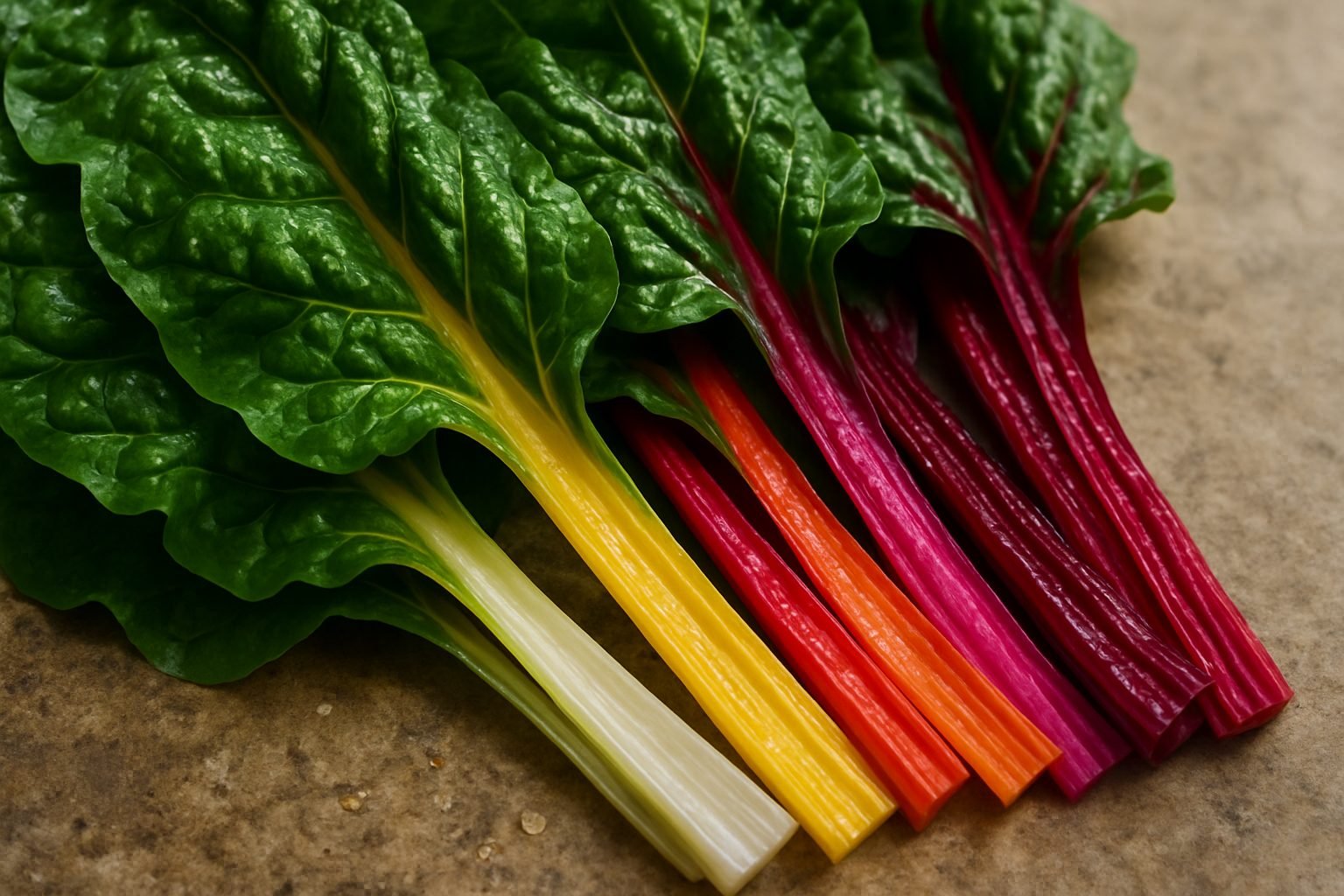
Swiss chard is a vibrant leafy green that stands out in any produce aisle, thanks to its large, crinkled leaves and thick stems in a rainbow of colors, including white, yellow, orange, pink, and deep red. While the bright stems catch your eye, it’s the tender, glossy green leaves that are most often enjoyed raw or cooked.
Swiss chard has a mild, earthy flavor with a slight bitterness—more delicate than kale but stronger and more robust than spinach. Common varieties include ‘Bright Lights,’ known for its multi-colored stems; ‘Fordhook Giant,’ with wide, dark green leaves; and ‘Ruby Red’ or ‘Rhubarb’ chard, famous for vivid scarlet stalks.
Compared to spinach, Swiss chard is less sweet and more textured. Compared to kale, it’s less tough and easier to enjoy raw. This makes raw Swiss chard leaves an appealing addition to fresh salads when you want some crunch and color without the overpowering earthiness of kale.
When cooked, Swiss chard becomes even milder and the leaves wilt nicely, similar to spinach, making it a staple in sautés, quiches, and soups. Its versatility—both raw and cooked—along with its striking appearance, make Swiss chard a favorite for those looking to add nutrition and visual appeal to their meals.
If you’re new to raw Swiss chard leaves, try slicing them into ribbons and mixing with other greens for a colorful salad, or use the sturdier leaves as a wrap alternative.
Are Swiss Chard Leaves Safe to Eat Raw?
Raw swiss chard leaves are safe to eat for most people, and many enjoy adding them fresh to salads, wraps, or smoothies for a nutrient boost. However, there are a few things to consider before making raw swiss chard a regular part of your meals.
First, swiss chard—like spinach and beet greens—naturally contains oxalates. These compounds, when consumed in large amounts, can contribute to kidney stone formation in susceptible individuals. For most healthy adults, moderate consumption is not a concern, but if you have a history of kidney stones or are at risk, you might want to limit your intake of high-oxalate greens, including raw swiss chard leaves.
Another factor is the texture and flavor. Raw swiss chard leaves are thicker and chewier than lettuce, with a mild to slightly earthy taste and a hint of bitterness, especially in mature leaves. Young chard leaves are more tender and milder, making them a great choice for raw dishes. If the leaves feel tough, try chopping them finely or massaging them briefly with a bit of olive oil to soften them.
Nutritionally, swiss chard is a powerhouse, packed with vitamins A, C, and K, along with magnesium, iron, and fiber. Eating swiss chard leaves raw helps preserve these heat-sensitive nutrients. Just be sure to wash them thoroughly to remove any dirt or bacteria.
By keeping these tips in mind, you can safely and deliciously enjoy raw swiss chard leaves as part of a balanced diet.
Nutritional Benefits of Raw Swiss Chard Leaves
Raw swiss chard leaves are a nutrient powerhouse, especially beneficial when eaten in their natural, uncooked state. One major advantage of consuming raw swiss chard leaves is the preservation of delicate vitamins and minerals that can break down with heat. For example, vitamin C—a potent antioxidant essential for immune health and vibrant skin—is highly sensitive to heat and is best absorbed from raw vegetables. Similarly, vitamin A, found in the form of beta-carotene, stays more intact in fresh chard, supporting healthy vision and skin.
Raw swiss chard is also an excellent source of magnesium and potassium, minerals vital for normal muscle function and cardiovascular health, which can be lost during boiling or steaming. Another important nutrient present is vitamin K, crucial for bone health and blood clotting, which remains stable in raw leaves.
For those following vegan, vegetarian, or Mediterranean diets, adding raw swiss chard is an easy way to boost nutrition—these diets emphasize fresh produce and plant-based sources, and raw swiss chard fits right in. It makes salads and wraps more colorful and nutritious. Plus, eating more raw leafy greens has been linked to better heart health, reduced inflammation, and improved digestion thanks to their high fiber content.
To get the most from swiss chard, try mixing raw leaves into salads, blending them into green smoothies, or rolling them up with hummus for a crisp, satisfying wrap. Eating swiss chard raw helps your body absorb the full range of its nutrients, making it a smart choice for anyone looking to increase their intake of vitamins, minerals, and antioxidants through diet.
Flavor and Texture: What to Expect When Eating Raw Swiss Chard Leaves
Raw Swiss chard leaves often surprise first-timers with their mild yet slightly earthy flavor, similar to spinach but with a subtle beet-like undertone. Their texture is crisp and tender, especially when you choose young leaves, which are the most enjoyable to eat raw.
Young Swiss chard leaves have a delicate, almost velvety bite with a gentle, sweet flavor and minimal bitterness, making them perfect for tossing into salads or using as a lettuce alternative in wraps. Mature leaves, however, are thicker, more fibrous, and can be tougher, with a stronger earthy taste and occasional peppery hint.
If you prefer a brighter, crunchier texture and milder flavor, always opt for the smallest leaves at the grocery store or farmer’s market. Raw Swiss chard’s sturdy yet flexible structure holds up well in wraps and spring rolls, adding a nutritional boost when blended into smoothies.
Many fans appreciate raw Swiss chard leaves for their freshness and ability to hold vibrant dressings or dips without wilting quickly, making them a standout option for create-your-own salad bars or as a creative, low-carb wrap choice. If you enjoy raw greens for their lively texture and flavor, Swiss chard is definitely worth trying raw.
How to Prepare and Eat Swiss Chard Leaves Raw
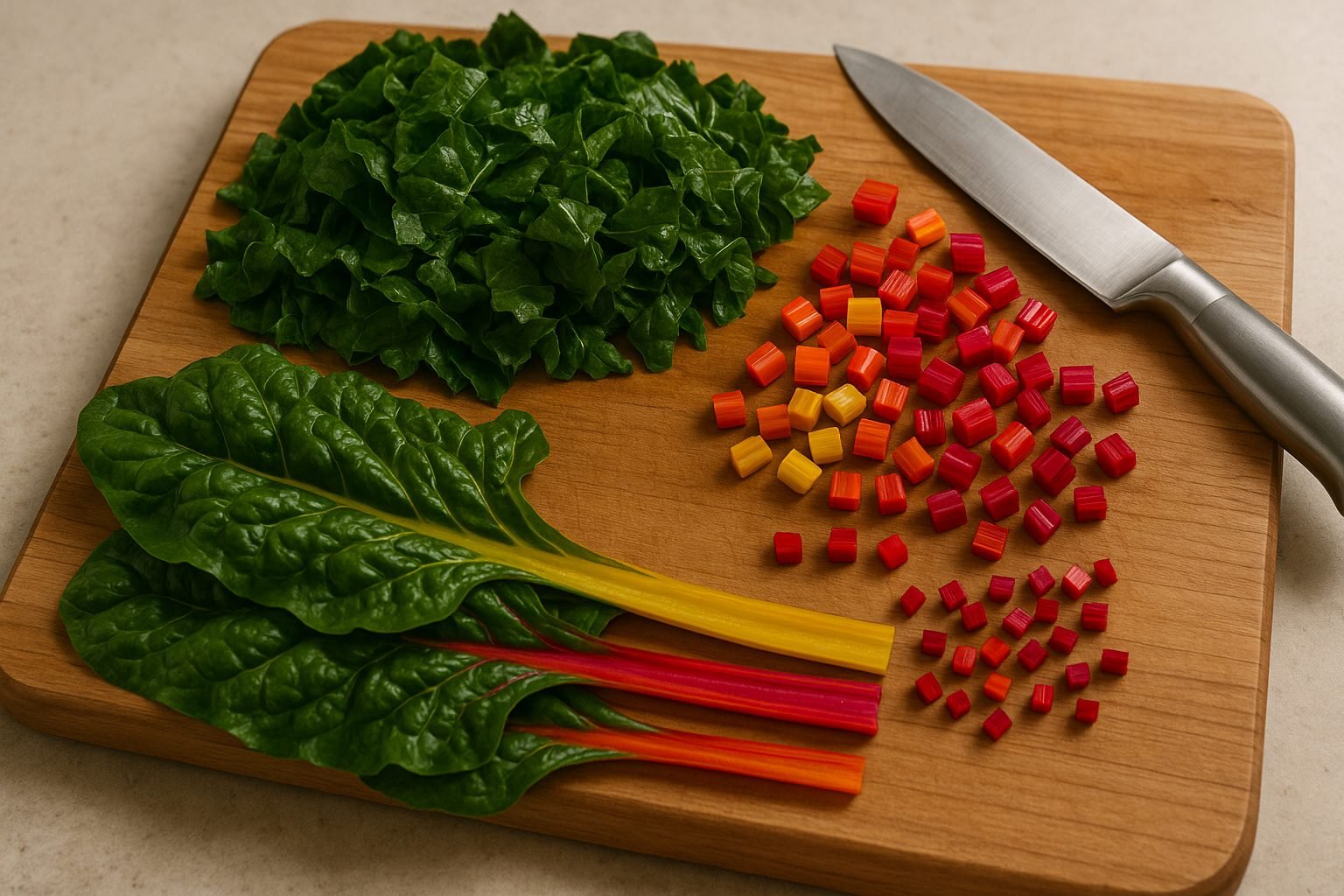
To get the best flavor and texture from raw swiss chard leaves, start by choosing bunches with vibrant, crisp leaves that show no signs of wilting or brown spots. Smaller, younger leaves tend to be less bitter and more tender. Once home, separate the leaves from the thick stems and rinse them thoroughly under running water to remove any dirt or grit. If you find particularly tough ribs running through the center of the leaves, carefully slice or tear them out. While the stems are edible, they can be quite fibrous and bitter when raw, so save them for cooked dishes if you prefer.
To further reduce bitterness and soften the leaves, stack several leaves, roll them up tightly, and slice into thin ribbons. Then, gently massage the ribbons with your hands for a minute or two. This simple step breaks down the leaf fibers, making the chard more palatable and less intense. Pairing swiss chard with tangy dressings—like lemon juice or a light vinaigrette—also helps mellow its flavor.
You can enjoy raw swiss chard leaves in many ways:
- For a quick salad, toss massaged swiss chard ribbons with sliced apples, toasted walnuts, and a honey-mustard vinaigrette for a sweet-and-savory combo that balances the greens’ earthiness.
- If smoothies are more your style, add a handful of raw chard (stems removed) to your blender along with banana, pineapple, and a splash of coconut water for a nutrient-packed breakfast that masks any bitter notes.
- For lunch, use large chard leaves as a wrap: layer them with hummus, shredded carrots, and sliced bell peppers, then roll them up for a refreshing, crunchy alternative to tortillas.
With a little preparation and the right pairings, raw swiss chard leaves become a vibrant, versatile addition to your meals.
Potential Downsides and Precautions
While raw swiss chard leaves are generally safe and nutritious for most people, there are a few potential downsides to consider. One major concern is the oxalate content in swiss chard. Oxalates are natural compounds that, when consumed in large amounts, can increase the risk of kidney stone formation for those who are prone to them. If you have a history of kidney stones or your doctor recommends a low-oxalate diet, it’s best to limit your raw swiss chard leaves intake or alternate them with other leafy greens lower in oxalates, such as romaine or butter lettuce.
Additionally, some people may experience mild digestive discomfort, like bloating or gas, after eating raw swiss chard leaves—especially if they aren’t used to eating a lot of raw vegetables. To reduce this risk, start by introducing small amounts and observe how your body reacts. Washing the leaves thoroughly and removing tougher stems can also help make them easier to digest.
Ultimately, moderation is key. Enjoy raw swiss chard leaves as part of a varied diet and pay attention to how your body responds, particularly if you have any underlying health concerns.
Conclusion
Raw Swiss chard leaves are not only safe to eat but also packed with vitamins, minerals, and antioxidants—all without cooking. Their mild, slightly earthy flavor makes them a versatile addition to salads, wraps, and smoothies. Just be sure to wash them thoroughly and consider removing the thick stems for a better texture. Whether you want to boost your daily greens or add variety to your salads, raw Swiss chard leaves are a delicious and healthy choice. Feel free to leave a comment or question below if you’d like more tips or want to share your experiences!