Introduction
Storing sweet potatoes correctly isn’t just about keeping them on your kitchen counter for a couple of weeks; it’s crucial for preserving their freshness, rich flavor, and valuable nutrients over the long term. Sweet potatoes are packed with vitamins, fiber, and natural sweetness, but improper storage can quickly lead to sprouting, spoilage, or a loss of those essential nutrients.
Many people make the mistake of refrigerating sweet potatoes, which actually causes their flesh to become hard and alters the taste. Others might wash them before storage, inviting mold and rot. Neglecting airflow or placing them in humid conditions are other common errors that can dramatically shorten their shelf life.
In this guide, you’ll discover the best practices for storing sweet potatoes so they stay delicious and nutrient-rich for months. We’ll break down key techniques, from curing freshly harvested tubers to maximizing their lifespan in a cool, dark pantry, and even explore alternative options like root cellaring and freezing for ultra-long-term storage.
Whether you buy sweet potatoes in bulk or harvest from your own garden, you’ll come away with practical, easy-to-follow tips to ensure every sweet potato you store remains fresh and ready for your favorite recipes.
How to Choose the Best Sweet Potatoes for Storage
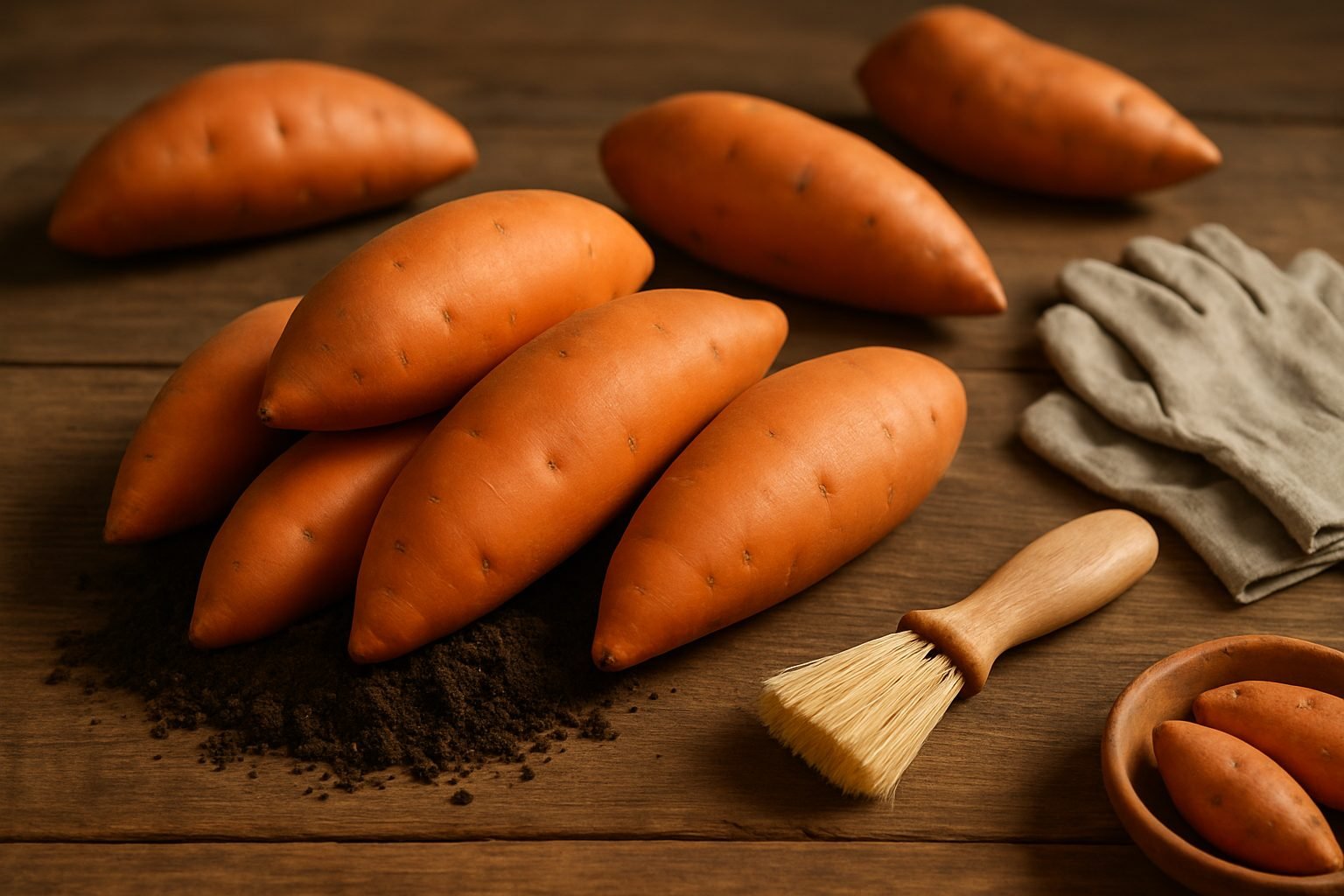
Choosing the best sweet potatoes for storage starts right at the store or market, and a little extra attention here pays off in the long run. Look for sweet potatoes that feel firm and heavy in your hand, with smooth skins free from blemishes, cuts, or soft spots.
Avoid any that show signs of bruising, shriveling, or sprouting, since these issues can rapidly lead to spoilage once you bring them home. Sometimes sweet potatoes at the bottom of a bin can get dinged or scratched during handling—select ones from the top or sides if possible, and double-check before you leave.
Remember, imperfections like cracks and bruises invite mold and rot, which will spread and ruin even good potatoes stored nearby. By choosing only the healthiest, undamaged tubers, you set yourself up for success—these sweet potatoes can last for weeks or even months in proper storage conditions.
Taking a few extra moments to inspect each potato now means less waste and more delicious meals later.
Preparing Sweet Potatoes for Storage
When getting sweet potatoes ready for storage, it’s best not to wash them first—moisture left on the skin can encourage mold and rot, which shortens their shelf life. Instead, gently brush off any loose dirt using your hands or a soft brush, being careful not to bruise or break the thin skin.
Once your sweet potatoes are dirt-free, consider curing them, especially if you plan to store them for more than a couple of weeks. Curing is the process of allowing sweet potatoes to rest in a warm (around 80–85°F), humid environment for 7–10 days. This helps heal any small cuts or scratches and converts starches to sugars, making the sweet potatoes taste sweeter and last longer.
You can cure sweet potatoes at home by placing them in a single layer in a warm spot with good air circulation, such as a covered porch or a spare room with a space heater and shallow trays of water for humidity.
After curing, move the sweet potatoes to a cool, dry place (ideally 55–60°F) and keep them unwashed until just before eating. Following these steps will help your sweet potatoes stay fresh and delicious for months.
Where to Store Sweet Potatoes: Pantry, Cellar, and Other Options
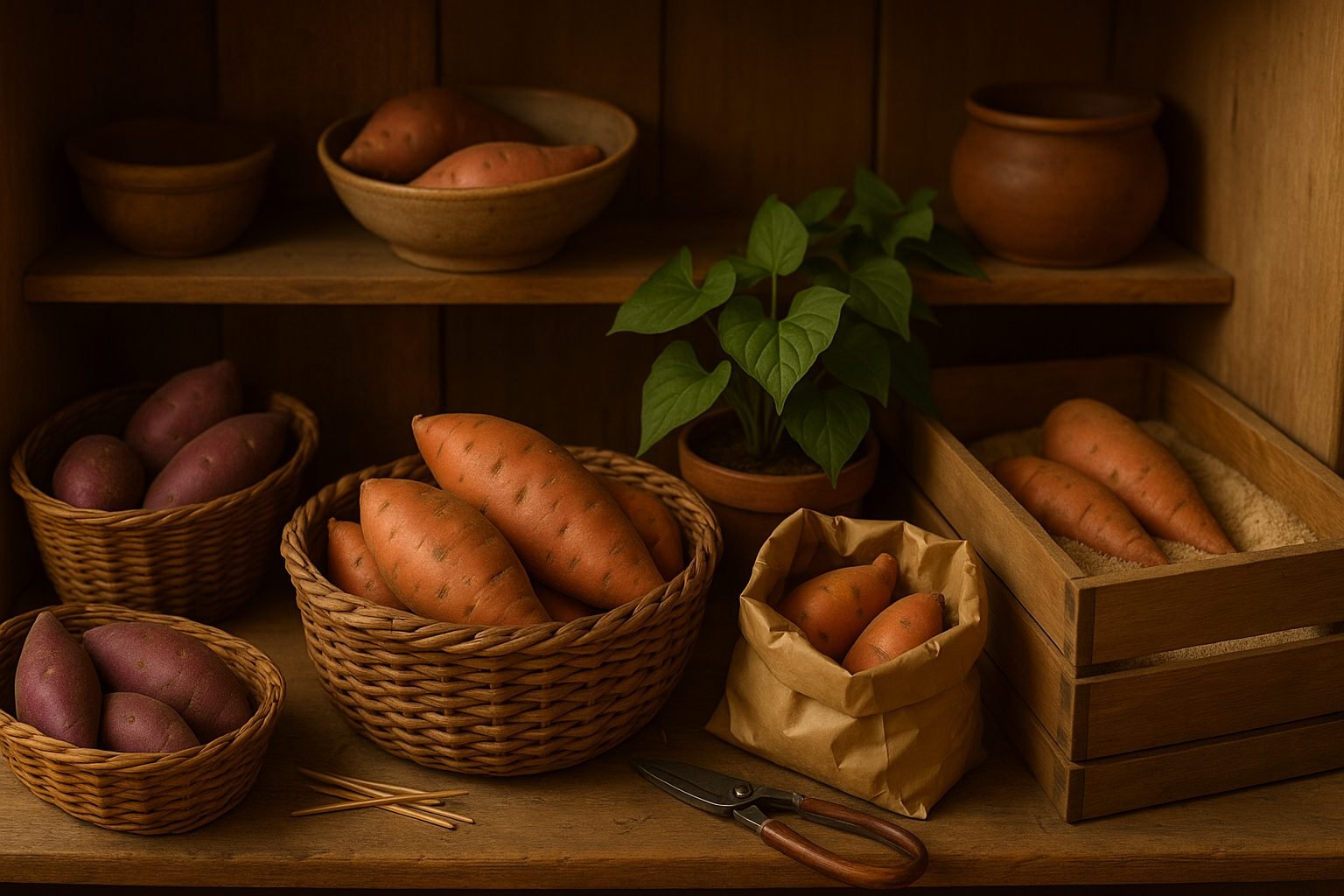
To keep your fresh sweet potatoes at their best, store them in a place where the temperature stays between 55°F and 60°F with moderate humidity—think a bit cooler than your average room but not as cold as the fridge. This sweet spot prevents sprouting and shriveling while keeping the flesh firm and delicious.
Refrigerating sweet potatoes is a no-go; the cold temps in your fridge actually convert some of their starches into sugars, which can leave you with hard, unpleasant centers and off-putting flavors when cooked. Instead, your pantry, cellar, or any dark, well-ventilated spot is the perfect home for them.
Avoid plastic bags or containers that trap moisture and encourage mold; a paper bag or basket allows air to circulate and keeps the tubers dry. If you’re running out of space, find a cupboard away from heat sources or direct sunlight.
When storing sweet potatoes, keep them away from produce like onions, which emit gases that can hasten spoilage. It’s fine to store them near other root vegetables like carrots or beets, but always check them regularly—one bad potato can cause the rest to spoil quickly.
By following these simple steps, your sweet potatoes can last several weeks, staying fresh and ready for your favorite recipes.
Freezing Sweet Potatoes: Methods and Tips
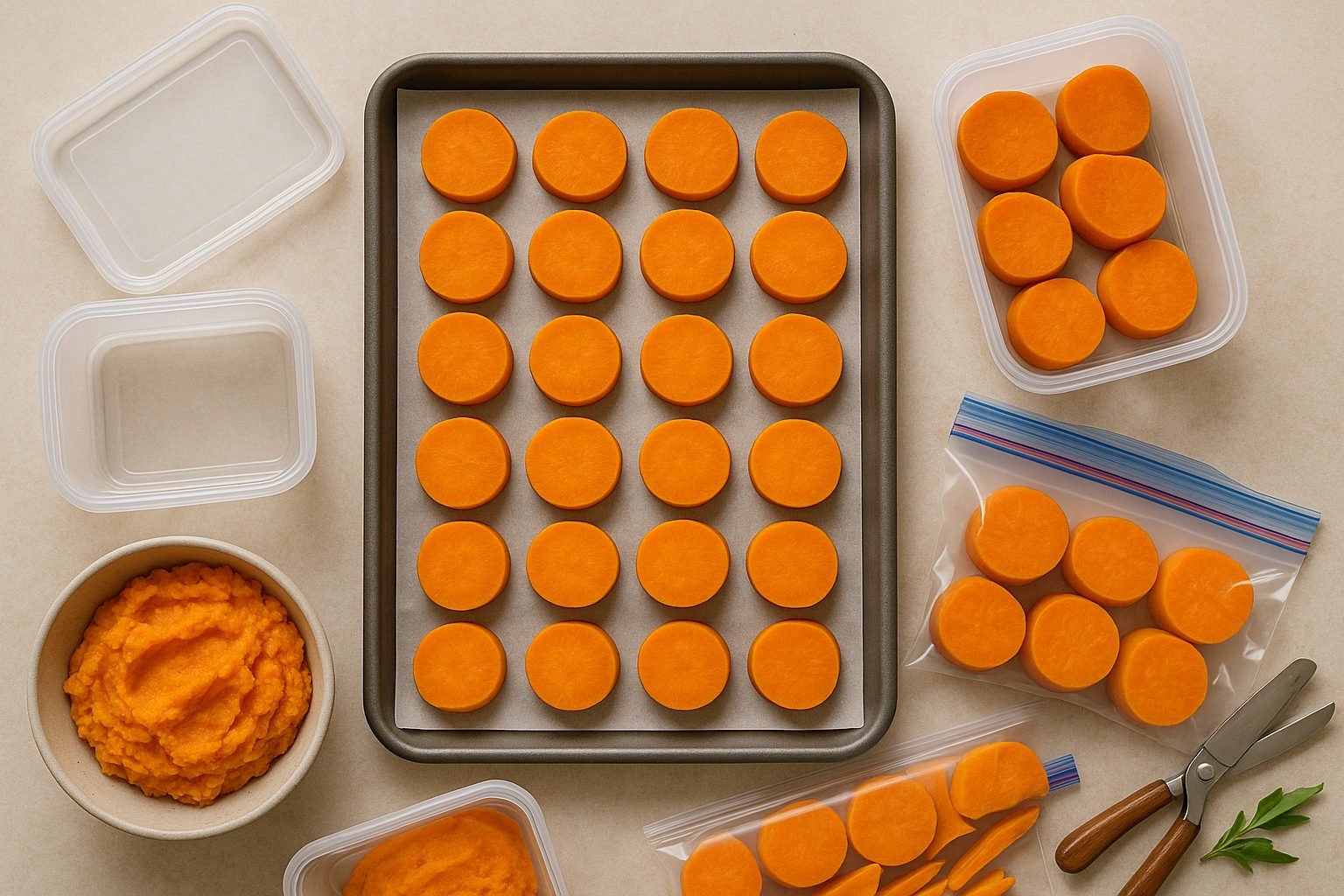
Freezing sweet potatoes is a great way to preserve their natural sweetness and nutrition for months, but it’s important to avoid freezing them raw. Raw sweet potatoes can become mushy, grainy, or develop an off flavor once thawed due to their high water content and enzyme activity.
Cooking—whether by baking, boiling, or mashing—stops these enzymes, locks in flavor, and prevents texture deterioration.
How to Freeze Sweet Potatoes
Here are some methods to prepare sweet potatoes for freezing:
- Baked Sweet Potatoes: Let them cool completely, then wrap each potato tightly in foil before sealing in a freezer-safe bag.
- Boiled Sweet Potatoes: Peel and slice after cooking. Spread the slices in a single layer on a baking sheet to freeze individually for a few hours, then transfer to airtight containers.
- Mashed Sweet Potatoes: Allow to cool before portioning into freezer-safe containers, leaving a little space at the top for expansion.
Storage Tips
The best storage containers include heavy-duty freezer bags with the air pressed out, rigid plastic containers with tight lids, or glass containers designed for freezing. These options prevent freezer burn and keep out odors.
Always add a label with the date and method used (e.g., “Baked, Mar 2024”) so you can use the oldest first and avoid guesswork.
Thawing and Using Frozen Sweet Potatoes
For easy thawing, portion the sweet potatoes into meal-sized servings before freezing. This way, you’ll have perfectly textured, delicious sweet potatoes ready to enjoy in soups, casseroles, or weeknight dinners whenever you need them.
Alternative Storage Methods: Canning, Dehydrating, and Sand Storage
When it comes to storing sweet potatoes beyond just a few weeks, alternative methods like canning, dehydrating, and sand storage can help you enjoy your harvest for months.
Canning
Canning is a reliable option if you want shelf-stable sweet potatoes year-round. Simply peel and cut the potatoes into chunks, then process them in a pressure canner—never use a water bath canner, since sweet potatoes are low acid and need higher heat to ensure safety. Always follow an up-to-date canning guide to avoid risks like botulism.
Dehydrating
Dehydrating sweet potatoes is another easy method. Slice the potatoes thin, blanch them briefly to lock in color and nutrients, then lay the slices flat in a dehydrator or a very low oven until they are dry and leathery. Store these in airtight jars or bags for convenient, healthy chips or ingredients for soups and stews.
Sand Storage
For those who prefer a more traditional approach, consider sand storage. Store unwashed, cured sweet potatoes in boxes or bins filled with dry sand, making sure the potatoes don’t touch each other. Keep them in a cool, dark place like a basement—the sand helps prevent shriveling and rot, sometimes extending freshness for several months.
These methods make it easy to keep sweet potatoes on hand no matter the season.
How Long Do Sweet Potatoes Last? Shelf Life and Signs of Spoilage
Sweet potatoes can last anywhere from a week up to a year, depending on how you store them. In a cool, dark pantry, uncut sweet potatoes typically stay fresh for 1-2 weeks. If you refrigerate cooked sweet potatoes, they’ll last about 3-5 days, while freezing cooked sweet potatoes extends their shelf life to around 10-12 months. Canned sweet potatoes are convenient and can remain good for up to a year if unopened and stored in a dry place.
Keep an eye out for signs of spoilage, such as mushy spots, shriveled skin, or a sour or musty smell—these mean it’s time to toss them. Discoloration, mold, or leaking liquid are also red flags. If sweet potatoes start to sprout or soften slightly, they’re still safe to eat as long as you cut away the sprouts and any soft spots; just use them soon, as their quality is declining.
Conclusion & Quick Storage Tips Recap
Storing sweet potatoes is simple once you know the basics: keep them in a cool, dark, and well-ventilated place—like a pantry or cellar—rather than the fridge, which can alter their taste and texture. Avoid plastic bags; instead, opt for baskets or paper bags to allow airflow.
If you’ve cut or cooked your sweet potatoes, store them in airtight containers and refrigerate.
Try a few methods to see what fits your kitchen best and notice what keeps them fresher longer.
Have your own tips or storage hacks? Share them in the comments below or ask any questions—we’d love to hear from you!