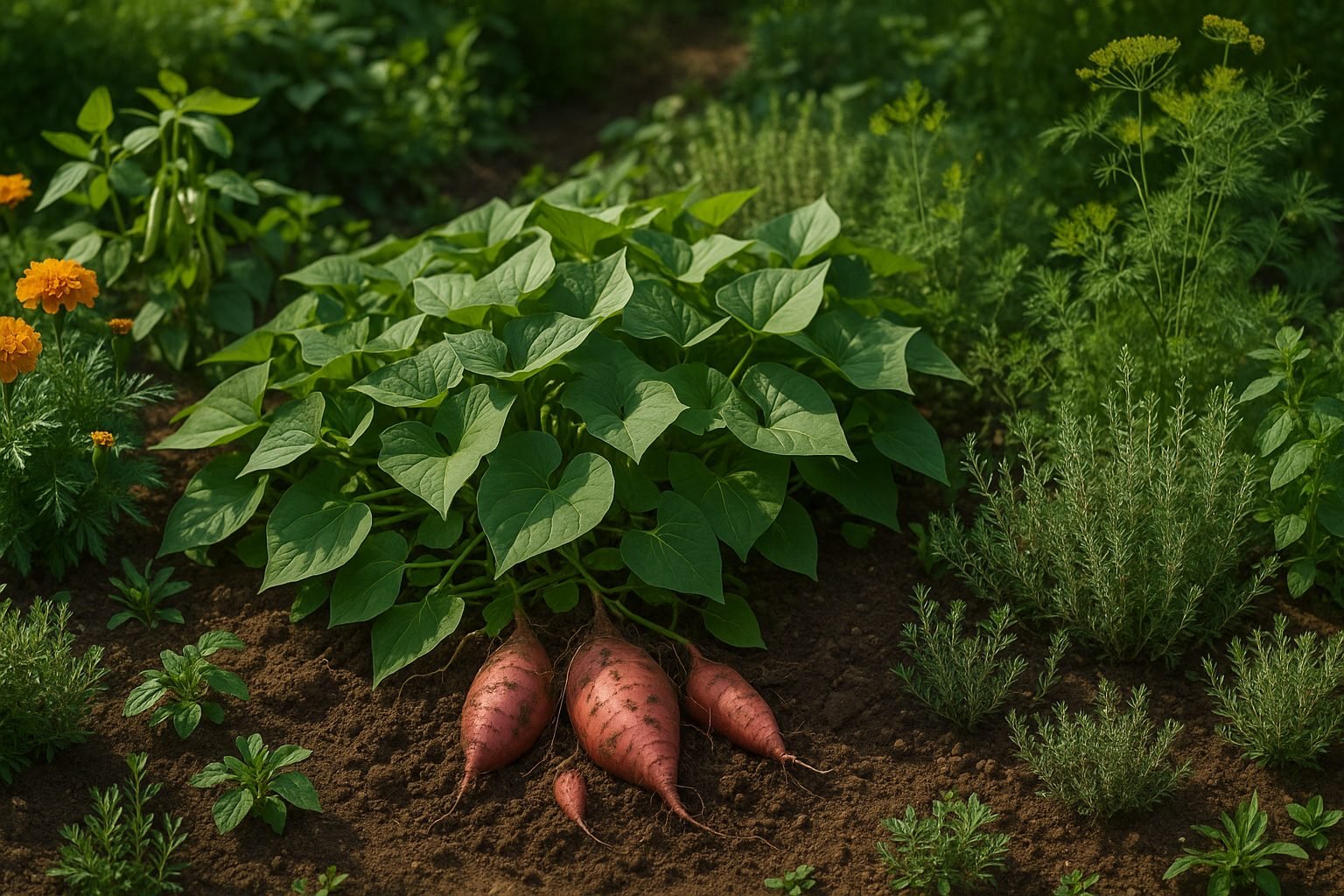
Introduction to Sweet Potato Companion Planting
If you’re planning your garden layout, you might be wondering which crops to avoid near sweet potatoes to ensure a bountiful harvest. Companion planting is the strategic practice of placing certain types of plants together, taking advantage of their natural abilities to help each other grow while safeguarding against pests and diseases. For sweet potatoes, this approach is especially important—they interact uniquely with neighboring plants, making some companions highly beneficial and others problematic. By learning which crops to group together and which to avoid, such as specific root vegetables or fast-spreading plants, you can boost your sweet potatoes’ growth, minimize pest infestations, and maximize garden space with smarter resource sharing.
Beyond just choosing what to avoid near sweet potatoes, companion planting can improve soil quality, retain moisture, and reduce the need for chemical interventions. For example, pairing sweet potatoes with compatible flowering plants can invite helpful pollinators or repel harmful insects, while careful spacing can reduce issues like root competition and stunted vines. In this guide, we’ll walk you through the key principles of sweet potato companion planting, highlight plants that support—or threaten—healthy tuber yields, and share real-world tips for arranging your garden beds for lasting success. Whether you’re a rookie or a seasoned gardener, knowing what not to plant near your sweet potatoes is the first step toward a thriving, balanced garden ecosystem.
Top Benefits of Companion Planting with Sweet Potatoes
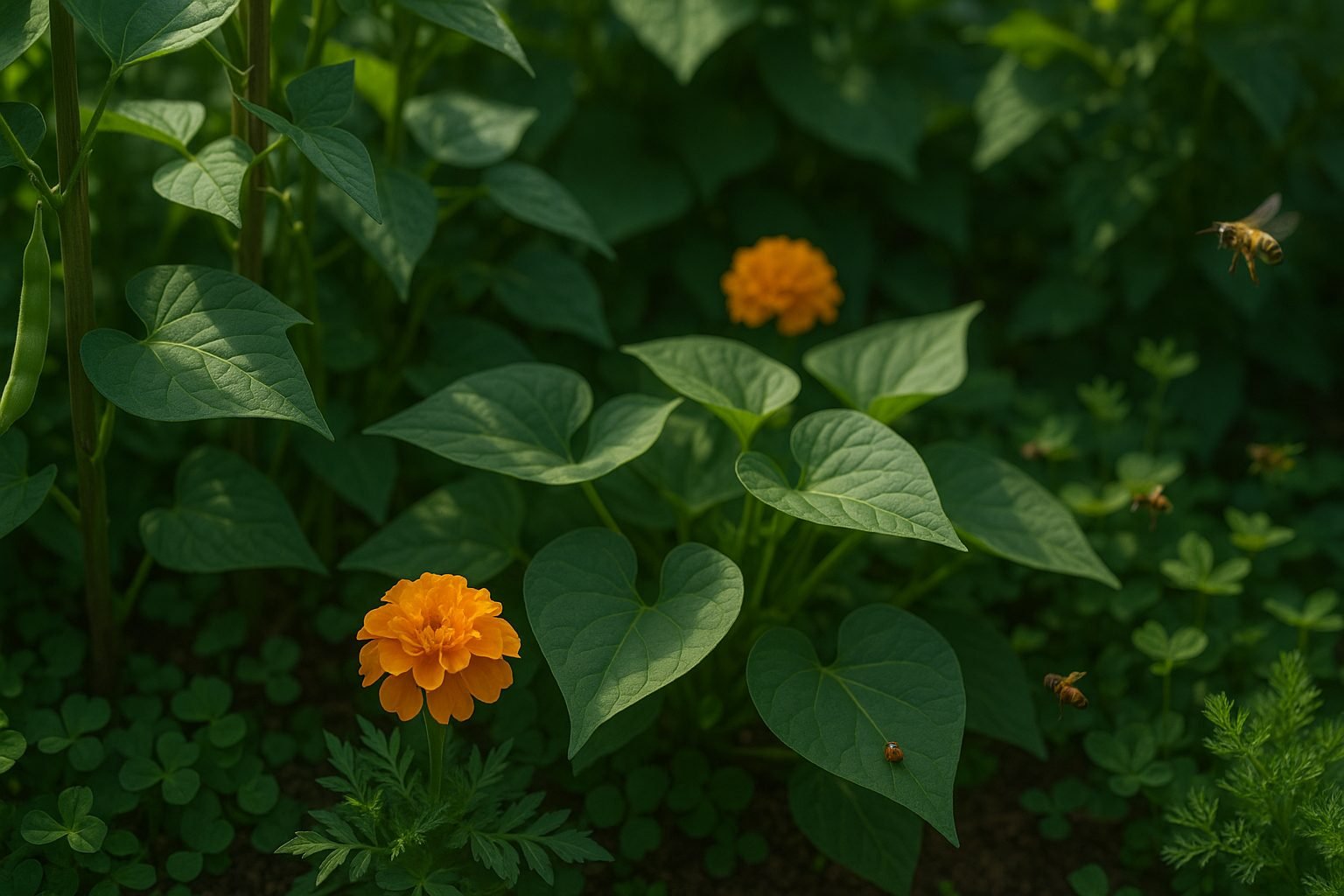
Companion planting with sweet potatoes offers a host of benefits that make your garden both more productive and eco-friendly. One standout advantage is natural pest management—plants like marigold, nasturtium, and bush beans help deter destructive insects such as beetles and aphids, reducing your reliance on chemical pesticides.
Sweet potatoes thrive in loose, well-draining soil, and companion plants like beans or peas fix nitrogen in the soil, directly nourishing sweet potatoes and improving overall soil health. By interplanting, you naturally suppress weeds, as the dense foliage of companions—think spinach or ground covers—blocks sunlight from reaching unwanted invaders. This leads to richer, healthier soil with less need for synthetic weed killers.
Another big win is the potential for increased yields: when sweet potatoes are surrounded by supportive plants, they face less competition from weeds and pests and access more nutrients, allowing them to focus energy on producing bigger and more abundant tubers. Plus, companions like dill or oregano attract pollinators and beneficial insects, creating a well-rounded ecosystem in your garden.
By using this method, you’re not just improving your harvest but also lowering your costs and environmental footprint by relying less on fertilizers and pesticides. Real-world gardeners often see healthier, more resilient sweet potato crops when they pair these roots with the right companions. For instance, one home gardener found that alternating rows of sweet potatoes and bush beans resulted in fuller vines and noticeably larger yields, all without chemical inputs.
With thoughtful companion planting, your sweet potato patch becomes a self-sustaining, flourishing space that truly rewards your efforts season after season.
Best Companion Plants for Sweet Potatoes
Companion planting can give your sweet potatoes a leg up in the garden, helping them thrive naturally by pairing them with supportive neighbors. For example, alliums such as onions, garlic, and chives deter root-eating pests like wireworms and nematodes, making them excellent border plants for your sweet potato beds—just be sure to plant them a few inches away from the main roots to avoid crowding.
Legumes like beans and peas are another smart pairing: these plants naturally fix nitrogen in the soil, supplying sweet potatoes with a vital nutrient for robust growth. Scatter bush beans around your patch, but avoid tall climbing types that might shade the sprawling vines.
Marigolds and sweet alyssum are popular for attracting beneficial insects and repelling aphids and beetles; try interspersing them throughout your plot for a blanket of protection and pollinator appeal.
For aromatic pest control, herbs like dill, thyme, and summer savory are wonderful—they deter destructive insects with their strong scents while helping to attract predatory wasps and other allies.
Yarrow, with its feathery leaves and clusters of tiny blooms, acts as a dynamic insect magnet and ground cover, conserving moisture and suppressing weeds in your sweet potato rows.
Clover is a classic living mulch: sow it in between mounds to keep soil cool, increase nitrogen, and reduce erosion.
If you want to maximize space, try growing carrots or beets along the edges—since they occupy different soil layers, they won’t compete directly for nutrients, and the root vegetables help loosen soil for better sweet potato tuber development.
When planning your companion planting layout, focus on mixing these allies at the margins and between mounds rather than directly on top, keeping a few inches of space for vine spread and airflow. Rotate companion crops each season if possible, and pay attention to sun requirements—herbs and flowers thrive on the perimeter, while legumes and clover work well as low ground cover.
With the right mix, you’ll naturally boost yields, reduce pests, and enjoy a diverse, beautiful garden ecosystem.
Companion Plants to Avoid with Sweet Potatoes
While companion planting can boost your sweet potato harvest, it’s crucial to know which plants to keep at a distance. Members of the squash family—like pumpkins and cucumbers—often compete with sweet potatoes for space and nutrients, resulting in smaller yields for both crops.
Sunflowers, though attractive, release allelopathic chemicals that can inhibit sweet potato growth, making them poor neighbors. Similarly, avoid planting tomatoes and other nightshades (peppers, eggplant), as they share susceptibility to pests and blights like root rot and whiteflies, increasing disease risk in your plot.
Morning glories are another problematic companion. Being closely related to sweet potatoes, they can harbor the same pests, compounding problems.
When garden space is tight, opt for vertical solutions—try trellising beans, which actually fix nitrogen in the soil and can benefit sweet potatoes when grown nearby but not intermingled. You can also interplant aromatic herbs like dill or oregano to help deter pests without crowding your tubers.
Mulching and regular crop rotation can also help minimize competition and disease, ensuring your sweet potatoes thrive even in smaller gardens. By steering clear of these “bad” companions and planning carefully, you set your sweet potatoes up for a healthier, more productive season.
Practical Tips for Planning Your Sweet Potato Companion Beds

When planning your sweet potato companion beds, start by mapping out your space with consideration for both plant needs and ease of access. Sweet potatoes love room to spread, so give each slip at least 12–18 inches apart in loose, well-draining soil. Avoid planting near invasive root crops like potatoes to prevent competition.
Incorporate companions like bush beans, which enrich the soil with nitrogen, and thinly sow lettuce or spinach in gaps to maximize ground cover without overcrowding. Rotate your sweet potato patch every season to a new area to reduce disease buildup and pest issues—never plant them where other morning glories or root crops were grown the year before.
One common mistake is neglecting soil preparation: invest time in adding compost or aged manure before planting to ensure rich, crumbly earth. This pays off with both yield and ease of harvest. Guard against crowding by sticking to a manageable number of plants—extra seedlings can always go in containers if space runs tight.
To boost pollinators and repel pests, intersperse blooms like marigolds or nasturtiums around bed edges, and tuck fragrant herbs such as thyme or oregano among the vines. These additions not only look good but also help keep pests like aphids at bay naturally.
Grouping compatible plants in dedicated beds and maintaining consistent spacing promotes healthier, more productive growth and builds natural resilience against common gardening woes.
Natural Pest Management with Companion Planting
Companion planting is a smart, natural way to keep pests away from your sweet potatoes without relying on chemicals. Some of the best plant partners for sweet potatoes include marigolds, which release a scent that repels nematodes and certain beetles, and nasturtiums, which act as a trap crop for aphids and squash bugs.
Planting aromatic herbs like thyme and oregano nearby can also confuse pest insects searching for your crop. For a simple organic pest control technique, use strategic placement: surround your sweet potatoes with these deterrent plants, creating a living barrier that helps block invaders before they reach your tubers.
You can also interplant with bush beans, which not only fix nitrogen in the soil but can deter the sweet potato weevil. Meanwhile, flowering companion plants like alyssum and zinnias attract pollinators and beneficial insects such as ladybugs and lacewings, which feed on common garden pests.
By thoughtfully mixing these companions in your garden beds, you encourage a healthy ecosystem that keeps pests in check and supports stronger, more productive sweet potato plants—all while staying fully organic.
Conclusion & Further Resources
Companion planting with sweet potatoes offers many benefits, from improving soil health to reducing pest problems and boosting yields. By pairing sweet potatoes with friendly plants like beans, marigolds, and spinach, you can create a healthier, more productive garden space without relying heavily on chemicals.
Every garden is unique, so don’t be afraid to experiment with different plant combinations and observe which partners thrive in your conditions. You might be surprised by what works best in your soil and climate.
For more in-depth information and creative companion planting ideas, check out reliable resources such as:
- The Old Farmer’s Almanac
- University Extension gardening guides
- Local gardening clubs, which often share firsthand tips from experienced growers
These resources can deepen your understanding and help you tailor companion planting strategies to fit your gardening goals.