Introduction
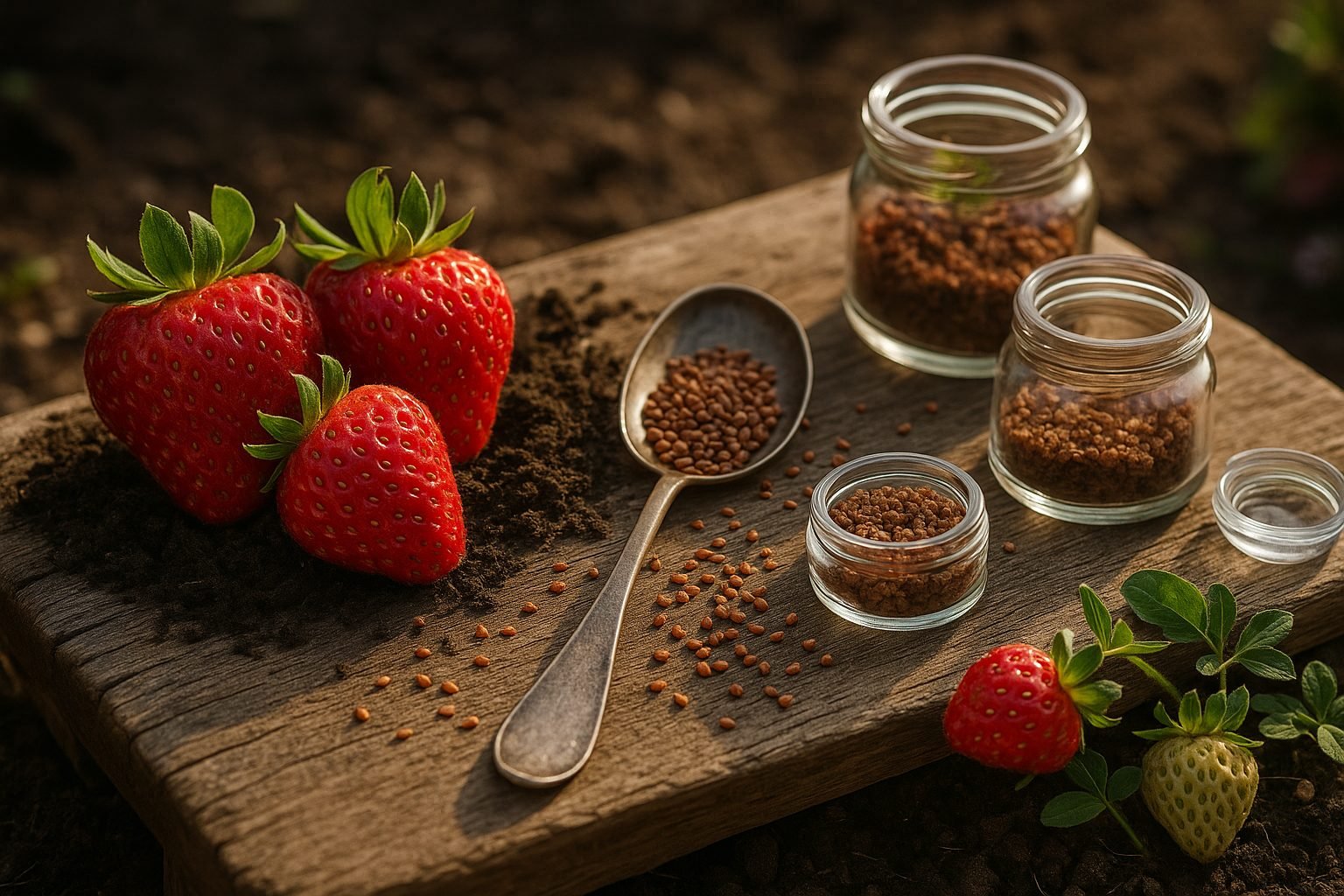
strawberry seed saving is becoming increasingly popular among gardeners who love growing their own food and cutting down on waste. With the recent rise in home gardening and a growing focus on sustainability, many people want to become more self-sufficient—and saving seeds from their favorite strawberry varieties feels like a natural next step. Whether you’re aiming to preserve a particularly delicious berry, save money on buying new plants each year, or just enjoy the satisfaction of starting strawberries from scratch, saving seeds offers a level of control and customization that store-bought plants often can’t provide.
But is strawberry seed saving really worth the effort, especially compared to the convenience of buying established plants or runners? In this post, we’ll dive into the basics of saving strawberry seeds, weigh the benefits and drawbacks, and help you decide if it’s the right choice for your garden. Along the way, you’ll find practical tips and examples to help you make an informed decision based on your unique gardening goals.
How Strawberries Reproduce: Seeds vs. Runners
Strawberries have a fascinating reproductive strategy that offers gardeners two main options: propagating from seeds or from runners, also known as stolons. In nature, strawberries produce tiny seeds on the surface of their fruit, with each seed having the potential to grow into a new plant. This seed-based method is most common in wild strawberries, which rely on animals and environmental factors to spread their seeds widely, promoting genetic diversity and adaptability.
For home gardeners and those growing cultivated varieties, however, the most popular—and practical—method is propagation by runners. Runners are long, thin stems that extend from the parent plant, taking root wherever they touch the soil to create clone plants. This method is highly efficient: within a single season, one parent strawberry can produce numerous offspring, all identical to the original and ready to bear fruit much sooner than seed-grown plants.
Because runner-grown strawberries are clones, gardeners can easily preserve specific traits like fruit size, flavor, and disease resistance of their favorite cultivars. Strawberry seed saving, by contrast, introduces unpredictability; even seeds from a named variety may produce unexpected plants due to cross-pollination or hybridization. For this reason, seed-starting is less common among hobbyists seeking consistency but can be a great choice for those interested in experimentation or growing varieties not readily available as plants.
Both methods have their place, and understanding how strawberries reproduce will help you choose the best propagation strategy for your gardening goals.
The Unique Challenges of Saving Strawberry Seeds
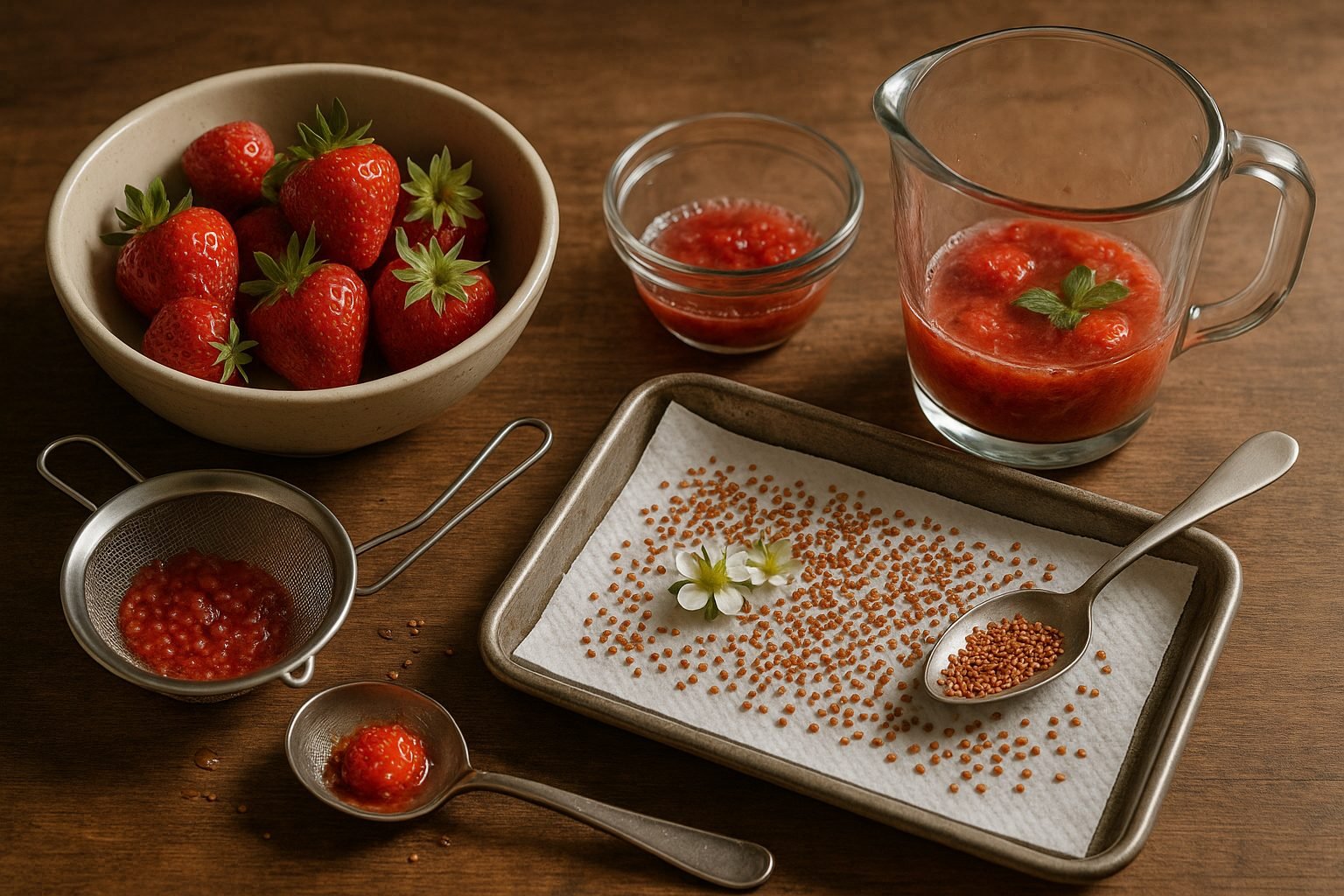
Strawberry seed saving isn’t as simple as shaking a pod or popping open a dried flower head—it requires patience, extra tools, and a willingness to accept some failures. First, harvesting strawberry seeds means extracting hundreds of tiny seeds embedded on the fruit’s surface. Some gardeners scoop the outer layer with a spoon, while others carefully scrape seeds off with a clean knife after letting the berries overripen.
Once collected, the seeds are still coated in a sticky, sugary pulp that’s tough to remove. To clean them, most growers recommend fermentation—a process similar to what’s used for tomato seeds. Place the scraped pulp and seeds in a jar of water and let it sit for two or three days at room temperature. This helps dissolve the pulp and kill potential pathogens, but it can get smelly and, if not monitored carefully, can spoil viable seeds or attract pests.
After fermentation, good seeds usually sink, while bad seeds and remaining pulp float. Carefully pour off the top layer, then rinse the sunken seeds thoroughly using a fine sieve. Drying them is just as tricky because of their tiny size; seeds must be spread thinly on paper towels or a coffee filter with good air circulation and gently turned to prevent clumping or mold.
Compared to beans, peas, or many flower seeds—which are larger, easier to clean, and store—strawberries demand much more time and effort. Even with careful work, there’s a high chance some batches will ferment too long or too little, leading to low germination rates. Plus, most garden strawberries are hybrids, so saved seeds often produce unpredictable results.
In contrast, seeds from open-pollinated vegetables usually offer greater reliability and much less hassle, making strawberry seed saving a challenging project best suited for curious gardeners with the time and patience to spare.
Understanding Strawberry Genetics: Heirloom vs. Hybrid Varieties
When it comes to strawberry seed saving, understanding the genetics behind different varieties is essential for setting realistic expectations. Most strawberries you find in supermarkets or nurseries are hybrids—plants bred from two or more parent types to enhance desirable traits like size, taste, or disease resistance. The catch is that hybrid plants usually don’t “breed true”; in other words, seeds taken from a hybrid strawberry often grow into plants that differ significantly from the parent.
This genetic unpredictability means strawberry seed saving from hybrids rarely produces identical fruit. You might end up with berries that are smaller, less sweet, or more prone to disease. In contrast, open-pollinated or heirloom strawberry varieties are naturally pollinated, and their seeds are more likely to produce offspring closely resembling the parent plant. This makes heirloom strawberries a much better choice for seed saving if you want consistent results.
Still, even with heirloom types, strawberries are genetically diverse, so you might notice subtle differences in fruit size, flavor, or vigor among the seedlings. For example, someone saving seeds from a favorite old-fashioned variety may find some plants produce juicy, large berries while others yield smaller fruit with a tangier flavor.
If you’re after a reliable harvest, purchasing established plants or runners is usually the safest bet. However, if you’re open to experimentation—and to potentially discovering unique new strawberry varieties—then growing from saved seeds can offer a fascinating, if unpredictable, gardening adventure.
Is Growing Strawberries from Seed Worth the Effort?
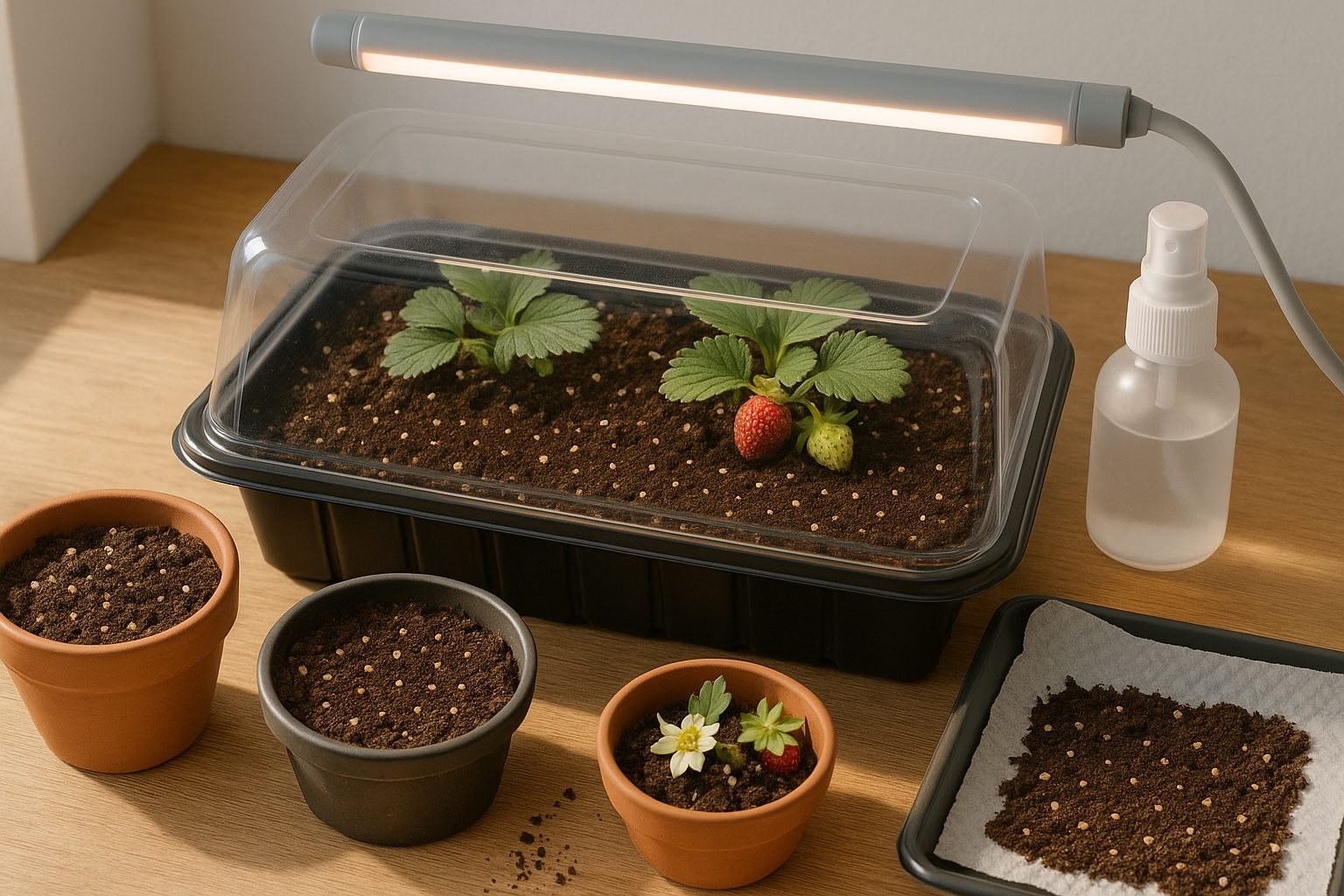
Growing strawberries from seed can be both rewarding and challenging, so it’s important to weigh the pros and cons before diving in. On the upside, strawberry seed saving offers an affordable way for gardeners to grow many plants without buying pricey seedlings or plugs. Seeds—especially from rare or heirloom varieties—open the door to a wider range of flavors, colors, and shapes than what you usually find at garden centers. For those interested in breeding their own varieties or preserving rare cultivars, starting from seed is sometimes the only option. Plus, the educational value is huge—watching plants develop from tiny seeds is a fun and valuable botany lesson for both adults and kids.
That said, strawberry seed saving presents some challenges that might outweigh the benefits for many home gardeners. Starting strawberries from seed takes longer than planting runners or bare-root plants. Seeds often need stratification—a cold, moist period that mimics winter—before they’ll sprout, followed by careful care under grow lights or on sunny windowsills for weeks or even months before transplanting outdoors. Even once established, seed-grown plants may take over a year to produce fruit, much longer than the same-season or next-season harvests from runners. You’ll also need space for seed trays and young plants before moving them to their final beds. Fruit quality can be unpredictable, especially if you’re saving seeds from hybrid supermarket strawberries—offspring may be smaller, less flavorful, or not true to the parent plant.
For most gardeners, buying established plants is still the faster and more reliable way to get a productive strawberry patch. But strawberry seed saving really shines if you want unusual varieties that aren’t sold as plants, enjoy the thrill of plant breeding, or want a hands-on educational project to share with kids. In these cases, the extra time and effort can be well worth it—and even deeply satisfying. For everyone else, it’s best to approach growing strawberries from seed with patience and realistic expectations, remembering that the journey can be just as rewarding as the harvest, even if the fruit arrives later.
Alternative Approaches: When Runners Make More Sense
For most home gardeners, propagating strawberries using runners is not only easier than strawberry seed saving but also provides more predictable results. Runners, or stolons, are long stems that grow from the parent plant and form baby plants, called daughter plants, at their tips. Because these offshoots are genetic clones of the parent, using runners ensures the new strawberry plants will produce fruit with the same quality, size, and flavor—perfect if you already have a favorite variety thriving in your garden.
Runners are especially helpful if you want to:
- Expand your patch quickly
- Maintain a uniform crop
- Avoid the variability of growing from seeds, which may not stay true to type and often germinate unevenly
Propagating from runners is straightforward: look for healthy, vigorous plants that have produced at least one bountiful harvest and show resistance to common diseases. Once runners appear, select those with well-developed leaves and visible roots. You can gently pin down the daughter plants into pots filled with moist potting mix while they’re still attached to the mother plant—this helps them develop strong roots before separation.
After two to four weeks, when the roots firmly hold the new plant in the pot, snip the runner stem and transplant the young strawberries to their permanent spot. Water them well and keep an eye on their progress as they settle in. With a little care and smart selection, using runners can refresh your strawberry patch with robust, fruit-bearing plants year after year—no seed packet or patience for finicky germination required.
Conclusion: Should You Save Strawberry Seeds?
Strawberry seed saving can be a rewarding but sometimes unpredictable venture. Collecting and planting strawberry seeds lets you explore new varieties and grow many plants inexpensively. However, seeds from hybrid strawberries rarely grow true to the parent, so the fruit you get might differ in taste, size, or yield.
Starting strawberries from seed requires time and patience, as careful germination and seedling care are essential. If you’re a gardener with extra time, curiosity, or a love of experimentation, strawberry seed saving offers a fun challenge and a chance to discover unique plants.
On the other hand, if your goal is a reliable harvest, planting runner plants—the small offshoots from established strawberries—is a more predictable way to get consistent, productive results. For most home gardeners, runners are the simpler and more dependable method to grow strawberries that match the qualities you enjoy.
Ultimately, the choice depends on your interests and how much effort you want to put in. Feel free to try saving seeds as a learning experience, but for guaranteed success, stick with runners for your main strawberry patch.