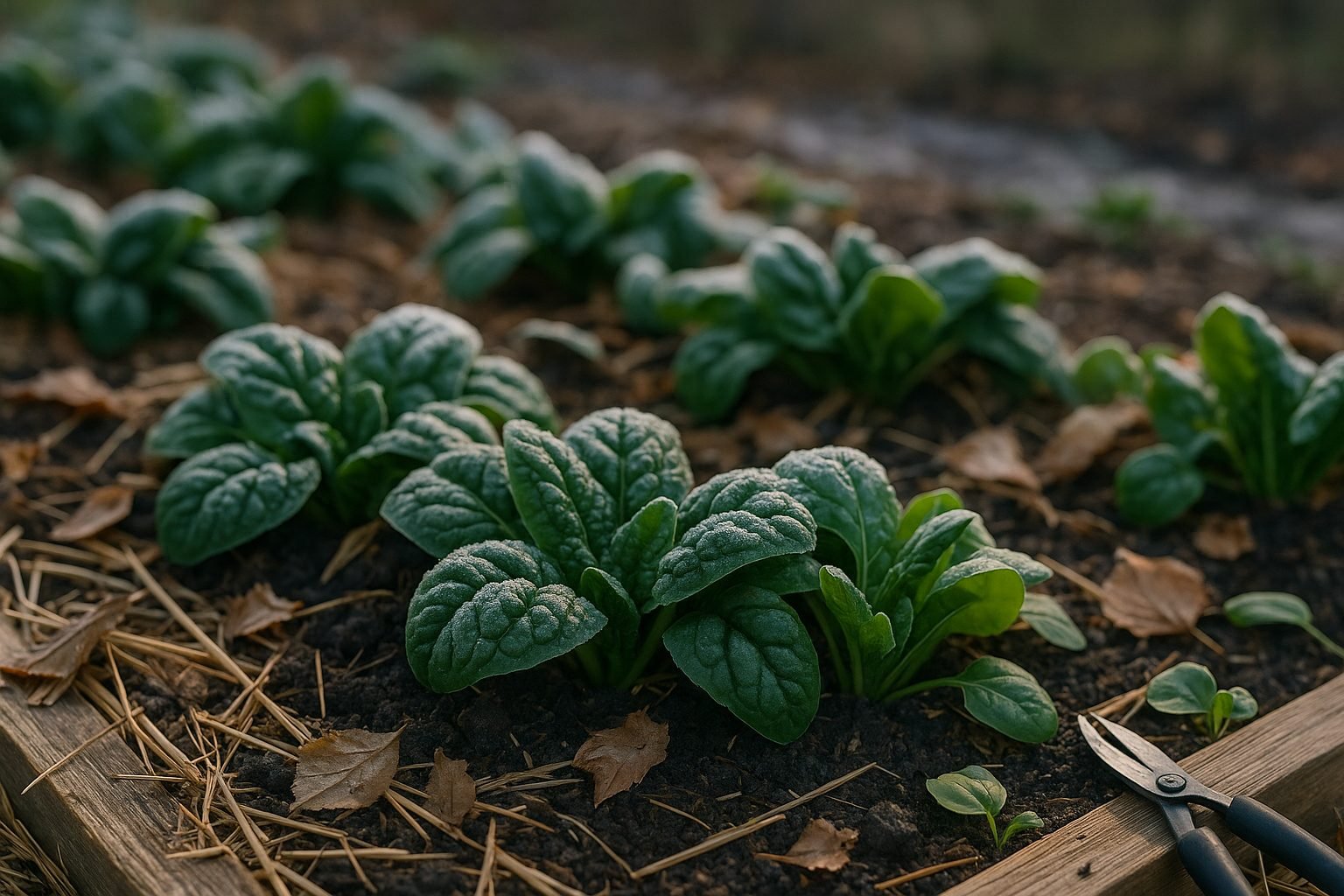
When to Plant Spinach for Winter Harvests
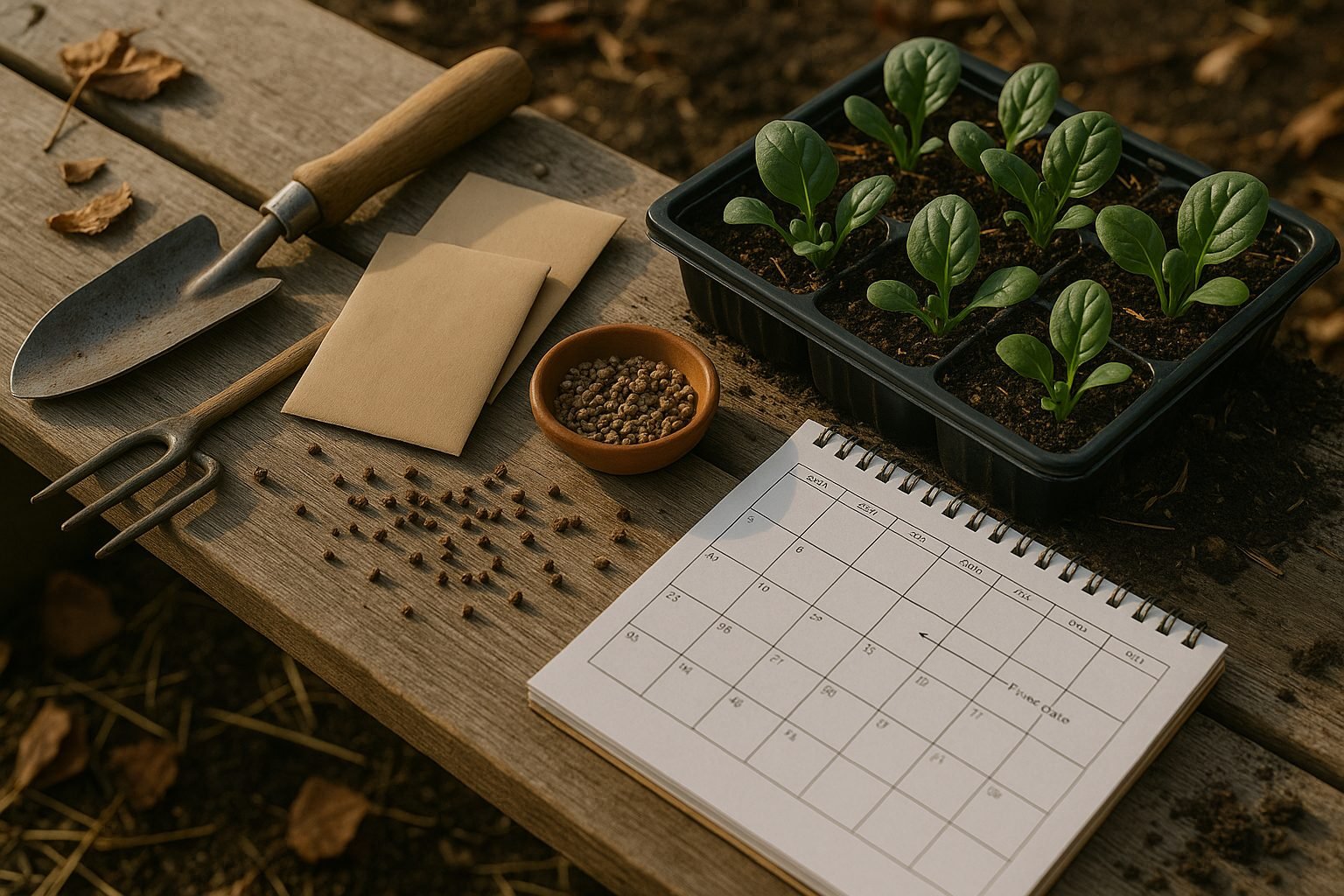
Understanding spinach frost tolerance is key if you want to enjoy fresh, homegrown greens even after the first frost. Spinach is one of the hardiest leafy vegetables you can grow, with young plants often surviving temperatures down to 20°F (-6°C) and mature plants handling even colder dips — making winter harvests possible with proper planning.
For most gardeners, the ideal time to plant spinach for overwintering is in late summer to early fall. This window gives spinach enough time to establish healthy roots before the ground freezes solid. However, the timing depends largely on your local climate zone.
For example, if you garden in USDA zones 5 or 6, sow spinach seeds 6-8 weeks before your average first hard frost date (typically sometime in September). In milder climates, like zones 7 and above, you can push your planting back into October or even November and still expect strong regrowth in early spring.
If you’re unsure about your region’s frost dates, online garden planners or local extension offices are reliable resources. One helpful trick is to scatter spinach seeds every 10-14 days over a month-long period — a technique called succession planting — to ensure a continuous supply of tender leaves throughout winter and into early spring.
Mulching young spinach plants with straw or using fabric row covers can boost their frost tolerance even further and protect delicate leaves from winter winds. By adjusting your planting schedule based on spinach’s frost tolerance and your garden’s unique climate, you can harvest crisp, sweet spinach long after other crops have withered, turning a cold-weather challenge into a year-round gardening opportunity.
Can Spinach Grow in Cold Weather? Understanding Spinach’s Cold Tolerance
Spinach is celebrated as one of the most cold-hardy leafy greens, making it a favorite among gardeners aiming for fresh harvests in the chillier months. This resilience comes from spinach’s natural ability to tolerate and even thrive in cool temperatures, typically performing best between 35–75°F (1.5–24°C).
Unlike many tender greens that wilt in frosty conditions, spinach often responds to light frosts by growing sweeter, as the cold prompts plants to concentrate natural sugars in their leaves.
Mature spinach plants are more tolerant of cold weather than baby spinach leaves; mature leaves develop thicker, more robust structures better equipped to handle icy winds and occasional snow, while baby leaves are more delicate and may sustain damage or even stop growing below freezing.
Spinach can generally survive brief dips as low as 20°F (–6°C), especially if the plants are well-established and protected with row covers or mulch. However, extended deep freezes or sudden temperature swings below 15°F (–9°C) can cause leaf burn, yellowing, or wilting — clear signs of cold stress.
Gardeners should watch for leaves that look water-soaked, mushy, or pale, as these indicate freezing damage.
A practical tip is to plant spinach in the fall so it can mature before the harshest winter weather hits, or to grow it under protective fabric if you’re pushing the limits of your climate zone.
By keeping an eye out for early stress signals and offering a little extra protection when severe cold is forecast, you can enjoy homegrown spinach well into winter.
Tips to Protect Spinach During Harsh Winter Conditions
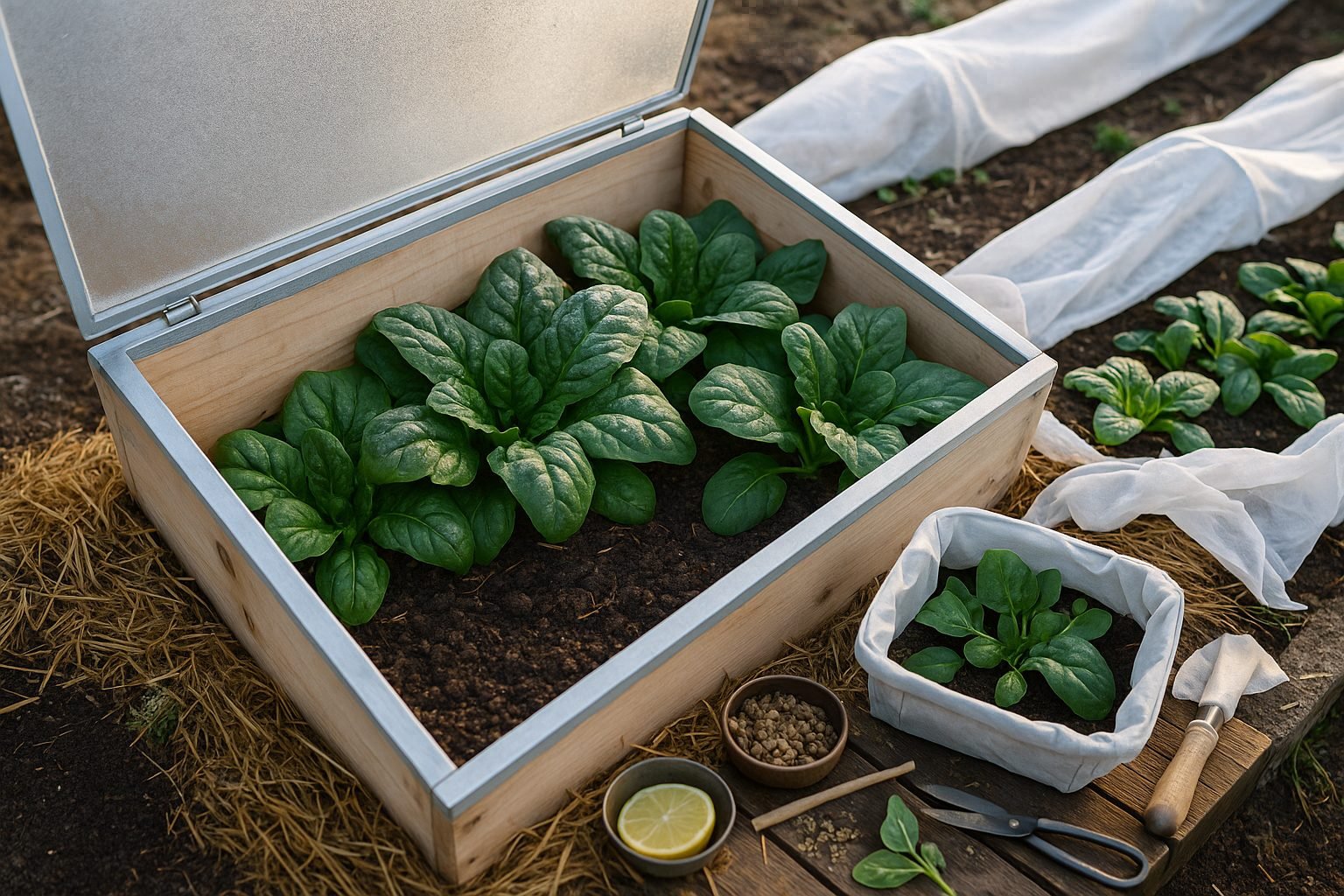
Protecting spinach during harsh winter conditions is key to ensuring a healthy, productive crop, even when temperatures plummet. One of the most effective ways to shield spinach from cold snaps is to use row covers—a lightweight fabric that acts like a blanket, trapping warmth around the plants without blocking sunlight.
For even better insulation, try layering mulch like straw, shredded leaves, or grass clippings directly over the soil. This protective layer not only keeps the roots warmer but also conserves moisture and suppresses weeds.
Sturdier Protection Options
Gardeners looking for sturdier options can use cold frames or low tunnels. Cold frames are simple, box-like structures with a transparent lid, turning a small section of your garden into a mini-greenhouse. Low tunnels, made by draping plastic or fabric over hoops set in the ground, offer similar protection along longer rows and are especially handy for larger plantings.
All of these methods help moderate sudden temperature swings, reducing the risk of spinach leaves freezing and getting damaged.
Maintaining Proper Ventilation
However, it’s crucial to maintain proper ventilation within these protective coverings—especially on sunny days—since stagnant air and excess moisture can encourage diseases like downy mildew or mold. Try propping open a cold frame for a few hours at midday, or periodically lift the row covers and tunnel ends to let fresh air in.
By combining these practical techniques and remembering to keep air flowing, you’ll help your spinach not only survive the winter but also emerge healthy and vigorous when spring returns.
Best Spinach Varieties for Overwintering Success
Choosing the right spinach variety is crucial for gardeners hoping to harvest fresh greens during the chilly months. Among the best for winter hardiness is ‘Winter Bloomsdale’, a time-tested heirloom famed for its thick, deeply savoyed leaves and rich, classic spinach flavor. This variety tolerates frost exceptionally well, allowing steady growth even as temperatures dip. Its crinkly texture helps shed snow and ice, protecting the tender plant beneath.
For those seeking a slightly more modern option, ‘Tyee’ is another standout, with broader, smoother leaves and a mild, sweet taste that holds up well to both cold snaps and fluctuating winter light. ‘Tyee’ also boasts notable disease resistance, particularly to downy mildew—a common foe in cool, damp conditions.
These cultivars differ in growth habits: while ‘Winter Bloomsdale’ tends to form compact, upright rosettes perfect for small spaces, ‘Tyee’ spreads more, yielding a bountiful harvest for the space it occupies.
When sourcing seeds, turn to reputable seed companies like Johnny’s Selected Seeds, Baker Creek, or your local cooperative extension, as they often offer tested and regionally adapted strains.
Selecting a variety genuinely bred for winter resilience is more than just a matter of taste; it means the difference between scraggly, frost-burned plants and lush, leafy salads well into early spring. Try sowing both types in late fall, covering them with a cold frame or row cover, and you’ll maximize your chances of getting a hardy, flavorful crop—regardless of what winter throws your way.
Harvesting and Using Spinach Through Winter and Early Spring
Harvesting spinach through winter and early spring is easier than you might think, especially if you’re using season extenders like cold frames or row covers. Start by picking only the outer, mature leaves—these are typically dark green and about 3-4 inches long—while letting the smaller inner leaves develop. This “cut-and-come-again” method encourages the plant to keep growing and producing new leaves.
Aim to harvest every one to two weeks, depending on the weather and plant growth, to maintain a steady supply. In the coldest months, growth slows, so be gentle and don’t take more than one-third of the plant at a time. As temperatures increase in early spring, spinach will speed up its growth, allowing for more frequent harvests.
After picking, shake off any soil and store the leaves unwashed in a loosely closed plastic bag or container in the fridge, where they’ll stay crisp for up to a week. For longer storage, quickly blanch and freeze the leaves.
Fresh winter spinach is especially tender and sweet, making it ideal for salads, tossing into omelets or pasta, or as a nutrient-packed addition to soups and stews. For a simple side, sauté spinach with garlic and olive oil.
By harvesting carefully and regularly, you’ll enjoy garden-fresh spinach long before most vegetables are ready to pick in the spring.
Common Challenges and Solutions for Winter Spinach Growing
Growing spinach in winter comes with its share of hurdles, but being proactive can keep your garden thriving.
One common headache is pests like aphids, which can shelter in protected spots and multiply quickly, even in chilly weather. Control these pests early by regularly checking leaf undersides and gently spraying infestations with soapy water, or introduce beneficial insects like ladybugs if growing indoors.
Another frequent problem is excess dampness, which can lead to root rot or fungal diseases—often caused by heavy winter rains or poor drainage. To prevent this, use well-draining soil and water only when the surface feels dry. If you notice yellowing or wilting, improve air circulation around plants and remove affected leaves promptly.
Poor germination is also frustrating in cold soils; spinach seeds can be slow to sprout when temperatures drop below 40°F (4°C). To improve your odds, pre-soak seeds overnight to jump-start germination or start them indoors using seed trays and transplant young seedlings outside under a cloche or row cover for added warmth.
If your garden typically gets frost, use mulch to insulate the soil and protect tender seedlings from freeze-thaw cycles.
Lastly, maximize your winter spinach harvest by spacing plants adequately to avoid overcrowding, rotating beds each year to limit disease, and harvesting outer leaves regularly to encourage fresh growth.
With a little extra care and quick action when problems arise, you’ll enjoy crisp, homegrown spinach even in the coldest months.