Introduction
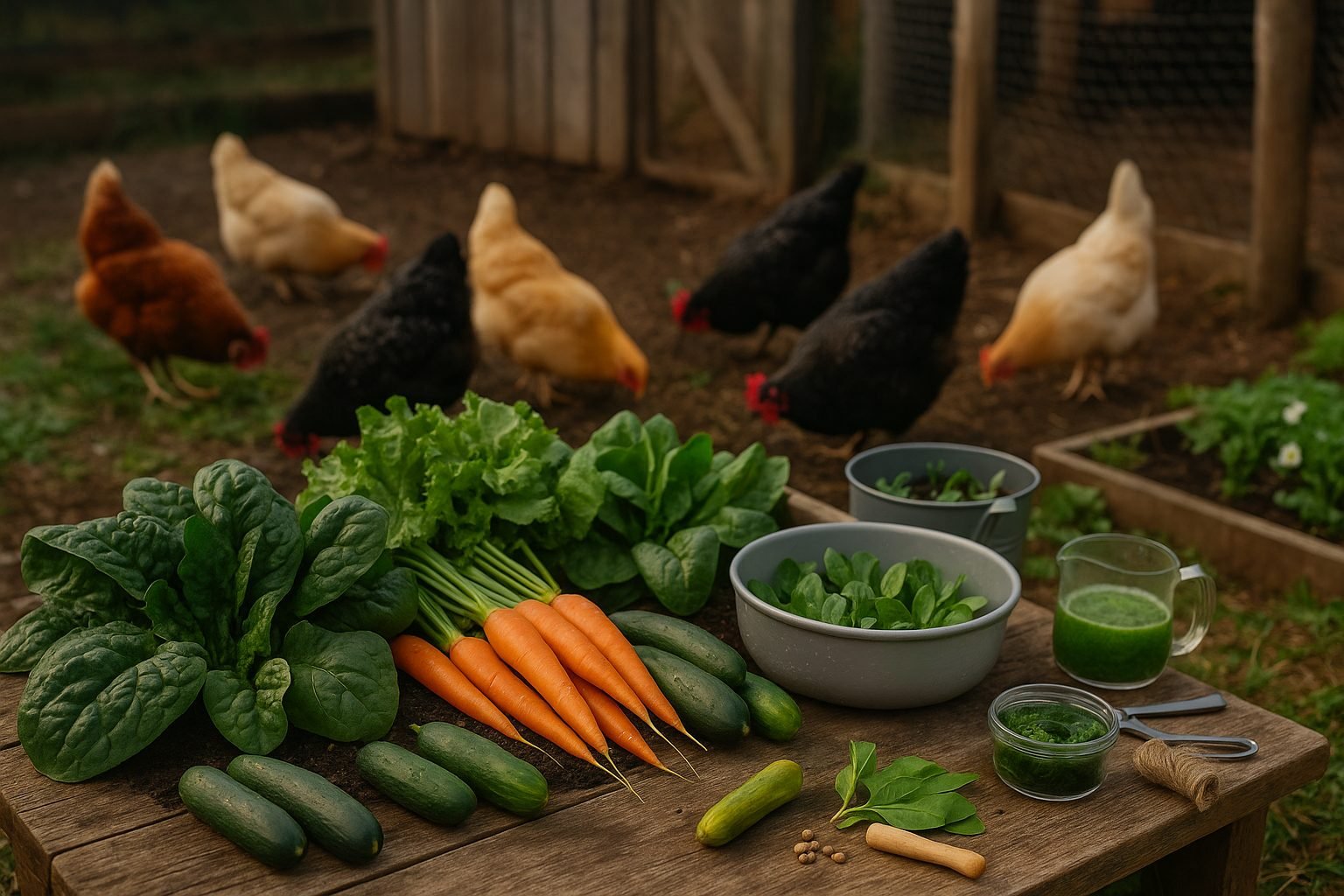
If you’ve ever wondered, “Can chickens eat spinach?” you’re not alone. Providing a balanced diet for your backyard flock is essential for healthy eggs and happy hens, but not all table scraps and veggies are created equal. While chickens enjoy foraging and pecking at greens, some vegetables can actually be harmful—or even toxic—to them. Knowing the difference is key to keeping your birds safe.
In this article, you’ll learn whether spinach is a safe treat, discover which vegetables to avoid, and get easy tips on offering only the healthiest greens to your flock. Armed with practical advice, you’ll be able to keep your chickens thriving, curious, and well-fed all season long.
Why Chicken Diets Need Careful Veggie Choices
Chickens have unique nutritional needs and digestive systems, so it’s important to be thoughtful about the vegetables you offer. Their diet should include the right balance of proteins, carbohydrates, vitamins, and minerals to keep them healthy and laying eggs regularly.
Chickens can digest a range of plant matter thanks to their crop and gizzard, but not every veggie is suitable. For example, raw potatoes, onions, and avocados contain compounds that can be toxic or hard for chickens to digest, leading to issues like upset crops, lethargy, or even poisoning. Overloading their diets with watery vegetables like lettuce can also dilute essential nutrients and cause diarrhea.
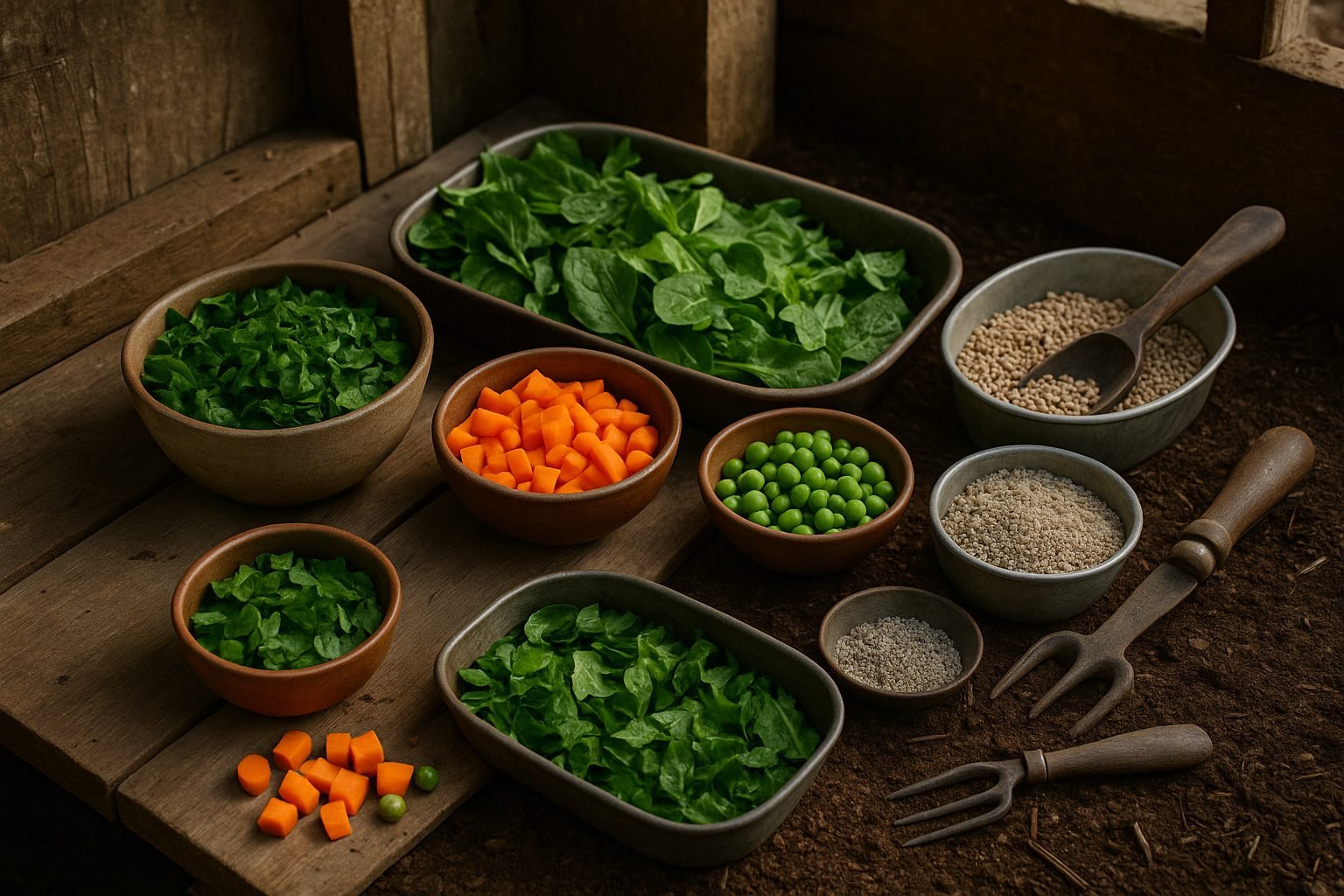
The key is to provide a wide variety of safe vegetables in moderation—think leafy greens, carrots, and squash—alongside their regular feed. Always chop veggies into manageable pieces to prevent choking, and remember that treats should never make up more than 10% of their daily intake. By offering a balanced mix, you’ll support healthy digestion and happier hens.
Vegetables That Are Toxic or Unsafe for Chickens
When caring for your flock, it’s essential to know that not all vegetables are safe for chickens. Some, like green potatoes and potato sprouts, contain solanine—a natural toxin that can cause vomiting, diarrhea, and even paralysis in birds.
Avocado, particularly the skin and pit, has a compound called persin that’s highly toxic to chickens, potentially leading to heart and respiratory issues or even sudden death. Onions and garlic can damage red blood cells, causing anemia and lethargy. Rhubarb leaves hold oxalic acid, which interferes with calcium absorption and can lead to kidney failure.
Even spinach, though nutritious in small amounts, contains high levels of oxalates that can cause similar calcium-binding issues if fed too often. Watch for signs of toxicity like drooping wings, weakness, difficulty breathing, diarrhea, or discolored combs. If you see any of these symptoms after introducing a new vegetable, remove it immediately and contact a veterinarian.
To keep your chickens healthy, always research foods before adding them to their diet and stick to vegetables known to be safe, like cucumbers, carrots, and leafy greens (except spinach in moderation). Your flock will thrive on a balanced and cautious diet.
Safe Vegetables Chickens Can Enjoy
Chickens can enjoy a wide variety of vegetables that not only add interest to their diet but also provide valuable nutrients. Safe options include leafy greens like lettuce, kale, and spinach, which offer vitamins A and K for healthy feathers and immune support.
Broccoli and cauliflower, rich in antioxidants and fiber, can be given raw or lightly steamed to soften their texture. Carrots, a good source of vitamin A, should be chopped or grated to prevent choking. Peas, zucchini, and cucumber provide hydration along with vitamins and minerals, while cabbage can be hung in the coop as a fun pecking treat that also boosts vitamin C intake.
Be sure to avoid giving chickens onions, raw potatoes, or avocado, as these can be toxic. Always wash vegetables thoroughly, remove any spoiled parts, and chop larger pieces into manageable sizes.
Offering a variety of these safe vegetables a few times a week is a simple way to keep your flock healthy, happy, and entertained.
Moderation and Special Considerations for Some Veggies
While most vegetables are healthy additions to your pet’s diet, some require special care or strict moderation. Starchy vegetables like potatoes should always be cooked—never raw—and fed only in small amounts, as their high carbohydrate content can lead to weight gain or gastrointestinal upset.
Similarly, certain leafy greens, such as spinach or kale, are best served sparingly due to their oxalate content, which can interfere with calcium absorption and potentially cause kidney issues when consumed in excess.
Even nutritious options like carrots or peas should be offered in moderate portions. Too many veggies can shift the diet’s balance, providing excess fiber or sugar and crowding out essential proteins and fats.
As a rule of thumb, aim for treats—including vegetables—to make up no more than 10% of your pet’s daily caloric intake. Rotate the types of veggies you offer and always introduce new foods gradually, watching for any digestive upset or allergic reactions.
A little variety, offered properly, can support health without risking imbalances.
How to Safely Introduce New Veggies to Chickens
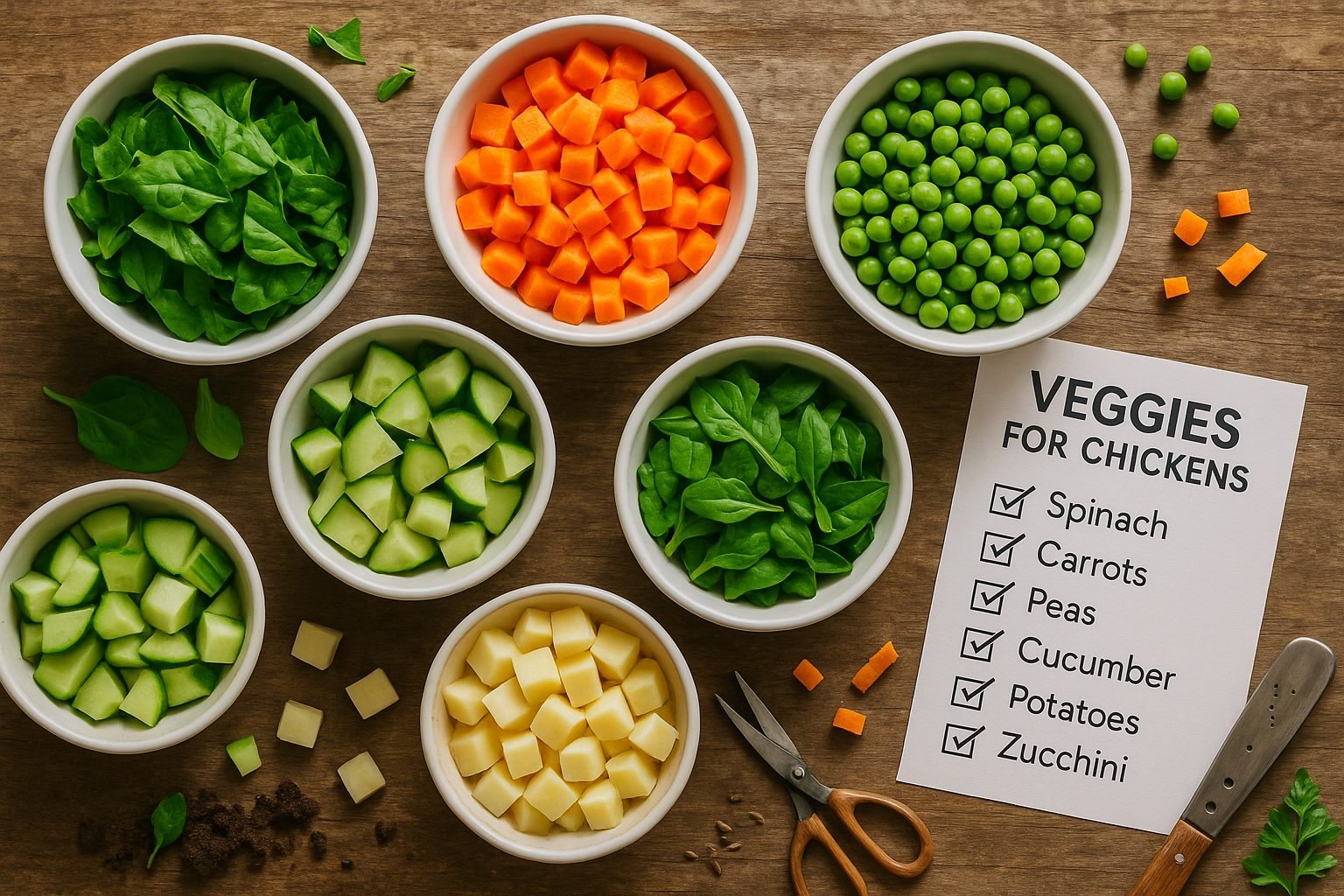
When introducing new veggies to your chickens, start slow to prevent any digestive upsets. Begin by offering small portions of a single new vegetable alongside their usual feed, and observe their behavior for at least 24 hours.
Watch closely for any signs of distress like loose droppings, loss of appetite, or lethargy. If the chickens react well, gradually increase the portion every few days, and after a week, you can try introducing another vegetable.
Always chop veggies into manageable pieces to avoid choking hazards, and avoid feeding anything from the nightshade family (like raw potatoes or tomato leaves), as these can be toxic. Keep an eye on the flock during feeding times—some birds may show preferences or sensitivities different from the rest.
Checklist for Safe Veggie Introduction
- Introduce one veggie at a time
- Monitor for any adverse effects
- Remove leftovers promptly
- Wash all produce thoroughly
- Maintain a balanced diet with plenty of grit and fresh water
By staying patient and attentive, you’ll keep your chickens healthy and happy with their new treats.
Conclusion
Understanding which vegetables are safe for chickens is key to keeping your flock healthy and happy. Avoid offering toxic vegetables like onions, avocados, and raw potatoes. Instead, choose safe options such as leafy greens, peas, carrots, and cucumbers.
Always introduce new foods in moderation and watch for any signs of digestive upset or changes in behavior. Remember, every chicken is different, so take the time to observe how your birds respond to changes in their diet.
If you have any doubts or your chickens have special dietary needs, consult reliable poultry guides or seek advice from a veterinarian experienced with backyard flocks.