Introduction
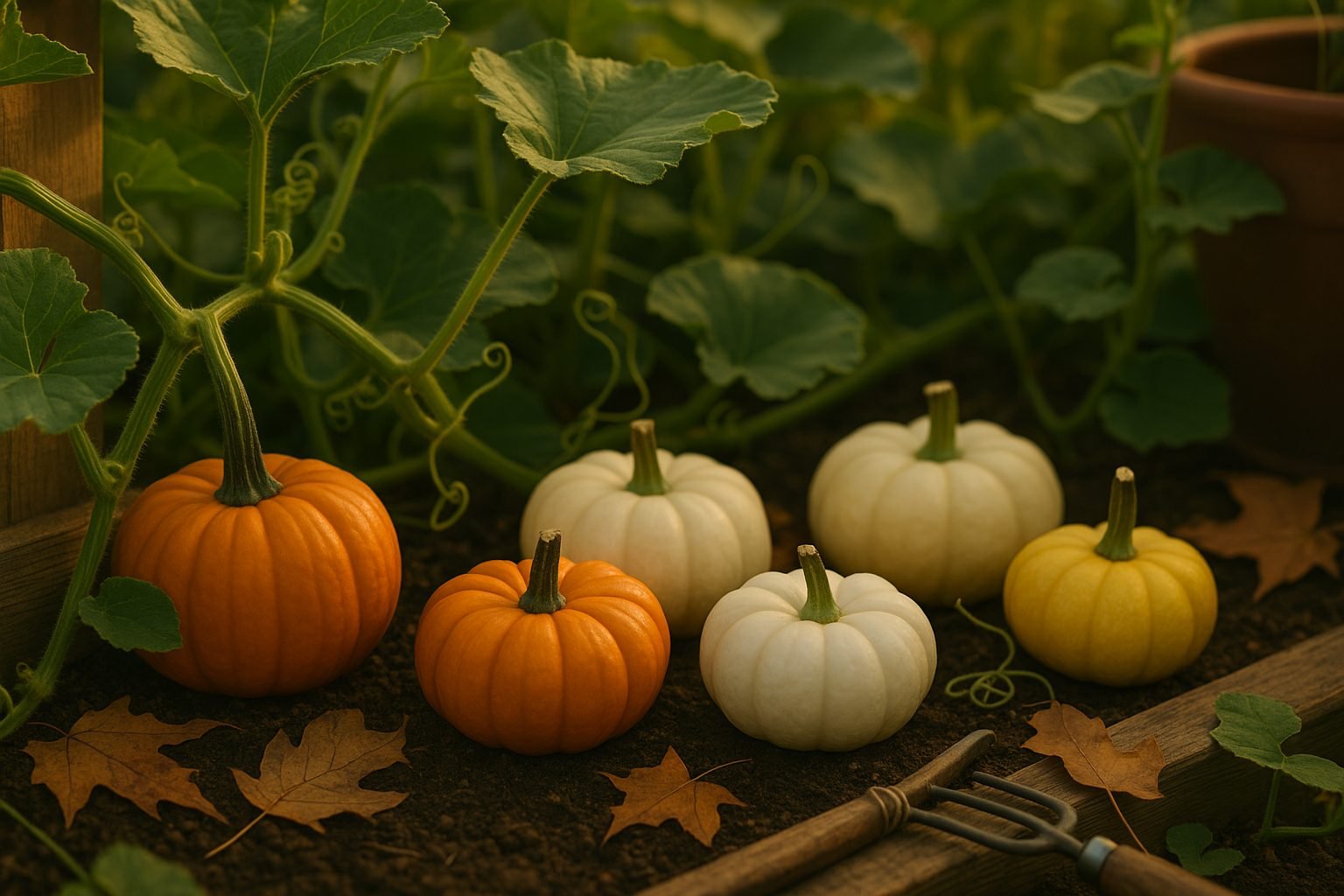
Curious about how to grow mini pumpkins? You’re not alone—these adorably tiny gourds are quickly gaining popularity among gardeners, decorators, and home cooks alike. Miniature pumpkins, typically just a few inches across, come in a variety of bright colors and whimsical shapes. They’re perfect for sprucing up a fall table, adding charm to Halloween or Thanksgiving décor, or even creating bite-sized treats for your kitchen.
Beyond their charming looks, mini pumpkins are surprisingly easy to grow, making them an appealing project for both beginners and seasoned green thumbs. Plus, their compact vines don’t take over your entire yard, so they’re ideal for small spaces or container gardens.
In this article, we’ll guide you through everything you need to know to grow mini pumpkins—covering the basics of choosing the right varieties, prepping your soil, planting and nurturing your vines, managing pests, harvesting techniques, and creative ideas for using your little pumpkins once they’re ready.
Whether you want to brighten up your front porch or whip up some pumpkin snacks, you’ll find practical tips and real-world examples to help you enjoy gardening success with these delightful tiny gourds.
What Are Small Pumpkins?
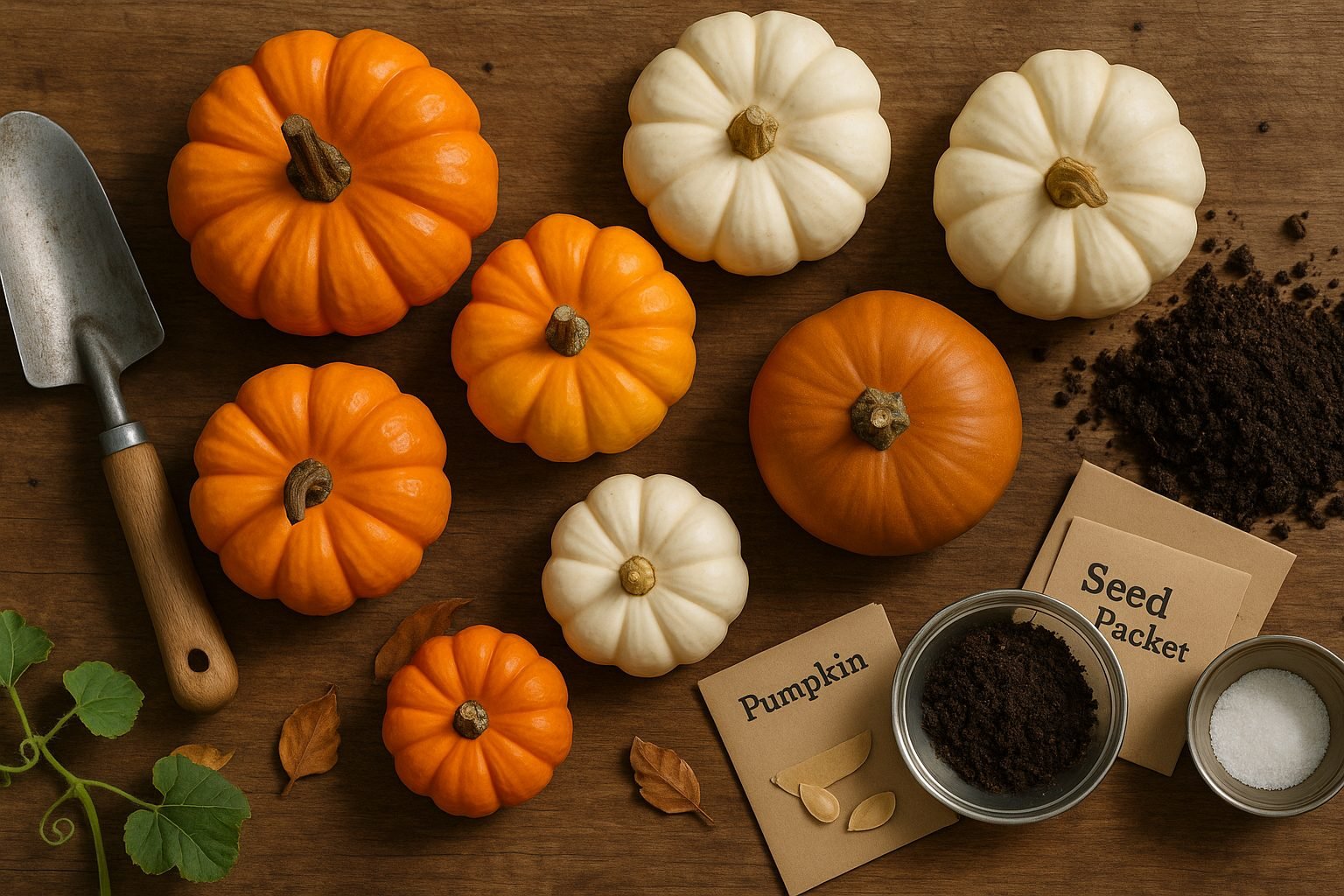
Small pumpkins, often called miniature, ornamental, or personal-size pumpkins, are compact versions of traditional pumpkins. They typically weigh between a few ounces to a couple of pounds and measure less than 6 inches in diameter. In contrast, standard pumpkins used for carving or cooking can easily weigh 10–20 pounds or more and take up much more space in the garden or on your table.
Small pumpkins have become increasingly popular for their practicality: they’re easy to grow even in limited spaces like patio containers or raised beds, making them perfect for urban gardeners or those with smaller plots. Their sturdy rinds and cute shapes make them a charming choice for autumn decorations, from centerpieces and wreaths to place settings and window displays.
Unlike their larger cousins—sometimes a hassle to store or cook whole—personal-size pumpkins are a breeze to prepare. You can easily roast them whole, stuff them, or use them in recipes that call for single servings. Varieties such as Jack Be Little, Baby Boo, or Sugar Pie not only look adorable but offer versatile uses in both sweet and savory dishes. Many small pumpkins have dense, flavorful flesh, ideal for baking, soups, and even individual pumpkin pies.
If you’re short on space or time, or simply love creative decorating, small pumpkins deliver all the autumn charm and culinary potential without the heavy lifting.
Choosing the Right Small Pumpkin Variety
When it comes to small pumpkin varieties, there’s a whole world of color, shape, and flavor to explore. ‘Jack Be Little’ pumpkins are a classic favorite, featuring bright orange skin and a perfectly round, miniature shape—ideal for festive tabletops or kids’ crafts.
For a decorative twist, try ‘Baby Boo’ pumpkins; these charming, creamy-white globes look beautiful in fall centerpieces and hold up well for painting. If you enjoy cooking, ‘Sugar Pie’ pumpkins stand out with their deep orange skin, squat roundness, and smooth, sweet flesh—perfect for baking delicious pies or soups.
Gardeners with limited space should try ‘Wee-B-Little’; these petite pumpkins are compact and thrive in containers, rewarding you with palm-sized fruit ideal for single servings or cute autumnal displays.
When buying seeds, opt for reputable suppliers that offer fresh, disease-free stock—look for recent packing dates, and check for organic or non-GMO labels if those matter to you. It’s also worth reading customer reviews for insights on germination rates and plant health.
Finally, consider your growing space and sunlight exposure; compact vine or bush-type varieties will fit smaller gardens or patios better than sprawling vines. Choosing the right pumpkin starts with your goals—whether you’re after vibrant decor or delicious pie filling—so be sure to match the variety to your plans for the harvest.
How to Grow Small Pumpkins: Garden, Containers, or Vertically
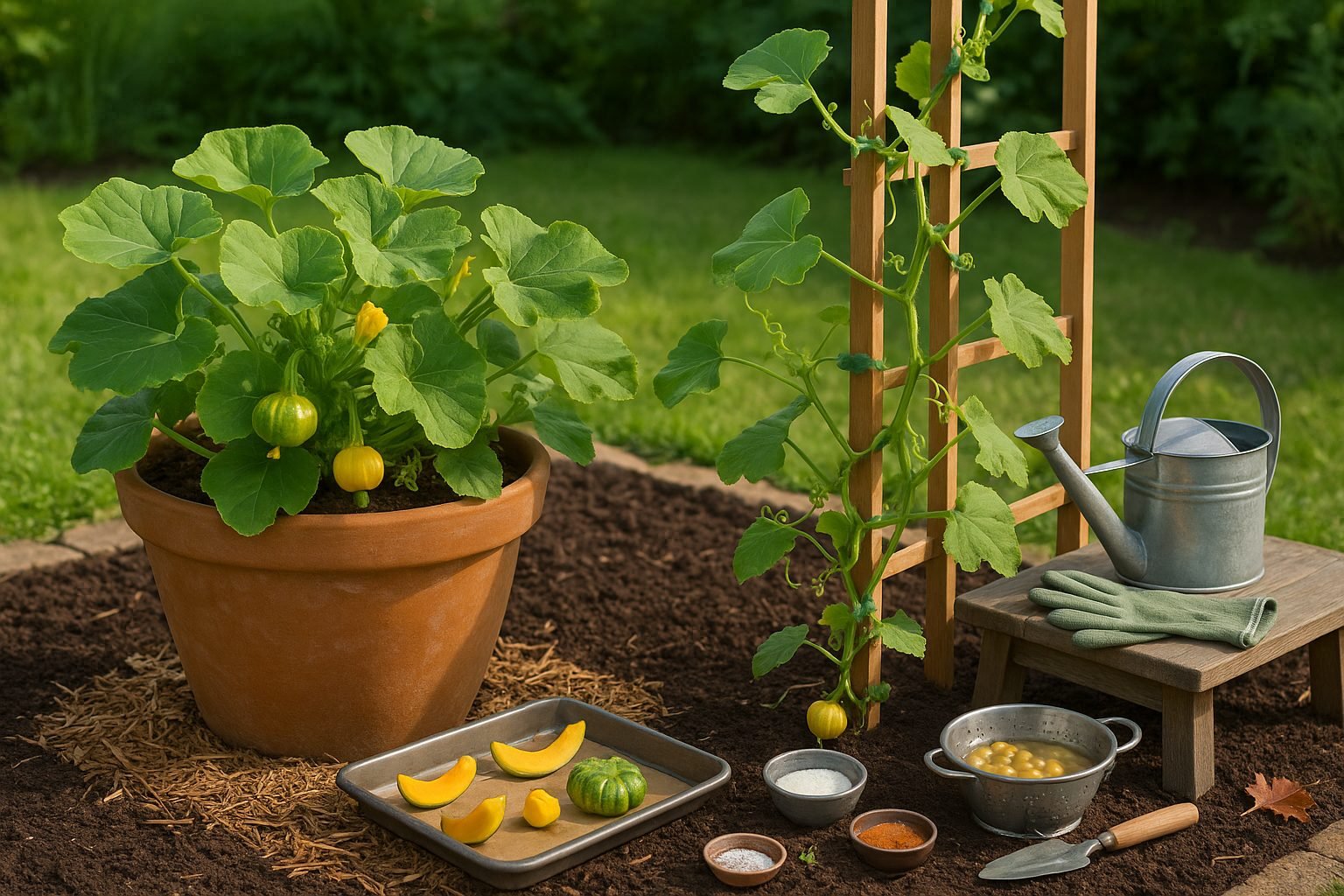
Growing small pumpkins is easy and rewarding, whether you have a large garden, a sunny patio, or just a small vertical space.
Start by choosing a sunny spot in your garden with well-draining soil. Sow seeds after the frost danger passes, spacing them 2-3 feet apart. Keep the soil consistently moist but not soggy. Mulch can help retain moisture and suppress weeds. Once vines appear, gently train them away from walkways and check regularly for pests like squash bugs.
Growing in Containers
For container growing, pick a pot that’s at least 18 inches wide and deep—bigger is always better. Fill it with rich, well-draining potting mix blended with compost. Water container pumpkins more often than garden ones, as pots dry out quickly. Aim to keep the soil damp but never waterlogged. Choose compact pumpkin varieties like Jack Be Little or Baby Boo for the best results.
Growing Vertically
If you’re short on ground space, try vertical growing. Install a sturdy trellis, garden arch, or even a repurposed fence. As vines grow, gently tie or weave them upward using soft plant ties. Slip slings made from old T-shirts or pantyhose placed beneath developing pumpkins will support them and prevent them from pulling off the vine before they ripen. Vertical gardening not only saves space but also boosts air circulation, helping prevent diseases.
Straw Bale Gardening
For a creative twist, consider straw bale gardening—a fun, low-maintenance option where pumpkin seeds are planted directly into pre-soaked, conditioned straw bales. This method elevates your crop, minimizes weeding, and can be perfect for poor soil or temporary plots.
No matter your space or method, remember to fertilize with a balanced vegetable food, water during dry spells, and harvest when pumpkins are deeply colored and stems have started to dry. With these tactics, you’ll enjoy a mini pumpkin patch no matter how much—or how little—room you have.
Pollination, Pests, and Diseases: What to Watch For
Understanding pumpkin pollination is key to a successful harvest. Pumpkins produce separate male and female flowers, but only female flowers develop into fruit. Bees often handle pollination, but if you notice lots of flowers but few pumpkins forming, you may need to step in with hand-pollination. To do this, use a small paintbrush or cotton swab to dab pollen from a male flower onto the stigma in the center of a female flower, which has a tiny baby pumpkin at its base. This is especially useful during rainy weather or when bee activity is low.
Alongside pollination, keep an eye out for pests that target pumpkins:
- Squash bugs: These sap-sucking bugs cause leaves to wilt. Handpick them early in the morning and use row covers to protect young plants.
- Cucumber beetles: They chew on leaves and flowers and carry bacterial wilt. Use floating row covers early on and neem oil sprays if needed.
- Vine borers: These pests tunnel into stems and are particularly destructive. Wrap the lower stem with aluminum foil or cover the base with soil to prevent egg-laying.
For diseases, watch out for:
- Powdery mildew: Appears as white powder on leaves, usually later in the season. Increase air circulation by spacing vines properly and water early in the day so leaves dry quickly. If needed, apply an organic fungicide like potassium bicarbonate or neem oil.
- Downy mildew: Shows as yellow or brown splotches on leaves, often during humid spells. Avoid overhead watering and remove affected leaves promptly.
For both mildews, rotating crops and cleaning up garden debris at season’s end will reduce the chances of disease next year. By staying vigilant about pollination, pests, and diseases, you give your pumpkins the best chance for a healthy, abundant crop.
When and How to Harvest Small Pumpkins
Knowing when to harvest small pumpkins is key to enjoying a healthy, long-lasting yield. Look for vibrant, deep color and a hard rind that resists scratching with your fingernail—these are sure signs your pumpkins are ready to pick. The stem should also begin to turn brown and dry.
To harvest, use sharp garden shears or a knife, leaving about two to four inches of stem attached; this helps prevent rot and extends shelf life. Be gentle and avoid carrying pumpkins by the stems, as they can snap off easily.
Once picked, it’s best to cure your pumpkins by setting them in a warm, dry spot (ideally 80-85°F) with good air circulation for about a week—this toughens their skin and seals minor cuts. After curing, store your pumpkins in a cool, dry place away from direct sunlight or stack them creatively for autumn displays.
Even small pumpkins benefit from a quick wipe with a mild bleach solution (one tablespoon of bleach per gallon of water), which helps stave off mold and prolongs freshness.
By paying attention to these details, you’ll have pumpkins that last through the season, perfect for eating, decorating, or gifting.
Creative Ways to Use and Enjoy Your Small Pumpkins
Small pumpkins pack a ton of charm and flavor, making them perfect for both decorating and cooking. For a cozy fall atmosphere, try grouping a few mini pumpkins with candles and autumn leaves as a festive table centerpiece—they last for weeks and add natural color.
Tiny pumpkins are also easy to carve or paint for Halloween, so kids can make jack-o’-lanterns or silly faces without the mess of larger gourds.
You don’t have to stop at decorations, though. Here are some fun ideas to enjoy your small pumpkins:
- Scoop out the insides, drizzle with olive oil, and roast the flesh for a sweet side dish.
- Bake individual pumpkin “bowls” filled with stuffing, chili, or cheesy risotto.
- Even pumpkin seeds are a treat: rinse, season, and roast them for a crunchy snack.
For longer storage, keep your pumpkins in a cool, dark place and check occasionally for soft spots—some varieties can last several months this way. If you want a homegrown crop next year, dry your seeds thoroughly, then tuck them into a paper envelope and store in a dry cabinet until spring.
With a little creativity, small pumpkins can brighten your home and your meals long after autumn leaves fall.
Conclusion & Resources
Small pumpkins are a fantastic choice for both garden beds and patios, thriving in limited spaces and adding charm to any home. Their compact vines make them manageable even for beginners, and their fruits are perfect for cooking, decorating, or gifting.
If you’re just starting out, try varieties like Jack Be Little or Baby Boo, and source seeds from trusted suppliers such as Baker Creek or Johnny’s Selected Seeds. For in-depth guidance, books like Square Foot Gardening by Mel Bartholomew or online groups like Reddit’s r/gardening offer practical advice and community support.
Don’t be afraid to experiment and keep learning—gardening is a journey! Share your questions or tips in the comments below, or tell us about your successes and challenges with small pumpkin growing. Your experience might inspire others and help everyone make the most of their garden spaces.