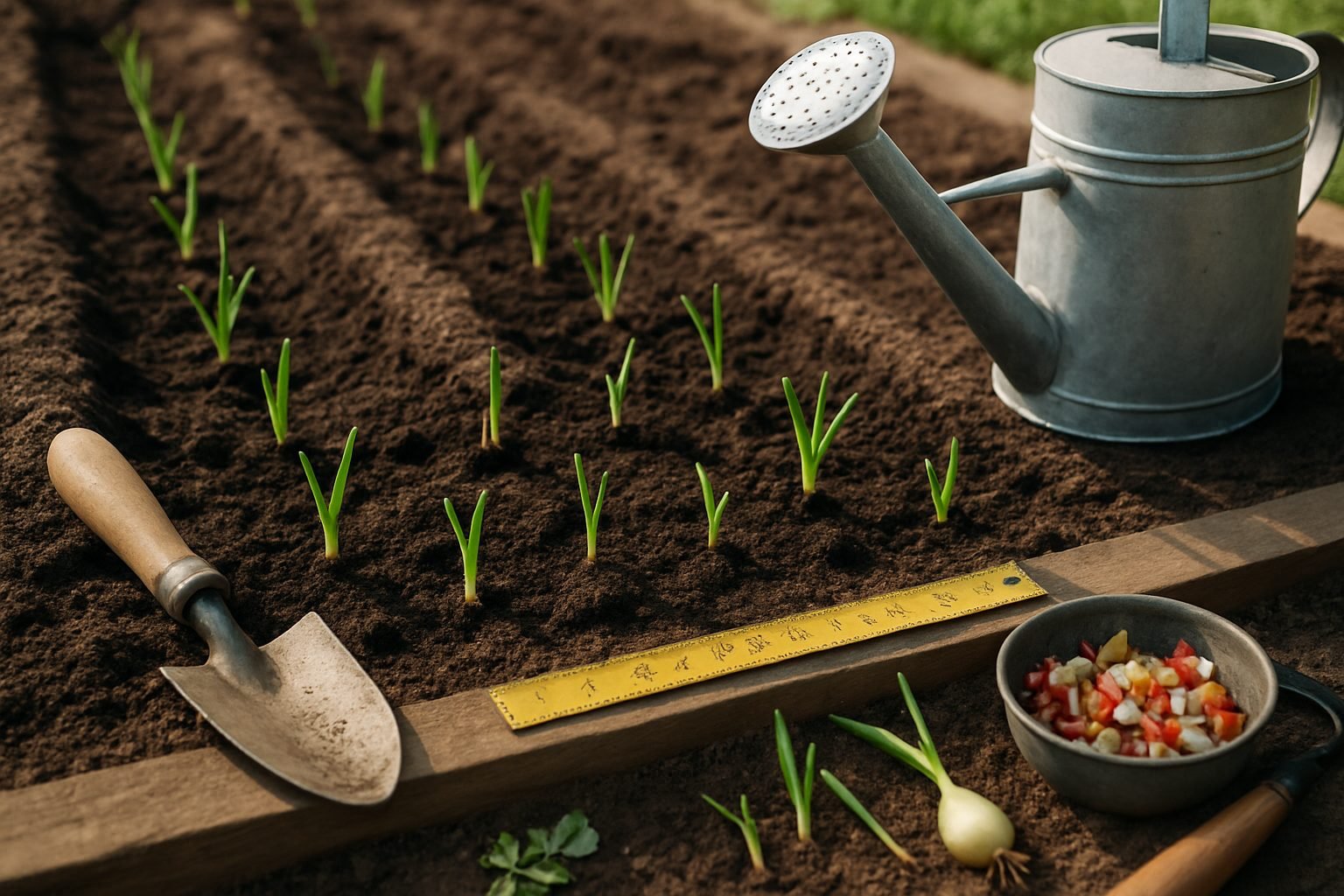
When and Why to Transplant Onion Seedlings
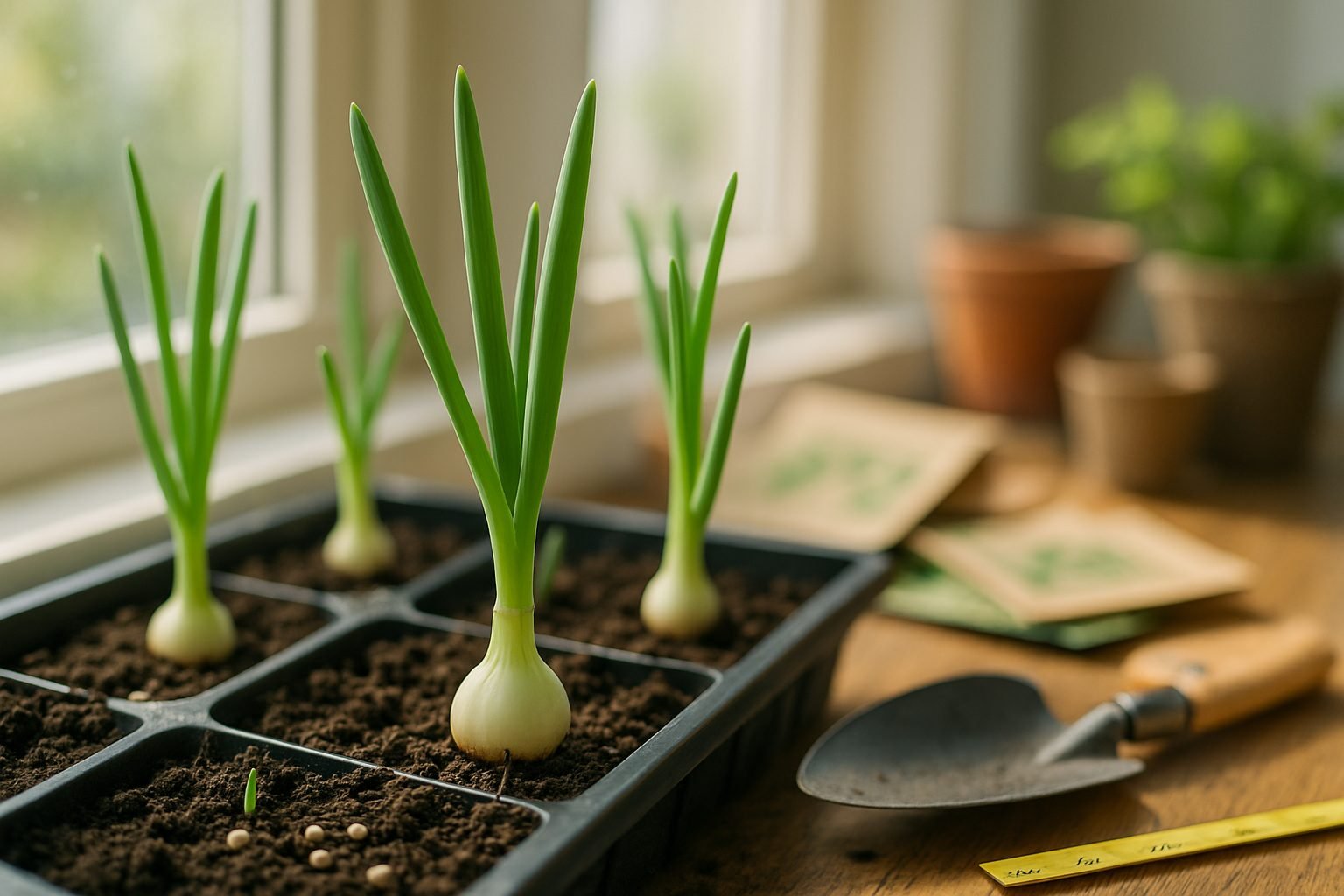
Transplanting onion seedlings at the right moment can make a world of difference in your garden’s harvest. Most gardeners start onions indoors from seed because it gives these slow-growing plants a strong head start before the outdoor growing season begins.
But when exactly is the best time to move them outside? Look for seedlings with 3-4 sturdy leaves—this is a good sign they’re ready. Also, check your local frost dates; onions prefer to be transplanted a few weeks before the last expected frost when soil temperatures reach at least 45°F (7°C).
Waiting for these key indicators means your onions will adapt quickly, develop robust bulbs, and grow into healthier, more productive plants. Timing your transplant just right isn’t just about tradition—it’s about setting your crop up for success, resulting in better yields and fewer issues down the road.
Preparing for Transplanting: Soil, Site, and Seedlings
Getting your garden ready for transplanting is all about setting your plants up for success from the very start. Begin by ensuring your soil is well-drained, loose, and packed with organic matter like compost or well-rotted manure—this helps prevent root rot and provides seedlings with the nutrients they need.
When choosing a spot, pick an area with full sun exposure since most vegetables and flowers thrive on six to eight hours of direct sunlight each day. Avoid planting in places with heavy weed growth to reduce competition for water and nutrients. You can remove weeds in advance or lay down mulch after transplanting.
Before sending your seedlings out into the garden, “harden them off” by gradually introducing them to outdoor conditions. Start with just an hour or two outside in a sheltered spot, increase exposure over a week, and dial back watering or even lightly trim foliage to help toughen them up for the move.
How to Transplant Onion Seedlings Step-by-Step
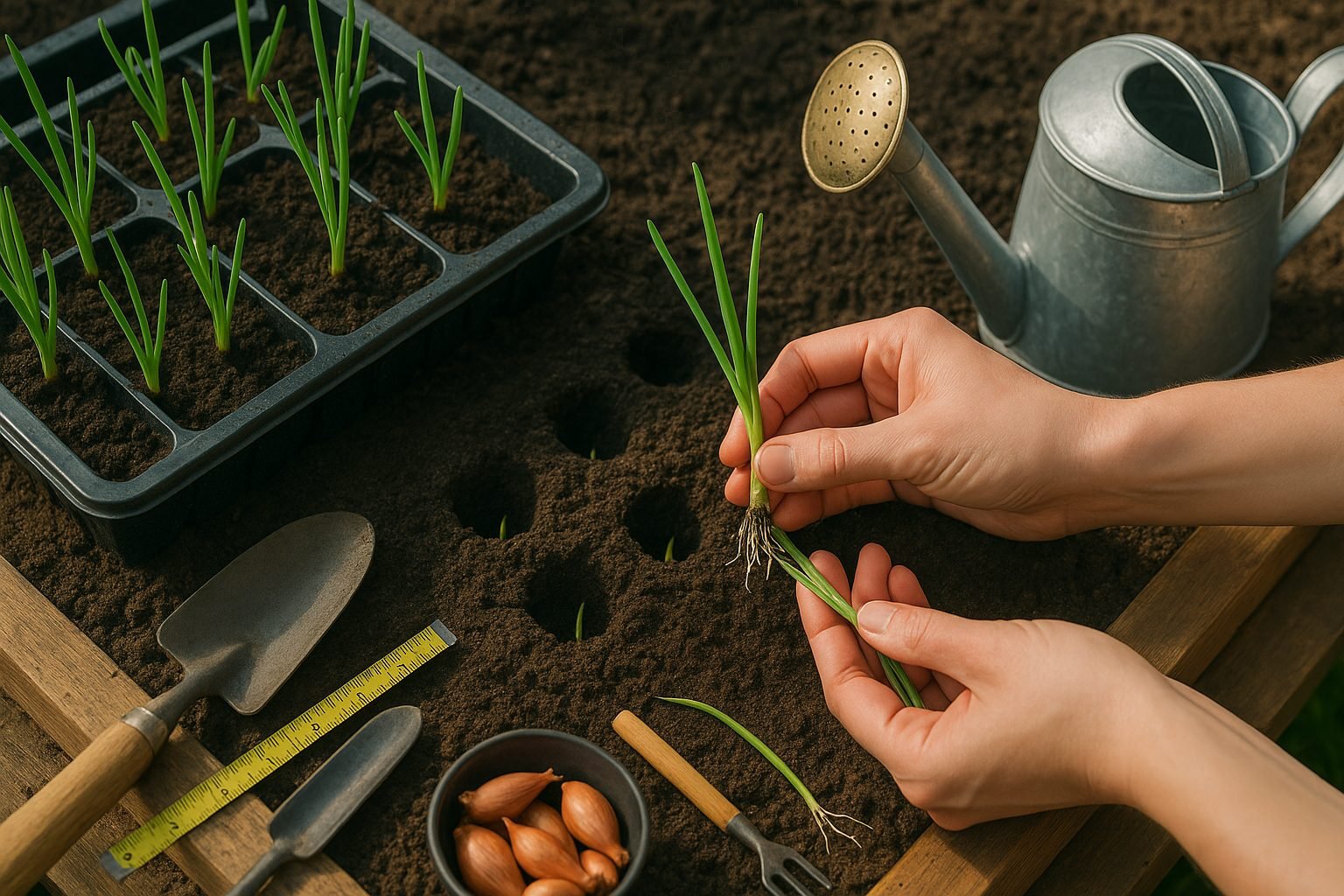
To transplant onion seedlings successfully, you’ll need a few simple tools: a sturdy trowel for digging, a measuring tape to ensure even spacing, and access to a gentle water source like a watering can with a fine rose.
Start by preparing your garden bed and loosening the soil to at least six inches deep. Using the trowel, dig planting holes about one inch deep and space them 4-6 inches apart in rows 12-18 inches apart—use the measuring tape to keep gaps consistent.
Gently tease the seedlings from their tray or pot, taking care not to damage the tender roots. Place each seedling in a hole so the roots are fully covered and just the green tops are above the soil.
Avoid common mistakes like overcrowding, which can stunt growth and invite disease, or planting too shallowly or deeply—either can hinder bulb formation.
Once all seedlings are in the ground, water them thoroughly but gently; this helps settle the soil around the roots and minimizes transplant shock. A soft flow from a watering can is best to avoid washing away the soil or damaging the young plants.
Taking your time with these steps will set your onions up for a strong and healthy growing season.
Caring for Newly Transplanted Onion Seedlings
During the first few weeks after transplanting onion seedlings, keep the soil consistently moist by watering lightly every couple of days, especially if the weather is warm or windy. Avoid overwatering—onions dislike soggy conditions that can lead to rot. Aim to dampen the top inch of soil without creating puddles.
For fertilizing, wait until the seedlings are established, then apply a balanced, diluted fertilizer sparingly; too much nitrogen can cause lush tops but hinder bulb formation. Instead, feed lightly every two or three weeks to support steady growth.
Early weed control is crucial, as young onions can’t compete with aggressive weeds—hand-pull weeds gently or use a shallow hoe to avoid disturbing the tender roots.
Keep an eye out for common pests like onion maggots or thrips; floating row covers can offer protection, and removing plant debris reduces pest hotspots.
Consistent care in these first weeks sets your onions up for a healthy season.
Troubleshooting & Common Questions
Yellowing seedlings often signal overwatering or nutrient deficiencies; adjust watering and consider using a balanced fertilizer.
If you notice transplant shock—such as wilting or stunted growth—shade new transplants for a few days and keep the soil moist but not soggy.
Bolting, when onions flower early, can result from temperature swings. Plant at the right time for your local climate to minimize this.
Wondering about container growing? Onions do well in pots that are at least 6 inches deep.
Harvest when the tops yellow and fall over, usually in mid to late summer.
For more tips, check reliable sources like your local extension office or garden forums.