What Is Kale and Why Is It Trending?
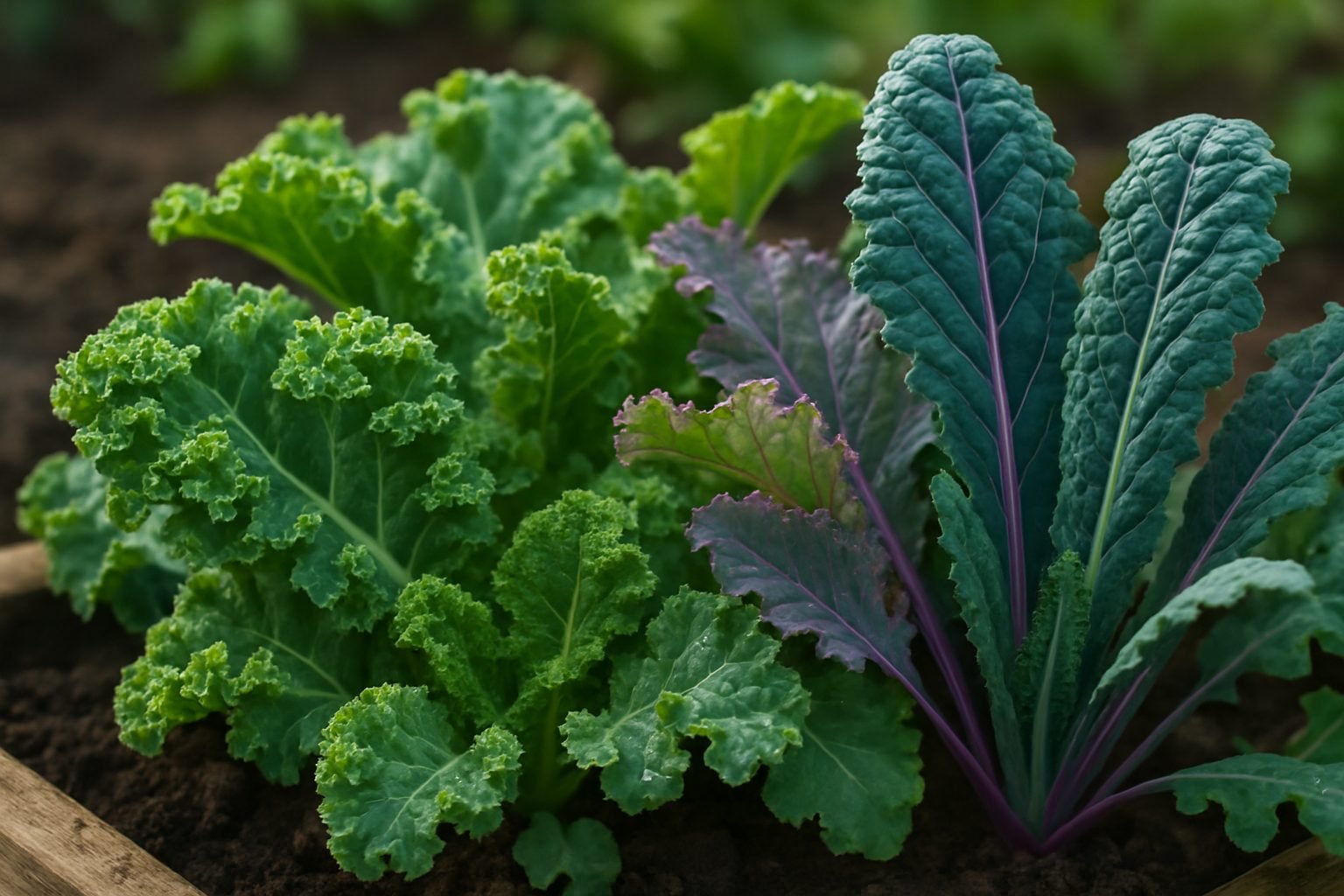
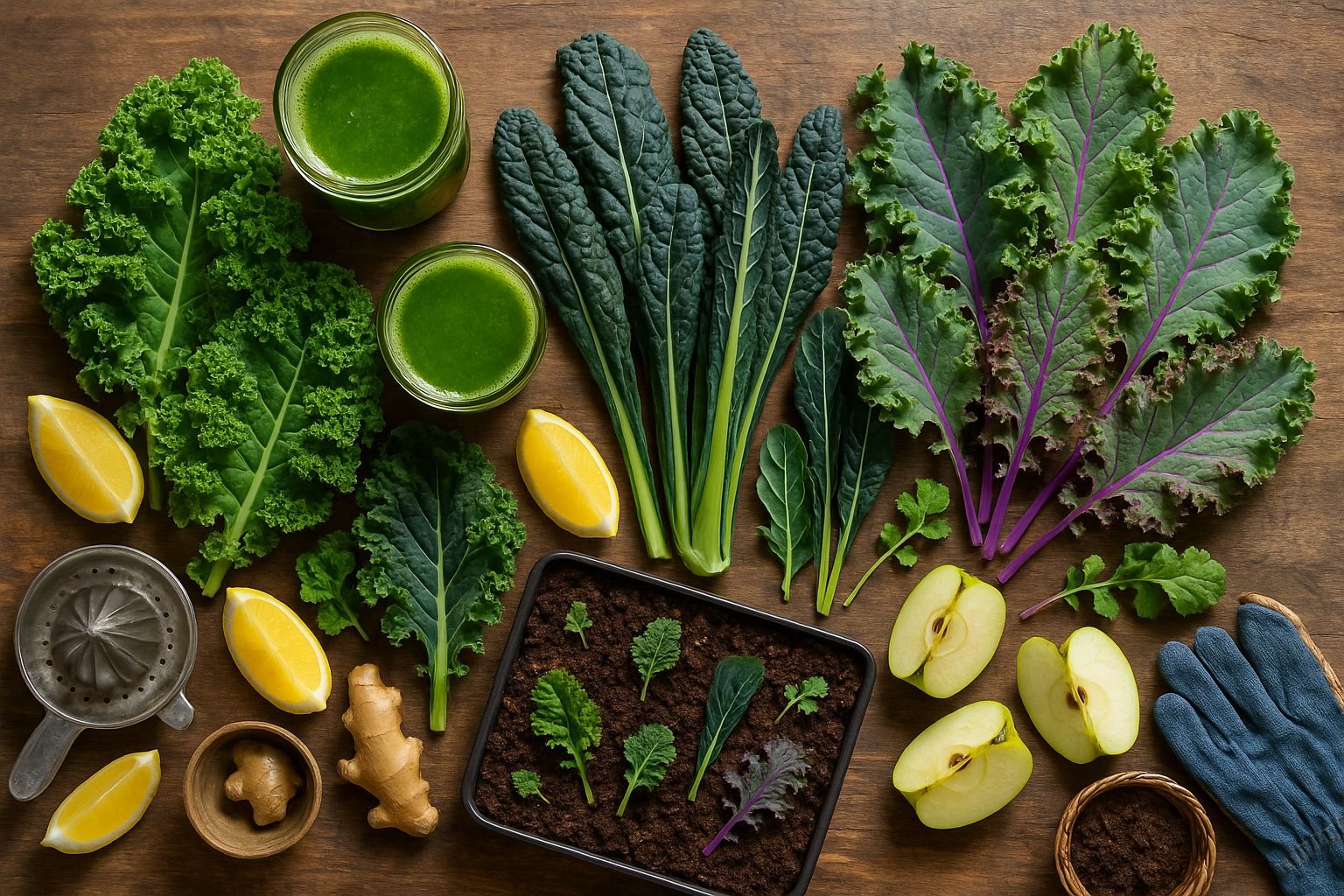
kale juice benefits have taken center stage as more people look for simple ways to boost their nutrition, but what exactly is kale and why is it flooding social feeds and trendy café menus? Kale is a leafy green vegetable from the cabbage family, Brassica oleracea, appreciated for its hearty texture and bold flavor. Its roots trace back to the eastern Mediterranean and Asia Minor, thriving in gardens since Roman times. Today, the most popular varieties include curly kale, with its ruffled, peppery leaves; lacinato kale (also called dinosaur kale or Tuscan kale), which boasts dark blue-green leaves and a sweeter, more delicate taste; and red Russian kale, recognized by its purple-tinted stems and tender leaves.
The superfood status of kale is serious business. It’s jam-packed with vitamins A, K, and C, loaded with antioxidants, and an impressive source of fiber, calcium, and iron—all in a low-calorie package. These nutrition facts, plus kale’s positive role in supporting heart, eye, and immune health, make it a star ingredient for anyone focused on wellness. Its rise in popularity for juicing comes from how wildly efficient juicing is at unlocking those kale juice benefits. By breaking the leaves down into a drinkable form, you can consume a much bigger serving of kale in far less time, which is great for busy mornings or on-the-go nutrition.
But should you eat kale or juice it? Eating whole kale means slower, more satiating digestion, and you’ll get the benefits of dietary fiber, crucial for gut health. Juicing, however, allows your body to rapidly absorb its nutrients without the bulk, which is useful if you want a quick shot of vitamins and minerals. Both methods have merits, and the best approach may be sipping a glass of kale juice alongside a hearty salad—enjoying the goodness of this trending green, garden to glass.
Nutritional Powerhouse: Key Vitamins and Minerals in Kale
Kale has earned its superfood status thanks to its dense concentration of essential vitamins and minerals. One standout nutrient is vitamin K, which supports healthy blood clotting and bone strength—you’ll get over 600% of your daily recommended intake in just one cup of raw kale.
The leafy green is also packed with vitamin C, important for immune health and collagen production, and vitamin A in the form of beta-carotene, which is vital for vision and cell growth. Folate, a B-vitamin crucial for brain health and fetal development, is also present in generous amounts.
For those concerned about bone health or consuming less dairy, kale is an excellent plant-based source of calcium. Antioxidant compounds like quercetin and kaempferol help fight inflammation and cellular damage, offering protection against chronic diseases.
If you prefer your greens in juice form, kale juice can offer a more concentrated shot of nutrients, allowing you to consume a larger volume in a small glass—although some fiber and a bit of the vitamin content may be lost in the juicing process. Drinking kale juice is great for a quick nutritional boost, but raw kale leaves in salads or smoothies provide the extra benefit of fiber for digestive health.
Additionally, kale is rich in unique phytonutrients such as glucosinolates and lutein, both of which promote healthy detoxification and may protect against certain types of cancer. Whether you’re tossing raw leaves into a salad, blending them into a smoothie, or drinking them as juice, kale delivers a powerhouse of nutrition in every serving, making it an easy and versatile way to fortify your diet.
Top Health Benefits of Kale Juice
Kale juice is packed with nutrients that offer a variety of science-backed health benefits, making it a smart choice for anyone looking to boost their well-being. One major perk is kale’s rich concentration of vitamin C and antioxidants, which help strengthen the immune system—crucial for defending against colds and other infections. A study in Food Chemistry highlights how kale’s high vitamin C content supports immune cell function and enhances your body’s resilience.
When it comes to heart health, kale is a powerful ally thanks to its potassium, fiber, and phytonutrients, all linked to healthier cholesterol levels and better blood pressure regulation. Research from the journal Biomedical and Environmental Sciences shows that daily kale juice intake can improve blood lipid profiles, reducing your risk of heart disease.
For those interested in detoxification, kale is a superstar vegetable. It contains sulfur compounds like glucosinolates, which the body uses to produce detoxifying enzymes in the liver. This process helps flush out toxins and supports your body’s natural cleaning systems, as explained by Harvard Health experts.
Another impressive benefit is inflammation reduction; kale’s antioxidants, including quercetin and kaempferol, have been shown in clinical studies to suppress inflammatory markers and protect cells from damage commonly linked to chronic disease.
If you struggle with digestive issues, kale juice’s fiber content can aid digestion by promoting regular bowel movements and feeding your gut’s healthy bacteria. Registered dietitians also note that kale provides magnesium and water—both important for smooth digestion and preventing constipation.
To get the most from kale juice, try pairing it with vitamin C-rich fruits like orange or pineapple for better absorption and a sweeter flavor. As always, moderation is key—since kale contains compounds that can affect thyroid health in large amounts, stick to a glass a few times a week and rotate with other leafy greens.
By making kale juice a regular part of your diet, you can harness its myriad benefits to support your immune system, heart, digestive tract, and body’s natural detox abilities.
Understanding the Risks: When Is Kale Juice Not for Everyone?
While kale juice is packed with nutrients, it isn’t the perfect choice for everyone and can pose some risks if consumed in large amounts. For individuals with thyroid issues, especially hypothyroidism, kale—a cruciferous vegetable—contains goitrogens, which may interfere with normal thyroid hormone production if eaten excessively raw. This is generally only a concern with very high intakes, but people with existing thyroid problems should check with their doctor before making kale juice a daily habit.
Similarly, if you’re taking blood thinners like warfarin, the high vitamin K content in kale can counteract your medication, making it important to consult your healthcare provider about safe amounts. Kale is also high in oxalates, compounds that can contribute to kidney stone formation in susceptible individuals—if you’ve had kidney stones or been warned about oxalates, approach kale juice with caution.
Some myths suggest that any amount of kale juice is dangerous, but for most healthy adults, moderate consumption as part of a balanced diet is perfectly safe. The key is not to overdo it and to be aware of your personal health conditions.
If you’re considering incorporating kale juice into your routine and have any underlying health concerns or take prescription medications, a quick chat with your healthcare provider is the safest approach. This way, you can enjoy the benefits while avoiding unwanted side effects.
How to Juice Kale for Maximum Benefit
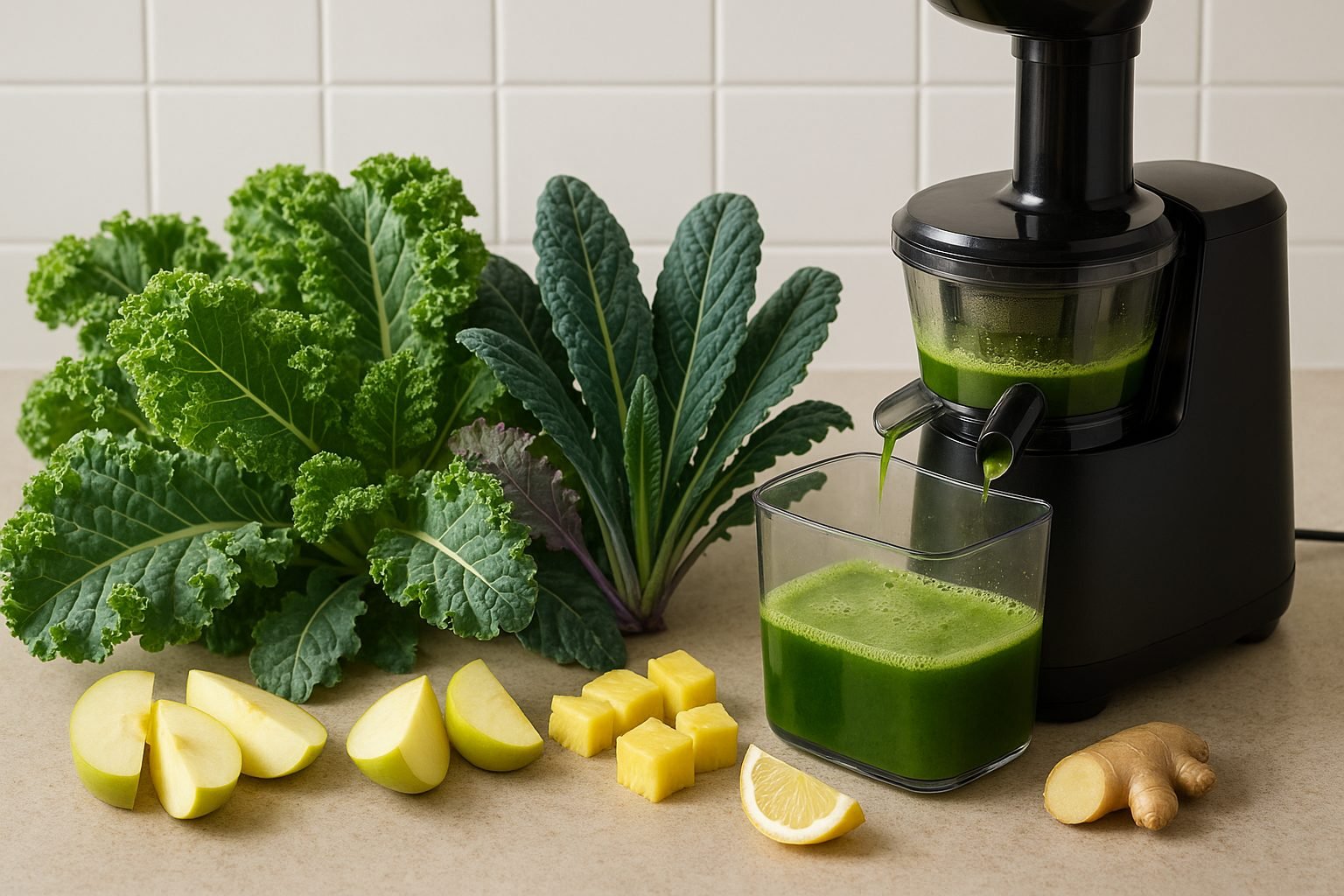
Juicing kale at home is simple when you know the steps and tricks to get the most out of this superfood. Start by selecting fresh, organic kale whenever possible, since greens can absorb pesticide residues. Thoroughly rinse the leaves under cold water and pat them dry. Then, strip the leafy parts from the tough stems, as stems can make the juice bitter.
For the best results, use a masticating juicer—these models slowly crush kale, preserving more vitamins and delivering higher yields compared to centrifugal juicers, which work better for softer fruits but often struggle with leafy greens.
To enhance both the flavor and nutritional power of your juice, mix kale with sweeter, nutrient-rich produce like apples, pineapple, or carrots. Always add a squeeze of lemon or a small piece of ginger for a fresh zing and improved absorption of iron and antioxidants.
After juicing, serve your kale blend immediately over ice to retain its vibrant taste and nutrients. If you need to store it, pour the juice into an airtight glass container, fill it to the brim to minimize air, and refrigerate for up to 24 hours—the fresher, the better, since nutrients degrade quickly.
For an easy morning boost, prep your washed and cut kale the night before and freeze portioned bags. Just toss them straight into your juicer in the morning to reduce prep time and keep your juice cold and crisp.
With these tips, even beginner juicers can create delicious, potent kale juice that fits easily into a busy routine.
Creative Ways to Add Kale Juice to Your Routine
Incorporating kale juice into your daily routine doesn’t have to be boring or overwhelming, whether you’re new to green juice or looking to shake things up. For a quick and tasty start, try blending kale juice with apples and a splash of lemon for a vibrant morning pick-me-up. This combo balances kale’s earthiness with natural sweetness, making it beginner-friendly.
If smoothies are your go-to, add a small shot of kale juice to your usual banana and berry blend—just enough to boost nutrients without overpowering the flavor.
For lunch or dinner, get creative by whisking kale juice into homemade salad dressings. Pair it with olive oil, Dijon mustard, and honey for a fresh, zesty twist on greens or grain bowls. You can even stir a bit into soups or mix it with mashed avocado for a zippy sandwich spread.
To keep things interesting and your palate engaged, rotate between using pure kale juice and blends with cucumber, pineapple, or ginger. Gradually increase the amount as you get accustomed to the taste.
By introducing kale juice in small, tasty doses and mixing up how you use it, you’re more likely to stick with this healthy habit—making your meals and snacks just a little greener every day.
Conclusion: Is Kale Juice Worth the Hype?
Kale juice definitely packs a nutritional punch, filled with vitamins A, C, and K, as well as minerals like potassium and calcium. It’s praised for its antioxidant content, which supports immunity and may help reduce inflammation. Many people notice a boost in energy and improved digestion after adding kale juice to their routine.
However, it’s important to be mindful of potential drawbacks. For some, the high vitamin K content can interfere with blood thinners, and those with kidney issues should watch their intake of oxalates found in kale. The concentrated form of juice also strips away much of the fiber found in whole leaves, which is essential for gut health.
If you’re considering kale juice, start with small servings and combine it with other fruits or veggies to balance the strong flavor and nutrient profile. Remember, no single food or drink works magic—kale juice is most beneficial as part of a varied, whole-foods-based diet. Always listen to your body and consult your healthcare provider if you have existing medical conditions.
In summary, kale juice is a convenient way to get more greens, but it shouldn’t replace eating whole vegetables or balanced meals. Approach it as a supplement to, not a substitute for, overall healthy eating habits.