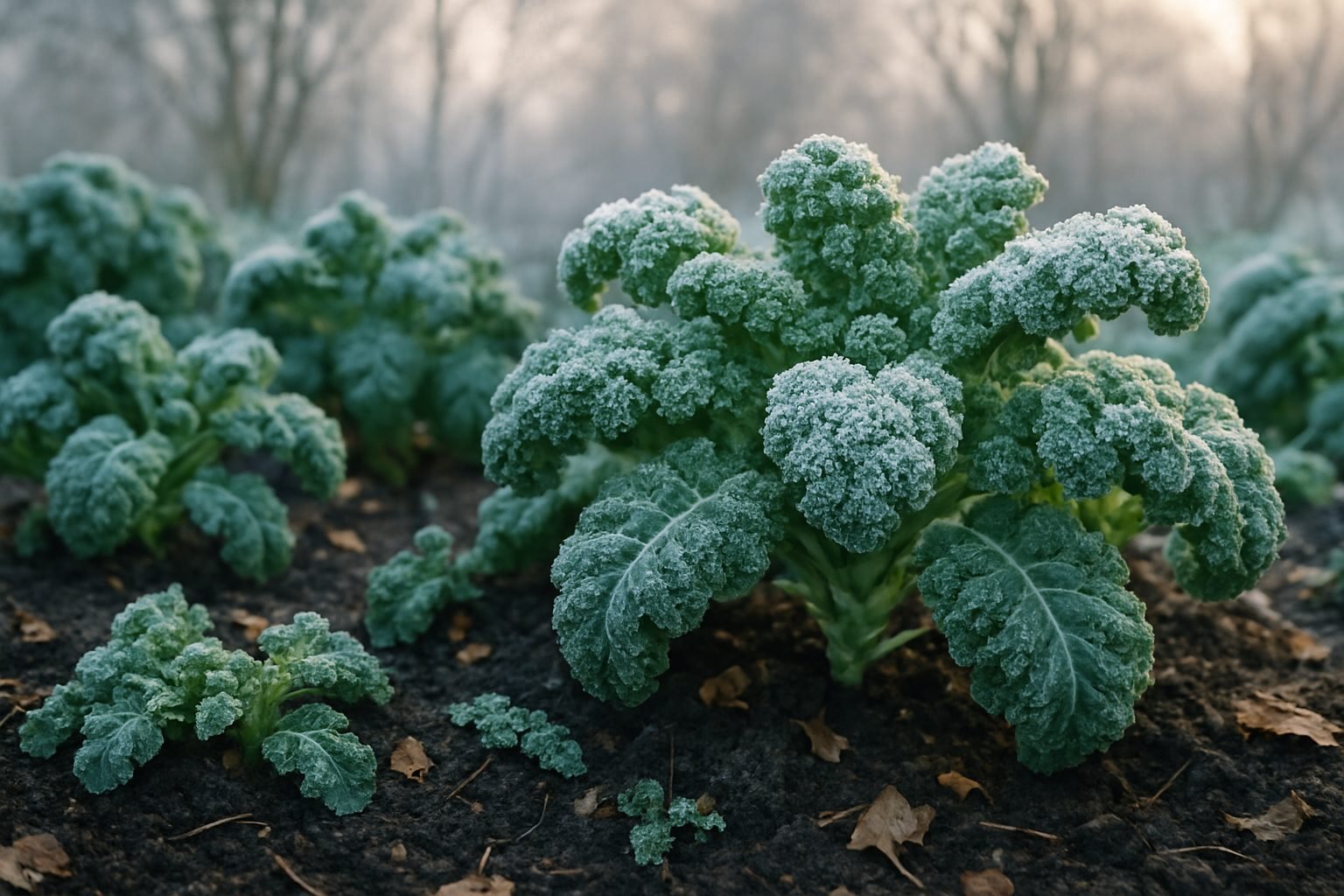
Why Grow Kale in Winter
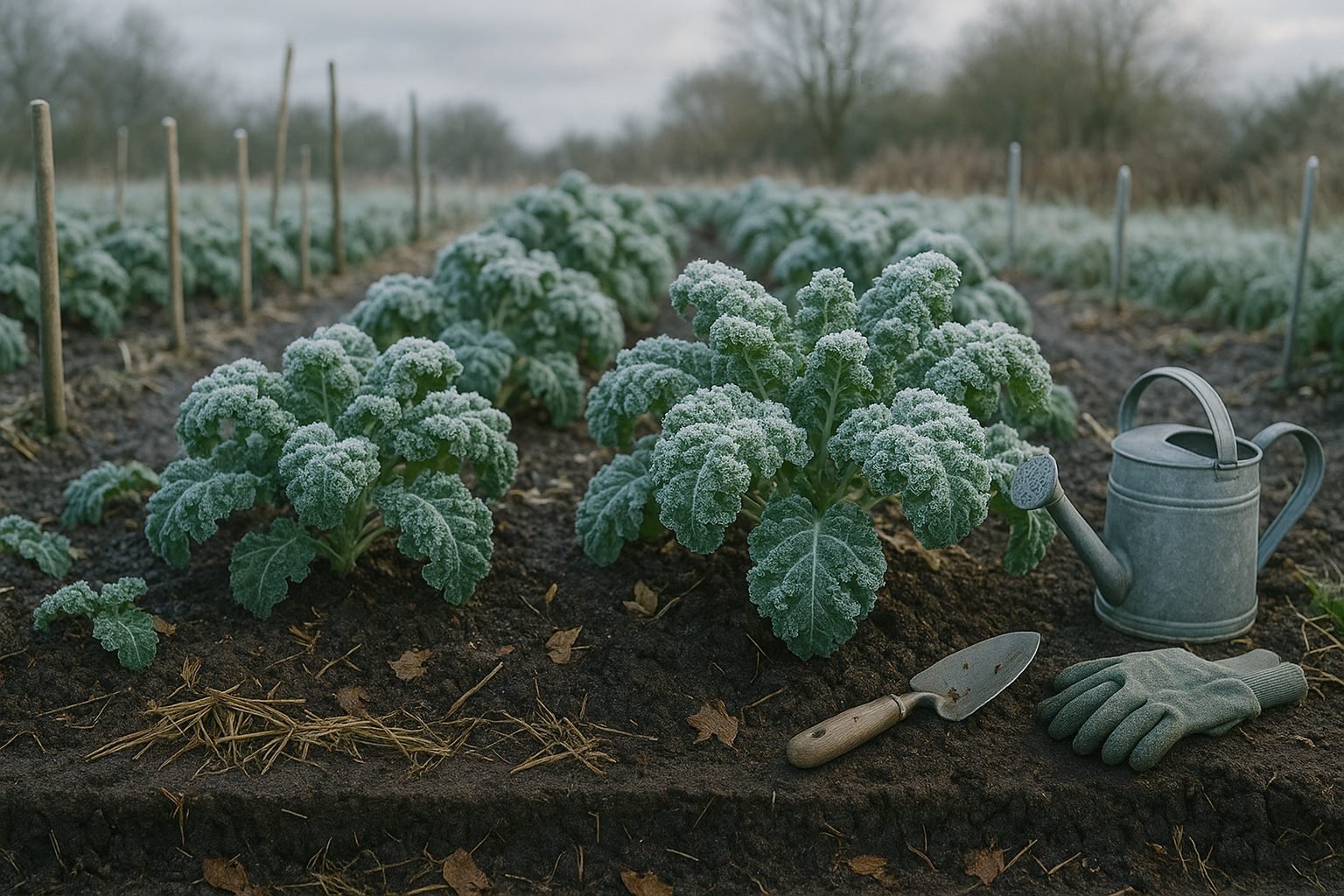
kale frost protection isn’t just about saving your plants—it’s the secret to unlocking kale’s best flavor and nutrition during the winter months. Growing kale in winter brings a host of benefits for both gardeners and cooks alike.
For starters, kale is naturally cold-hardy, easily surviving where more delicate crops can’t. But did you know that cold exposure actually makes kale sweeter? As temperatures drop and frosts settle in, the plant converts starches into sugars, resulting in leaves that are less bitter, more tender, and noticeably tastier than their summer counterparts. In fact, many gardeners swear by harvesting kale after the first frost to get those deeply flavorful, almost candy-sweet leaves.
Aside from its improved taste, winter-grown kale also packs a powerful nutritional punch. The cold helps preserve vitamins and antioxidants, meaning your mid-winter harvests may be more nutrient-dense than greens picked in warmer months. Plus, the texture changes—kale picked in the cold is softer and more enjoyable, even when eaten raw in salads or blended into green smoothies.
Perhaps one of the most practical reasons to focus on kale frost protection and winter cultivation is how it extends your harvest season and bridges the so-called “hungry gap.” This period, often in late winter or early spring, is when last season’s produce is spent but new spring crops aren’t ready yet. Kale fills this gap beautifully, offering fresh, homegrown greens when supermarket offerings are limited or less appealing.
So, by embracing winter kale, you’re not only reaping superior flavor and nutrition but also ensuring a steady supply of fresh food long after most gardens have gone dormant.
Choosing the Best Kale Varieties for Cold Weather
When it comes to growing kale through the colder months, selecting the right varieties makes all the difference. Winterbor kale is a classic choice for its ruffled, deep green leaves and outstanding frost resistance—it keeps growing even when temperatures dip below freezing. This variety has a mild, slightly sweet flavor that actually improves after a frost, making it a favorite for winter salads and sautéed dishes.
Red Russian kale, with its flat, blue-green leaves and vibrant purple stems, brings beautiful color to your garden and plate. It’s known for tender foliage and a slightly peppery, yet still sweet, taste; it also tolerates cold well, recovering quickly from light snow.
Siberian kale lives up to its hardy name, thriving in some of the harshest winter conditions. Its broad, curly green leaves have a robust, mild flavor that’s less bitter than other types, making it popular in soups and stews.
For small spaces or container gardens, dwarf kale varieties such as Dwarf Blue Curled Scotch are worth considering. These compact plants fit well in tight spots and still offer impressive yields of tasty, curly leaves with classic kale flavor.
When sourcing seeds or seedlings, look for garden centers or online seed companies that specifically mention “cold hardiness” or “winter cropping” in their variety descriptions. Some reputable suppliers, like Johnny’s Selected Seeds or Baker Creek Heirloom Seeds, often rate their kales for winter performance. If you’re shopping locally, ask staff whether their kale selections are suitable for your region’s winter temperatures.
For best results, start plants in late summer or early autumn, giving them time to establish before a hard freeze. With the right variety and timing, winter kale can keep your garden productive—and your table full—even in the frostiest months.
When and How to Plant Kale for Winter Harvesting
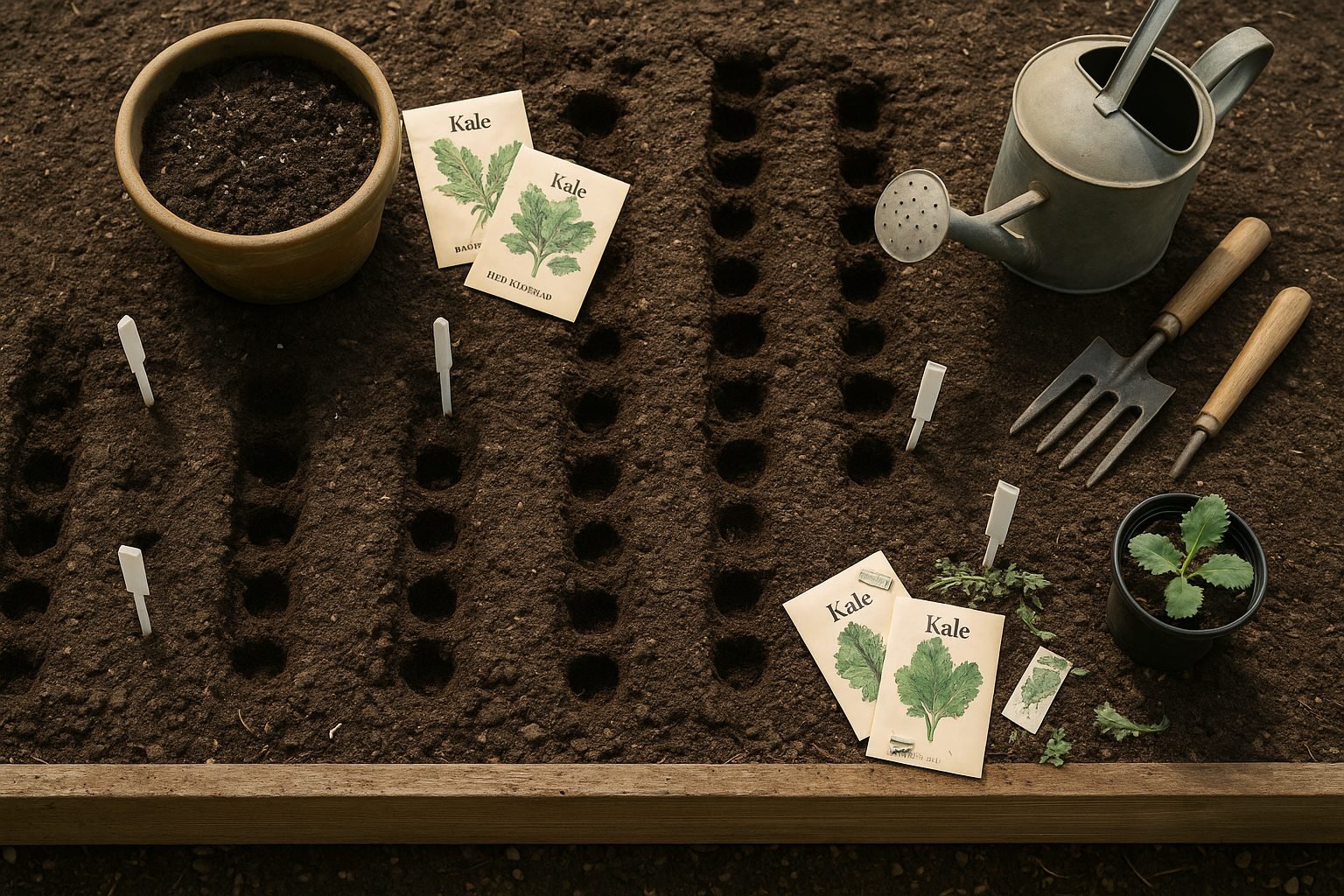
To ensure a lush winter kale harvest, timing is everything—success depends on your region’s frost dates and unique climate. In most areas, aim to sow kale seeds about 6 to 8 weeks before your expected first hard frost.
For example, in Zones 6 and 7 where the first frost usually hits around mid-October, plant seeds in late July to early August. Gardeners in Zones 8 and warmer can plant as late as September. If you live in colder northern regions (Zones 4 and 5), start even earlier or consider using protective covers or hoop houses to extend your growing season.
You can either direct sow seeds into outdoor beds, which works well in areas with mild autumns, or transplant seedlings grown indoors for a head start—especially helpful where early frosts come quickly.
For either method, begin by preparing your soil with plenty of compost; kale loves fertile, well-draining earth. Remove weeds and loosen the soil to at least a foot deep.
If sowing seeds directly, plant them about ½ inch deep and 12 to 18 inches apart to give mature plants room to thrive. For transplants, set seedlings at the same spacing and water deeply to help roots establish. Mulching with straw or leaves keeps the soil consistently moist and warm.
If space or weather is a challenge, kale adapts beautifully to containers—choose pots at least 12 inches wide and deep, use high-quality potting mix, and position them in a sunny, sheltered spot. As winter nears, move planters closer to your home’s warmth or use fabric row covers to block chilly winds.
Whatever your climate, consistent watering and occasional feeding will keep kale growing strong. With a little planning and the right techniques, you’ll enjoy sweet, tender greens long after most vegetable patches have gone dormant.
Caring for Kale During Winter Months
Caring for kale during the winter months requires a few tweaks to your regular gardening routine, but with a bit of extra attention, your plants can thrive even in chilly conditions.
First, adjust your watering schedule—kale needs less water in winter since cooler temperatures slow down evaporation. Check soil moisture before watering to prevent sogginess and root rot.
Adding a thick mulch layer (straw, leaves, or compost) around your plants helps insulate roots, locks in warmth, and wards off sudden cold snaps.
Winter fertilization should be minimal; too much can cause weak, leggy growth. Opt for a light top-dressing of compost or well-rotted manure at the base.
Frost protection is another essential trick for keeping kale healthy: use row covers, old blankets, or even plastic milk jug cloches to shield plants from icy winds and cold nights. These simple barriers create a microclimate, raising temperatures just enough to prevent damage.
Cold frames are also a great DIY solution if you have a small patch—even a clear storage bin turned upside down can help.
Since winter days are shorter, kale’s growth will slow, but you can maximize available light by trimming nearby overhanging branches or placing reflective materials, like white boards or aluminum foil, around your beds to bounce sunlight onto your crop—especially in the afternoon when the sun is lower in the sky.
Finally, don’t let your guard down with pests and diseases just because it’s cold. Slugs thrive in damp, sheltered winter gardens, so handpick them in the early morning or set up beer traps. Watch out for aphids on the undersides of leaves; a quick spray with water or a gentle soap solution usually does the trick.
With these strategies, your winter kale can offer a steady harvest of sweet, tender leaves even when the rest of the garden is asleep.
Protecting Kale from Extreme Cold and Frost
Kale is known for its cold hardiness, but when temperatures drop below 20°F (-6°C), or if severe frost, heavy snow, or ice storms are forecasted, it’s wise to give your plants some extra protection. One of the simplest ways to shield kale is with floating row covers or horticultural fleece—lightweight blankets that trap heat and protect leaves from frost damage.
Plastic tunnels or mini greenhouses also work well, especially during deep freezes, as they create a warmer microclimate around your plants. For a quick DIY fix, drape old bed sheets or burlap over hoops or stakes, making sure the fabric doesn’t touch the foliage directly, since this can cause leaf burn.
How to Install Protective Coverings
Start by placing hoops or stakes in the soil around your kale, leaving enough space to avoid crushing leaves. Then, lay your chosen covering over the structure, securing the edges with bricks, rocks, or soil to block drafts and keep the covering from blowing away. Check regularly for rips or gaps, especially after strong winds or snowfall, and brush off any accumulated snow so it doesn’t weigh down your covers or collapse your tunnel.
Maintaining Your Kale’s Winter Protection
On milder winter days, lift the covers for a few hours to allow air circulation and prevent disease buildup. Be sure to tuck your kale back in before temperatures drop again.
Essential Supplies for Winter Kale Care
- Frost cloth
- Plastic sheeting
- Sturdy garden hoops
- Mulch
- Weatherproof thermometer
Having these tools on hand will help you keep your kale thriving all winter long, ensuring crisp, sweet leaves no matter how harsh the forecast gets.
Harvesting Kale in Winter
Harvesting kale during winter is surprisingly rewarding, as the plant not only survives cold weather but thrives in it. Timing is key: once frost touches your garden, kale’s sturdy leaves become sweeter and more tender thanks to natural sugars produced as a defense against the cold.
For the best results, wait until after a couple of light frosts before picking—this enhances the flavor noticeably compared to summer harvests. To harvest properly and keep your kale plants going strong, start by picking the outermost, oldest leaves first, snipping them cleanly near the stem with sharp scissors or pruners.
Always leave several younger leaves at the center untouched; these are the plant’s growth core, and preserving them ensures your kale will keep producing all season long. Avoid tearing or yanking the leaves, as this can damage the stalk and reduce future yields.
A handy tip: harvest in the morning when the leaves are crisp and fully hydrated, which helps retain their best texture for cooking or salads. If you see any yellowing or damaged leaves, remove them as well to keep the plant healthy.
By following these techniques, you can enjoy a steady supply of fresh kale well into winter, with each harvest tasting even better thanks to the natural boost from winter’s chill.
Common Challenges & Solutions for Winter Kale
Winter kale is hardy, but gardeners still face a few common hurdles. Yellowing leaves are often an early warning sign, usually caused by overwatering or poor drainage—be sure your soil drains well and remove any fallen leaves that could promote rot. If yellowing persists, check for nutrient deficiencies, especially nitrogen; side-dress plants with a balanced organic fertilizer or compost to boost growth.
Another frequent issue is damage from snow or ice, which can crush or snap brittle stems. To protect your plants, gently brush off heavy snow and consider using a simple row cover or cloche to shield kale during harsh weather. For extra insulation, mulch around the base with straw or leaves, which helps regulate soil temperature and prevents freezing.
Slug infestations can also be troublesome during mild winter spells; slugs hide under debris and feast on tender kale leaves. Combat slugs by removing nearby weeds or excess mulch, and try sprinkling crushed eggshells or diatomaceous earth around your plants to create a barrier. Beer traps and nighttime hand-picking are also effective eco-friendly methods. Consistently inspect your plants for holes or slimy trails, addressing problems early before they escalate.
Lastly, promote overall plant vitality by spacing kale adequately for airflow, trimming damaged leaves, and keeping your winter beds tidy. With these practical strategies, you can overcome winter’s challenges and enjoy a steady harvest of crisp, robust kale all season long.
Get Involved & Expand Your Winter Gardening
Getting involved in the winter gardening community is a fantastic way to learn, stay motivated, and discover new crops perfect for cold weather. Start by joining online forums like Reddit’s r/gardening, Facebook groups focused on winter or year-round gardening, or websites such as GardenWeb where gardeners from all climates share seasonal advice.
Don’t forget local options—community gardens, cooperative extension offices, or gardening clubs often host winter workshops or seed swaps where you can pick up region-specific tips and meet fellow enthusiasts.
For those eager to expand their crop selection, consider trying hardy greens like kale, spinach, or mâche, and experiment with root vegetables like carrots and parsnips, which can actually sweeten after a frost.
Check out educational resources such as YouTube channels like “The Gardening Channel With James Prigioni” or online courses from universities and gardening nonprofits.
As you try different techniques—like using row covers, cold frames, or experimenting with soil amendments—document your progress and join in garden challenges or photo-sharing threads. Sharing your successes and setbacks isn’t just helpful for others; feedback from more experienced gardeners can make a huge difference in your results.
Above all, treat winter gardening as an opportunity to push your boundaries, cultivate resilience, and connect with a supportive network of like-minded green thumbs.