Introduction to Kale Companion Planting
When planning your vegetable garden, it’s essential to know which crops to avoid planting near kale. Companion planting—the practice of grouping certain plants together based on how they can help each other thrive—is an age-old gardening technique that still proves useful today.
For kale, smart companion planting can mean the difference between a lackluster harvest and a thriving patch of leafy greens. By surrounding your kale with compatible plants, you can naturally deter garden pests like cabbage worms and aphids, reduce disease risk, and even boost soil health, all without relying heavily on chemicals.
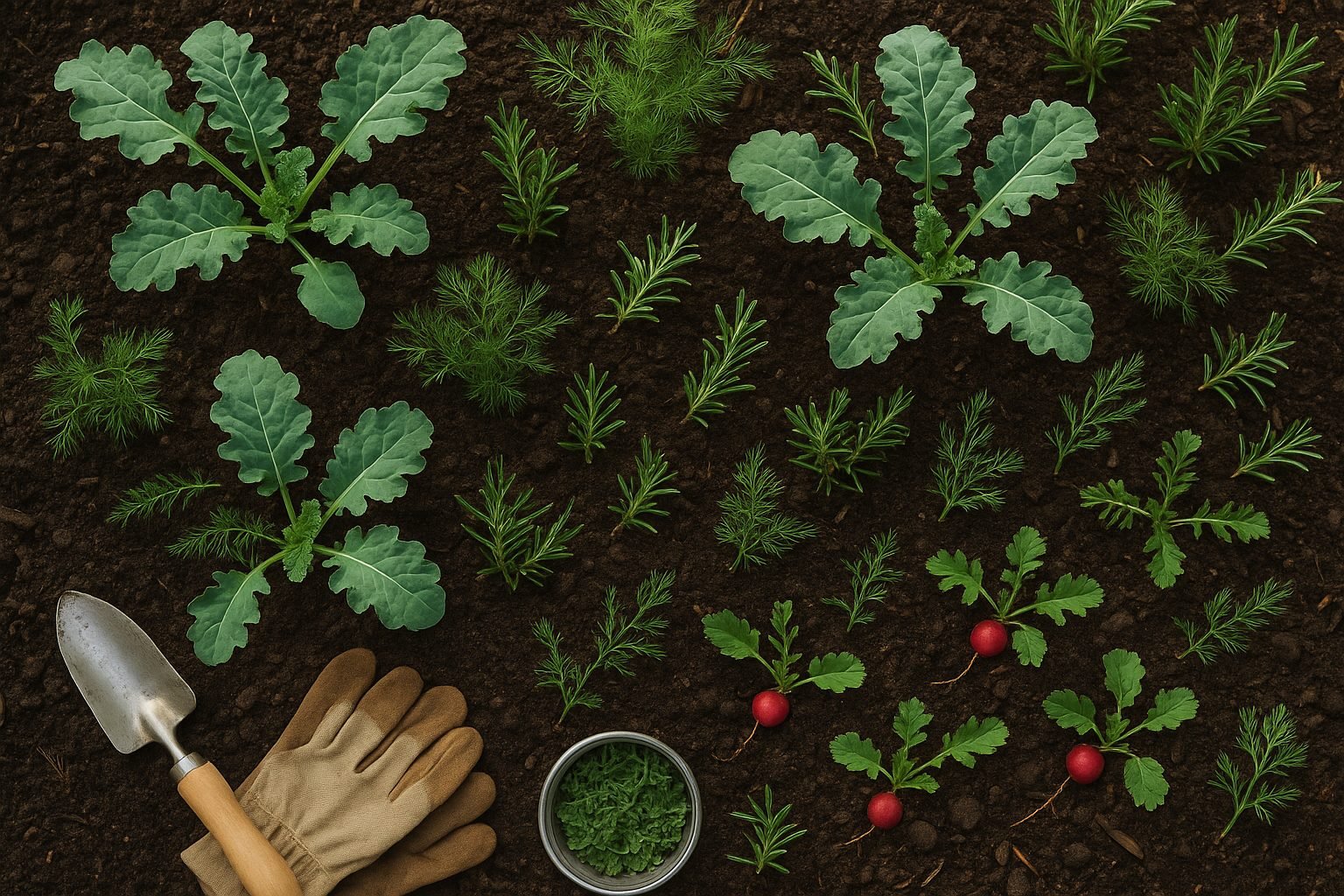
For example, aromatic herbs such as dill and rosemary not only add flavor to meals but can help mask kale’s scent from hungry insects. Meanwhile, fast-growing radishes can loosen soil around kale roots, supporting better growth.
However, just as there are good neighbors, there are certain plants you should avoid planting near kale, as some may compete for nutrients, attract shared pests, or stunt kale’s growth.
In this article, we’ll share practical companion planting tips, recommend the best buddy plants for kale, and highlight which ones belong far from your kale bed for a happier, healthier, and more productive garden.
Key Benefits of Companion Planting for Kale
Companion planting offers numerous advantages for those growing kale, making it easier to nurture strong, healthy leaves with minimal intervention. One standout benefit is improved growth—pairing kale with crops like onions, garlic, or herbs such as dill can boost its vigor by naturally warding off pests and attracting beneficial insects.
For instance, interplanting kale with marigolds helps repel aphids and cabbage worms, common enemies of brassicas. Soil enrichment is another plus: legumes like peas or beans fix nitrogen in the soil, providing a nutrient boost that leafy greens like kale love, without the need for synthetic fertilizers.
Many gardeners report that their kale grows fuller and suffers fewer infestations when surrounded by compatible plants. This is often seen in community gardens where mixed beds of kale, nasturtiums, and beets thrive without the use of harsh chemicals.
By fostering plant diversity, companion planting encourages more pollinators and beneficial predators into the garden, creating a natural balance that keeps pest populations in check. Ultimately, these practices reduce reliance on chemical pesticides and fertilizers, save time and money, and create a healthier, more sustainable environment for both kale and its garden neighbors.
Top Companion Plants for Kale
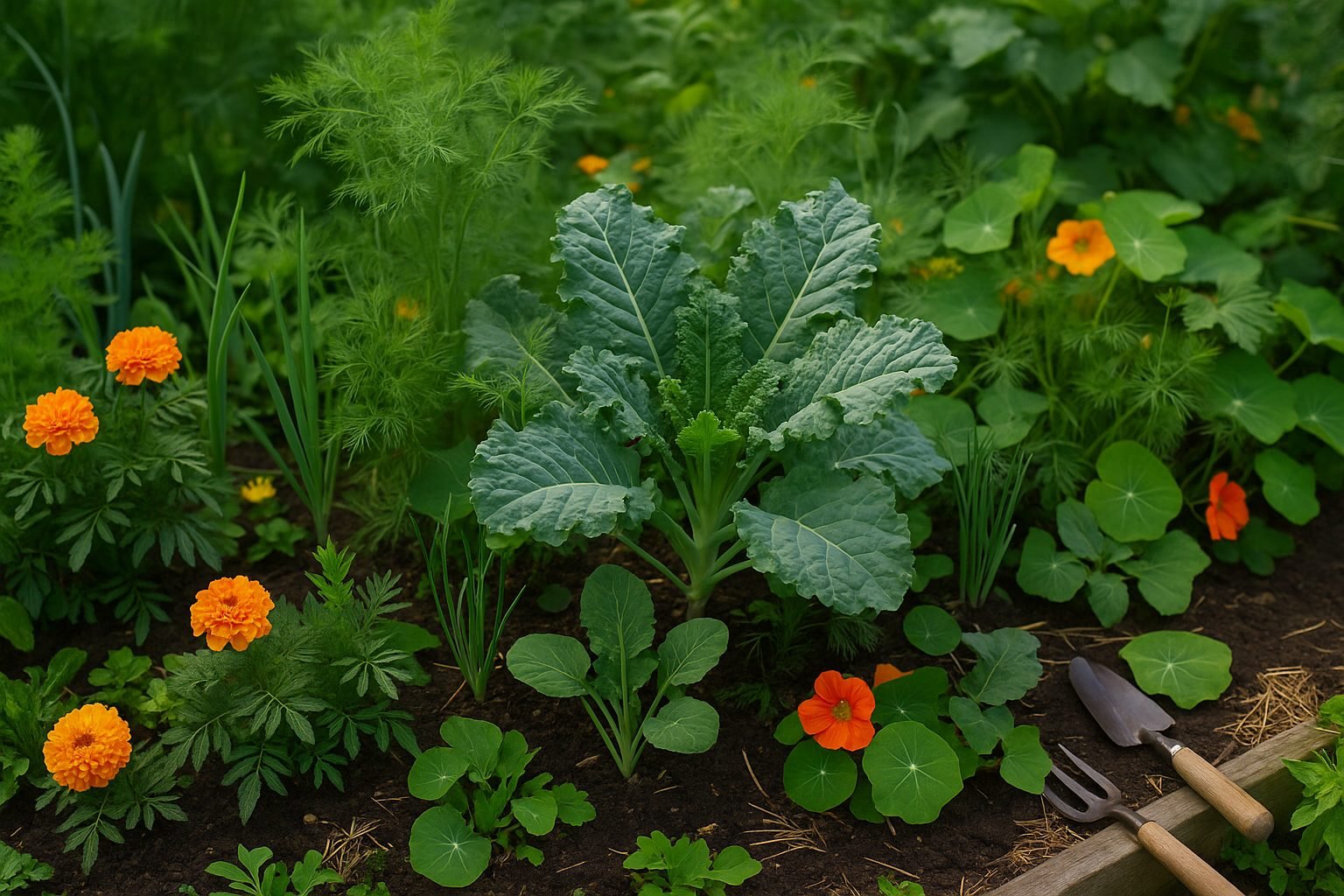
Companion planting can make a huge difference when growing healthy, productive kale. Onions and garlic are classic vegetable allies: their strong scents help mask kale from common pests like cabbage worms and aphids, reducing the need for sprays. Nestle a few allium bulbs between your kale plants or create alternating rows for the best effect.
Chives, another member of the allium family, work similarly but are compact enough for tight spaces or containers—just snip leaves for kitchen use and let their purple flower heads attract pollinators.
Among herbs, dill stands out as a dynamic companion; its airy foliage repels aphids and cabbage loopers while inviting ladybugs and parasitic wasps. Plant dill at the ends of your beds or just a few feet away to give it room to self-seed and grow without overshadowing your kale.
For an edible flower option, nasturtiums are unbeatable: they repel whiteflies and act as a “trap crop” by luring aphids away from kale, and their brightly colored blooms add beauty to garden beds and salads alike. Since nasturtiums tend to sprawl, plant them along the bed edges or in hanging baskets near your kale.
To integrate these companions, stagger your kale rows with onions or garlic, tuck chives into unused spots, and interplant pockets of dill and nasturtium for a diverse, resilient patch. In containers, use chives and dill at the corners with kale in the center, and let a nasturtium trail over the edge—the mix will not only save space but also build healthier, pest-resistant plants with far less effort.
Plants to Avoid Growing Near Kale
When planning your kale patch, it’s important to know which plants don’t play nicely with this leafy green. Beans are a prime example—these legumes can stunt kale’s growth because they compete for similar nutrients and attract aphids, which also love munching on kale leaves.
Strawberries are another poor companion; they attract slugs and certain fungal diseases that can quickly spread to your kale. Tomatoes should also be kept apart, as they can foster blight and root-knot nematodes in the soil, both of which can harm kale’s roots.
To reduce pest and disease issues, always plant kale a good distance from these conflicting crops. Use physical barriers, like raised beds or row covers, and consider rotating garden spots from year to year to avoid recurring pest build-ups.
If you’re gardening in a small space, try placing pots or containers of kale in a separate area, or use plant markers and spacing guides to ensure at least several feet of separation. By carefully considering these neighboring plants, you can keep your kale healthy and productive all season long.
Companion Planting Strategies and Common Mistakes
When starting with companion planting for kale, keep things simple by choosing layouts that suit your space and skill level.
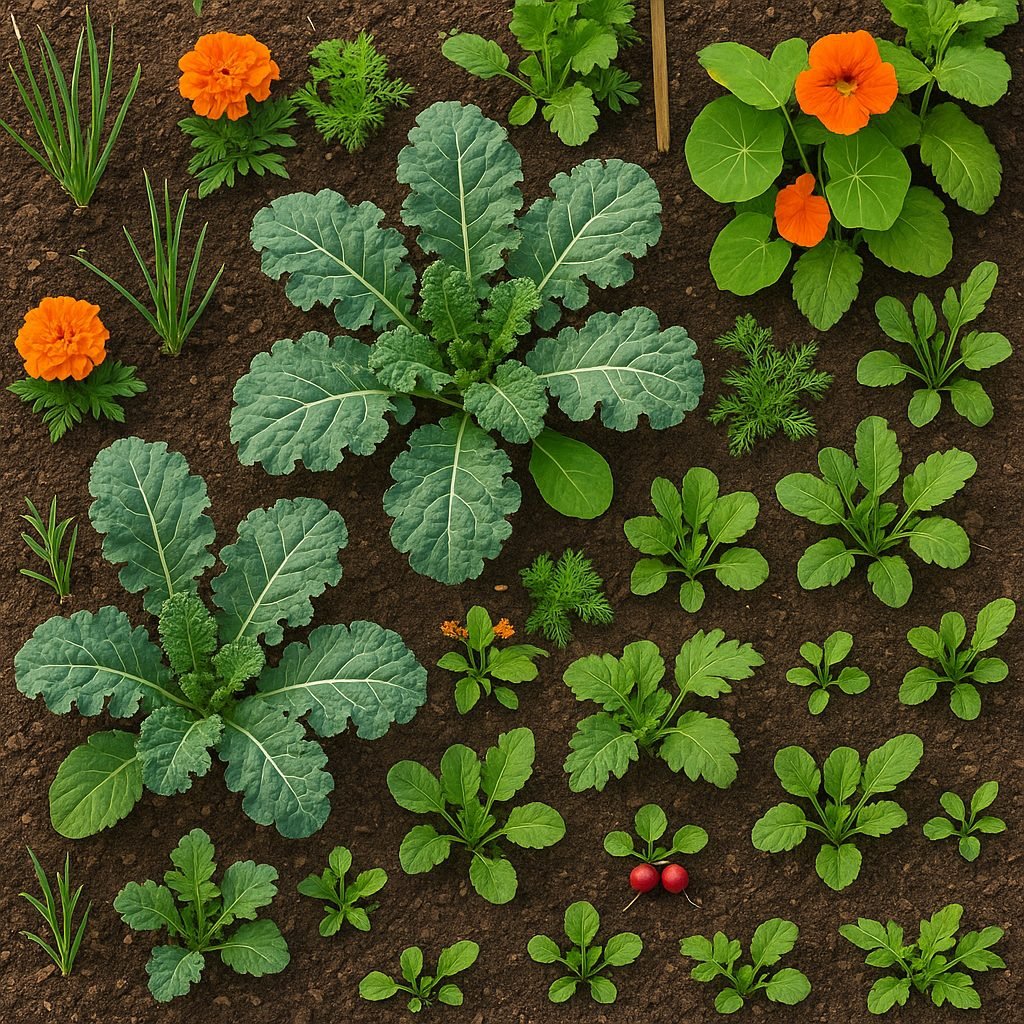
Planting in rows is a classic method—alternating rows of kale with friendly companions like onions or nasturtiums helps save space and reduces pest issues.
Clusters, where small groupings of kale and companion plants like marigolds or herbs are grown together, can create a mini-ecosystem that benefits all plants.
For tighter gardens, interplanting works wonders: tucking fast-growing companions such as radishes or lettuce between kale plants can maximize your harvest from limited beds.
However, a common mistake is overcrowding, which leads to poor air circulation and makes plants more susceptible to disease. To prevent this, always check the seed packet’s recommended spacing, and remember that companion plants also need room to grow.
Another pitfall is pairing incompatible plants—avoid placing kale near crops like strawberries or tomatoes, which compete for nutrients or attract similar pests. If you notice stunted growth or increased pest problems, try rearranging your layout next season and track which combinations work best.
For troubleshooting, pay attention to yellowing leaves (a sign of nutrient stress or overcrowding) and weed regularly so companions don’t compete.
Starting with a small patch and keeping notes will help you learn what works in your unique garden, ensuring healthier kale and more abundant harvests.
Kale Companion Planting for Pest Management
Companion planting is a smart, natural way to keep kale healthy and pest-free in your garden. Certain plants, like nasturtiums, act as sacrificial traps for aphids and flea beetles, drawing these pests away from your kale. Marigolds are another popular choice—their scent helps deter cabbage worms and other harmful insects, making them a great border plant for kale beds.
Aromatic herbs such as dill and cilantro also repel unwanted bugs while attracting beneficial predatory insects like ladybugs and lacewings, which feed on aphids. For best results, interplant these flowers and herbs directly among your kale or alternate rows to create a protective barrier.
Along with companion planting, try organic pest control techniques like regular hand-picking of visible pests, using insecticidal soap sprays, and placing floating row covers over seedlings. Mulching with straw or wood chips can also disrupt the habitats of pests like flea beetles.
By combining these strategies—thoughtful plant pairings, regular monitoring, and gentle organic treatments—you can keep your kale thriving and reduce your reliance on chemical pesticides.
FAQs About Kale Companion Planting
Many gardeners wonder if companion planting can actually improve the taste of kale, and the answer is yes! Growing kale alongside herbs like thyme, dill, or basil can subtly enhance its flavor by repelling pests that stress the plant, leading to sweeter, more tender leaves.
If you have a small space or use containers, kale still thrives with companions—simply pair it with compact plants like nasturtiums, chives, or marigolds to deter aphids while saving space. Use wide but shallow pots to fit more than one species together, ensuring each plant has enough light and airflow.
To keep your kale garden low-maintenance, select companions like onions or garlic, which naturally repel many common pests and diseases, reducing the need for pesticide sprays and constant monitoring. Mulching with straw or shredded leaves also helps suppress weeds and retain moisture, making overall care easier.
Even beginners can bundle these strategies together—start with a container, add a few helpful companions, and enjoy tastier, healthier kale with less hassle. Remember to check each plant’s sunlight and water needs before combining, and keep an eye on growth to ensure all enjoy the shared space.