Introduction to Lacinato Kale
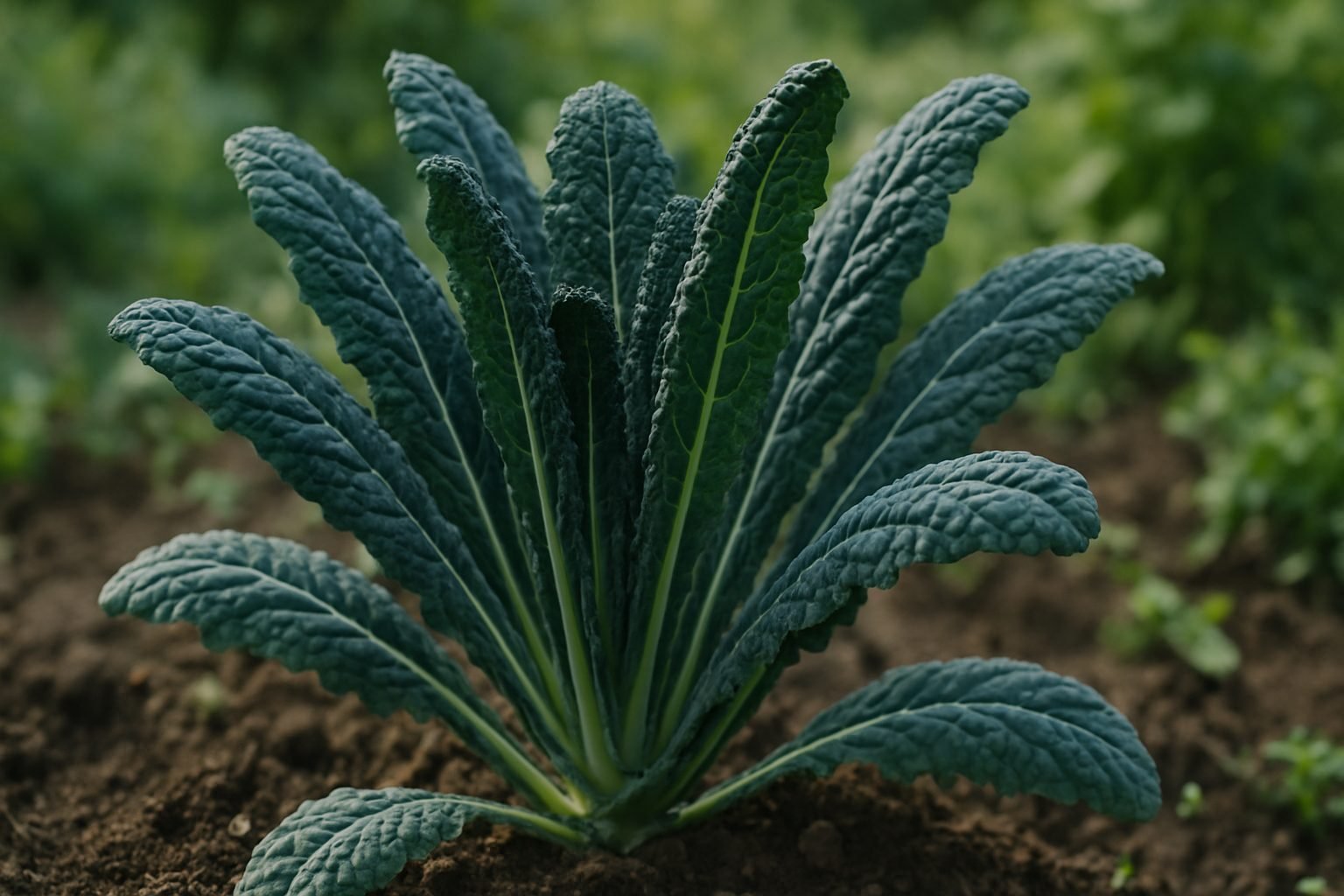
If you’re looking to grow lacinato kale in your garden this season, you’re in for a treat. Lacinato kale, often called “dinosaur kale” thanks to its deeply crinkled, almost prehistoric leaves, stands out for its striking blue-green color and long, slender shape. Unlike the frilly, curly varieties you might see at the grocery store, lacinato kale boasts a more refined, textured leaf that’s slightly sweeter and less bitter. Its robust yet tender leaves make it ideal for a variety of dishes—from fresh salads to hearty stews or crisp kale chips—which is why it’s so loved by home cooks and professional chefs alike.
Gardeners appreciate lacinato kale for more than just its culinary versatility. It’s hardy, resists cold, and continues producing flavorful leaves late into the season, making it a reliable crop even for beginners. If you’re seeking a nutrient powerhouse for your plate, this variety has you covered. Lacinato kale is packed with vitamins A, C, and K, as well as fiber and antioxidants that support overall health. Not only does it contribute bold flavor to your meals, but it also carries a legacy as a staple in traditional Italian cuisine—a testament to its well-earned spot among the most cherished kale varieties to nurture and enjoy at home.
Best Time and Place to Grow Lacinato Kale
Lacinato kale, sometimes called dinosaur kale, thrives best in cool weather, making it a fantastic choice for spring and fall gardens. The ideal temperature range is between 55°F and 75°F; under these conditions, the leaves grow tender and sweet, especially after a light frost, which actually enhances their flavor.
For most regions, sow seeds outdoors two to four weeks before your last expected spring frost or in late summer for a fall crop. If you don’t have much yard space, Lacinato kale grows well in the ground, raised garden beds, or even large containers — just make sure the soil drains well and is rich in organic matter.
Place your kale where it will receive at least six hours of sunlight daily, but if you’re in a hotter climate, afternoon shade can prevent the leaves from becoming tough or bitter. Raised beds warm up faster in spring and drain more quickly after rain, often giving kale a healthy head start. Containers are another great option for small patios or sunny balconies; just choose pots that are at least 12 inches deep so the roots have plenty of room.
Regardless of where you plant, consistent watering is key — drought stress can make the kale less flavorful and more prone to pests. With the right spot and timing, you’ll be rewarded with delicious, blue-green leaves perfect for soups, salads, and sautés all season long.
Planting Lacinato Kale: From Seed to Seedling
When planting Lacinato kale, you have two main options: starting seeds indoors or direct seeding outdoors. For an early spring harvest, start seeds indoors about 6-8 weeks before your last expected frost. Fill seed trays with a quality seed-starting mix and sow seeds 1/4 to 1/2 inch deep, spacing them an inch apart. Keep trays in a sunny window or under grow lights, ensuring the soil stays moist but not soggy.
Once seedlings have two to four true leaves—usually about four weeks after sprouting—they’re ready for the next stage. Before transplanting outdoors, gradually harden them off by moving trays outside for a few hours a day, increasing exposure to sunlight and cooler temperatures over a week.
For direct seeding, plant kale seeds outdoors 2-4 weeks before the last frost, as they thrive in cool soil (50–75°F). Scatter seeds in rows spaced 18-24 inches apart, covering them with 1/2 inch of soil. Then thin seedlings to 12-18 inches apart as they grow.
Whether starting indoors or outdoors, Lacinato kale prefers loose, fertile soil that is rich in organic matter and well-draining, with a neutral to slightly acidic pH (6.0–7.5).
After seedlings are established—about 4-6 inches tall—transplant indoor starts into prepared garden beds, gently handling the root ball to avoid shock. Water well after planting to help roots settle in. Mulching around seedlings keeps soil moisture steady and suppresses weeds.
Following these steps will help ensure sturdy, healthy kale plants that provide nutritious greens throughout the growing season.
Caring for Lacinato Kale Plants
Proper care is key to getting the most from your Lacinato kale plants, also known as dinosaur kale. Watering regularly is essential—aim for about one inch per week, making sure the top inch of soil stays consistently moist but not soggy. In hot or windy weather, you may need to water more often, so test the soil with your finger before adding water.
For healthy growth, feed your kale with a balanced, organic fertilizer every four to six weeks. A side-dress of compost at the base of each plant can also provide nutrients and improve soil structure. Applying a two to three-inch layer of organic mulch, like straw or shredded leaves, around your kale conserves soil moisture, keeps roots cool, and suppresses weeds, making maintenance much easier.
Keep the area around your plants weed-free by hand-pulling or using a hoe, since weeds can steal water and nutrients from young kale.
Managing Pests
Be on the lookout for common pests like aphids—watch for curling leaves or sticky residue—as well as cabbage worms and flea beetles, which leave holes in the foliage. Organic solutions include blasting aphids off with a strong stream of water, hand-picking caterpillars, or using natural sprays like neem oil or insecticidal soap.
Preventing Diseases
Watch also for yellowing leaves or dark spots, which could signal fungal diseases. To prevent this, water at the base of plants to keep leaves dry and ensure good airflow by spacing your kale properly.
With regular check-ins and these simple techniques, you can maintain a healthy Lacinato kale crop that’s both beautiful and productive all season long.
Harvesting Lacinato Kale: When and How
Lacinato kale, often called dinosaur kale, is ready to harvest when the leaves reach about 8 to 10 inches long and have a deep blue-green color with a bumpy texture. For the best taste and continual regrowth, start by picking the outermost, lower leaves first and work your way up the stalk as the season progresses—always leaving at least 4 to 6 of the top center leaves intact so the plant can keep producing.
Use clean garden scissors or gently snap leaves off at the stem to avoid damaging the plant. Harvest regularly, about once or twice a week, to encourage new growth and prevent the kale from getting too tough or bitter.
If you notice your plants sending up a central stalk with flower buds—a sign of bolting, often triggered by warm weather—act quickly. Remove any flowering stems as soon as you spot them to try to slow the process, but be aware that leaves may begin to taste stronger or more bitter after bolting. Even so, you can still eat the less mature leaves, and kale flowers are edible too!
Overall, harvesting often and keeping an eye on plant changes can help you enjoy a steady supply of tender Lacinato kale throughout the growing season.
Using and Storing Lacinato Kale
Lacinato kale, also known as dinosaur or Tuscan kale, shines in both raw and cooked dishes thanks to its tender leaves and earthy flavor. Enjoy it raw by massaging torn leaves with olive oil and a pinch of salt—this simple trick softens the texture and tames any bitterness, making it a perfect base for salads with citrus, nuts, and cheese.
For cooked dishes, lacinato kale holds up beautifully in soups, pastas, and sautés; just strip out the tough stems before chopping it up. Briefly sautéing the leaves with garlic and a splash of lemon juice not only mellows the bitterness but also enhances their deep flavor.
For storing, keep kale fresh in the fridge by wrapping unwashed leaves loosely in a damp paper towel and sealing them in a produce bag; it usually stays crisp for up to a week. For long-term preservation, you can blanch the leaves for a couple of minutes, cool them quickly in ice water, then drain and freeze in airtight containers—this method retains color and nutrients for up to six months.
Dehydrating is another option: spread clean, dry leaves on a baking sheet and bake at a low temperature until crisp, then store them in an airtight jar for a crunchy snack or to crumble over dishes.
These simple prep and storage tricks let you enjoy lacinato kale’s vibrant taste and nutrition in all kinds of recipes, whenever you want.
Health Benefits and Nutritional Profile
Lacinato kale, often called dinosaur kale or Tuscan kale, is a nutritional powerhouse that deserves a spot in your kitchen. Rich in vitamins A, C, and K, this leafy green supports immune health, bone strength, and healthy skin. It’s also loaded with antioxidants and anti-inflammatory compounds, which may help reduce the risk of chronic diseases.
Lacinato kale is a fantastic source of fiber, aiding digestion and keeping you feeling full longer—making it an excellent choice for healthy weight management. Unlike some bitter greens, it has a milder, slightly sweet flavor, making it easy to enjoy in a variety of dishes.
To reap its benefits, try these ideas:
- Chop it into salads
- Blend it into your morning smoothie
- Toss it onto pizzas just before baking
- Quickly sauté with garlic and olive oil for a simple side dish
- Add chopped kale leaves to soups and stews for extra nutrients
Its hearty texture even holds up well in grain bowls and wraps. By incorporating lacinato kale into your meals, you’ll boost your intake of essential nutrients while adding vibrant color and taste to your plate.