When and How to Harvest Peppers for Peak Flavor and Best Results
Wondering when to harvest hot peppers for the best flavor and heat? Timing is everything when it comes to picking your peppers—too early, and they may lack punch; wait too long, and they could become overripe or even shrivel on the plant.
The key is to watch for ripeness signals like a glossy appearance, deep color, and slightly soft skin. For example, jalapeños are typically ready when they turn a rich green or begin showing cracks near their stems.
With a few practical tips, you’ll learn exactly how to spot peak ripeness and enjoy the very best your plants have to offer.
Knowing When Your Peppers Are Ready to Harvest
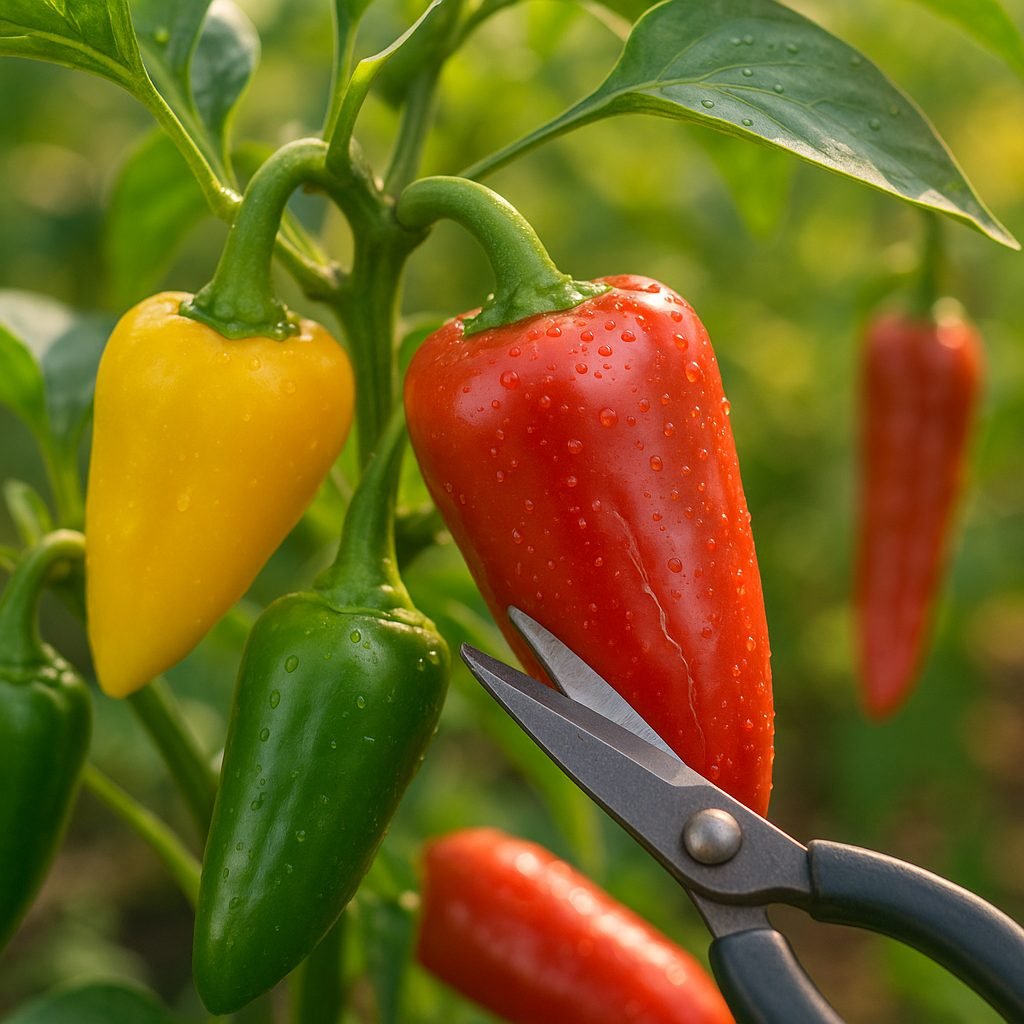
Knowing exactly when to harvest your peppers can make a big difference in both the taste and yield of your crop. Key signs to watch for include changes in color, a firm texture, mature size, and healthy skin appearance.
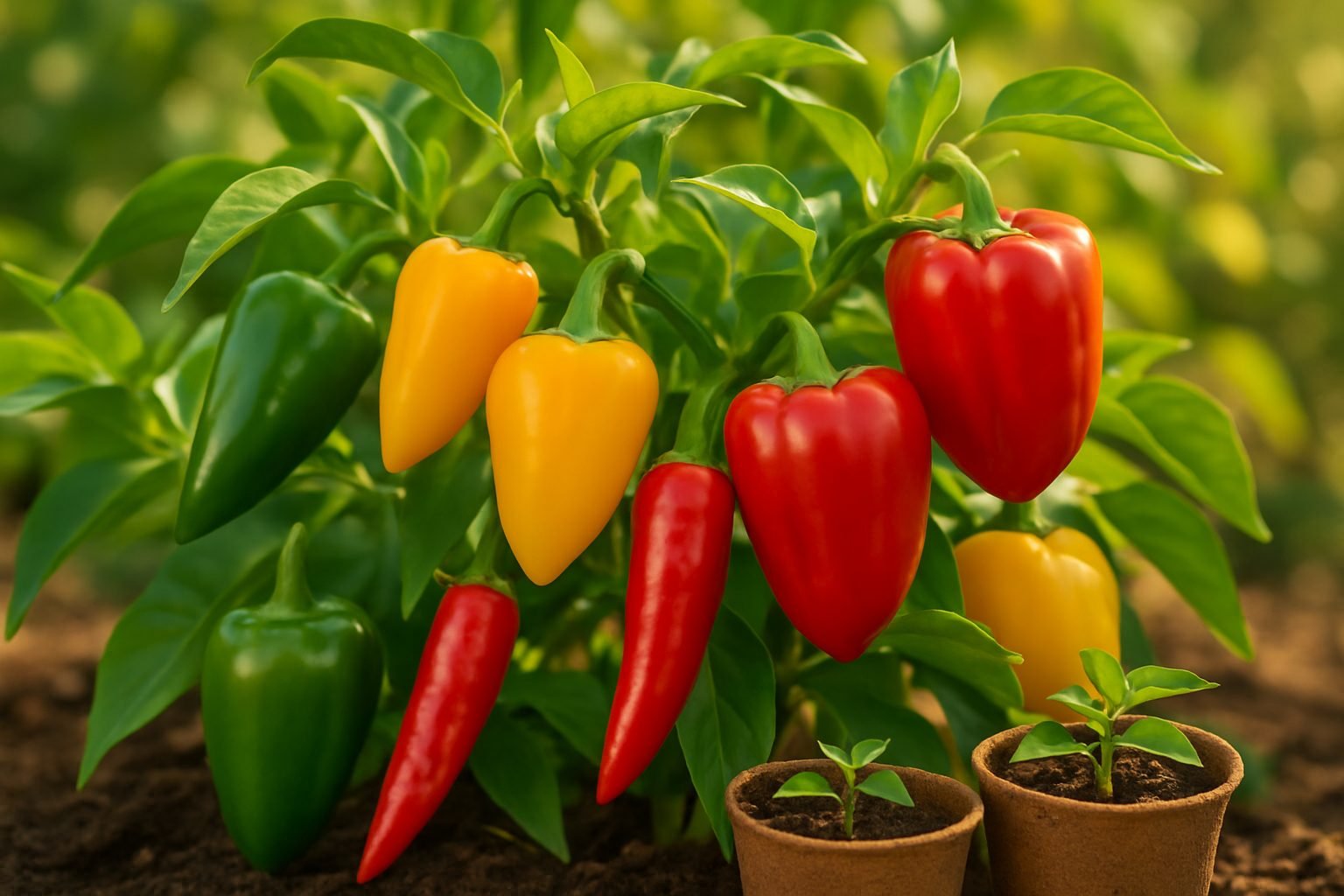
For many pepper varieties, the fruit will shift from green to vibrant reds, oranges, yellows, or purples as they mature. Bell peppers, for example, can be picked when green for a mildly bitter taste, but if you wait until they turn red, yellow, or orange, you’ll notice a sweeter flavor and higher vitamin content.
Size matters too—peppers should look filled out, not undersized or shriveled, with glossy and unblemished skin. Hot peppers like jalapeños often develop subtle lines or “corking” as a sign of ripeness and heat, while sweet peppers get shinier and reach a size typical for their variety.
If you’re growing chili peppers, wait for their bright final color to maximize spiciness. Harvesting early, at the green stage, often encourages more fruit production throughout the season, but letting them fully ripen on the plant will give you richer flavors and higher nutrients.
To avoid damaging the plant, use scissors or garden shears instead of pulling—this helps the remaining peppers keep growing. As a rule of thumb, check your peppers daily as they near full size, and compare what you see against photos or growing guides for your specific type.
Over time, you’ll get a feel for the look, feel, and even smell of perfectly ripe peppers ready to enhance your cooking.
The Step-By-Step Process to Harvest Peppers Safely
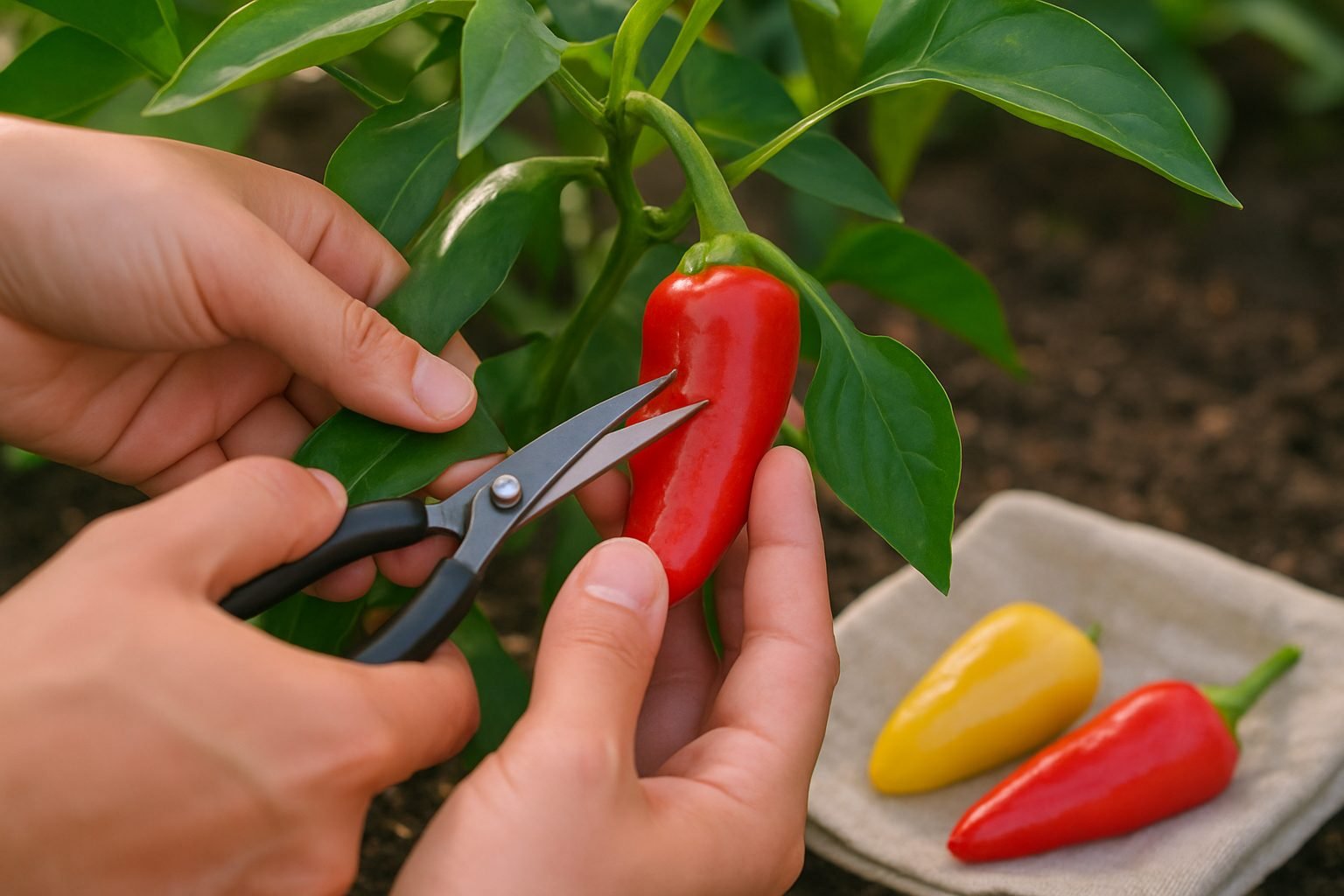
Harvesting peppers safely is simple, but a little care goes a long way in keeping your plants healthy and productive. Start by equipping yourself with clean, sharp pruners or scissors to avoid crushing stems and spreading disease—wipe blades with rubbing alcohol between plants for extra safety.
When you spot a ripe pepper, gently hold the fruit in one hand and use your tool in the other to snip the stem about a quarter-inch above the pepper, supporting the branch to prevent breakage. Avoid the temptation to twist or yank the peppers off by hand, as this can damage the plant and reduce future yields.
After each pick, check for immature or damaged fruits and remove them to redirect the plant’s energy toward producing healthy new peppers. Space out your harvests every few days during peak season to continually encourage fresh growth.
Beginners often make mistakes like harvesting too early (resulting in bland flavor), letting peppers overripen until they wrinkle, or accidentally snapping branches by handling the plant too roughly. It’s easy to overlook the importance of gentle handling—always support branches, especially when harvesting large or thick-walled varieties like bell peppers.
Also, try to harvest in the afternoon when plants are dry, which reduces the risk of spreading fungal diseases. By following these simple steps and watching for common pitfalls, you’ll enjoy a steady supply of crisp, flavorful peppers while keeping your garden thriving all season long.
How to Store and Preserve Your Pepper Harvest
Storing and preserving your freshly picked peppers allows you to enjoy their vibrant flavors long after the harvest season. For short-term storage, keep unwashed peppers in the refrigerator’s crisper drawer inside a paper or mesh bag—this promotes air circulation and prevents moisture buildup that can lead to mold. They usually stay fresh for up to a week; be sure to check them daily and remove any that start to soften or wrinkle, which are early signs of spoilage.
For long-term preservation, here are a few tried-and-true methods:
- Drying: String whole chili peppers on kitchen twine and hang them in a dry, airy spot. For sweet peppers, slice them and use a food dehydrator. Once dried, store the peppers in airtight jars for months of flavor.
- Freezing: Wash, core, and slice the peppers. Spread them in a single layer on a baking sheet to freeze individually, then transfer to freezer bags for convenience.
- Pickling: Slice peppers and place them in jars with vinegar, salt, and your favorite spices. They’ll last in the fridge for several months and add a zesty kick to your meals.
No matter which method you choose, always watch for signs of spoilage like sliminess, mold, or an off smell, and discard any affected peppers immediately. By following these tips, you can keep your pepper harvest fresh and delicious, ready to spice up your cooking any time of year.
What To Do With Peppers at the End of the Growing Season
As the growing season winds down and frost approaches, managing your pepper plants wisely ensures you make the most of your harvest. When temperatures start to drop, pick all mature peppers—even if they’re still green.
Unripe peppers can be encouraged to ripen indoors: simply place them in a paper bag with a ripe banana or apple, which releases ethylene gas that speeds up ripening.
For surplus or small, underripe peppers, consider preserving them instead of letting them go to waste. Peppers freeze surprisingly well—just chop and stash them in freezer bags—or try pickling, roasting, or dehydrating for easy additions to winter meals.
As for the plants themselves, once you’ve harvested, cut them back at the base and add healthy plant material to your compost. If you live in a mild climate, you can even pot up smaller pepper plants and overwinter them indoors for a head start next spring.
Otherwise, clear away old roots, remove weeds, and mix compost or organic matter into your beds to get the soil ready for next year’s seedlings. With a little planning, you’ll head into the off-season with a stocked pantry and a garden prepped for the coming year.
Frequently Asked Questions About Harvesting Peppers
Many gardeners wonder if it’s okay to pick peppers before they reach full color. The answer is yes—most peppers can be eaten green or at various stages before fully ripening. Green peppers are typically more bitter and less sweet than their mature, colored counterparts, but they’re perfectly safe to eat and often used in stir-fries and salads.
When it comes to yield, expect a healthy pepper plant to produce 5 to 10 large fruits or up to 20 smaller chili peppers per season, depending on the variety and growing conditions.
One common myth is that picking peppers early will prevent the plant from producing more; in fact, regular harvesting can encourage more flowers and fruit to develop, extending your harvest window.
If your peppers aren’t turning red or yellow as expected, don’t worry—some varieties stay green, and slow ripening can be due to cooler temperatures or insufficient sunlight.
For stubborn peppers that won’t come off the vine, use pruning shears or scissors to avoid damaging the plant.
Also, watch for pests like aphids or fruit rot; promptly removing affected fruits can prevent spread and keep the rest of your harvest healthy.
Harvest in the cool morning hours for the crispiest peppers, and use gloves when picking hot varieties to avoid skin irritation.
A little observation and timely picking will help ensure a plentiful, delicious pepper harvest all season long.